Get

In Your Inbox

Catster is reader-supported. When you buy via links on our site, we may earn an affiliate commission at no cost to you. Learn more.

Do Cats Lose Teeth as They Get Older? Vet-Reviewed Dental Facts & Tips

Share

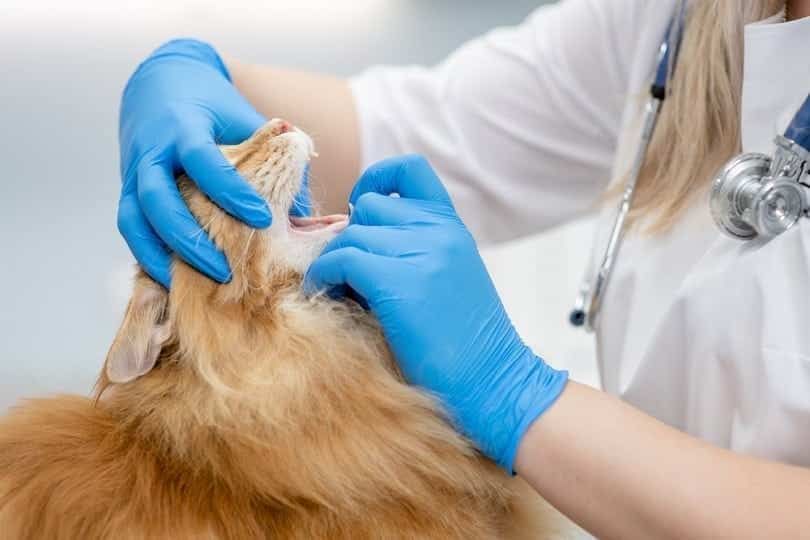
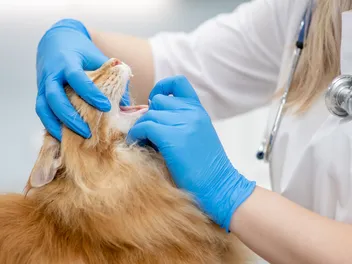
veterinarian checks mouth of the maine coon cat

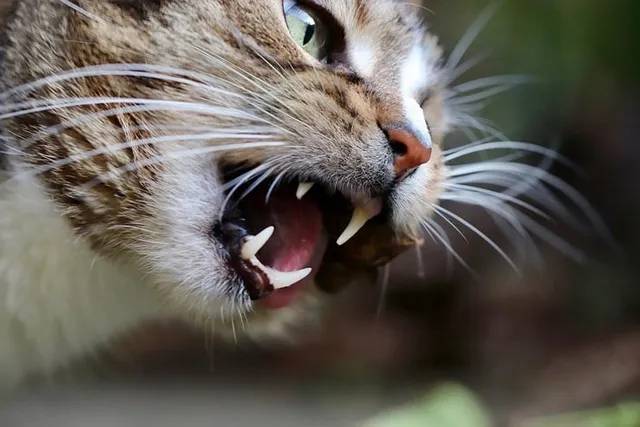
Is it normal for our feline companions to lose teeth when they get older? While some cats will lose teeth as they age, it’s definitely not considered normal. The most common reason for cats to lose a tooth is dental disease, specifically gum and periodontal disease. While dental disease and tooth loss may not be normal, it’s extremely common. It’s estimated that 50-90% of cats over the age of four have some form of dental disease 1. That doesn’t mean that they are losing teeth, but the presence of dental disease may be a precursor for missing teeth down the road.

It’s not easy in the moment to know what to do if your cat unexpectedly loses a tooth, or how to spot dental disease before it can become a serious problem. Read on as we illuminate both of those topics, as well as provide some handy dental tips that’ll help keep your cat’s teeth in great shape for years to come.

divider 3 paws

What Is Cat Dental Disease?

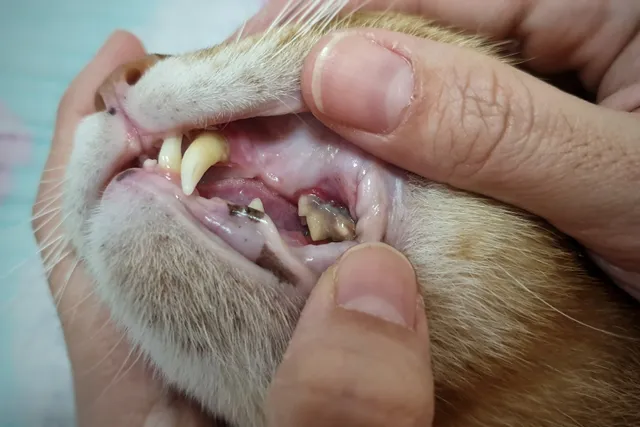
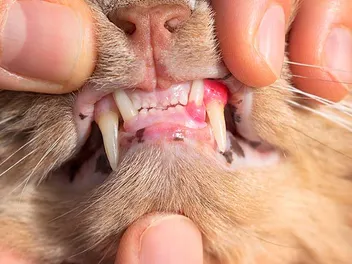
We’ve all heard of dental disease, and you may have a vague idea of how it works, but how exactly does it happen? It all starts with plaque, which is a thin layer that includes bacteria that naturally forms on your cat’s (and your!) teeth. If not removed, that plaque can harden into tartar. Once hardened, tartar is more difficult to remove.

Tartar on the teeth can then start to inflame the gums and surrounding dental tissues. This affects the integrity of these tissues and they may start to lose the ability to hold the teeth into the jaw and gums, potentially leading to tooth loss if untreated.

What Should I Do if My Cat Loses a Tooth?

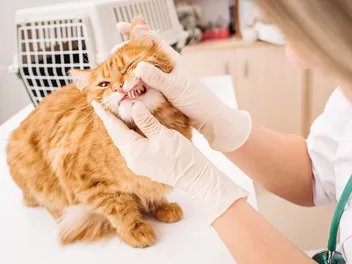
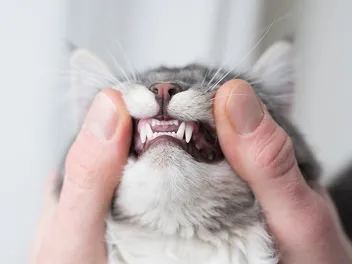
If your adult cat suddenly loses a tooth out of nowhere, you can try to safely look in your cat’s mouth for signs of periodontal disease and call your vet immediately after. Since mature cats don’t normally lose teeth, this could be a signal of dental disease or trauma. At a minimum, it’s a sign that your cat needs to see a veterinarian.

Periodontal-Disease-in-Cats
You are free to use this image but we do require you to link back to Catster.com for credit

Signs of Dental Disease in Cats

Dental disease can be a long, progressive disease that snowballs over time with dental neglect. While it’s definitely better to treat dental disease when it’s in the early stages, it can often be difficult to identify.

Signs of Feline Dental Disease:

  • Swollen, inflamed gums
  • Visible tartar accumulation on or around the teeth
  • Excessive salivation or drooling
  • Pawing at the face
  • Head shaking
  • Difficulty chewing or eating
  • Dropping food when eating

If you need to speak with a vet but can't get to one, head over to PangoVet. It's an online service where you can talk to a vet online and get the advice you need for your pet — all at an affordable price!

PangoVet_Mention-in-Content for PangoVet2 save money

divider 3 paws

Do Cats Have Baby Teeth? Cat Teeth Anatomy Explained

cat dental formula, cat teeth
You are free to use this image but we do require you to link back to Catster.com for credit

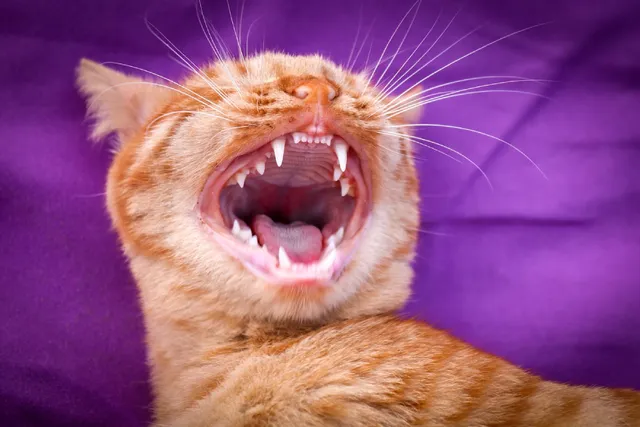
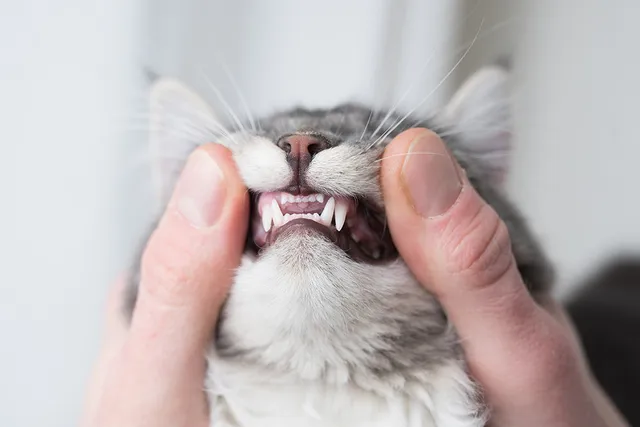
Yes, cats have baby teeth that they lose as they age, just like dogs, humans, and many other mammals. Kittens get their first set of 26 teeth at 3 to 4 weeks, right about the age they’re starting to wean from mother’s milk to solid food.

These deciduous “milk teeth” won’t stick around long, as your kitten starts to lose them at 3 or 4 months old. The adult teeth come in rapidly afterward, with most cats having a full adult set of 30 pearly white chompers by the time they’re 6 months old.

Fun fact:
Lions, tigers, and most other cats in the Felidae family have a full set of 30 teeth too!

Handy Dental Tips for Helping Your Cat’s Health

It should be apparent that your cat’s dental hygiene is critically important to keeping not only their mouth healthy but their whole body, too. The best way to prevent dental disease in the first place is to practice good dental hygiene with your cat, even if they aren’t always cooperative about it.

Cat Dental Tips:
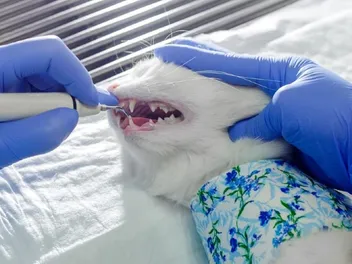
  • Attend regular veterinary check ups so that your veterinarian can assess your cat’s oral health and provide treatment as needed.
  • Make sure your cat has free access to clean water at all times, not only for hydration but also to help your cat wash away food debris in their mouth that breeds bacteria.
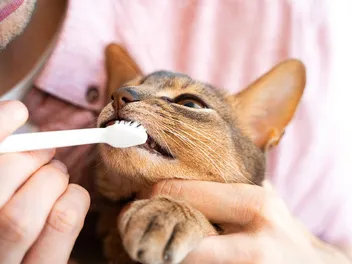
  • Start brushing your cat’s teeth while they’re young, as older cats may be more reluctant or unwilling to adapt to a new dental routine.
  • To acclimate older cats to teeth brushing, first try rubbing some fishy tuna juice on your cat’s gums and teeth with your fingers. Repeat this a couple of times to build positive reinforcement, then slowly progress toward introducing cat-safe toothpaste and the toothbrush.
  • When you’re brushing your cat’s teeth, make sure to massage their gums to stimulate healthy blood flow and promote healthy gums.
  • Consider feeding dental treats to your cat. They’re no substitute for teeth brushing, but they’re better than nothing.
  • Ask your vet about specific diets or other treatments that could benefit your cat’s dental health.

divider 2 cats

Conclusion

While some cats lose a few teeth as they age, it’s not considered normal, and nearly every cat may show early signs of dental disease by 4 years old. Before your cat loses a tooth, we strongly urge you to begin a tooth-brushing routine with your cat to help keep the worst of dental disease safely at bay. You’ll also want to have regular veterinary checkups to evaluate your cat’s oral hygiene.

See also: 


Featured Image Credit: Ermolaev Alexander, Shutterstock

Want content like this delivered to you?

Sign Up For Our Newsletter

News, insights, expert advice, and everything cat

* By submitting, you agree to our Terms & Conditions and Privacy & Cookies Policy.


How useful was this post?

Click on a star to rate (you can leave written feedback after clicking submit)

Help us improve Catster for pet parents!

Your feedback really matters.

What did you like about this post? Also how can we improve it?

Join the conversation

2 Responses

  1. I am feeding the feral cat Adult not sure of his age may be 12years, I see he is loosing tooth, recently he was drooling alot he could not eat, but with some medication he is better.
    Can you determine exact age appearance loosing teeth, not roaming just eat sleep in.

    1. Hi Jen, cats with periodontal disease will lose teeth, and this could also happen due to trauma. So we cannot determine his age from your description; a vet would need to check this cat. Thanks for trying to help him, but please do not offer medication without a vet’s guidance.

Leave a Reply

You’re very welcome to leave a comment or question. Please know that all comments must meet our community guidelines, and your email address will NOT be published. Let’s have a positive and constructive conversation.


Talk With A Vet Online

Peace of mind,
anywhere, anytime

Affordable vet advice

Why Chicken Bones Are More Dangerous for Cats Than Most Parents Realize

Chicken bones seem harmless enough, but for cats, they can cause serious damage quickly. Whether your cat swiped a piece off the counter...

Fantastic Pet Pantries and Where to Find Them

Let’s face it: times are really tough right now, and those of us in the 99% are struggling with the cost of just...

Ask Dr. Paola – Help! My Cat Refuses to Drink Water! (April 13, 2026)

Welcome to our “Ask Dr. Paola” series, where every Monday we bring expert advice straight from Dr. Paola Cuevas (MVZ) to help our...

Why Healthy Cats Still Vomit Sometimes (And How to Respond)

A cat that just vomited needs a specific kind of care, and the feeding decisions you make in the next few hours actually...

More related

A Cat Owner’s Manual: Dr. Lauren Explains Cat Carriers

Hi, I’m Dr. Lauren! Read my introduction to learn more about me and my two adventurous cats, Pancake and Tiller. OK, I’m just...

7 Best Designer Cat Beds of 2026 – Reviews & Top Picks

A cat bed provides a kitty with a safe and comfortable spot to rest and get away from any perceived threats, and it...

Does Cedarwood Oil Kill Fleas on Cats? Vet-Verified Effectiveness & Safety Explained

Fleas can be the bane of a cat owner’s existence. Once they appear, they’re everywhere, and worst of all, they make our kitties...

17 Canada Cat Statistics & Facts All Cat Lovers Should Know (2026 Update)

Note: This article’s statistics come from third-party sources and do not represent the opinions of this website. Cats were first domesticated around 10,000...

Keep reading

Cat Hormones: How They Affect Male & Female Felines (Vet-Approved)

Like humans, cats’ hormones are constantly released by their endocrine system. They regulate a cat’s behavior, moods, and bodily functions. Cat hormones have an essential role in maintaining a cat’s health, including their metabolism, reproductive cycle, development, growth, and behaviors....

two cats looking at each other

Why Do Cats Love Shoes? 3 Vet-Approved Reasons for This Behavior

If you’ve felt like you’ve observed your cats having a strange obsession with your shoes, it might not just be in your head. The reality is, that many cat owners have noticed this same behavior. Since it’s happening with cats...

British Short-hair Cat beside shoes

Can Cats Eat Peaches? Vet-Reviewed Facts & Precautions

Peaches are among the sweetest and most delicious natural treats there are. Since cats are so curious by nature, you may notice your feline coming over for a sniff, showing interest in the peaches you’re snacking on. If you’re like...

Can Cats Eat Peaches

Will Cat Fur Grow Back Over Scar Tissue? Vet Reviewed Facts & FAQs

If your cat has recently gotten injured or had surgery, you may wonder whether their fur will grow back in the injured area after it heals. The answer is that in some cases, cat fur can grow back over scar...

stray cat with scars

Can Cats Eat Wheat? Vet Approved Nutrition Facts & FAQ

Cats are always interested in eating, and it can be tempting to share food with these furry family members. But this isn’t always healthy for them, depending on what you’re eating. Cats may want to eat your food, but that...

Can Cats Eat Wheat

Can Cats Eat Peanut Butter? Vet-Reviewed Facts & FAQ

Peanut butter is a snack loved by humans and dogs alike, but is this sweet, nutty treat something you should share with your cat? As delicious as PB is, this food should not be added to your cat’s treat rotation....

Can Cats Eat Peanut Butter

Are Ferns Toxic to Cats? Vet-Verified Facts & FAQ

Many of us have ferns in our homes and gardens. Garfield, the fictional cat, was known to be a firm favorite of the fern, along with lasagna of course. But is this popular houseplant actually safe to be around felines,...

fern leaves

Can Cats Eat Mint? Vet-Verified Facts & Advice

The mint genus is a broad category of plants containing multiple species that cats will react to differently. If you’re confused about the difference between catnip and catmint or catmint and wild mint, you’ve come to the right place as...

Can Cats Eat Mint

Love Cats? So Do We! Join the Catster Community

Stay informed with expert pet care insights delivered straight to your inbox! Discover professional guidance on animal behavior, feeding tips, trusted product picks, and much more.


Sign up for the Catster Email Newsletter

Stay informed with expert pet care insights delivered straight to your inbox! Discover professional guidance on animal behavior, feeding tips, trusted product picks, and much more.