How to Get a Canadian Pet Passport in 2026: A Step-by-Step Guide
In this article
Traveling with pets can be a very stressful process. Besides worrying about your pet’s safety during transit, you must ensure all the proper paperwork is secured before your departure, which can also be taxing.
If you’re traveling from Canada with your pet in the future, you’ll need documentation to ensure a hassle-free entry into your destination country. The same applies if you export your pet from Canada to another country. Read on to learn what you’ll need to export and import your pet to and from the Great White North.

How to Get a Pet Passport If You’re Leaving Canada
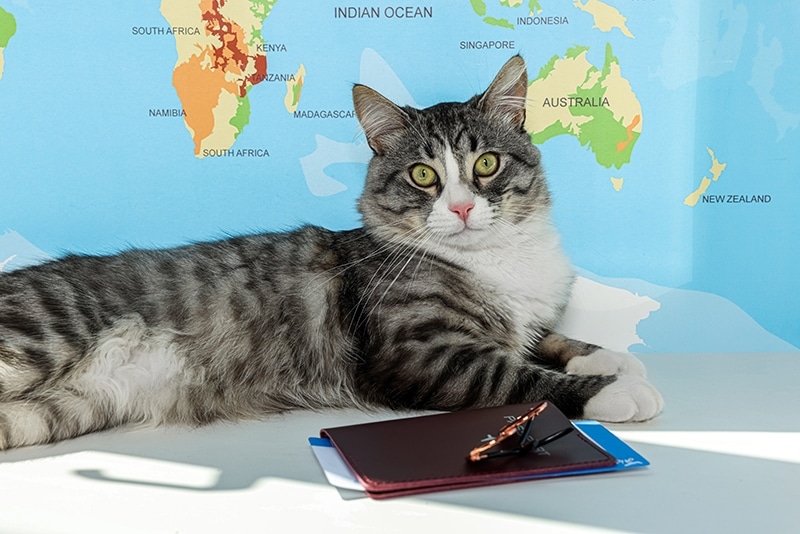
Canada issues an official passport for your pet to use when traveling. However, you must get several documents for your pet before they can travel. Here are some of the steps you will need to follow to make this happen:
1. Do Your Research
Before leaving the country, contact your destination country’s embassy to find out its requirements for bringing animals into their country. Each country has its own rules, so familiarize yourself with them before departing.
You may need to pay for additional testing, vaccines, or treatment before importing your pet into another country. Some also require pet owners to submit an import permit and an export certificate.

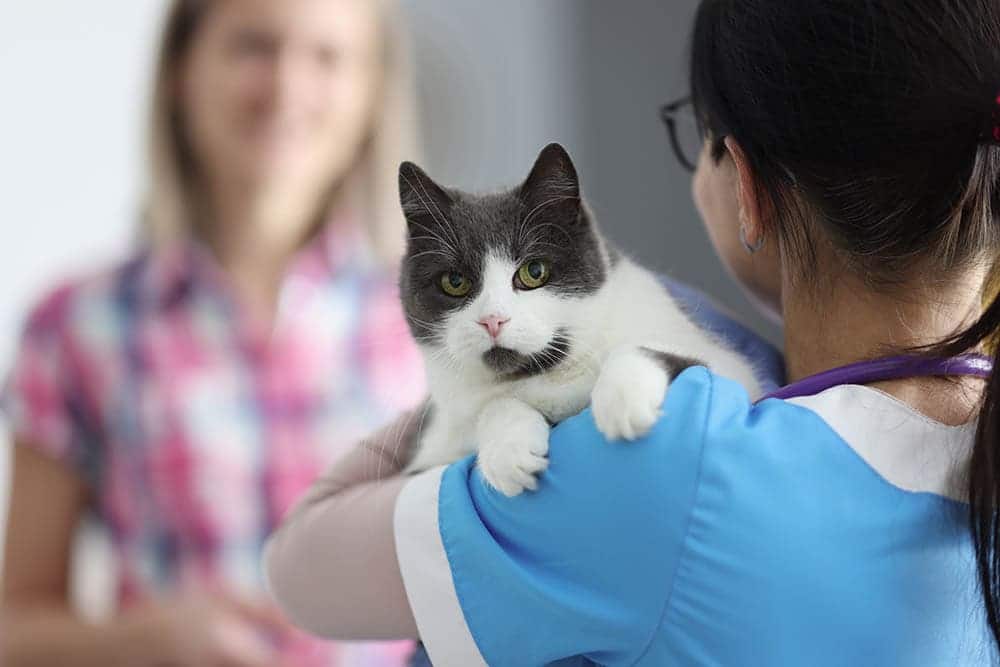
2. See Your Veterinarian
Many countries accept the Canadian International Health Certificate for individuals traveling with cats and dogs. The certificate must be filled out by an approved veterinarian and printed on legal paper to be accepted.
You will not need to provide this certificate if you’re traveling to a country that provides its own health certificate or those with specific veterinary certificates from the Canadian Food Inspection Agency (CFIA).
3. Check Canada’s Import Rules
Canada has specific import requirements for any individual bringing a pet into the country. Your pet will be removed from Canada if you do not meet the criteria. Importing dogs into Canada will, in most cases, require a valid rabies vaccination certificate or Rabies Country-Freedom Certificate if you’re traveling from a rabies-free country like Finland, Ireland, or Australia.
Importing cats into the country will also require a valid rabies vaccine or a veterinary certificate, which you can obtain from your vet. If you provide the veterinary certificate, you must also have documentation stating that rabies has not occurred in your country of origin for at least 6 months before your animals enter Canada.

4. Go Online
The Government of Canada has an entire section on its website to make this easy for pet owners. First, you must answer several questions about the pet and your travels, such as their age, what type of animal you’re traveling with, and why you’re bringing the pet into the country (e.g., personal, commercial, or assistance animal). Once you’ve answered those questions, you’ll be provided with the exact requirements to enter Canada.
For example, individuals with a dog 8 months or older traveling for personal reasons from the United States will need a valid rabies vaccine certificate. The dog must also appear healthy and be transported humanely. However, individuals trying to bring a turtle or tortoise into Canada will not be allowed unless they prove they are part of a zoo or search laboratory and provide the proper import permit for the animal.
Traveling to Countries Without a Certificate
If you’re traveling somewhere that has no negotiated export certificate and doesn’t provide one, you’ll need to take matters into your own hands. Contact the veterinary authorities or embassy in your destination country to obtain a list of the current import requirements.

Traveling With Exotic Pets
Individuals traveling with exotic pets may need a Convention on International Trade in Endangered Species of Wild Fauna and Flora (CITES) permit to travel to certain countries. CITES is a treaty established to protect endangered plants and animals to ensure the species' survival.
Individuals importing or exporting a species listed under CITES will require a permit to travel since it is unlawful to bring any animals or plants on the list across international borders if you don’t have the proper documentation. Canadian exotic pet owners can obtain a Certificate of Ownership from Environment Canada if they travel out of the country with their pets often.
If you’re traveling temporarily with your CITES-listed pet, we recommend applying for a CITES Certificate of Ownership. This certificate, known as a “pet passport, " is valid for 3 years and allows certificate holders to export and re-import multiple times. Unfortunately, not all countries accept CITES Certificates of Ownership. We recommend checking out the national CITES authorities page for your destination country to find out who you would contact to see what documentation you need to travel with your pet.
CITES-listed pets include:
Many parrots
Many lizards
Many turtles
Hybrid cats
Some snakes
Some fish
You can check out the CITES species database to see if your pet is listed.
Final Thoughts
Obtaining a Canadian pet passport can be a lengthy process, and the sooner you can get started, the better. Paperwork can take a long time to process, especially if traveling to a country with fewer accessible embassies or veterinarians. Also, be sure your pet is up to date on its vaccinations and schedule a visit with your vet well before your departure so you can get the green light from the doctor that your cat is good to travel.
See also:
Sources
Featured Image Credit: Monika-Wisniewska, Shutterstock

Expert cat care, straight to your inbox
Vet-reviewed advice, behavior tips, and the best of Catster. Free, and you can unsubscribe anytime.
By signing up, you agree to our Terms & Conditions and Privacy & Cookies Policy.

For Chantelle, writing and animals are the two driving forces in her life. Growing up on the Canadian prairies surrounded by pets, she now shares her home with five cats, two guinea pigs, and a bearded dragon. Chantelle, her husband, and their child pride themselves on being dedicated pet parent, even spending a fortune on wall-mounted cat shelves to provide their cats with an indoor jungle gym. When she's not snuggling with her cats or photographing their humorous moments, Chantelle is exploring the Rocky Mountains, rewatching her favorite Netflix series, and reading up on various random subjects.
Join the conversation
Ask a question, share your story, or send private feedback.