Get

In Your Inbox

Catster is reader-supported. When you buy via links on our site, we may earn an affiliate commission at no cost to you. Learn more.

Do Cats Like Hugs? Feline Preferences & Important Considerations (Vet Verified)


Share

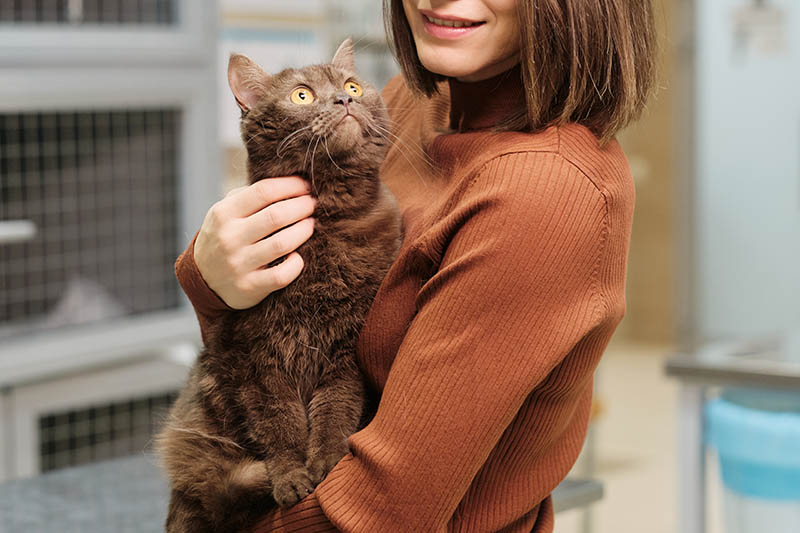
woman carrying a chocolate-colored cat inside the clinic

Cats are beloved pets known for their independent and enigmatic nature. While dogs often enjoy hugs and physical affection, the same may not always be true for cats; they can be downright aloof sometimes. Understanding a cat’s preference for hugs can deepen the bond between feline companions and their human friends. But as a general answer, it will all depend of the breed of the cat and their personality. 

In this article, we’ll explore whether cats like hugs, how they express affection, and the best ways to show love to our feline friends.

divider 2 cats

Do Cats Like Hugs?

Cats, unlike dogs, are not as demonstrative about expressing and receiving affection. While some individual cats may tolerate or even enjoy hugs, others will do anything they can to get out of your arms as soon as possible. Cats are more likely to respond to gentle petting, head scratches, and even simply being in the same room as their humans.

Hugs, however, can make cats feel trapped or stressed, as they value their personal space and freedom of movement. Read along to find out how to understand what your cat is comfortable with in terms of physical affection, if your cat can develop that comfort over time, and other ways to bond with your favorite feline beyond hugs.

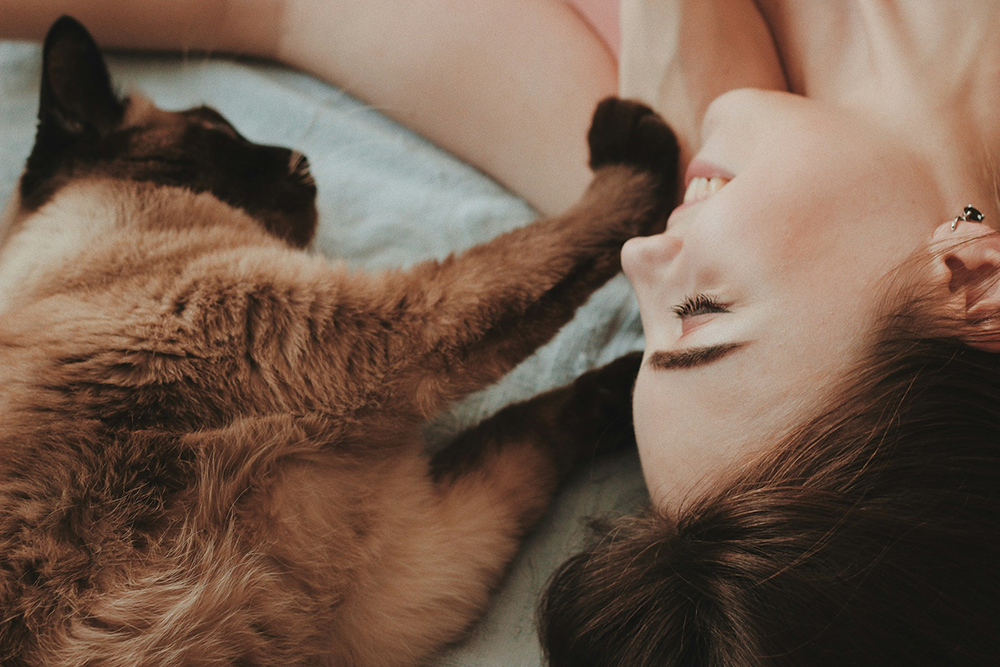
woman hug her siamese cat
Image Credit: Piqsels

Pay Attention to Feline Body Language

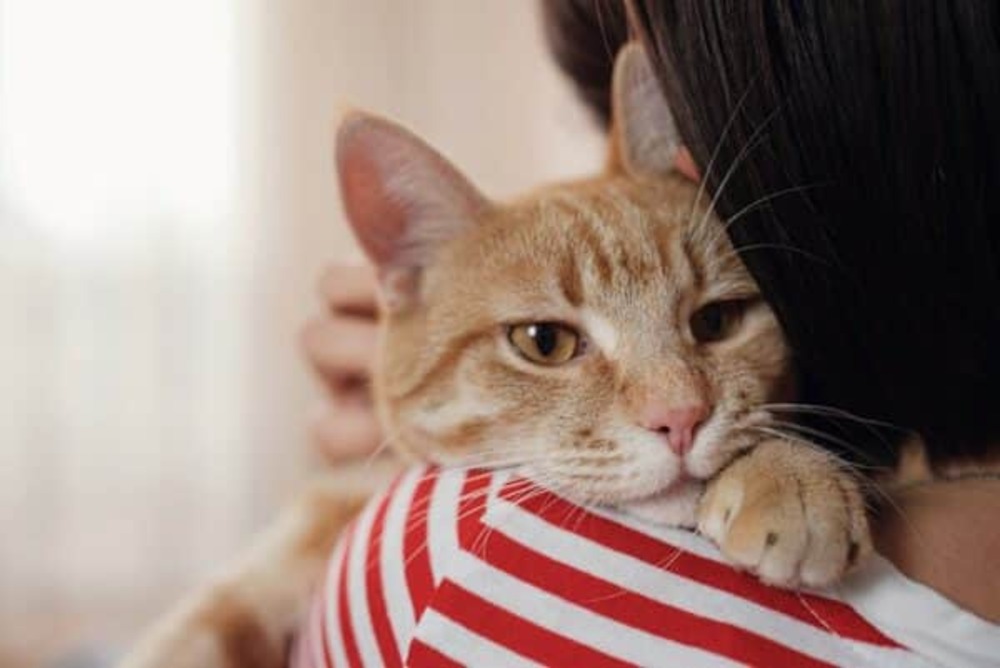
To interpret a cat’s feelings about hugs, it’s essential to pay attention to their body language. Signs of discomfort or stress may include ears flattened against the head, tail twitching or thrashing, attempts to wriggle free, or a tense body posture.

On the other hand, a relaxed cat may purr, blink slowly, roll over on their backs and show their bellies, and nuzzle or head-butt you gently. Learning to read your cat’s body language will help you determine their preferences for physical affection.

divider 1 paws

Can My Cat Learn to Like Hugs?

If you have an adult cat who is averse to hugs and similar physical closeness, unfortunately, there’s no guarantee you will be able to change that. Some cats are wired to feel anywhere from uncomfortable to threatened when even their most trusted humans wrap them up in physical closeness. However, you can start desensitizing your cat through positive reinforcement techniques and teach them to allow you to hug them. Whether they sincerely learn to enjoy it is another story. Some will, but others might continue tolerating it only for the treat, and still others will simply pass. Whatever your cat prefers, it is important to respect, love and accept them for who they are.

If you anticipate you’ll want to give your cats lots of cuddles and hugs, your best bet is to adopt a kitten. If physical closeness is a part of their life from their earliest days, they will likely be used to it and even enjoy it as adult cats.

You could also choose a breed of cat known for being more amenable to hugs from their humans. Sphynx, Ragdolls, and Scottish Folds are three breeds that are famous for wanting lots of affection and snuggles.

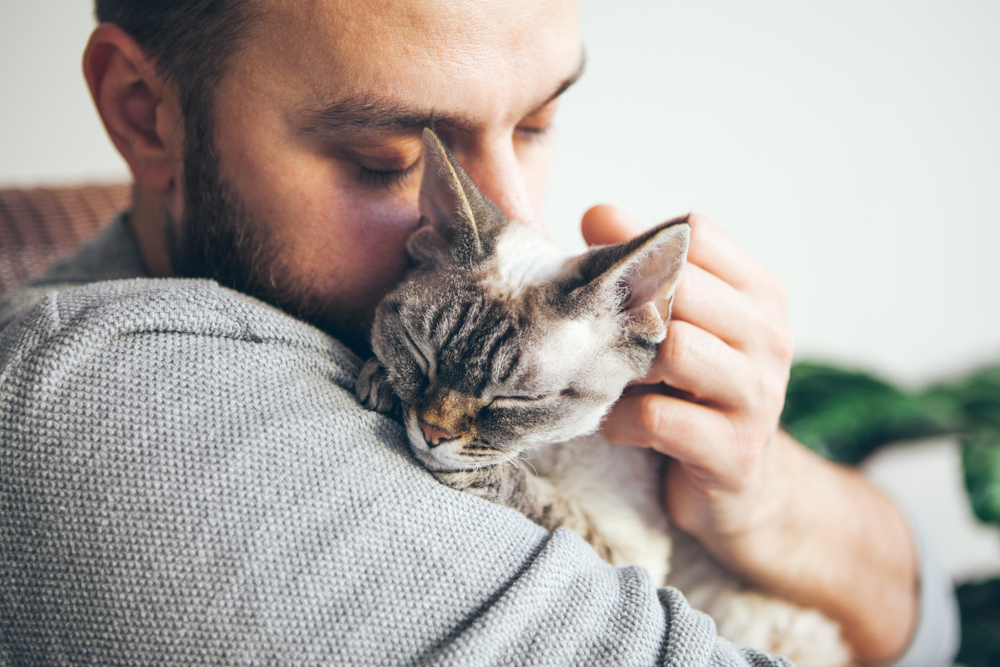
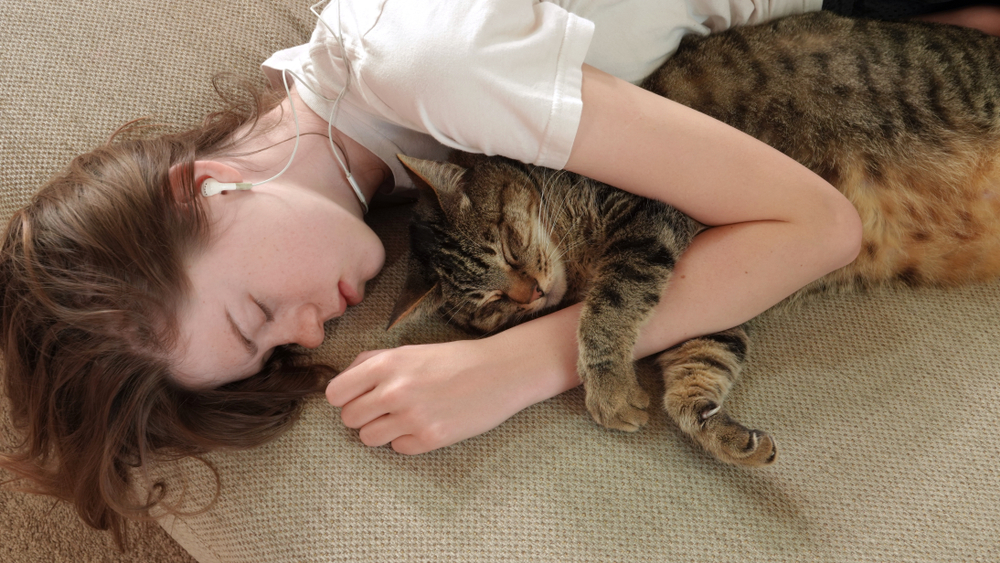
young woman hugging her cat
Image Credit: Africa Studio, Shutterstock

divider 3 paws

How Can I Show Affection to My Cat?

  • Respect their personal space. Allow your cat to approach you for interaction, respecting their boundaries and personal space. Cats often feel more comfortable initiating contact on their terms.
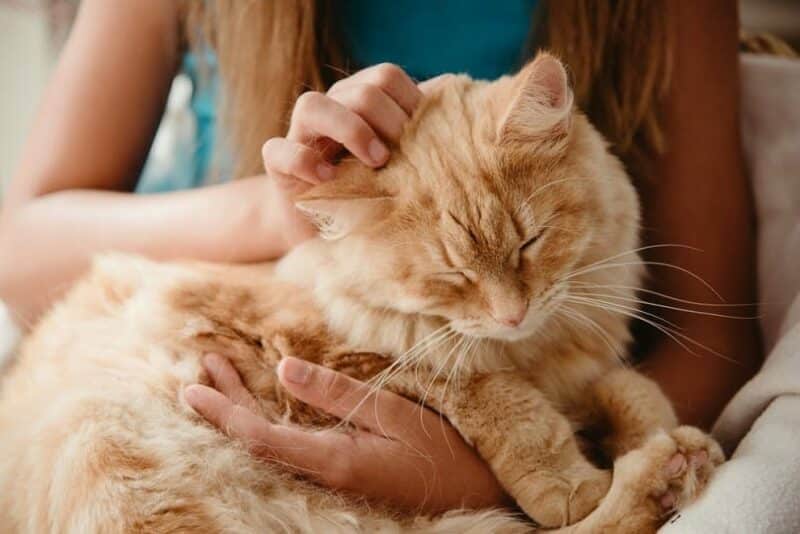
  • Be calm and gentle. Most cats enjoy gentle petting, especially in their favorite spots like behind the ears, under the chin, or along the back. Use slow, gentle strokes to help your cat relax.
  • Play with your cat. Engage your cat in interactive play sessions using toys like feather wands or laser pointers. This mimics hunting behavior and provides mental and physical stimulation.
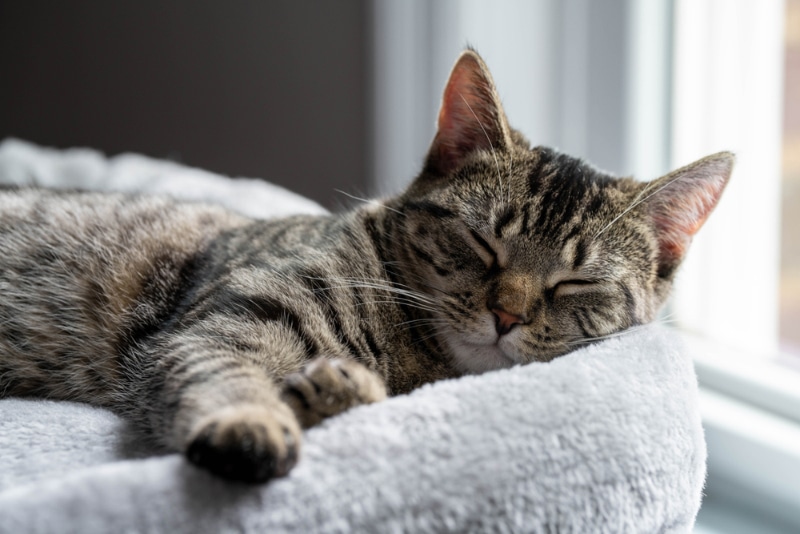
  • Give your cat space to be alone. Create cozy spaces for your cat with soft beds, blankets, or cat trees where they can relax and feel secure.
  • Be observant. Pay attention to your cat’s reactions during any interaction. If they seem uncomfortable, it’s best to back off and give them space.

divider 2 cats

Conclusion

While cats have unique preferences when it comes to affection, understanding and respecting their individual needs is crucial for a happy and healthy relationship. While some cats may tolerate or enjoy hugs, many felines appreciate alternative forms of affection. Observing your cat’s body language and providing them with the right kind of love and attention will strengthen the bond between you and your feline buddy.


Featured Image Credit: Pressmaster, Shutterstock

Want content like this delivered to you?

Sign Up For Our Newsletter

News, insights, expert advice, and everything cat

* By submitting, you agree to our Terms & Conditions and Privacy & Cookies Policy.


How useful was this post?

Click on a star to rate (you can leave written feedback after clicking submit)

Help us improve Catster for pet parents!

Your feedback really matters.

What did you like about this post? Also how can we improve it?

Join the conversation

Leave a Reply

You’re very welcome to leave a comment or question. Please know that all comments must meet our community guidelines, and your email address will NOT be published. Let’s have a positive and constructive conversation.


Talk With A Vet Online

Peace of mind,
anywhere, anytime

Affordable vet advice

The 5 Things Cats Are Communicating With a Paw to the Face

Cats have a reputation for being aloof, which makes it all the more puzzling when they reach out and deliberately place a paw...

Ask Dr. Paola – Help! My Momma Cat Is Very Thin! (May 18, 2026)

Welcome to our “Ask Dr. Paola” series, where every Monday we bring expert advice straight from Dr. Paola Cuevas (MVZ) to help our...

The Cat Biting Mistakes Most Owners Make (And What Works Instead)

Cat bites sent more than 400,000 people to emergency rooms in the US each year.1 Not scratches. Bites. And the reason they’re so...

Do Cats Cause Schizophrenia? Scientists Find a Link – Here’s What It Means

Being a fierce advocate (and occasional recipient of) mental health support and awareness, the term ‘crazy’ is not one I like to fling...

More related

Why Is My Cat’s Nose Dripping When Purring? 3 Vet-Reviewed Reasons & FAQ

Have you ever been quietly petting a purring cat, only for them to stick a wet nose in your hand? The first time...

Are Dahlias Poisonous to Cats? Vet-Reviewed Houseplants Examined

Dahlias are perennials that bring a splash of color to late-summer gardens. The flower blooms from mid-July until the first frost in most...

How Many Cats Can You Own in New York? What the Law States in 2026

Cats are incredibly popular pets. In New York City alone, it’s estimated that there are about 500,000 pet cats1. But if you’ve been...

18 Small Cat Breeds That Stay Small & Kitten-Like (With Info & Pictures)

Many people love the charm and playfulness of kittens. However, their size and personality change significantly as kittens grow into adulthood. So, if...

Keep reading

How to Introduce Cats in a Small Studio Apartment (5 Great Tips)

Living in a studio apartment with one cat can be a challenge, but trying to introduce a new cat to the mix can lead to some serious problems. While having a cat when you live by yourself or even with...

cat disturbs a woman doing yoga inside the apartment

Why Do Cats Follow Strangers? 7 Possible Vet-Reviewed Reasons

Cats are mysterious creatures, and sometimes their behavior is hard to understand. One behavior that often baffles pedestrians is being followed. However, it makes more sense if you look at the reasons why a cat would follow you and decide...

Cat following a person walking

How to Calm a Stressed Cat After Moving: 17 Vet-Verified Tips

Did you know that moving is considered one of the most stressful life events humans can go through? It’s true, but it’s not just us that moving impacts. Our pets can be extremely stressed out by the entire process, and...

woman-petting-her-cat

Birman Cat Health Problems: 14 Common Issues

If you’re a Birman parent—lucky you! These gorgeous purr-machines always win hearts with their beauty and affectionate natures. Cat parenting does come with many worries, though—especially if your furbaby gets ill or you’re concerned about congenital illnesses. In this post,...

Catster_Health Problems of Birman Cats

How Much Does Cat Asthma Treatment Cost? 2026 Update

Just like people, cats can suffer from asthma. This is a narrowing of the airways and swelling of the lungs, making it difficult for cats to breathe. While many vets aren’t sure what causes asthma in cats, it’s thought to...

cat cough

Can Cats Eat Raw Chicken? Vet-Reviewed Facts & Recommendations

There’s quite a bit of controversy today concerning whether or not cats should eat raw meat. In the wild, cats of old would capture their prey and eat them on the spot. What about after thousands of years of domestication?...

Can Cats Eat Raw Chicken

Do Persian Cats Shed? Vet-Verified Facts & Grooming Tips

If you have had your eye on the beautiful Persian cat, you may wonder a little about the grooming. After all, one of the best qualities about this cat is their long, lustrous fur. With coats like that, they are...

Persian cat and a pile of cat hair

Can My Cat Breastfeed After Being Spayed? Vet-Verified Facts & FAQ

If you participate in a trap-neuter-return program for stray and feral female cats or you currently own a nursing cat, you may have thought about having her spayed. The process is crucial for stray and feral cats to prevent multiple...

Gray mother cat feeding kittens while taking a nap

Love Cats? So Do We! Join the Catster Community

Stay informed with expert pet care insights delivered straight to your inbox! Discover professional guidance on animal behavior, feeding tips, trusted product picks, and much more.


Sign up for the Catster Email Newsletter

Stay informed with expert pet care insights delivered straight to your inbox! Discover professional guidance on animal behavior, feeding tips, trusted product picks, and much more.