Do Cats Help With Anxiety & Depression? Benefits & Considerations
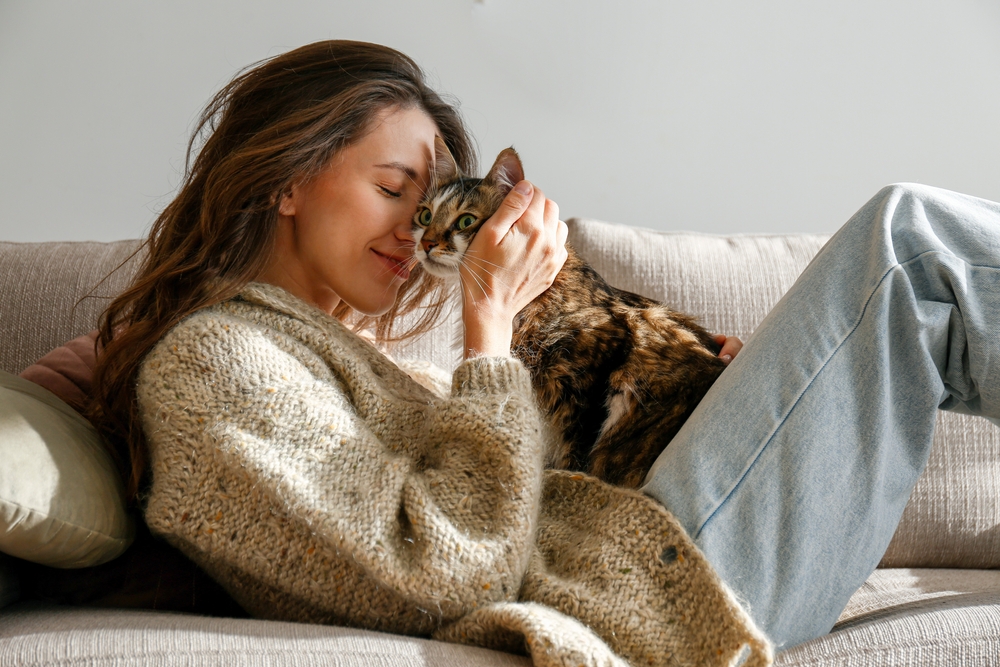
If you happen to have a cat roommate, you appreciate the companionship that you share with them from day to day. However, you might be surprised to know that your cat could be acting like your own personal therapist when it comes to managing your mindset and mood.
People wonder: Do cats help with depression? Do cats help with anxiety? Research shows that pet owners are often less depressed than non-pet owners and that pet ownership can offer various mental benefits as time goes on.1 So, yes, it’s thought that cats can help with anxiety and depression!

How a Cat Can Help Improve Mental Health
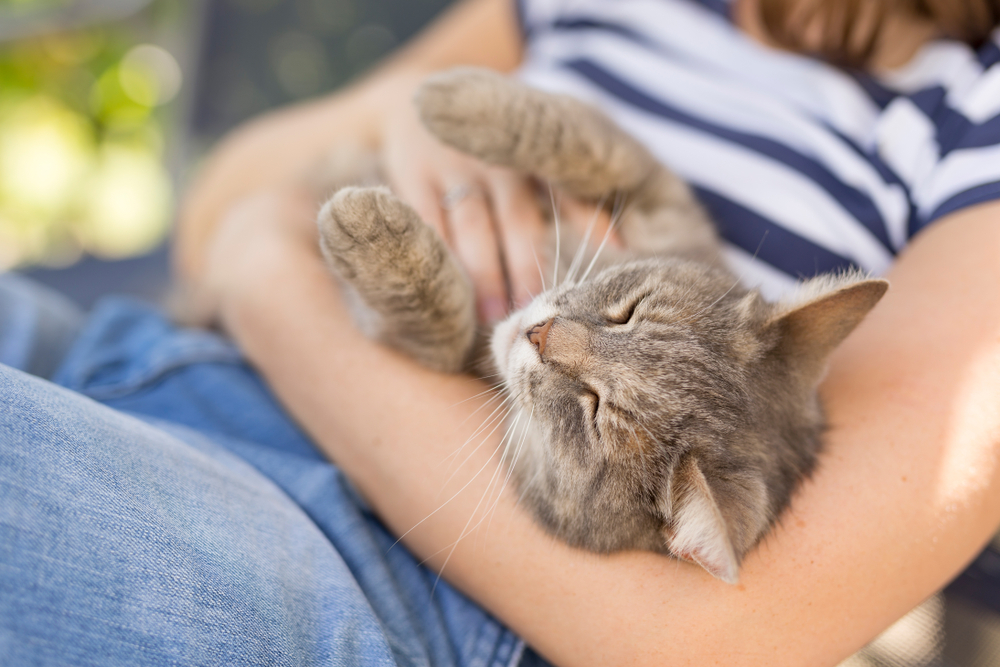
1. Plenty of Touch and Affection
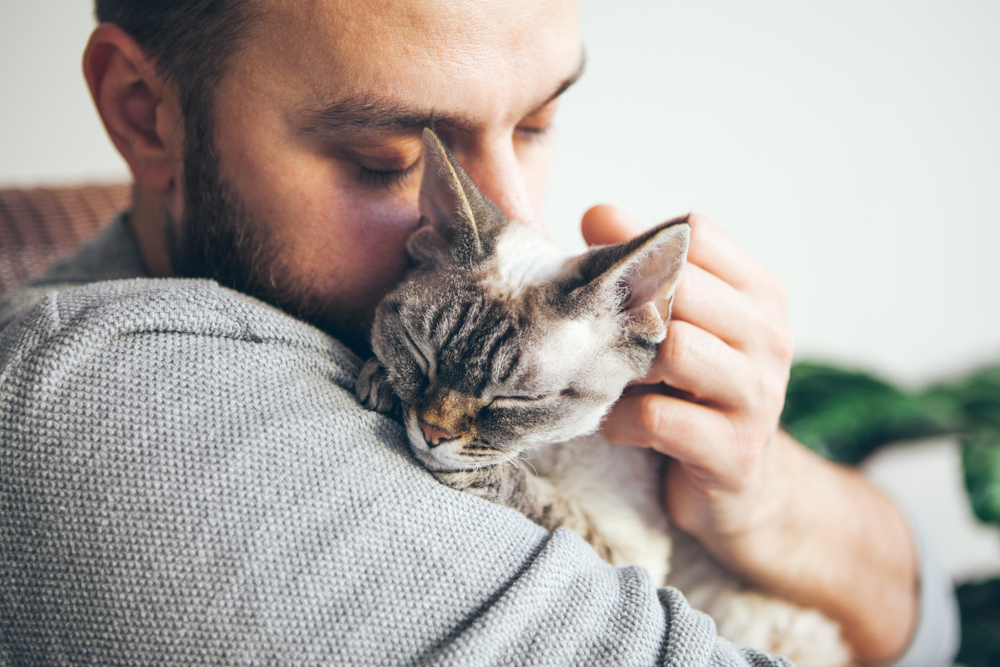
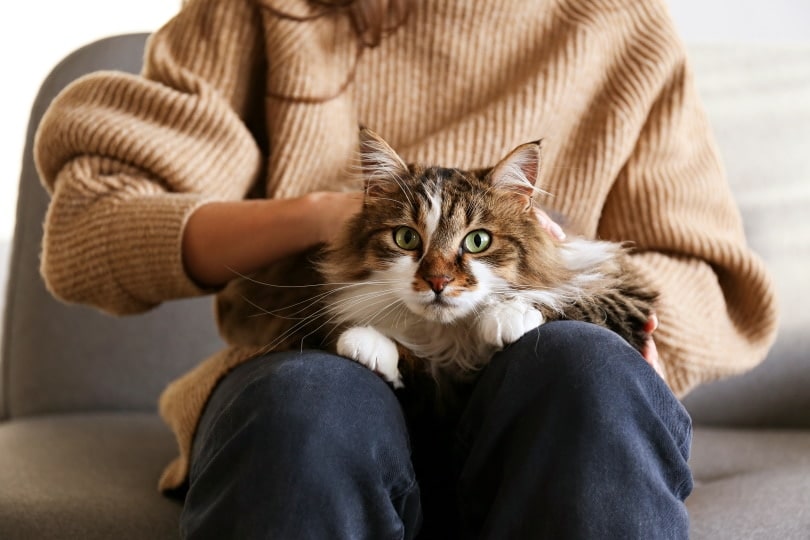
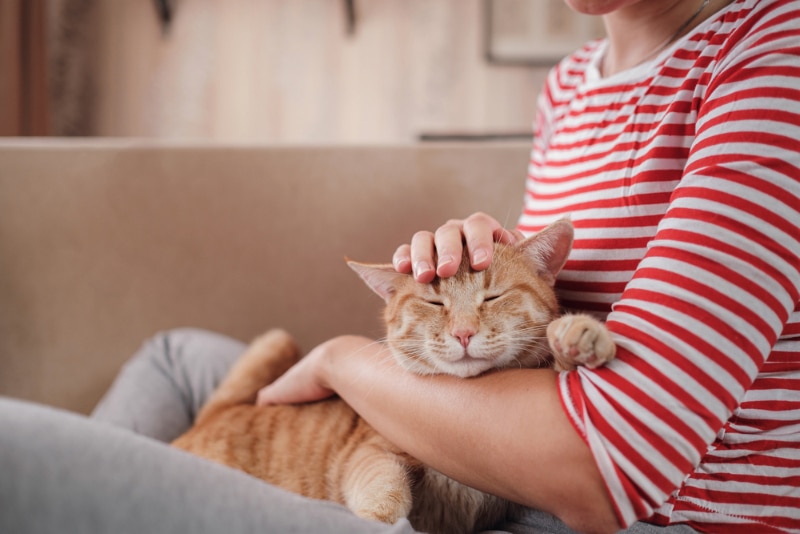
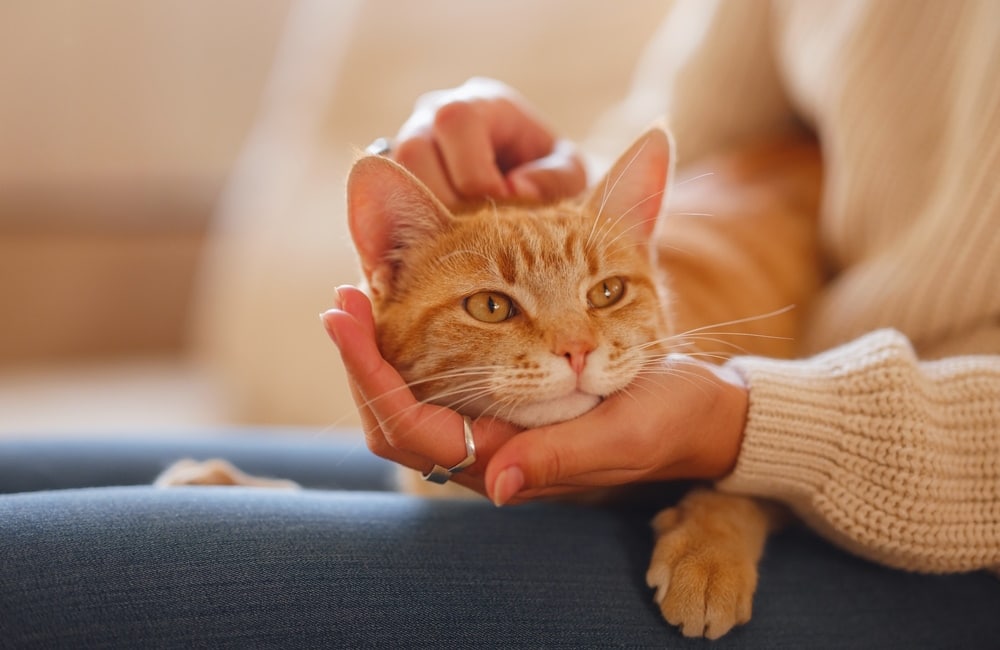
A cat that has bonded with you will want plenty of love and affection each day, likely preferring to snuggle up on your lap rather than be alone on a cold bed. However, individual cats vary greatly in how much physical interaction they enjoy, and some more independent or anxious cats may prefer to sit nearby or show affection in other ways rather than being held or cuddled. All the affection and physical touch that you experience with your cat can help calm your nerves and provide you with a sense of comfort and safety that helps reduce depression and anxiety levels.
Touch and affection are things that every human (and many animals!) needs to stay happy and healthy throughout their lives, so having the companionship of a cat can greatly improve mental health for those who live alone.

2. The Soothing Nature of Purring
Not only does purring let us know when a cat is happy and content, but the sound and vibration of the act can also help soothe us and make us feel calmer. You might notice that when your cat purrs on your lap or even just somewhere near you, you feel more relaxed and at peace.
Simply knowing that their cats are happy is enough to make most owners happier themselves, and purring is typically a sign of happiness in a feline. Next time your cat purrs on or near you, spend a few seconds monitoring your mindset and focusing on matching your kitty’s good energy for the best results.
3. An Unconditional Friend
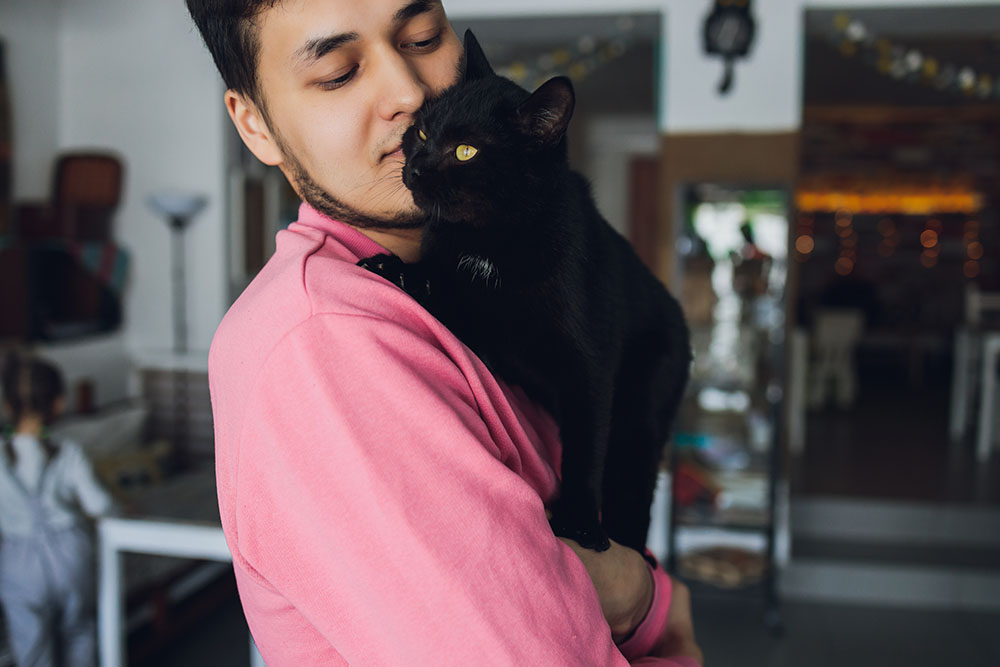
Another reason cats tend to provide depression and anxiety relief is that they serve as unconditional friends to their human companions. Once bonded with a human, a cat is loyal and often seeks routine and familiar interactions. Your cat doesn’t mind if you are in a bad mood in the morning, and they will be there to greet you when you get home from work or after a day of activity. Unconditional friendship with your feline can help establish a sense of security, which can help reduce stress levels as a result.

4. Less Loneliness
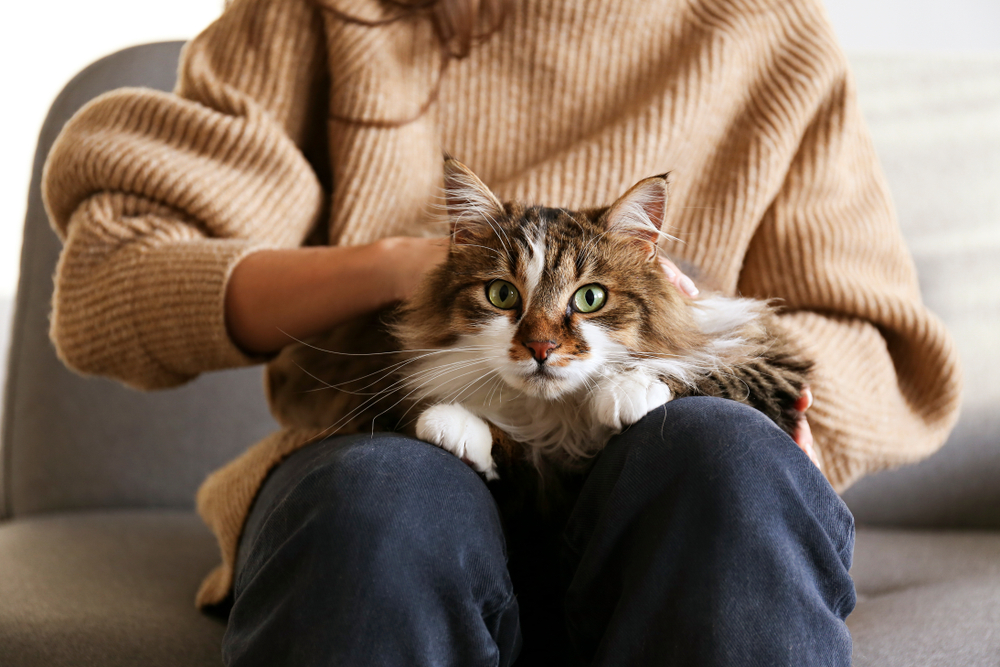
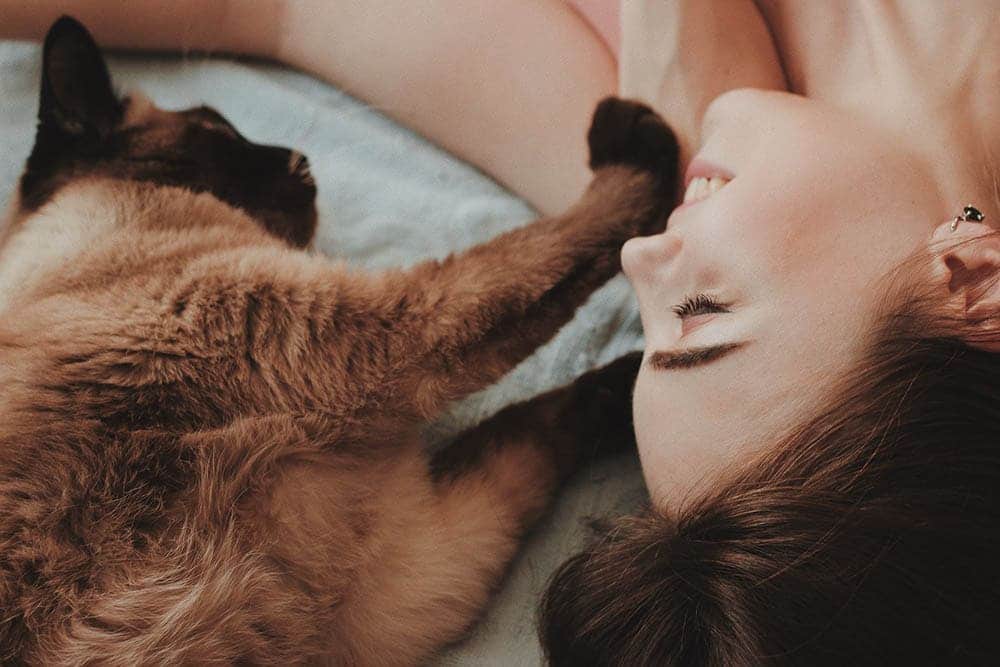
It can get lonely not just for those living alone but also for those with a family that is busy with their own lives and schedules. Having a cat around to hang out with can help ensure that you never feel lonely, no matter what your living circumstances happen to be. You will always have “someone” to talk to and share your thoughts and feelings with, even if your confidant will not provide you with verbal support. You will, however, be rewarded with a companion that never lets you feel like you are alone in the world. When you’re feeling less lonely, chances are that you will feel less anxious and/or depressed.
5. Plenty of Distractions
Another way that a cat can help relieve anxiety and/or depression is by acting as a distraction from all the troubles of everyday life. You don’t have time to think about work or school when you are busy chasing an electronic mouse around the house with your kitty. You can’t sit and stew as easily about things going wrong in life when you’re busy snuggling up with a purring cat while watching a comforting movie.
Cats are known for their wild shenanigans, though many cats also spend a large part of their day resting. Their playful or affectionate behaviors, when expressed, can provide healthy distractions to help ease any stress or anxiety that you’re experiencing.
Final Thoughts
Many people wonder: How do cats help with anxiety? How do cats help with depression? They can do so in several ways, including providing relief from stress and anxiety. However, they are not a complete fix to always rely on. If you are experiencing depression, anxiety, or severe stress, you should talk to a mental healthcare provider to learn about all the things that can be done to alleviate your discomfort, in addition to spending plenty of time with your cat.
See also:
Featured Image Credit: evrymmnt, Shutterstock

Expert cat care, straight to your inbox
Vet-reviewed advice, behavior tips, and the best of Catster. Free, and you can unsubscribe anytime.
By signing up, you agree to our Terms & Conditions and Privacy & Cookies Policy.

Rachael has been a freelance writer since 2000, in which time she has had an opportunity to research and write about many different topics while working to master the art of fusing high-quality content with effective content marketing strategies. She is an artist at heart and loves to read, paint, and make jewelry in her spare time. As a vegan, Rachael is obsessed with helping animals in need both in her community and anywhere in the world where she feels she can make a difference. Animals also happen to be her favorite topic to write about! She lives off the grid in Hawaii with her husband, her garden, and her rescue animals including 5 dogs, a cat, a goat, and dozens of chickens.
Join the conversation
Ask a question, share your story, or send private feedback.