When Is Shedding Season For Cats? 6 Vet-Approved Tips to Survive It


In this article
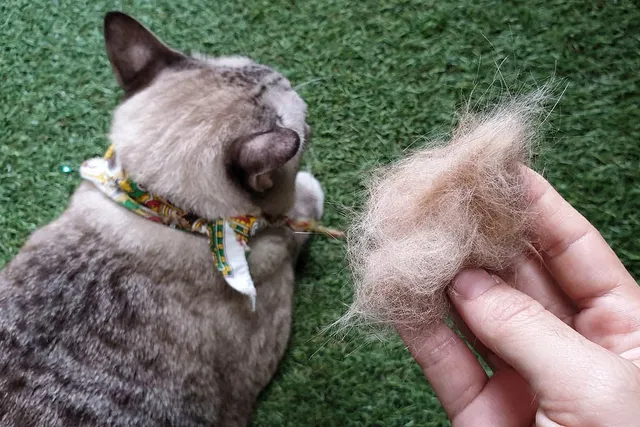
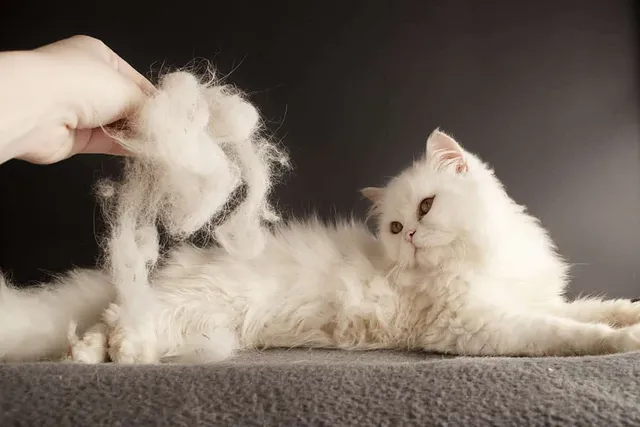
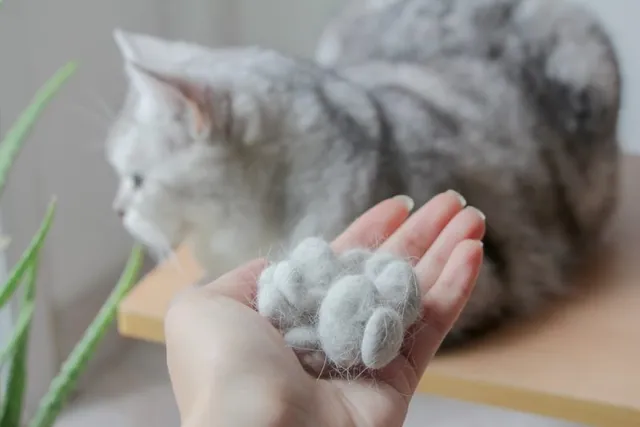
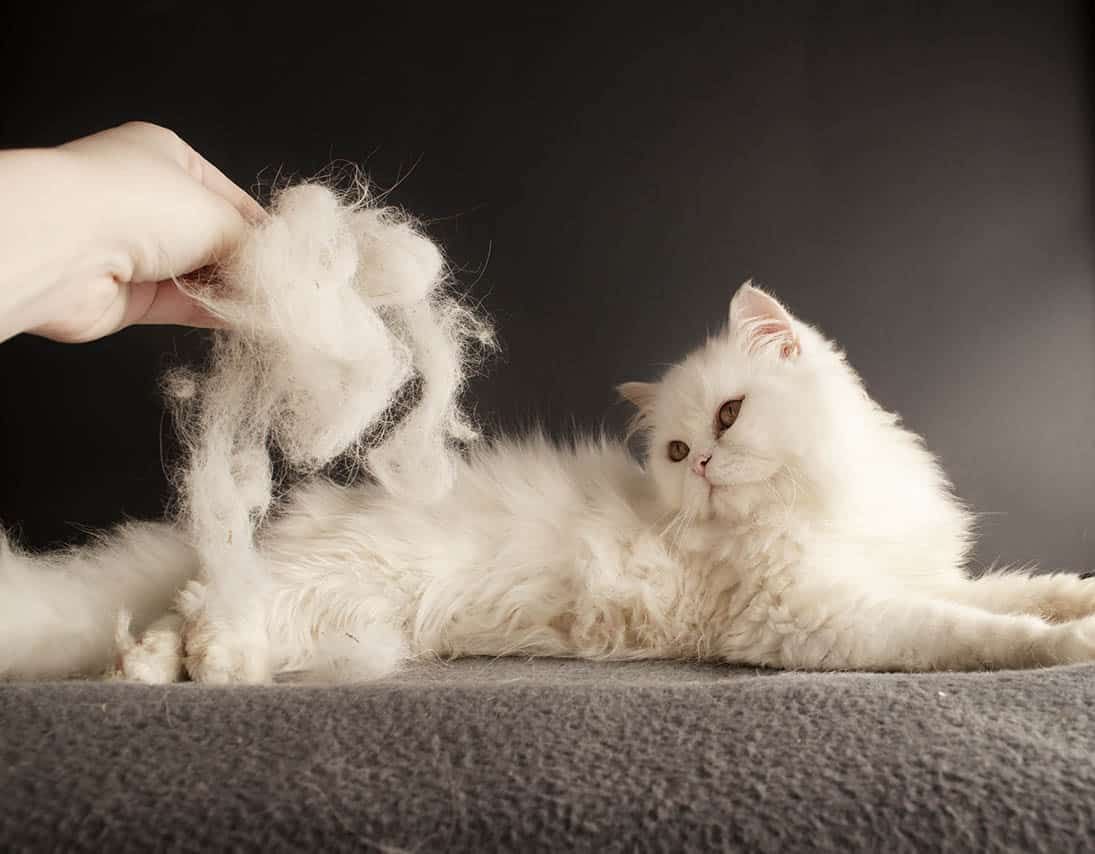
When shedding season comes around, it can be a very taxing time for cat owners. This might be particularly true if you have a long-haired breed that tends to shed a lot.
Although cats can shed year-round, the typical shedding seasons are early spring and early fall.
Luckily, there are easy, simple everyday ways that you can reduce the amount of loose fur in your home and control how much gets onto your fabrics and belongings. In this article, we aim to discuss six simple ways you can improve your living space during the season.

When Seasons Change
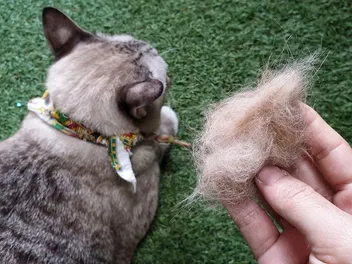
Cats tend to start losing their fur when the seasons begin to change. This usually happens in the early spring and the beginning of fall. During early spring, they will begin to lose the heavy winter coat they have put on.
In the fall, they will start to grow a new, thicker, and more insulated coat. You might find that if your cat is both indoors and outdoors, they have a higher shed volume than a strictly indoor cat. This is ultimately to be expected and can't be eradicated unless they are kept indoors at all times.
Remember that any cat, regardless of where they spend most of their time, will shed continuously year-round. The only exception to this would be if you have a specialized breed, such as a Sphynx, that does not shed fur but still produces skin oils and dander.

Coat Type Matters
Coat type really matters. For example, if you have a heavy-coated cat, such as a Maine Coon or domestic longhair, they might walk up and shed much more than their short-haired cousins.
Even if the volume isn't necessarily more, the length of hair alone can make the display of shed throughout the home look twice as much. Most short-haired cats shed about the same, but a lot of different factors can influence overall shedding, such as proper diet and potential allergies.
These situations will be on a case-by-case basis and are not influenced by the changing of the seasons, per se.
The 6 Ways to Manage Cat Shedding Season:
Managing shedding in the home is pretty simple for most people, and some of these are things you may have already thought of. In combination, you can really conquer a seasonal shed, making it less of a headache for you.
1. Brush Daily
You shouldn't skip days. Give your cat a full brushing session every day. If they cuddle up with you on the couch in the evenings, get out the brush instead of petting them and calm them down.
Most cats enjoy being brushed, though some will have to get acclimated. If you haven't already started getting your cat used to brushing, now is the time. It's always best to acclimate them early on, so brushing doesn't scare them or make them uncomfortable.
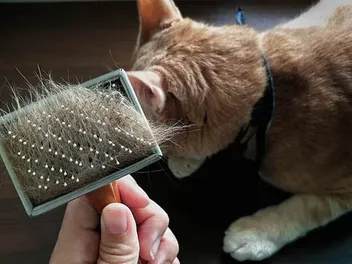
You can use any brush you like, essentially. However, a slicker brush captures shed by using tilted bristles that rake the undercoat and collect all the loose fur. Deshedding tools are also great to have on hand, but are not meant for everyday use.
De-shedding tools are best for intermittent grooming sessions. They’re designed to reach into the undercoat and pull out loose, dead hairs that a regular brush may miss. They can be very effective during heavy shedding, but overuse or too much pressure may cause skin irritation.
Unfortunately, synthetic or animal hair bristle brushes and combs don't work very well for shedding. These types of brushes are designed to distribute the oils evenly through the skin and keep the coat looking fresh and tidy. You can always finish off with a nice bristle brush, but it shouldn't be your first action if you're trying to reduce shedding.
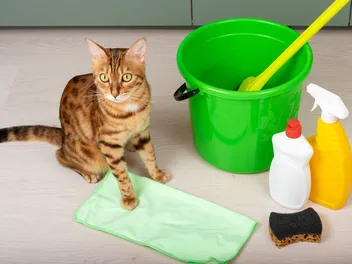
2. Vacuum Daily
Your vacuum cleaner will be your best friend. If you don’t have a handheld vacuum, we highly recommend one that is specifically designed for pets.
On top of your regular vacuum being able to get all of the shed off of your floors and carpets, handheld vacuums can help you get to harder-to-reach areas, such as the creases of couches, fabrics, beds, and other pieces of furniture.
You will need to vacuum daily without skipping. Even if you miss one day during shedding season, it can really leave a mess wherever your cat lies. If it bothers you, you want to ensure you get the most problematic areas first.

3. Keep Up with Laundry
Don't skip out on laundry. Laundry is essential at this time, especially your cat's items. If they have a particular blanket, bed, or other piece of fabric that they lie on often, you want to keep up with washing these items.
This will help remove shed from the fabrics to avoid buildup. If you let your cat's bed and other belongings get covered in the shed, it can also increase the probability of dirt and debris building up.
4. Use a Lint Roller
Never underestimate the power of a good lint roller. You likely already have one on hand for your favorite pair of black leggings, since you can’t leave the house without finding a few cat hairs on you anyway.
Have a couple of extra lint rollers around to give yourself one extra brush-off before you head out the door in the morning or to brush off your furniture or blankets. Lint rollers are generally very inexpensive and invaluable to most pet owners.
You can use this as a quick fix between vacuuming sessions if you are just trying to remove excess fur from an object quickly.

5. Limit Your Cat’s Access
No, we don't mean to isolate your cat while they're shedding completely. That would be preposterous. However, you can reduce their access to certain areas of the home.
For example, if you or someone in your home suffers from mild cat allergies, it might really ramp up when your cat is shedding excessively. To reduce the exposure, you can prevent your cat from coming into certain areas.
For example, you spend a lot of time in your bedroom, where you sleep at night. Of course, that doesn't have to be permanent, but it can be a temporary solution to eliminate the risk of loose fur all throughout your bedroom.
6. Opt for an Outdoor Cat Sanctuary
Have you ever thought about letting your cat take hold of their wild roots? Many people would love to have their cats be able to explore the great outdoors, but fear the repercussions of doing so. It is a risky world out there.
Not only can your cat get hit by cars, abducted, abused, attacked by a wild animal, and a laundry list of other, potentially dangerous fates, but there’s another side. Cats are responsible for a tremendous amount of bird deaths every year, as well as killing many other outdoor varmints.
While you might like a good mouser, eating a mouse that has had any kind of poison can make your cat very sick and even kill them. To eliminate these risks, you can always get creative and build your own outdoor cat sanctuary. Your cat can enjoy being out in the elements without having the freedom to roam around. There are tons of DIY projects you can try yourself online.
You can also buy pre-made designs both in-store and online. You're giving your cat a little bit of room to feel like they're roaming wild while preventing a lot of that shed from getting into your home. It's beneficial for various reasons, but it's completely up to the pet parent. For example, if you live in a small apartment complex, that is probably not going to be an option for you.

Final Thoughts
Dealing with a seasonal shed problem can certainly be annoying, but it's manageable. Even though you probably feel like you can barely make it through the season yourself without ripping your own hair out, keep in mind that with a couple of daily upkeep practices, you can get through these next few weeks.
Shedding is simply a natural part of owning a cat. If you are definitely against shedding, you can always veer away from buying cats with hair and up for a Sphynx or Bambino. But keep in mind, they come with their own set of special skin-care and grooming needs since they still produce oils. In any case, happy fur collecting!
Featured Image Credit: DreamBig, Shutterstock
Expert cat care, straight to your inbox
News, insights, and useful advice, delivered to you.

No spam — unsubscribe anytime.
By signing up, you agree to our Terms & Conditions and Privacy & Cookies Policy.
How useful was this post?
Click a star to rate. You can leave written feedback afterwards. (We read all feedback.)
As a freelance dog writer and passionate pet enthusiast, Ashley Bates is pursuing studies in animal therapy. A mother to four human children and 23 animal companions, Ashley is dedicated to volunteering at shelters, advocating for animal rights, and rescuing animals in need. Her goal is to spread awareness, provide education, and offer entertainment about pets to reduce homelessness. Ashley's specialties include dogs and cats.