Should You Let Your Cats Eat At The Dinner Table? 12 Vet Reviewed Pros & Cons


In this article
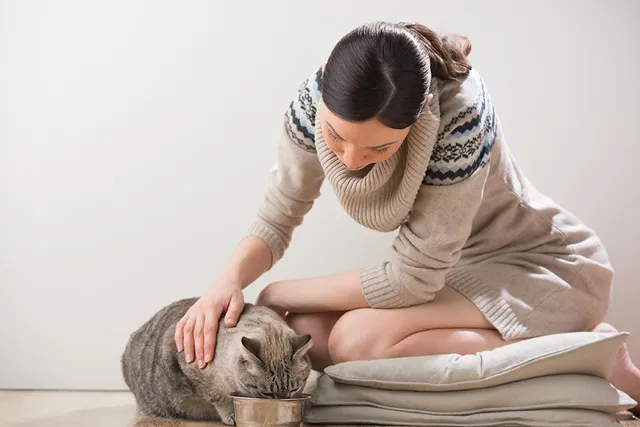
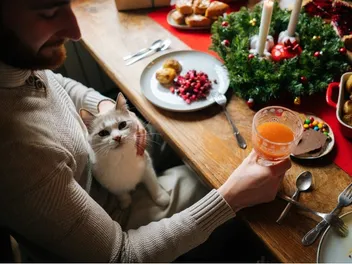
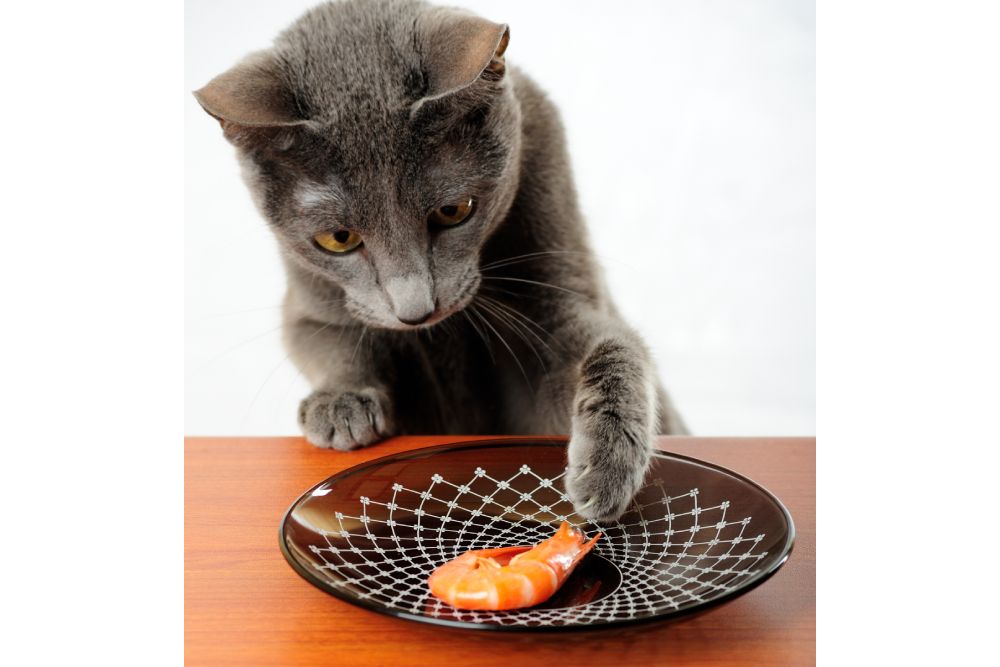
Although most cat owners keep their pets’ food and water bowls on the kitchen floor, some serve their cats at the dinner table. Is it okay to feed your cat at the same table you consume meals? It’s a topic that might seem trivial to some, but for cat owners, it’s a valid question. If you’ve found yourself asking the same question, keep reading while we list several pros and cons of serving cats at the dinner table. We’ll also answer several other common questions.

Pros of Cats at the Table
1. Building Bonds
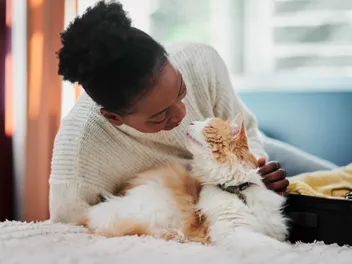
One of the biggest advantages of letting your cats eat at the table is the bonding experience. By including your pet in family activities, like sharing mealtimes, you can strengthen the emotional connection between you and your cat.

2. Observing Manners and Behaviors
Cats have unique personalities, and observing them at the dinner table can be both entertaining and educational. You get to see their manners up close and learn things about your pets you might not otherwise be able to.
3. Health Monitoring
Feeding your cat at the table allows you to monitor their eating habits closely, enabling you to quickly see any changes in appetite or food preferences, which may be early signs of health issues.
4. Stress Relief
Having your cat by your side is soothing. Sharing mealtimes can be a stress-relieving experience that provides a sense of comfort and relaxation only a pet can offer, especially during difficult times.

5. Encouraging Routine
Cats thrive on routine, and by including them in regular mealtimes, you help establish one that can be beneficial for their mental well-being. It creates a sense of predictability and security for your cat, and not needing to worry about food can be a significant stress reducer.
6. Entertainment Value
Cats can be quite entertaining, and having them at the dinner table can bring a smile to everyone’s face, making dinner time more enjoyable and light-hearted.
Cons of Cats at the Dinner Table
7. Hygiene Concerns
The most obvious downside to having your cat at the table is hygiene. Cats walk everywhere, including their litter box, and allowing them on the table can spread bacteria. Many of the infections that people get from cats are acquired by ingesting the microorganisms, so this is of particular concern at the dinner table. It’s important to consider the potential health risks, especially if you have young children or people with health issues in your home.

8. Behavioral Issues
Feeding cats at the dinner table can lead to bad behavior, like taking food from plates, stealing food, counter-surfing, or aggressive behavior if something is in the way of the food they want.
9. Dietary Considerations
Human food is not always suitable for cats, and many common ingredients are harmful to them. Consistently feeding them from the table can lead to nutritional imbalances or health issues like obesity or digestive problems, if not an emergency trip to the vet.
10. Disruptive Behavior
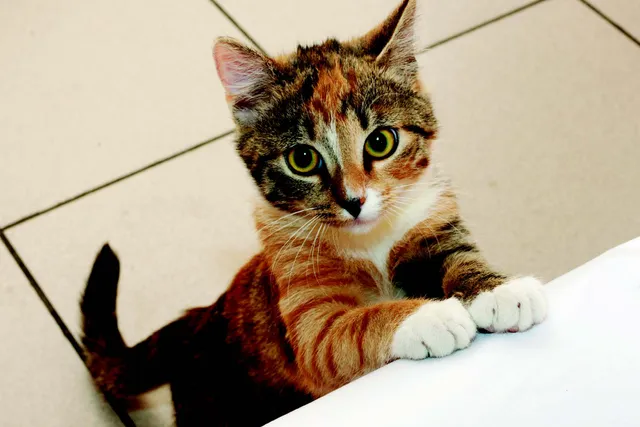
Cats might be playful or disruptive during meals. They could jump on the table, knock things over, or play with table decorations, which can be a nuisance, especially if you have friends over.

11. Allergen Spread
If you have people who suffer from cat allergies in your home, having the cat at the dinner table can make matters worse since everyone will be closer together. Allergens also tend to be more concentrated in feeding areas since they are present in saliva.
12. Picky Eating Habits
Feeding cats human food can lead to them becoming picky eaters. They might start to prefer table food over their own, which can be problematic since human food doesn’t meet all their nutritional needs and contains far too many carbohydrates for their carnivorous diet.

How Can I Let My Cat Sit At The Table
Training and Boundaries
If you decide to let your cats join mealtimes, it’s important to set boundaries. Train them to wait patiently for their food and not to take food from other plates. Doing so requires consistency and patience but can lead to a harmonious dining experience.
Special Occasions
You might consider allowing your cats at the table only on special occasions. That way, it becomes a treat rather than a habit.
Alternative Solutions
For those who prefer not to have their cats at the table but still want to include them, consider setting up a nearby feeding station to keep them close by but not directly on the table.

Frequently Asked Questions
Is It Safe For My Cat To Eat Human Food At The Table?
Some human foods are safe for cats in moderation, but many are not. Foods like onions, garlic, chocolate, and caffeine are toxic to cats, so it’s best to stick to cat-specific food as much as possible to ensure their health and safety.
What Are Some Healthy Table Foods I Can Occasionally Share With My Cat?
Cooked meats, like chicken and turkey without seasoning, plain rice, and some cooked vegetables, can be safe in small quantities. Always check with a vet before introducing new foods to your cat’s diet if you aren’t sure about their safety.
How Can I Stop My Cat From Jumping On The Table During Meals?
Consistent training and discouraging the behavior every time it happens are essential. Providing an alternative space for your cat during meal times can also help.
Summary
Having your cat enjoy mealtimes at the table with you has its share of pros and cons, and the ultimate decision will need to come down to you, your family, and your pets. In particular you should consider potential infection risks, especially if there are any high risk individuals eating at the table.
Some cats can enjoy an occasional meal at the table without getting carried away, and it can be a great way to spend time with them, while others may start to prefer your food over theirs, which can lead to health problems.
They might also try to get food off other plates. Setting up a food area for them near but separate from your regular eating area provides the best of both worlds. You get to spend time with them while keeping the area hygienic, and they focus on the proper food.
Sources
Featured Image Credit: Dmitry Vinogradov, Shutterstock

Expert cat care, straight to your inbox
Vet-reviewed advice, behavior tips, and the best of Catster. Free, and you can unsubscribe anytime.
By signing up, you agree to our Terms & Conditions and Privacy & Cookies Policy.
Ed Malaker is a veteran writer who has contributed to a wide range of blogs that cover tools, pets, guitars, fitness, and computer programming. When he’s not writing, Ed is usually performing DIY projects around the house or working in the garden. He’s also a musician and spends a lot of time helping people fix their guitars and composing music for independent films.
Join the conversation
Ask a question, share your story, or send private feedback.