Can Cats Be Ticklish? Vet-Verified Science & Info


Cats as pets have generally been unpredictable. They move around the house on their own will, they find ways to reach hard-to-reach places and always seem to land on their feet.
While versatile and unpredictable, they are also difficult to read when it comes to showing affection.
One day they may snuggle up on your lap and let you tickle their whiskers, another day they may swipe at you with their paws when you attempt to touch them in the same place. They'll let you touch certain areas while never letting you even attempt to touch others. But is this behavior because they do not enjoy the physical interaction, or are they just ticklish? As a short answer, cats may be ticklish and experience tickles. Now, let's find out the details.

The Ticklish Cat
Tickling hasn’t been extensively studied in many animals. However, as the mechanisms of feeling tickled involve a neurological framework that many species possess, it makes sense to look at the research on other species 1.
Studies on rats have shown that they are indeed ticklish and can be tickled and even trained to associate tickling as a positive stimulus 2. Other researchers have confirmed that animals, such as sharks and even cats, can be ticklish 3; cats were even observed soliciting tickling from their owners by rubbing their chins on their hand purposefully. Therefore, if you think that your cat is ticklish, you might not be entirely imagining it!


Ticklish Areas to Check
While these are common ticklish areas for cats, it is important to familiarize yourself with your cat’s preference of where they want to be tickled. There are many tickle spots for a cat, and it may take time to determine what areas your cat prefers. If a cat purrs, nudges, and does not pull away from you, then you may have found a tickle spot that your cat enjoys!
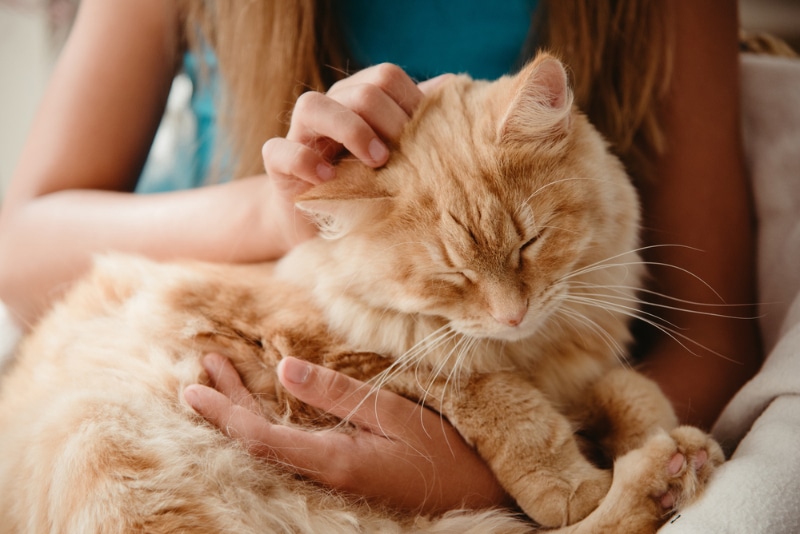
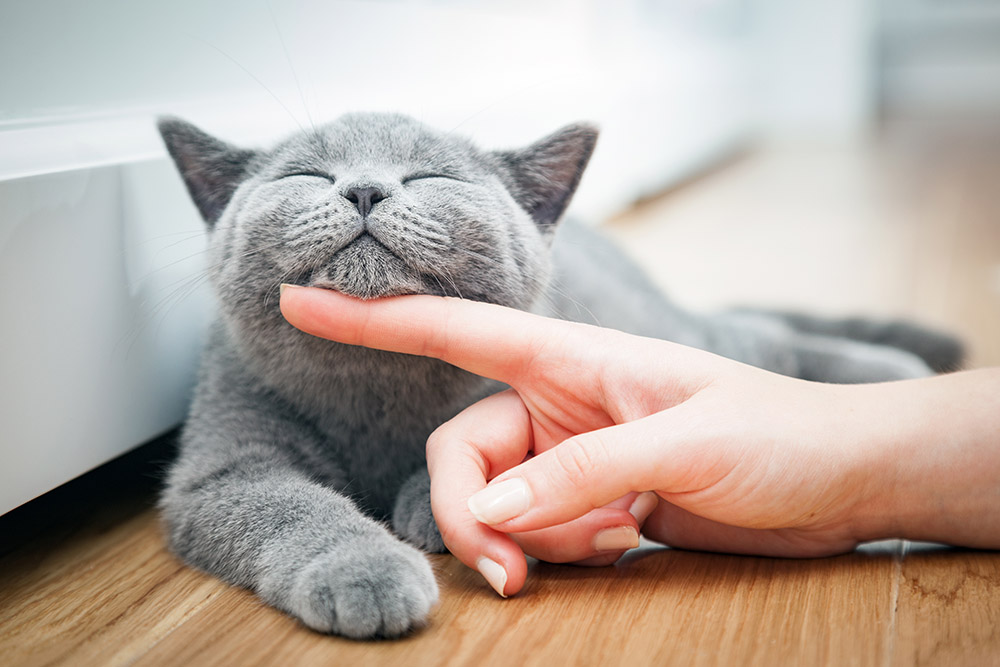
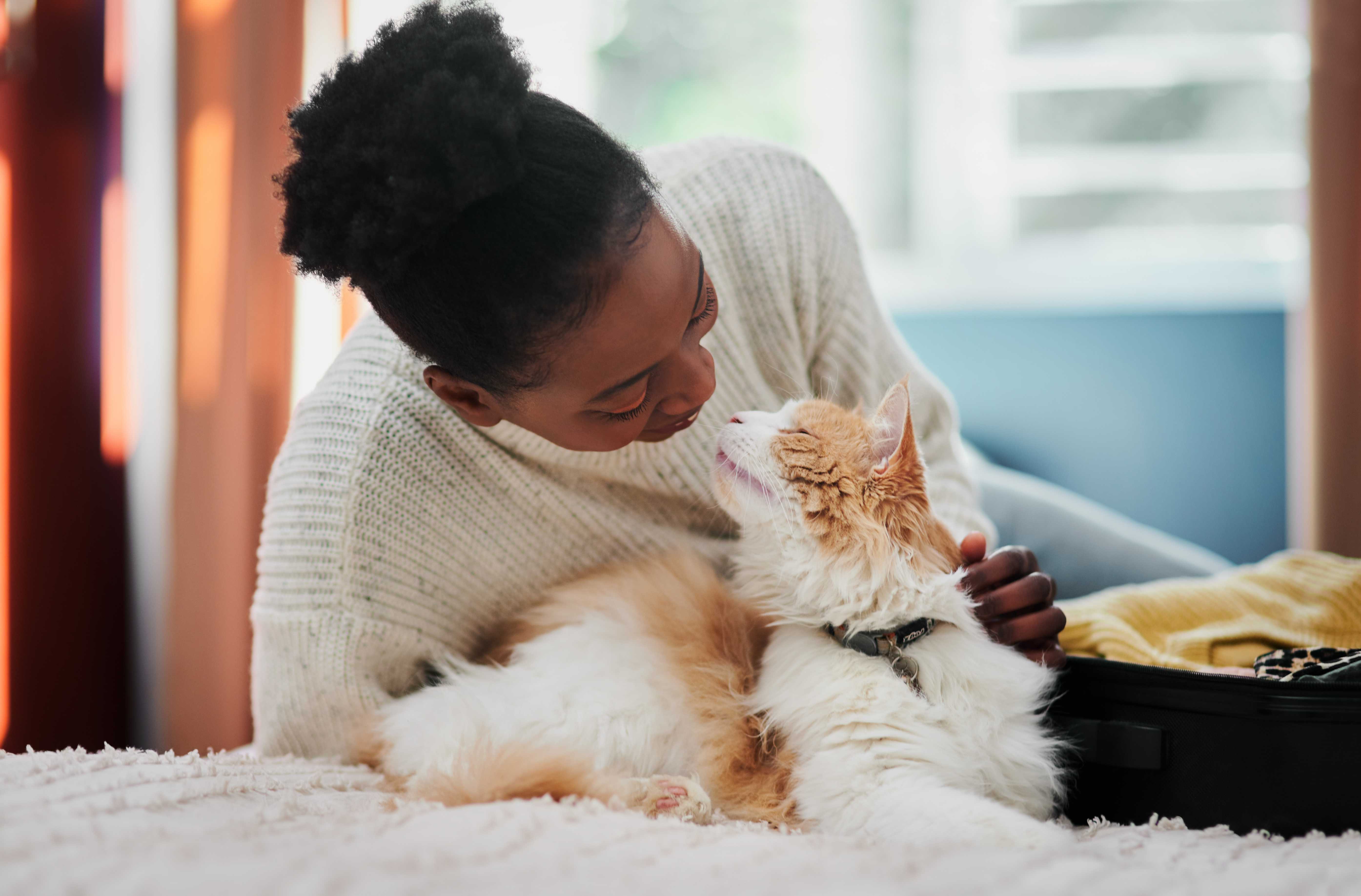
- Your Cat’s Head, Chin, Neck, and Ears - A cat’s head is a common spot for petting. If you find that your cat enjoys it, try moving on to their chin, their neck, or maybe behind their Give these areas some light stroking or petting and see if your cat moves their head toward you asking for more!
- Your Cat’s Back - A cat’s back is a very accessible part of their body. Some cats may or may not enjoy being touched on their backs. For this area, it is important to read your cat’s reaction when you attempt to gently brush their
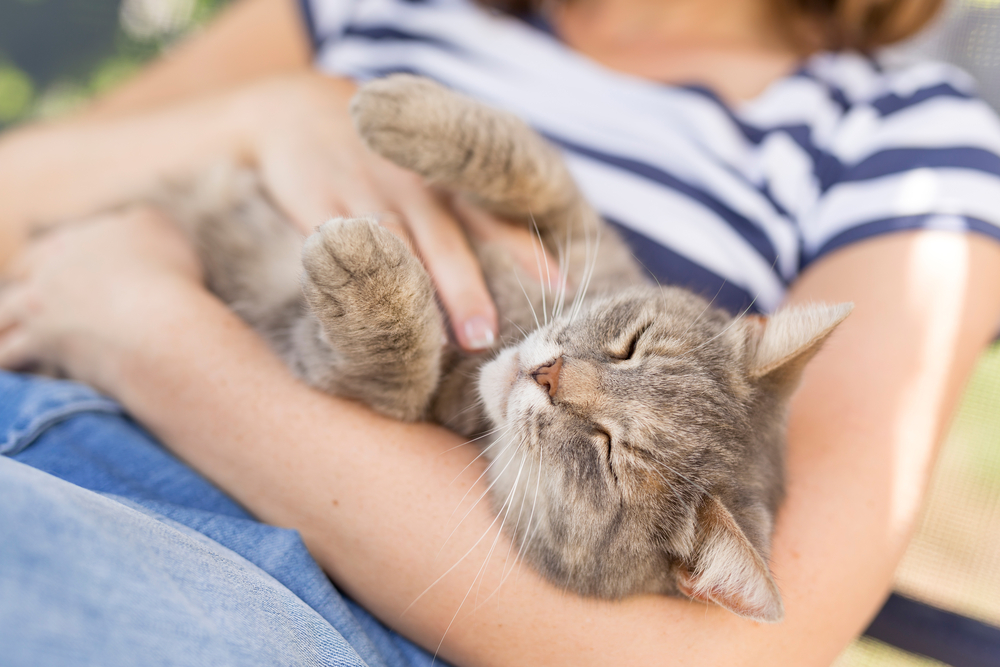
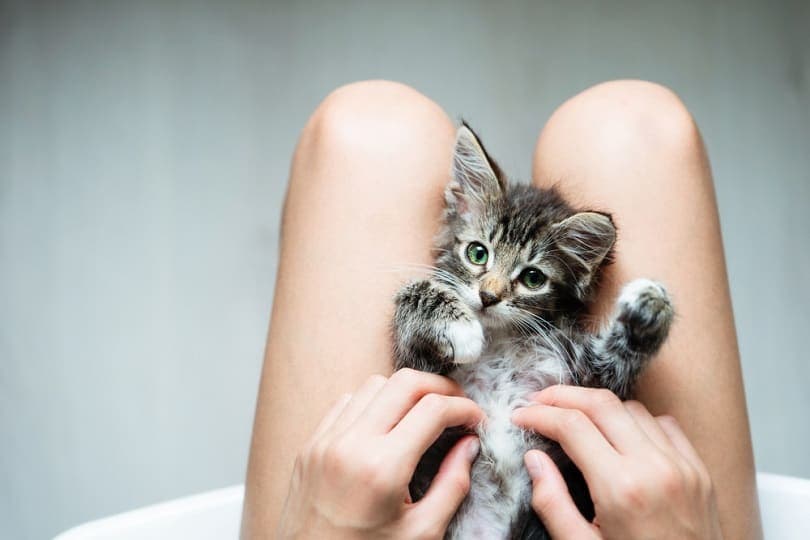
- Your Cat’s Underside - A cat’s underside may be tricky, as this consists of the chest and belly. Your cat may approach you with their head up and neck extended, giving you a chance to pet their chest. The belly, however, is a somewhat sensitive part for most cats. When a cat turns over and lies on their back, it does not necessarily mean they want you to pet their belly. Some cats enjoy belly rubs, but if a cat does not allow you to touch their belly, then it may be best not to even try.
Is My Cat Enjoying It?
Cats have their own personalities and may express their enjoyment and pleasure of the tickle in different ways. Your cat remaining relaxed with their tail gently moving back and forth is usually a good sign that they enjoy the physical interaction.
Most cats would also purr and nudge at you to continue. They can also rub themselves against you and reach out to you with their paws when you stop.
While looking for signs that your cat enjoys tickling, it is also important to find signs that your cat does not enjoy it. Subtle movements in your cat’s body language can show that they do not like it, such as continuous change in positions, as well as if your cat attempts to escape.
Other signs are not as subtle, such as explicit swiping with their paws or pinning their ears flat and hissing.

How Can I Tickle My Cat?
Cats, again, can be very unpredictable. Each cat is an individual and not all of them enjoy it. It is important to read your cat’s body language and behavior to see if you are receiving a green light to give them a few gentle strokes. If your cat does enjoy it, physical affection can help enhance your relationship with your cat.
When engaging your cat, it’s best to let the cat approach you. It’s not wise to make the first move as the cat may not be comfortable with physical engagement at that moment. Let your cat make the attempt and with proper timing, give the cat a few gentle strokes.
Different cats will have different preferences. When you familiarize yourself with the areas your cat enjoys tickling, remember to keep the contact brief (initially), and read your cat’s body language. Use light, gentle tickles rather than rapid and heavy movements.
Finally, stay relaxed. Keeping the atmosphere relaxed can help your cat feel comfortable with you.

Final Takeaway
Cats can experience ticking and may be ticklish. They have their own personalities, which is why it is important to treat them like individuals by finding each of their preferences. Brushing, petting, and tickling are good ways to express affection toward your cat but as a pet owner, it is also your responsibility to respect your cat’s personal boundaries.
See Also: Can a Cat Laugh? The Surprising Details!
Featured Image Credit: uzhursky, Shutterstock

Expert cat care, straight to your inbox
Vet-reviewed advice, behavior tips, and the best of Catster. Free, and you can unsubscribe anytime.
By signing up, you agree to our Terms & Conditions and Privacy & Cookies Policy.
Christian started writing for a local newspaper as a teenager, and he's been involved in the publishing industry for most of his adult life. Combining his love of writing with a passion for animals, he is currently the Director of Editorial at Pangolia and the Editor-in-Chief at Catster.
Christian lives in the Philippines with his wife, son, and four rescue cats: Trixie, Chloe, Sparky, and Chopper.
Join the conversation
Ask a question, share your story, or send private feedback.