Are Heat Lamps Safe for Cats? Vet-Verified Safety Facts, Tips & Alternatives


In this article
It's no secret that our cats gravitate toward warmth. Most cats love to nap in a cozy, snuggly spot, whether on your laptop, heater vent, or sunny windowsill. But what about heat lamps? We know they're great for reptiles and other ectotherms that rely on outside heat sources to keep them warm, but can they benefit cats?
The short answer is yes, heat lamps can be safe for cats. However, there are always risks, and an inappropriate setup can harm your feline. In this article, we'll discuss heat lamp safety so you can create the proper setup for your cat.

Heat Lamps Are Safe for Cats
Whether you have an outdoor cat that you'd like to keep warm or your cat just gave birth to a litter of kittens, putting a heat lamp up for an extra heat source can be an excellent decision.
However, although it is generally safe, it involves several risks, and there are precautions you need to take to ensure your cat’s safety when using a heat lamp. Here are a few suggestions for choosing an appropriate heat lamp and providing the correct setup. We suggest speaking with a vet before deciding it's right for your cat.
Tips to Maintain Your Cat's Safety
1. Make the Lamp Inaccessible
When you install the lamp, place it in a location your cat can't reach. It can be very dangerous for your cat to be too close to the heat lamp. Many heat lamps come with clamps and other attachment pieces, so you can appropriately mount them in a suitable spot. Ensure the heat lamp is secure and immovable to prevent fire hazards and safety risks.

2. Select Appropriate Wattage
Selecting the correct wattage is very important. It can be determined by where you're setting the heat lamp up and how much heat you want.
If you are indoors, you'll need a lot less wattage than if you were to set up an outdoor space in the cold.
3. Make Sure It Is Covered
Most heating lamps come with covers, but some of them do not. If the one that you have does not come with a cover, you will need to compensate for that. Safety is extremely important with heating lamps because they can cause burns and set your house on fire!

4. Always Turn It Off to Rest
Heat lamps produce a lot of heat and consume a lot of electricity. For that reason, it is crucial to monitor how much the heat lamp is being used. Remember to unplug it as necessary and ensure it has time to cool off.
5. Monitor the Area
Never leave the heat lamp on for long periods unattended. Always check to ensure nothing obstructs the output and monitor the heat. Having a temperature gauge nearby can be helpful to ensure it maintains temperature, too. Ensure the heat is away from paper, cardboard, bedding, or curtains.

Benefits of Heat Lamps for Cats
Heat lamps for cats can be beneficial in the right circumstances, and here are a few ways they can help.
Helps in Drafty Homes
Some homes are draftier than others. If you have a particularly drafty home, it can get quite chilly in the colder months. If your cat loves to sit next to the drafty areas but dislikes being cold, having a heat lamp nearby can provide an extra layer of warmth, preventing them from catching a chill.
Warms Up Window Spots in Winter Weather
It's no secret that our cats love window seats. However, sitting next to a window can get chilly in winter. A heat lamp above them while they still enjoy the views can create a much warmer and more inviting atmosphere.
Protects Outdoor Cats from the Elements
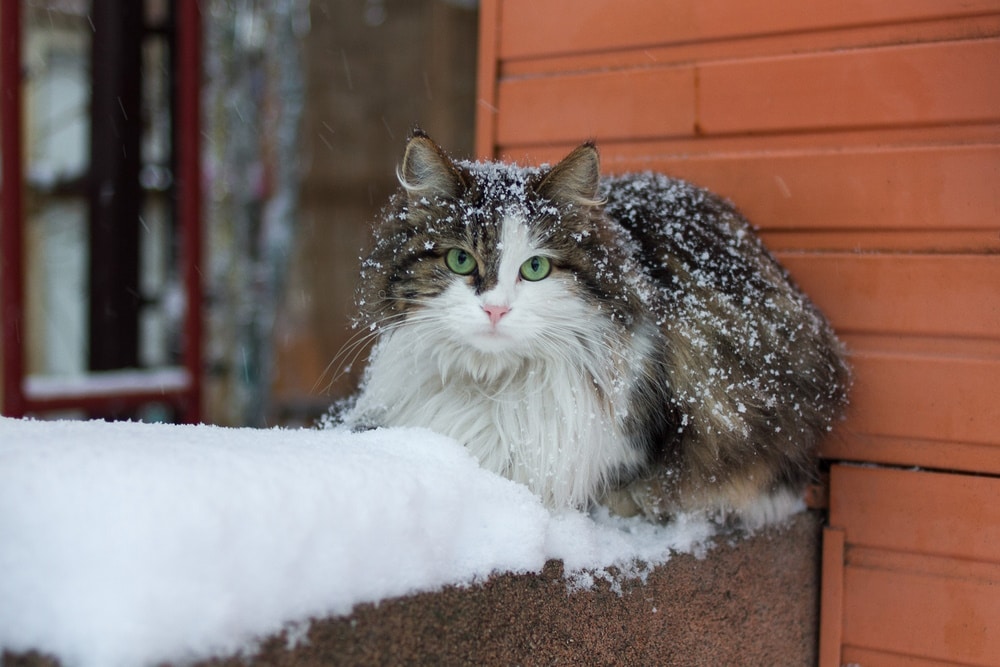
If your cat spends most of the winter outdoors, it can get extremely cold. If you live in an area where temperatures drop below freezing, making your cat a warm nesting spot where they can regulate their body temperature is crucial. Sometimes, a box of straw just won't cut it.

In What Circumstances Can You Use Heat Lamps for Cats?
You can use heating lamps for cats in several circumstances. However, there are special circumstances where cats might benefit a little extra from having a heat lamp around them.
Birthing Areas
If your cat just gave birth to a litter of kittens, providing an extra layer of warmth for when the mother cat is away is a good idea. This will keep the kittens warm and cozy, helping them maintain their body temperature (which is a challenge for them in the early days). However, maintaining the proper temperature is vital, as you won't want the kittens to overheat.
Use your judgment and do your research to ensure they get the appropriate amount of heat per your setup. Always have a thermometer near the nest to ensure you are providing them with the right amount of heat. An accessible area away from the heat lamp is important so that the kittens and mother can move away from the heat source if they want to.
Outside Living
If your cat lives outdoors, putting a heat lamp out for wintertime is a fantastic way to ensure they don't get too cold. It can get chilly at night, and providing shelter doesn't always cut it. Your kitty wants to be warm, too!

Elderly Cats
Elderly cats could use some extra warmth. As they age, they might not be able to maintain their body temperature as well, so having a heat lamp around ensures that they stay as warm as they need to.
Your cat must be able to escape the heat lamp if it gets too warm, so don’t put the lamp in an area where your cat might not be able to escape if they need to.
Downfalls of Heat Lamps for Cats
Heat lamps can be an excellent addition to your cat's living space if they need extra warmth. However, if you install it incorrectly or put it in an area that is accessible, it could lead to several issues. Let's discuss them.
Burns
Cats can get burned easily if your heat lamp is too close to them. Even though they have an adequate layer of fur covering their body, if the lamp comes into contact with them, it can burn their hair and skin. Heat lamps get incredibly hot, and burns can be tricky to treat.
If your cat gets burned, they need to see a vet immediately. They will likely need a course of antibiotics, pain relief, and other treatments prescribed by your vet. Burns are painful, and it can take several days for the extent of a burn injury to appear, so prompt veterinary attention is a must.
Electric Shock
If your cat chews on a wire or gets too close to the lamp, it could result in electric shock. Electric shocks can be hazardous and deadly for your cat.
It is crucial to have the heat lamp a safe enough distance away from your cat to prevent them from coming in contact with it. This includes hiding cords so your cat is not tempted to play with or chew on them.
Overheating
If your cat is in a confined space with a heating lamp, they can't just get out whenever they please. So, if temperatures are too high, it can cause potential overheating, which can be very dangerous for any cat.
Shattering
Heat lamp bulbs are not shatterproof. If something happens to the lamp, like it gets knocked or bumped, it can hit the floor and break into tiny shards. If your cat is nearby, it can cause an injury.
Higher Electric Bills
Heat lamps use a good amount of electricity. If you run the heat lamp regularly, your electric bills might increase slightly.

Alternatives to Heat Lamps for Cats
There are alternative options to heat lamps available, depending on your particular reason for needing one.
Heating Pad
You can use a heating pad under supervision, placing it neatly under a blanket or cat bed so that your furry friend can stay cozy. This will only work in some scenarios, however. If you have an outdoor cat, a heating pad isn't as suitable an option, as it is harder to regulate and ensure it stays away from moisture and other outdoor elements.
Hot Water Bottles
If you need to keep baby kittens warm, you can continually heat water bottles and stick them under blankets. Just make sure the kittens don't contact the hot bottles directly.

Ceramic Heat Emitters
Instead of using a heat lamp, you can use a ceramic heat emitter. Rather than using false light alongside heat, the lamps heat up without emitting any light. This will often help your cat maintain their daytime and nighttime cycles without disruption.
However, they often don’t have guards to stop your pet from coming into direct contact with the heat source, so you must be sure your cat cannot touch the lamp.
Conclusion
Heat lamps can be helpful for cats under the right circumstances. They require a secure setup to avoid any potential hazards that come along with them. If you have an outdoor cat, having a heat lamp around can benefit them by providing a source of warmth during the colder months of the year, but don’t be surprised if the neighborhood cats want a piece of the action!
Keep in mind that there are always alternative options that might work better for some situations. Feel free to explore different products for your particular scenario.
Featured Image Credit: mama_mia, Shutterstock

Expert cat care, straight to your inbox
Vet-reviewed advice, behavior tips, and the best of Catster. Free, and you can unsubscribe anytime.
By signing up, you agree to our Terms & Conditions and Privacy & Cookies Policy.
As a freelance dog writer and passionate pet enthusiast, Ashley Bates is pursuing studies in animal therapy. A mother to four human children and 23 animal companions, Ashley is dedicated to volunteering at shelters, advocating for animal rights, and rescuing animals in need. Her goal is to spread awareness, provide education, and offer entertainment about pets to reduce homelessness. Ashley's specialties include dogs and cats.
Join the conversation
Ask a question, share your story, or send private feedback.