In the Jail Cats Program, Prisoners Socialize Shelter Kittens
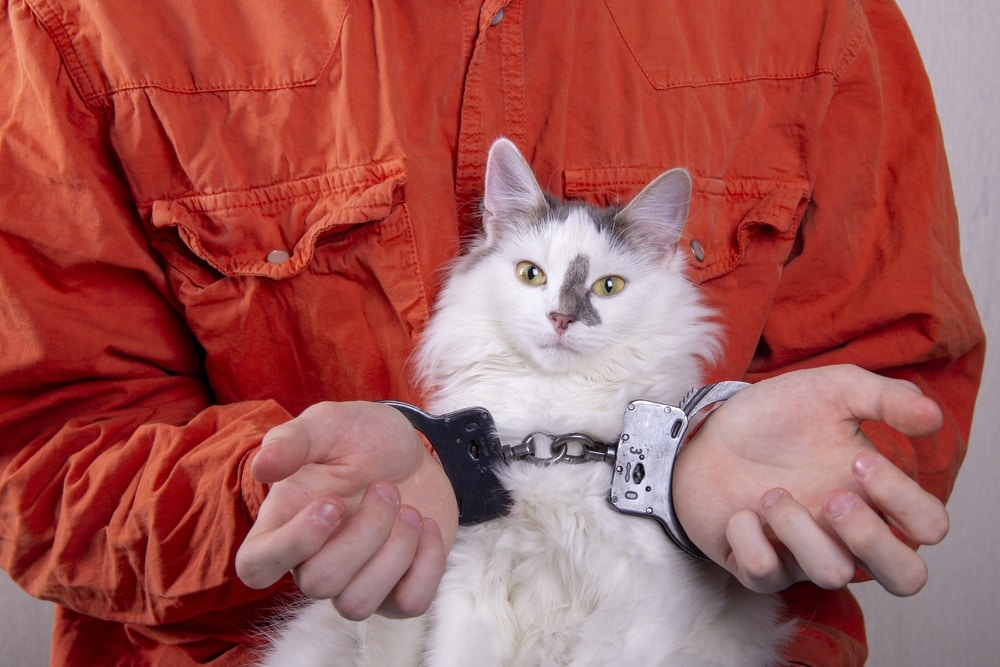
When my editor first emailed me about something called the Jail Cats project, I assumed it was a spoof website -- maybe something that was inspired by a random comment in a municipal brainstorming session in an episode of Parks and Recreation. The comedy angle was exacerbated by a light-hearted conversation I'd recently had with the cat-crazed actress Emma Myles from the show Orange Is The New Black about how you'd go about sneaking a kitty into prison.


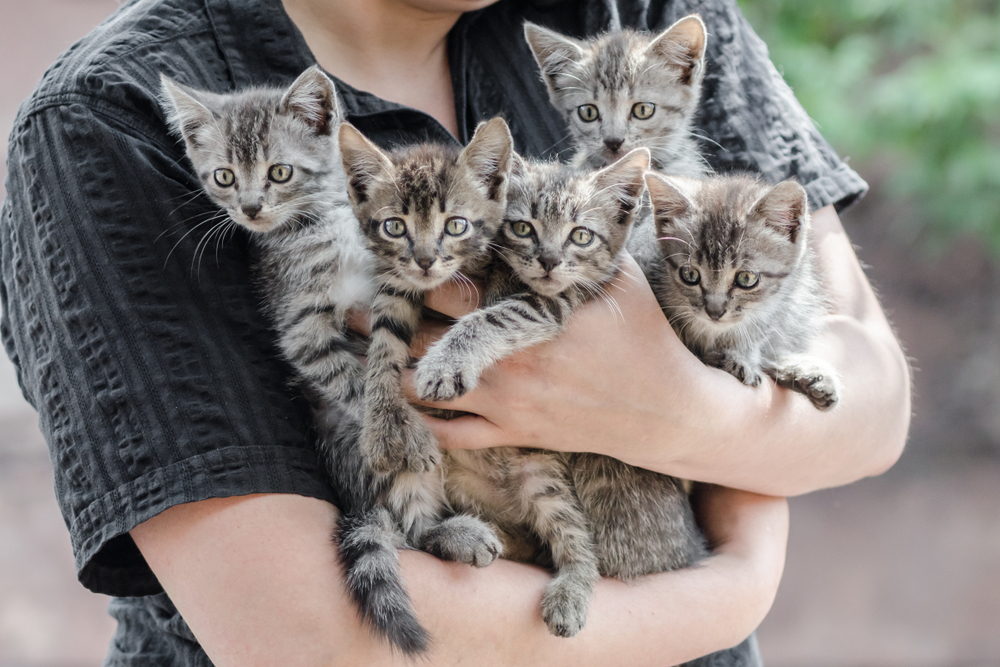
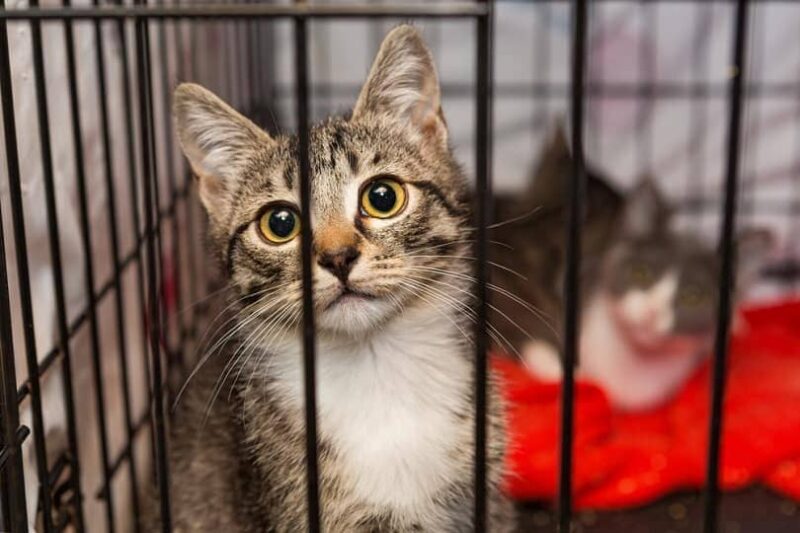
It turns out my instinct was way off-base: Jail Cats is an initiative that has been running successfully under the guidance of the Gwinnett County Sheriff's Department since last October. The sister program to Jail Dogs (which began in 2010), the venture rescues kittens from the local Animal Care and Control center, brings them into a female jail and then charges the inmates with the task of helping to socialize the little scamps. All the kitties are then put up for adoption.
The chief coordinator of Jail Cats is Stephanie Martinez-Peres (who also ended up adopting the very first Jail Cats graduate). We spoke about the origins of the program, why it benefits both kittens and inmates, and revealed all about the particular cat who liked nothing more than to attempt to lounge around in a prison toilet.

Catster: The Jail Dogs program started first. Did you always have plans to expand to a Jail Cats version?
Stephanie Martinez-Peres: It came up because the dog program was working. We'd always talked about doing another program for the female inmates but because of the layout of our facility they didn't know how they could do a dog program there, too -- we don't have another area where they could be outside, and we can't have the male and female inmates being together for obvious reasons. So cats was the next best thing, and it's working out great.
What are the benefits of a jail bringing in kittens for the inmates?
First of all, the program doesn't cost tax payers anything -- it actually saves money because we're helping to reduce recidivism rates. The Society of Humane Friends of Georgia helps to pay for all the care of the animals, and all of our trainers are volunteers -- I'm the only paid position in the program but I'm also a deputy here at the jail. The inmates learn so much from the animals and they bring it home to their families and kids. It's just a good all-round experience -- I think every jail should do it.
Where do the cats come from?
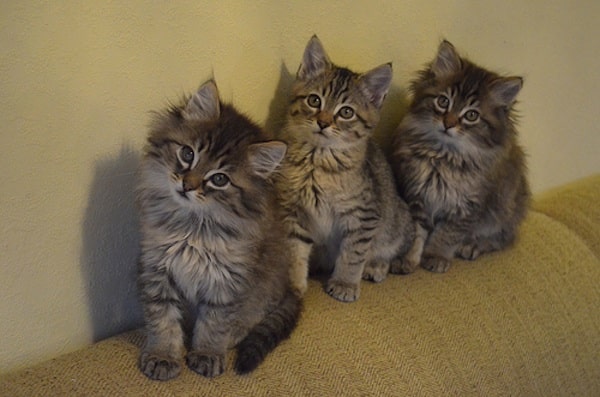
Well, mainly we bring over kittens because Animal Control has hundreds of them, and the female inmates socialize them. The cats get used to being around different people and get used to being picked up, and they're also around other cats all day. They also get used to loud noises because there's a lot of loud noises in jail.
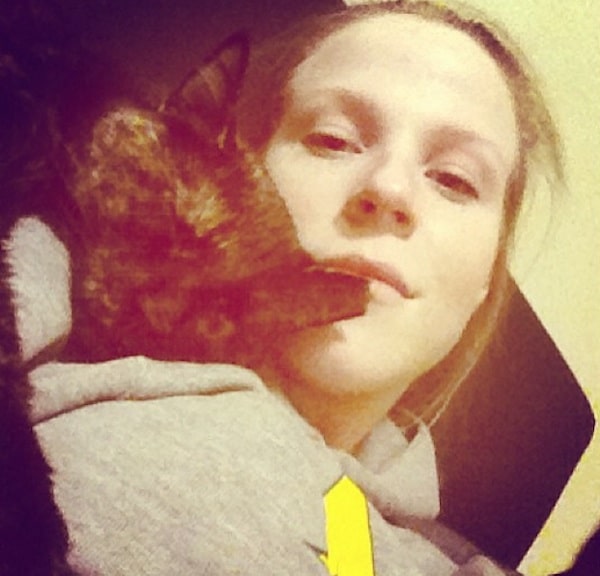
I actually adopted our first jail cat! I have three other cats and she came into the house as brave as ever: She wasn't scared of the other cats, she didn't care if they were hissing at her, and she loves when we have company over.
What's her name?
Purrl.
What's Purrl's personality like?
She's so sweet. She's a little tortoiseshell and she's just coming up to be a year old. She's really playful and she loves to play with my two boy cats, but I have another girl cat who's really shy and likes to hide a lot, and Purrl is really respectful of the shy one. If the shy one doesn't want to play, she'll leave her alone. Purrl is always meowing for us to come and pet her and she'll come up and lick your nose and lie on you and purr all day.
How do the kittens take to the jail environment? Do they enjoy it?
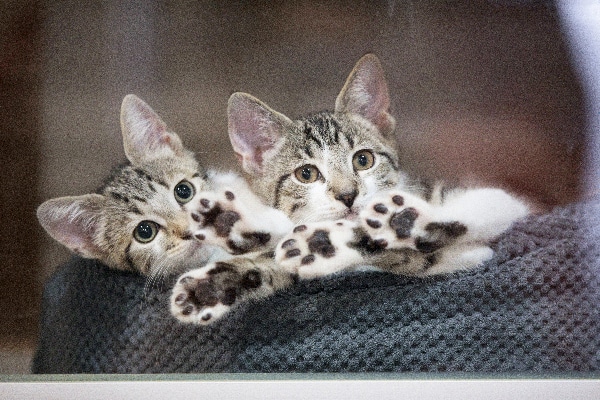
They do! That's one of the reasons why we try and stick to kittens more, because with an adult cat it might be a scary environment. We try to get them for that good socialization window. The kittens seem to love it -- they run up and down the stairs in the unit, climb up on the window, and scare the inmates into thinking they're about to jump off, but they're cats so they're fine.
We had one cat who constantly wanted to jump into the inmate's toilet and splash around. The inmate had to cover up her toilet when she wasn't using it because she always wanted to get in there and play. They shred up their toilet paper all the time too, and they have some cat stands they're always running up and down on. They have lots of other cats and people to play with and give them attention and treats.

Who was the toilet cat?
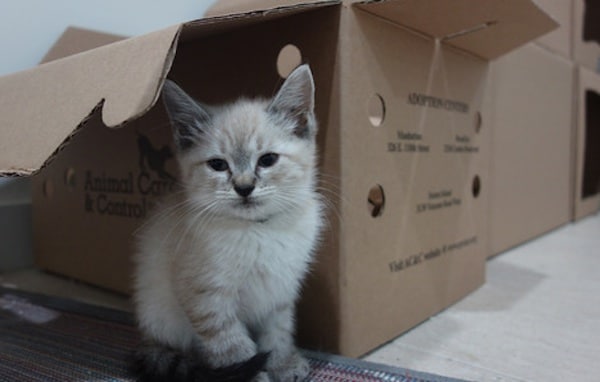
Serenity. She was a really pretty Siamese mix who was so sweet, and she had just recently been adopted. But she really did like to play in the toilet!
Who's been the most memorable kitten in the Jail Cats program so far?
Probably one of the first cats who was called Chance. He was a little white fluffy grey-ish thing who had big blue eyes and just loved to be held like a baby. He had quite an animated personality and was always trying to play. One of our nurses here at the jail ended up adopting him so we get updates on Chance regularly.
Do the inmates ever experience kitten heartbreak when they have to give up the kittens for adoption?
Yes, they do. It's the same for the cats and the dogs too -- the inmates are really sad to see them go and there's usually tears shed. But at the same time, they are happy because they get to meet the family, and they get to see them go to a good home and see them taken care of. It's like they're getting to bail them out of jail!

What's the main difference between the dog and cat programs?
It's probably that the cats live in the units as cats so they do what they want, run around when they want, and they don't have a schedule. So you get the inmates being woken up at awful times in the morning like 2 or 3 a.m., just like cats do. But the dogs are more on a schedule and have regular training, and they sleep at night and get up in the morning with the inmates, so they're a little more controlled.
Have you had any inmates claim to have an allergy to cats?
No, we ask them before they move into the unit if they have an allergy. If they develop one while they're in there we can move them to another unit.
Have you ever had a cat escape from the jail?
No! If they did, we would have to up our security here. They're locked down behind many doors, so they'd have to escape out of many doors to get out of here. I hope.
Read related stories on Catster:
Featured Image Credit: Anelo, Shutterstock

Expert cat care, straight to your inbox
Vet-reviewed advice, behavior tips, and the best of Catster. Free, and you can unsubscribe anytime.
By signing up, you agree to our Terms & Conditions and Privacy & Cookies Policy.

Catster is a cat magazine and cat website where cat lovers come together and get expert advice about cat behavior, cat health and cat news.
Join the conversation
Ask a question, share your story, or send private feedback.