Get

In Your Inbox

Catster is reader-supported. When you buy via links on our site, we may earn an affiliate commission at no cost to you. Learn more.

Do I Need to Expose My Cat to Sunlight for Them To Stay Healthy?

Share

American Polydactyl cat walking outside

You’ve probably read more than a few stories about the importance of getting enough vitamin D, “the sunshine” vitamin. It plays a critical role in muscle and bone development,  nervous system functions, and immune health for humans. But do domestic cats need to get in on this health trend and head outside to catch some rays? The answer is no.

Cats actually don’t synthesize vitamin D as a result of sun exposure. Kitties get their vitamin D primarily through food, and it’s included in all cat food with an American Association of Feed Control Officials (AAFCO) statement of nutritional adequacy. While cats don’t need the sun to make vitamin D, most really love a good nap in the afternoon sun.

divider cat paws 2 oct 2024

Do Cats Need Vitamin D?

Absolutely. Vitamin D impacts several systems in cats. It’s required for phosphorus and calcium regulation. It also strengthens feline bones, nourishes muscles, and supports nervous system function. Many diseases in humans with vitamin D deficiencies can also be seen in cats, including fragile bones.

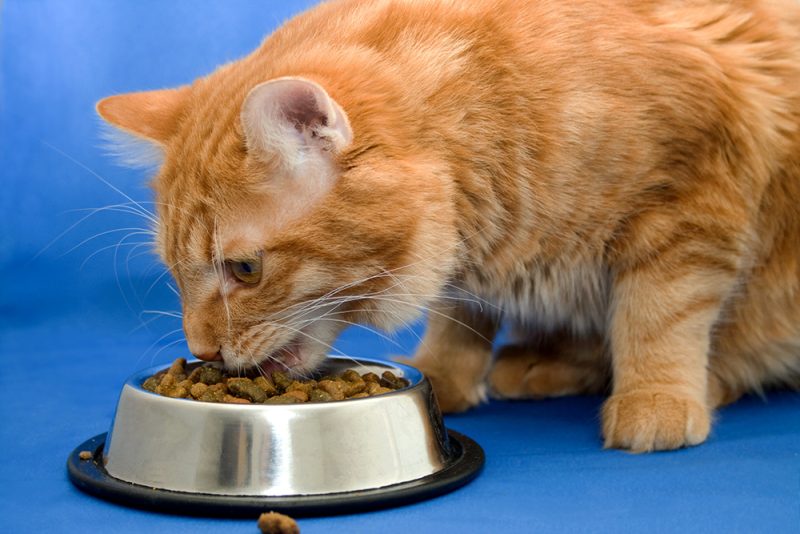
Cute-cat-eating-on-floor-at-home
Photo Credit: Africa Studio, Shutterstock

What’s the Best Way to Meet My Cat’s Vitamin D Needs?

It depends on what you feed your cat! Feeding your pet a high-quality commercial diet makes it incredibly easy to ensure they get enough of the proper nutrients, including vitamin D. Pets that eat high-quality commercial cat food with an AAFCO statement of nutritional adequacy almost always get enough vitamin D through their diet. With commercial foods, there’s usually no reason to worry about providing additional vitamin D supplementation.

Cats that eat homemade food may need vitamin D supplementation depending on what goes into the formulations they’re fed. Kitties relying entirely on homemade options to meet their nutritional needs often need supplements to fill a few nutritional gaps. Cats are obligate carnivores and primarily obtain nutrients through animal proteins.

And they also have very specific needs for amino acids like taurine and minerals such as calcium. If you’re interested in making your cat’s food at home, consider consulting with a feline nutritionist who can help you design a nutritionally-complete diet you can craft at home.

What Happens if My Cat Gets Too Much Vitamin D

Vitamin D can be fatal to cats if consumed in sufficient quantities. Vitamin D toxicity often occurs when cats get into human nutritional supplements, consume too much vitamin D-fortified pet food, or are given supplements in addition to their regular commercial diet.

Cat peeking outside
Photo Credit: vicran, Pixabay

How Does Vitamin D Insufficiency Impact Humans?

People with insufficient vitamin D often feel mentally and physically rundown. Not having enough of the nutrient can cause fatigue and conditions such as weakened bones and depression. Muscle cramps and bone pain are also common. Vitamin D is available to humans through supplementation, food, and sun exposure.

Are Indoor Cats Healthy?

Absolutely, but a lot depends on whether indoor cats get enough mental and physical stimulation. As a general rule, indoor cats live longer than outdoor kitties. Indoor pets tend to live for around 15–17 years, while life expectancy for the average outdoor cat falls between 2 and 5 years.

Unneutered male outdoor cats often get into fights with other felines while defending their territory. And altercations between outdoor cats and wild critters such as raccoons occur relatively frequently. Kitties that roam are also highly vulnerable to being hit by a car while crossing the street. And they often come into contact with unvaccinated animals and parasites, increasing their risk of developing diseases such as feline leukemia and distemper.

Indoor cats can’t get their exercise through prowling the great outdoors, but they still need physical stimulation and fun. And it’s possible to provide indoor cats with plenty of entertainment and exercise. Playtime is vital when it comes to keeping indoor cats happy. Regular play sessions get your cat up and moving, allowing them to run, jump, stalk, and pounce with abandon. And they’re also a great way to bond with your cat.

Perches, cat trees, and elevated places provide pets with opportunities to climb and be active. Scratching posts offer cats appropriate places to let loose with their claws, and interactive toys and food puzzles deliver fun and a dose of mental stimulation!

If you really want your cat to be able to enjoy the great outdoors safely, you can always train them to walk on a leash. Most cats can be trained to walk on a leash with a bit of patience and a few treats. Invest in a well-fitting harness if you plan to take your cat outside for supervised walks. Harnesses distribute pressure over your cat’s body, and the leash usually connects between the shoulders, making it a safer option if your cat gets stuck or starts to pull.

ginger cat looking at the window
Photo Credit: Konstantin Aksenov, Shutterstock

divider cat paws 2 oct 2024

Conclusion

Cats don’t technically need sunlight to survive, and they don’t require it to synthesize vitamin D like humans. High-quality commercial cat food contains all the vitamins and minerals most cats need to be healthy. There’s usually no need to worry about whether your pet gets sufficient nutrients if they’re eating a good commercial diet.

While keeping your cat indoors is fine, it’s critical to provide exercise and plenty of interactive toys to keep your pet engaged and active. And if your cat still wants to head outdoors now and then, consider training them to walk on a leash so you can supervise their adventures.


Featured Image Credit: Jenny Margarette, Shutterstock

Want content like this delivered to you?

Sign Up For Our Newsletter

News, insights, expert advice, and everything cat

* By submitting, you agree to our Terms & Conditions and Privacy & Cookies Policy.


How useful was this post?

Click on a star to rate (you can leave written feedback after clicking submit)

Help us improve Catster for pet parents!

Your feedback really matters.

What did you like about this post? Also how can we improve it?

Join the conversation

Leave a Reply

You’re very welcome to leave a comment or question. Please know that all comments must meet our community guidelines, and your email address will NOT be published. Let’s have a positive and constructive conversation.


Catster's Digital Magazine is Back!

Vet-approved health & behavior advice

Real cat stories & community features

Six Legs Are Better Than Three – How A Tripod Dog and Kitten Found Friendship Through Recovery

Sometimes the most meaningful friendships begin in the most unexpected places. At a Maryland veterinary hospital operated by Last Chance Animal Rescue, two...

The Original Space Invaders – Why Zero Respect for Personal Boundaries Is a Good Thing

Cats have a reputation for being independent, and in many ways they are. But anyone who has tried to work at a laptop...

How Cats Are Helping to Cure Cancer

When most people think about medical breakthroughs, they picture scientists in laboratories and clinical trials involving human patients. Few would imagine that the...

Ask Dr. Paola – My Cat Loves Eating Grass, But It Makes Her Vomit! (June 29, 2026)

Welcome to our “Ask Dr. Paola” series, where every Monday we bring expert advice straight from Dr. Paola Cuevas (MVZ) to help our...

More related

Surgical Admit Appointments & Day-Of Electives: A Cat Owner’s Manual

Hi, I’m Dr. Lauren! Read my introduction to learn more about me and my two adventurous cats, Pancake and Tiller. Surgery of one’s...

Chylothorax in Cats: Causes, Signs & Care Guide (Vet Answer)

Chylothorax means the presence of chyle in the chest. This is a medical condition that occurs when chyle accumulates in the chest cavity...

8 Best High Protein Cat Foods (2026) – Reviews & Top Picks

We all want the absolute best for our feline friends. Many of us are looking to switch to a high-protein cat food in...

What Are E-Collars for Cats? Vet-Reviewed Types, Pros, Cons & FAQ

You may not immediately recognize the term “e-collar,” but you’ve definitely heard of them. You might know the e-collar by its more affectionately...

Keep reading

What Is a Normal Heart Rate for a Cat? Vet-Approved Facts & Health Tips

Cats have smaller bodies than we do, so it’s only natural that they’d have faster heart rates. The normal cat resting heart rate is between 160–220 beats per minute (bpm). Recent physical activity will influence a cat’s heart rate, so...

veterinarians examining a grey cat

HempLucid Organic Full-Spectrum CBD for Pets Review 2026: My Kitten, Makoa’s Experience

Are you on the hunt for an affordable, quality pet CBD oil for your kitty? I just stumbled upon a product that fits that description and then some. Organic Full-Spectrum CBD for Pets from HempLucid is a remarkably affordable pet...

HempLucid CBD Pet Tincture

Could Cats Survive in a World Without Humans? Feline Independency Facts

Cats are highly independent pets that seem to enjoy being around humans, even if they don’t “need” us the way dogs and other pets do. That’s because, unlike other domesticated pets, cats are more “tame” than truly domesticated. If humans...

feral cat with ear tip clipped

Safe & Effective Cat Shampoo Alternatives: 8 Vet Approved Options

Most cats are good at keeping themselves clean, but sometimes, your furry friend might need a little help, especially if they’ve investigated something filthy. Of course, a shampoo specifically designed for cats is the best and safest option. Sometimes, we...

Woman washing cat in grooming salon

Can You Put a Flea Collar on a Pregnant Cat? Vet-Reviewed Precautions & Risks

Cat flea collars use a form of insecticide to repel, deter, or kill fleas. They can be used in conjunction with spot-on treatments or independently, though owners do need to be aware of the potential risks associated with flea collars....

Collar for animals protecting against fleas

Why Doesn’t My Cat Purr? 6 Possible Reasons (Vet Reviewed)

There’s really nothing better than when you’re lying in bed, and your cat shows up to settle down on your chest, purring away. In fact, feline purring has been shown to lower stress and blood pressure in people, as well...

cat looking up

How to Teach a Cat to Fetch: 8 Vet-Reviewed Steps

Fetch isn’t just for dogs—some cats love it too! While teaching a cat to fetch might take some work, once your cat gets the hang of the game, it can be a great way to have fun together and give...

cat fetching a ball

Are Himalayan Salt Lamps Safe for Cats? Vet Reviewed Facts

Himalayan salt lamps have become increasingly popular over the last few years. Their pink light creates a serene atmosphere and is excellent for “mood” lighting. Other benefits are advertised as well, including cleaner air, mood improvement, and better sleep. Himalayan...

Catster_Are Himalayan Salt Safe for Cats

Love Cats? So Do We! Join the Catster Community

Stay informed with expert pet care insights delivered straight to your inbox! Discover professional guidance on animal behavior, feeding tips, trusted product picks, and much more.


Sign up for the Catster Email Newsletter

Stay informed with expert pet care insights delivered straight to your inbox! Discover professional guidance on animal behavior, feeding tips, trusted product picks, and much more.