Get

In Your Inbox

Catster is reader-supported. When you buy via links on our site, we may earn an affiliate commission at no cost to you. Learn more.

Why Does My Cat Lick Me in the Middle of the Night? 5 Vet-Reviewed Reasons


Share

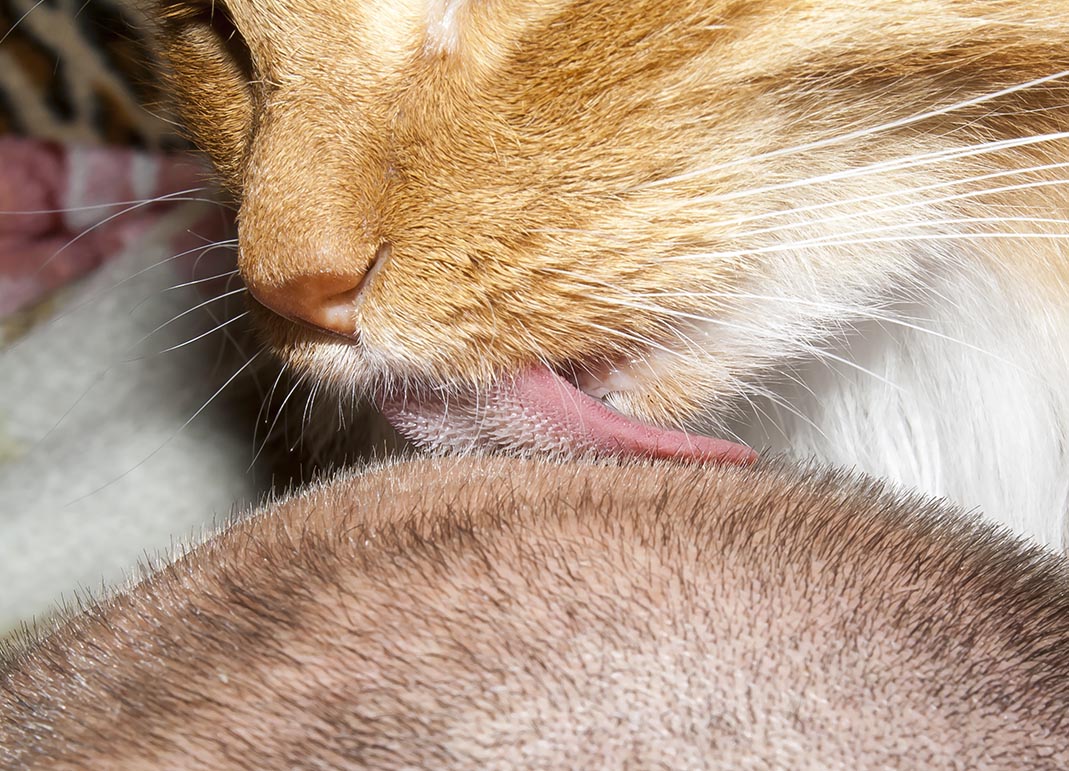
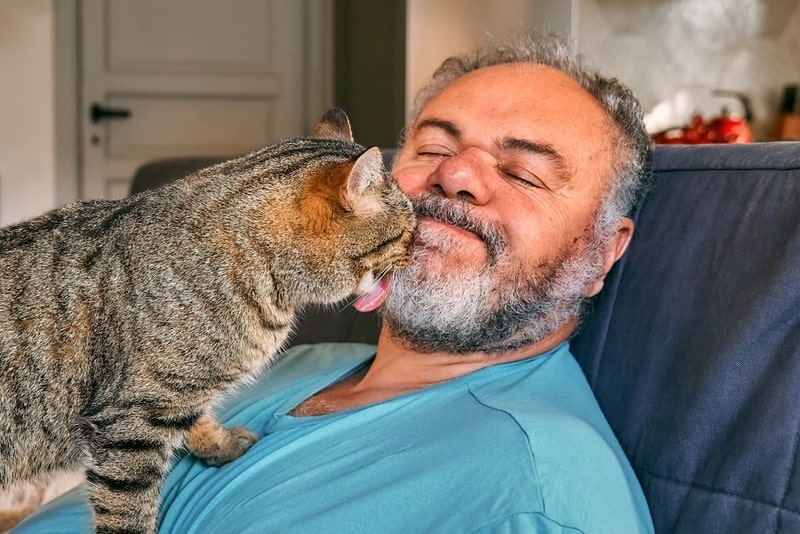
cat licks the head of a human

If you are a cat person, you have probably received several licks from your cat. But why would your cat be licking you in the middle of the night? Are they trying to express love? Or are they trying to alert you about something? It could be anything. We all know that cats are strange, but there are very few instances in which you’d welcome an interruption of sleep for a licking session.

Below, we’ve listed five possible reasons for this behavior.

divider 2 cats

The 5 Possible Reasons Why Your Cat Licks You in the Middle of the Night?

1. To Groom You

According to your feline friend, there is no such thing as clean enough. You could always use some extra grooming. It also does not help that their highly-tuned senses pick up the faintest smells. Of course, they could clean you during the day, but you are either too busy or not around for a proper grooming session. So, your cat might wait for you to sleep so that they can clean you thoroughly. Grooming another cat or a human is a sign of affection and is used to establish a social group, so think of it as a privilege if your cat decides to groom you. However, they should really rethink their timing.

cat licking human arm
Image Credit: sophiecat, Shutterstock

2. To Bond and Show Affection

As mentioned, grooming is the most common way cats express affection. It starts with mothers licking their kittens. Your cat wants to show you affection, too. Therefore, it does not matter to your cat if it is in the middle of the night. You can get the licks at any place and at any time.


3. To Mark You

If you didn’t know, you belong to your cat, not vice versa. It also does not matter to them whether you acknowledge that or not as long as other cats do. So, how will other cats know that you belong to another feline?

They will know by the distinct scent you always have on you: your cat’s scent. Cats transfer their scent through a myriad of ways, including licking and rubbing. You may notice that your kitty is more wary around you if you spend time with another cat during the day.

This is because they smell the other cat’s scent on you. Therefore, to avoid making your kitty insecure, limit the frequency you interact with foreign cats. You will often notice that your cat will try to again mark you with their scent with extra rubbing, in order to reclaim you back.

Cat licking woman's ear
Image Credit By: AJR_photo, Shutterstock

4. Your Skin is Salty

Sweat is extremely salty. To some cats, the smell and taste of sweat might be interesting. Your cat could be licking you at night because they want to lick the salt off you.


5. Your Cat is Anxious or Stressed

Some house felines may lick excessively when they are under pain or stress. They lick not only themselves but also other objects and people around them.1 Often, it is an indication that they need some soothing. Cats may also lick you when they feel that you are anxious or upset. That could be their way of soothing you.

cat licking human fingers
Image Credit By: Svetlana.Is, Shutterstock

divider 2 cats

Stopping Your Cat from Licking You

Despite their good intentions, you might not appreciate it when your cat interrupts your sleep to lick you, and licking sessions can be rough. Unlike a dog’s smooth tongue, a cat’s tongue is covered by numerous backward-facing hooks known as papillae.2

These sharp hooks are made of keratin, which is the same material found in claws and nails. That is why you might not like the sensation of your cat’s tongue against your skin.

The best way of dealing with this behavior at night is by locking your kitty out of the bedroom, or engaging in rigorous playtime before bed in order to properly tire them out. During the day, distraction works better. Avoid getting upset at your cat, as you may only scare them and compromise your bond. Raising your voice and picking them up is also a way you give them attention, be it in a negative way, which may also encourage them to continue this behavior.

divider 2 cats

Conclusion

Whether you like it or not, you have to tolerate some licking from your cat. Fortunately, most cats lick their owners because they care about them or like how they taste. However, late-night licking is unpleasant, especially if it wakes you up. Instead of yelling at your cat every time it happens, you can keep them out of the bedroom when you go to sleep. During the day, ensure you spend time playing with your cat. It may convince them to reduce their nighttime licking if they feel tired before bedtime.

See also:


Featured Image Credit: MegSopki, Shutterstock

Want content like this delivered to you?

Sign Up For Our Newsletter

News, insights, expert advice, and everything cat

* By submitting, you agree to our Terms & Conditions and Privacy & Cookies Policy.


How useful was this post?

Click on a star to rate (you can leave written feedback after clicking submit)

Help us improve Catster for pet parents!

Your feedback really matters.

What did you like about this post? Also how can we improve it?

Join the conversation

Leave a Reply

You’re very welcome to leave a comment or question. Please know that all comments must meet our community guidelines, and your email address will NOT be published. Let’s have a positive and constructive conversation.


Catster's Digital Magazine is Back!

Vet-approved health & behavior advice

Real cat stories & community features

Chatting About the Rainbow Bridge, Euthanasia, and Laughter During Grief | Chatty Cattys, Episode 24

If you’ve ever felt the loss of a beloved cat, or are dreading the day when your pet crosses the rainbow bridge, you’ll...

The Simple Reasons Cats Refuse to Let Anyone Use the Bathroom Alone

Cats have an extraordinary talent for making themselves present in the most inconvenient places, and the bathroom ranks near the top of the...

A Paw-sitive Milestone: Canada Officially Becomes a Declaw-Free Nation

Canada has officially become a declaw-free nation. On May 25, 2026, a new regulation was filed in Ontario under the Provincial Animal Welfare...

The Surprisingly Simple Ways to Help a Cat With Hairballs

Cats spend an astonishing amount of time grooming. It is part hygiene routine, part comfort ritual, and part instinct that traces back generations....

More related

9 Best Shampoos for Sphynx Cats in 2026 – Reviews & Top Picks

Bathing your Sphinx is probably not on your list of favorite activities, but it helps keep your cat’s skin hydrated and healthy. Without...

10 Flea and Tick Diseases in Cats: Vet-Verified Facts & FAQ

Living with cats means you will, at some point, have to deal with fleas and potentially ticks. Although we often talk about them...

Oral Tumors in Cats: Our Vet Explains the Causes, Signs & Care

We don’t spend a lot of time looking inside our cat’s mouths, and sometimes, getting too close can mean getting bitten! That is...

Can Cats Eat Slugs? Vet-Reviewed Risks & Precautions

Cool, damp weather is the best time for slugs to come out of hiding. Because cats are hunters, they decide to take matters...

Keep reading

How to Tell If a Cat Is in Heat: 6 Vet-Verified Signs to Look For

We love our cats, but if you own an unspayed female cat, as soon as she’s old enough, she will go into heat and you will surely notice some quite evident changes in her. These hormonal changes begin around 4.5...

abyssinian-cat-meowing-at-the-sofa

Can Cats Eat Pistachios? Vet-Reviewed Nutritional Facts

Cats can eat some pretty crazy things, even though they are naturally obligate carnivores. If your cat has taken a shine to these delicacies, you might wonder if cats can eat pistachios. Luckily, pistachios are non-toxic to our wide-eyed kitties....

Can Cats Eat Pistachios

Can I Catch Ear Mites From My Cat? Vet-Verified Facts & Info

Ear mites are an icky problem that is common in stray cats and kittens but also can occur in outdoor cats that are exposed to the mites. Ear mites are tiny mites that live on the surface of the skin....

hand showing cat ear mites

Veterinary Telehealth for Cats: Vet Reviewed Pros, Cons & Best Options

There are few things as stressful as having a sick cat. Your mind can race to horrible conclusions instantly, especially when you don’t have your vet’s expertise to help you get to the bottom of the issue. In a perfect...

woman staying at home with pet cat consulting a doctor via video call using laptop

How to Get Rid Of Fleas On Cats: 7 Vet-Approved Methods

Fleas on cats can be a nuisance. Not only do they make your kitty itch, but they can also jump onto you and your other pets and transmit diseases. Fleas are a common problem for cats and can be difficult...

vet holding magnifying glass searching cat fleas

Why Did My Cat Have Only One Kitten? 3 Possible Reasons

If your cat mistakenly or intentionally became pregnant, you’re probably excited about the birth. But if the big day comes and you keep checking the mother to see how many little kitties you have to love on, you might be...

mother cat giving birth to her child

Can Cats Get Ringworm? Vet-Approved Facts & FAQ

Ringworm is a skin infection that affects humans, cats, and other animals. So, yes, cats can get ringworm. It’s one of the most common skin conditions found in household pets and, if caught early, is easy to treat and typically...

scottish fold cat checked by vet

How to Tell if Your Cat Is Happy: 16 Vet-Reviewed Signs

Some people prefer dogs to cats because dogs are considered easier to read and more demonstrative with their affection. Many cat enthusiasts will insist that if you know what you’re looking for, it’s quite easy to know if your cat...

bengal cat being stroked by man's hand and purring

Love Cats? So Do We! Join the Catster Community

Stay informed with expert pet care insights delivered straight to your inbox! Discover professional guidance on animal behavior, feeding tips, trusted product picks, and much more.


Sign up for the Catster Email Newsletter

Stay informed with expert pet care insights delivered straight to your inbox! Discover professional guidance on animal behavior, feeding tips, trusted product picks, and much more.