Why Does My Cat Meow When I Sneeze? 4 Vet-Approved Reasons


In this article
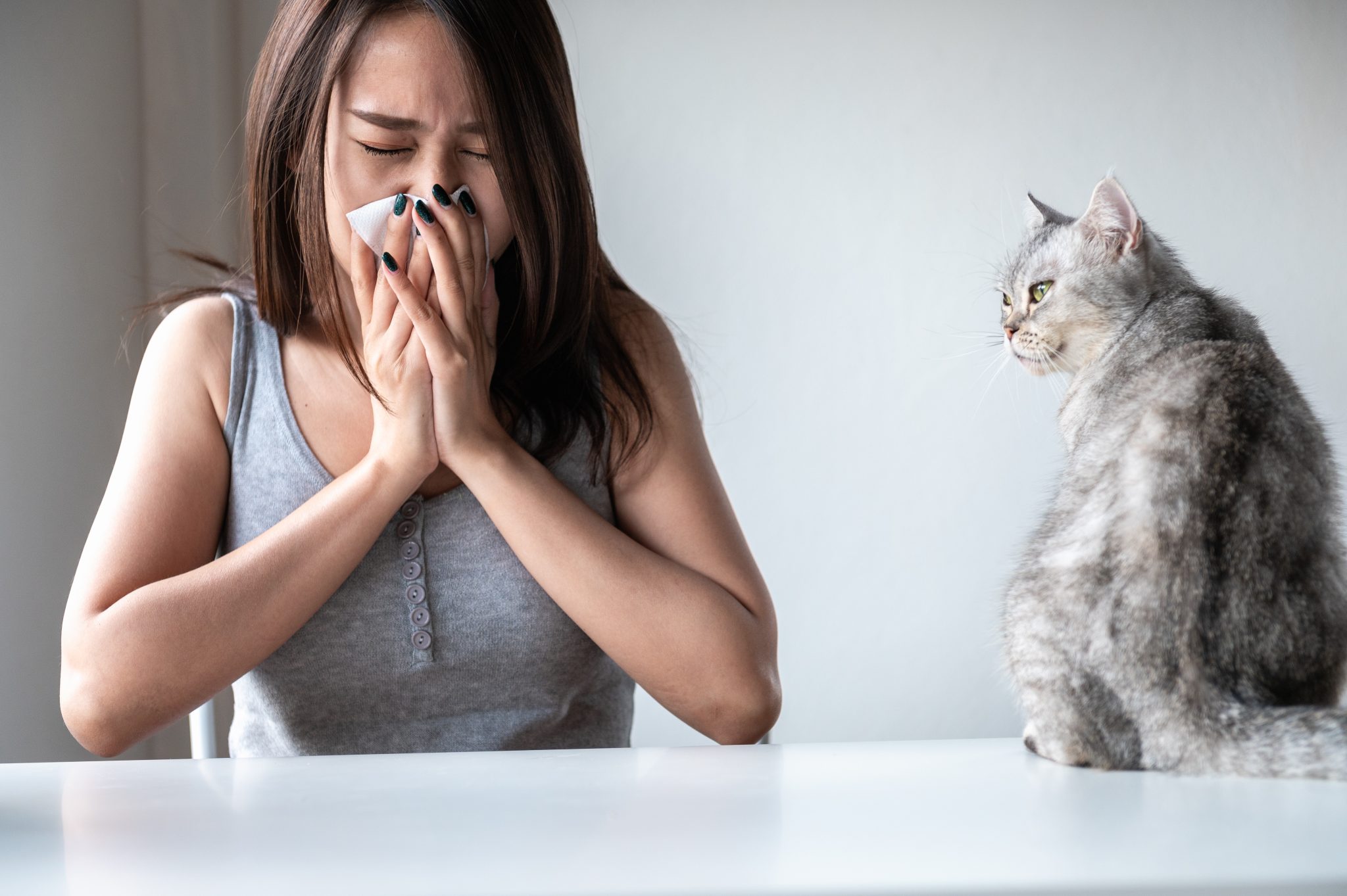
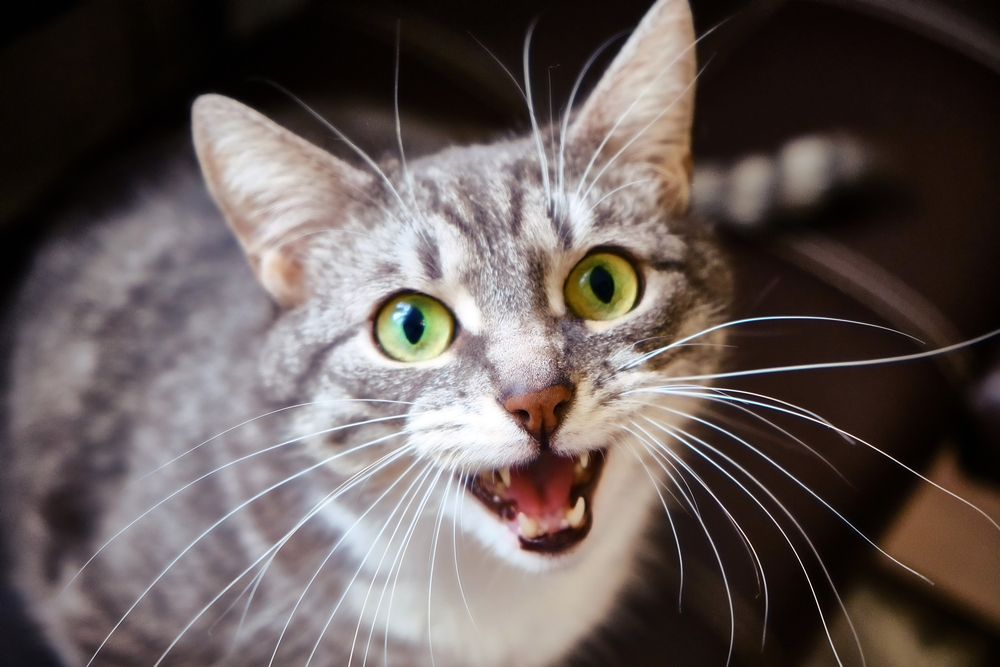
If you've ever sneezed around a cat, you probably noticed their strange response. Some hiss, while others run away whenever they hear their owner sneeze. More commonly, cats meow whenever their owners sneeze, especially if the cat is comfortable around the owner.
So, why does your cat meow when you sneeze? Though it's impossible to say precisely why cats respond the way they do without speaking, cat experts have made some pretty convincing guesses about why your cat responds this way. Let's check out four reasons why your cat meows when you sneeze.

What Does A Cat’s Meow Mean?
Interestingly, cats almost only meow to humans, not other cats. When cats are kittens, they will meow to their mothers for help. As they mature in the wild, the instinct to meow slowly disappears.
Domesticated cats, on the other hand, retain their instinct to meow. This may be because they are cared for by humans. In other words, they are constantly babied and nurtured by their human owners, and they certainly don't mind it.
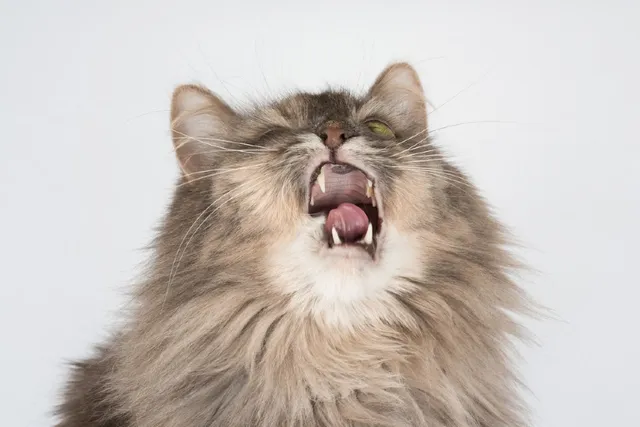
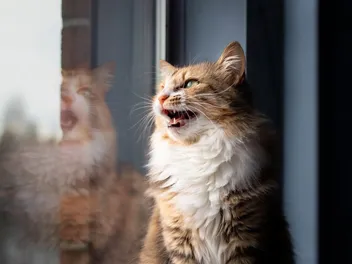
Most of the time, a cat's meow means that they want something. Whether it's attention, food, or outdoor time, cats meow to communicate a need. Meows can also mean that the cat is excited to see you, almost like they say, “Welcome home!” whenever you get home from work.
More negatively, meows can show that your cat is lonely or ill. Older cats meow more when they get confused or anxious. Similarly, young and old cats can meow to their human owner to show annoyance or that they're startled, which is likely the case when your cat meows after a sneeze.

Cats and Loud Noises
Even though cats are domesticated, they are hunters at heart. This allowed their ears to evolve so that they were highly sensitive to even the slightest noise. Their sensitive ears help them hear faraway prey.
At the same time, smaller cats, like the regular house cat, can be prey for larger animals. This makes them very keen on situations that they perceive as dangerous. In other words, cats are likely to run away whenever they feel that they are in danger.
Because of cats' sensitive ears and predisposition to run away in frightening situations, sneezes are quite an experience for your kitty. Whenever you sneeze, the muscles in their middle ear contract. This lessens the sound emissions to protect their inner ear.
Many cats perceive this phenomenon differently. Some get excited, while others get scared. As a result, there are quite a few responses that a cat can give whenever you sneeze. Even though some reactions are positive, most are negative because sneezes are often loud and sudden, scaring most cats.
The 4 Reasons Why Your Cat Meows When You Sneeze
With that in mind, here are four possible reasons your cat meows when you sneeze:
1. They Are Startled
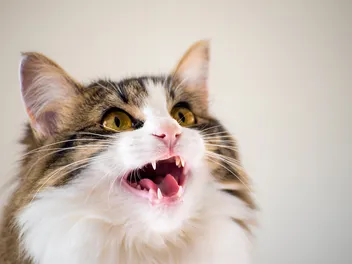
Whenever you get startled by something, you may shout or jump back. Cats are the same way. Whenever they get scared, they meow in response. Even though someone sneezing does not cause most humans to jump, the same cannot be said about cats.
Cats like for their life to be pretty quiet and simple. Anything out of the ordinary tends to incite a fight or flight response. This is especially true if the abnormal behavior is loud, like a sneeze. Since sneezes are not the most common sound for a cat to hear, they get startled whenever you sneeze, causing them to let out an exclamatory meow.
The chances are that your cat isn't really scared of you. They're just surprised to hear you sneeze. You have probably been startled a time or two by an extra loud sneeze yourself. The meow is just your cat's way of saying they didn't see your sneeze coming.
2. They Are Annoyed
Cats are especially known for their sassy behavior. Whether you are petting them the wrong way, disrupting their nap, or not feeding them enough snacks, cats are quick to show you that they are displeased and annoyed with your behavior.
Much like anger, annoyance is often expressed in humans through grunts or sounds of disapproval. Cats are similar, and they sometimes meow whenever they are annoyed. The sounds are likely distinguishable to other cats, but to the human ear, the meows often sound the same.
Whenever you sneeze, you may disrupt the cat’s nap or relaxation time. Instead of getting startled, they become annoyed by the loud noise. This causes them to meow their disapproval for the annoying noise you put them through. How dare you!

3. They Mistake Your Sneeze for a Hiss
Perhaps your cat mistakes your sneeze for a hiss. As a result, they meow or hiss back in response. They likely don't understand why you were hissing in the first place. So, they meow after your sneeze to figure out what's wrong and why you would express such a grievance with them.
This response is similar to how you would respond whenever a friend or a close family member has an unforeseeable outburst. You ask them what's wrong to get to the bottom of the issue. Your cat wants to do the same with you.
Since hissing is the cat’s form of telling someone to back off, your cat may not understand the reason for your sudden sneeze.
4. They Are Imitating You or Other Humans
Cats are brilliant creatures. Even though we can't communicate with them, they are good at picking up on behavior patterns and responses. Since their entire world is within your house, they have a lot of time to pick up on behaviors and responses, such as when you sneeze.
Interestingly, there are a lot of studies that show cats like to imitate human behavior. They will take on human habits and cat-ify them. This is an exciting phenomenon that many types of domesticated animals display with their owners.
Your cat may be imitating you whenever they meow after a sneeze. The meow could be their version of sneezing, or they could be imitating how people say "bless you" after a sneeze. Since they cannot speak, they respond verbally like your children, partner, or friend does after you sneeze.

Other Odd Reactions to Sneezing
Meowing isn't the only odd response cats make after a sneeze. Each cat is unique and has a very weird response to sneezing. Here are some other reactions you may notice whenever you sneeze around your cat.
Chirping
Some cats make an odd chirping sound whenever they see a squirrel or a bird. It is unclear exactly why cats make this sound. At first, people believed cats chirped whenever they wanted to provoke their prey. With more research, however, it seems that cats chirp out of excitement. So, they chirp whenever they see a bird or a squirrel because they are excited.
If your cat is really comfortable around you, your sneezing may excite them. This is a less common response to sneezes, but it is common enough. The loud noise may make them feel like you are trying to play with them, causing them to chirp in excitement.

Run Away
This response is a bit more self-explanatory, but many cats run away whenever you sneeze. That's because the sneeze startled them, and they fled as a response. As we already mentioned, cats don't like loud noises.
Sneezes, especially very loud ones, can scare cats. Even if the cat is familiar with you, the sound may startle them and trigger a flight response in your presence.
What Can You Do About It?
If your cat meows or responds in any way to your sneeze, there is likely not much you can do about it. It is simply because the cat's response to your sneeze is more instinctual than intentional. There's not much you can do about instinct responses. If you suspect your cat is genuinely scared of your sneezes, you can try to acclimate them slowly to the sound.
You can do this by play-sneezing in their presence and, if the cat is calm, give them a piece of their favorite treat. This will teach them that the sneeze is not that scary of an experience. However, cats are smart, so if you really want this to work, you must make sure the cat can not anticipate the treat before the “sneeze.”
Overall, you really shouldn't worry if your cat meows to your sneeze. Since they are not running away or being aggressive in any way, they likely are just responding to you, just like another person would. There's no need to worry about acclimating your cat to your sneeze in most cases.
Conclusion
Even the most well-adjusted cats can occasionally be startled by a sneeze. If your cat meows after you sneeze, it's likely because they're either startled, annoyed, mistaking a sneeze as a hiss, or imitating you.
No matter the exact reason, the fact that the cat stays in the room says a whole lot about its trust for you. Since sneezes can be such a scary experience for a cat, any cat willing to stay in the room and meow as a response shows that they trust you and know that you would never hurt them.
Related Read:
Featured Image Credit: Zhuravlev Andrey, Shutterstock
Expert cat care, straight to your inbox
News, insights, and useful advice, delivered to you.

No spam — unsubscribe anytime.
By signing up, you agree to our Terms & Conditions and Privacy & Cookies Policy.
How useful was this post?
Click a star to rate. You can leave written feedback afterwards. (We read all feedback.)
Christian started writing for a local newspaper as a teenager, and he's been involved in the publishing industry for most of his adult life. Combining his love of writing with a passion for animals, he is currently the Director of Editorial at Pangolia and the Editor-in-Chief at Catster.
Christian lives in the Philippines with his wife, son, and four rescue cats: Trixie, Chloe, Sparky, and Chopper.