Why Do Cats Chatter at Birds? 5 Possible Reasons & FAQ


In this article
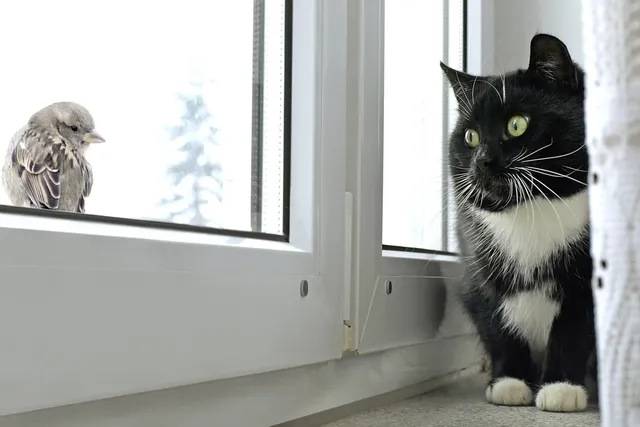
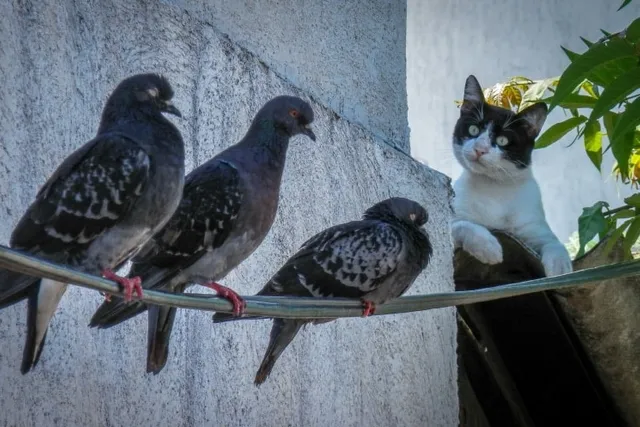
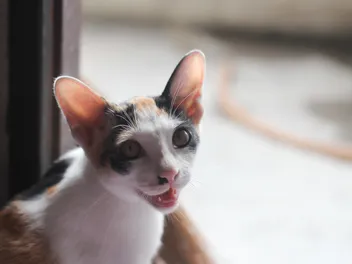
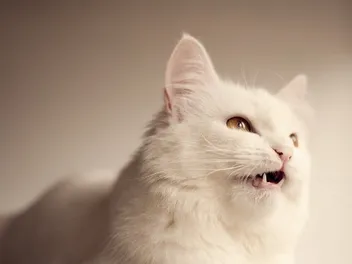
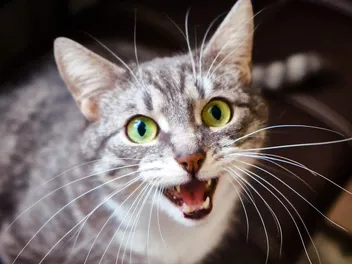
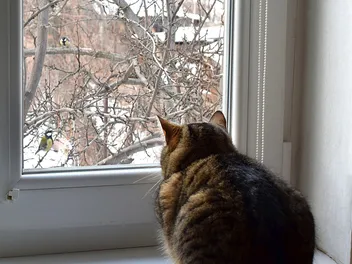
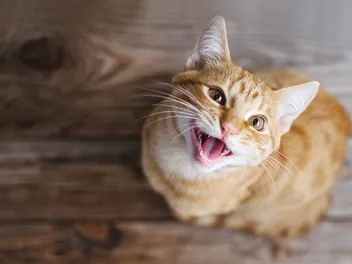
Cats are vocally gifted and can produce up to about 21 distinct vocalizations.1 Although cat owners are accustomed to their pets meowing, they may be baffled by their chattering. Chattering is a unique sound that cats make after seeing potential prey, such as birds, while looking out the window. It is characterized by quick, rhythmic jaw movements interposed by short, high-pitched chirps and tweets.
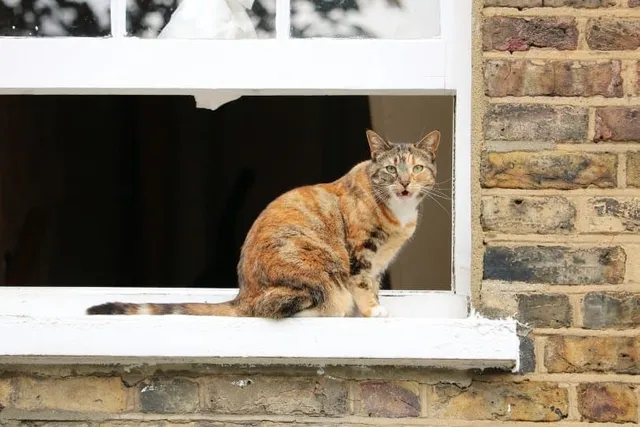
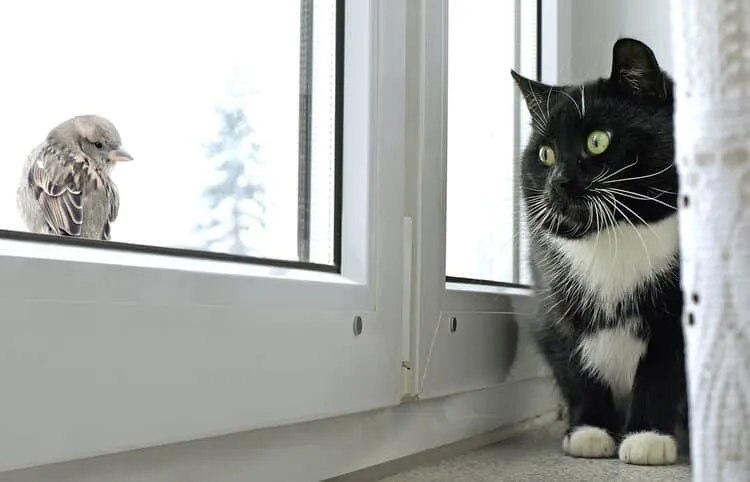
A cat stares at their prey with laser focus when chattering. Their eyes widen as their ears tilt forward, and their tail may flick or twitch. Chattering is a typical sound that many felines instinctively make, but animal behaviorists haven't determined its exact function. Nevertheless, researchers have proposed some interesting theories. Join us as we examine some of the popular ones below.

The 5 Reasons Why Cats Chatter at Birds
1. Expressing Excitement
Cats might chatter to express excitement about seeing potential prey. The prospect of a hunt can give them an adrenaline rush and heightened excitement, which can result in chattering followed by tail swishing.
This theory might not be far-fetched. Humans also make odd sounds when overstimulated by external factors. They yell, cry, laugh, or talk nervously.

2. A Predatory Instinct
Cat owners sometimes forget that their cute furry friends are natural predators with an instinctive desire to hunt prey. Some believe this predatory instinct is tied to the chattering sound.
According to the theory, the rapid vibration of the jaw is an involuntary predatory motor pattern that may help prepare the cat for a killing bite, which they cannot replicate with a voluntary action. Once they hold the prey's neck between their teeth, cats typically deliver a precise bite to the cervical region to damage the spinal cord, delivering a swift death.
3. Expressing Frustration
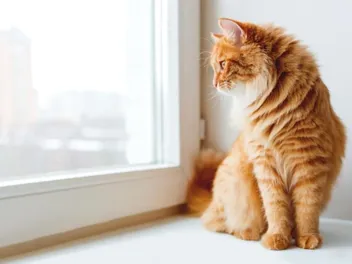
Have you noticed how a cat often makes a chattering sound when viewing animals through the window? Some believe they could be expressing frustration because they can't reach the animal through the glass.
Initial excitement at the sight of potential prey can quickly turn into frustration. It is easy to see why the cat is irritated when their prey is so close they can almost taste it.
4. Telling Others
Some researchers believe the chattering sound could also be a cat's way of alerting other cats about the prey they have found. Some owners say their cats run to them if they mimic the chattering sound, which suggests the cats may associate the sound with heightened arousal or attention, and the theory isn't far-fetched.
5. Mimicking the Prey
A more recent theory proposes that the chattering sound could be the cat's attempt at mimicking a bird's sound. Proponents of this fascinating theory suggest that mimicry could be an attempt at luring the prey closer by making familiar sounds, although scientific evidence supporting intentional vocal mimicry in domestic cats is very limited, so this remains a hypothesis rather than a proven behavior.


When Do Cats Chatter?
Cats typically chatter at birds through the window, but that is not the only time they make the sound. They can also chatter at rabbits, chipmunks, and squirrels. They might also make the sound after seeing an insect on the ceiling, or somewhere they can't reach.
Cats can also chatter when there's no prey in sight. For instance, they can direct the noise at toys that mimic prey. There are also cases of cats chattering while chasing a laser beam.
Is Chattering a Cause to Worry?
Usually, no. Chattering is an instinctive behavior that many cats exhibit. So, it is generally not a cause for concern. It shows your kitty is alert and engaged in predatory behavior and can be redirected into appropriate play. Trying to interfere with or stop such a natural is usually unnecessary.
First, distracting a cat in such a focused state may startle them or lead to defensive behavior. Also, persistent inability to reach prey stimuli may contribute to frustration in some cats. If you are worried the chattering is due to frustration, try mitigating the situation by engaging your cat in interactive, prey-style play activities.
You can also provide interactive toys that entertain and stimulate them. And don't forget to let them “win the prey” by offering them a small food reward or ending the play session with a toy capture.

Can Cats Eat Birds?
Cats are natural predators and can successfully hunt and eat birds and rodents. There was a time when people primarily kept cats because they could hunt and kill rodents that invaded farmers' crops.
Even well-fed cats may still hunt due to instinct.
How to Stop My Cat from Eating Birds
Feeding your cat may not necessarily quench their desire to hunt. That's because it's less about hunger and more about the thrill of the chase. Therefore, some domestic cats hunt for birds when given a chance. You can stop your cat from eating birds by providing alternative avenues to quench their desire to hunt.
That means setting time aside for engaging your cat in playful activities. You can also buy interactive toys to stimulate the cat physically and mentally when you're not present. Keeping your cat indoors or providing a secure outdoor enclosure or catio is the most effective way to prevent bird predation. If your cat spends time outdoors, consider getting a collar bib. The birds can see the brightly colored bib from afar and will fly away before the cat gets close, although no device is completely effective, and collars should be fitted with a breakaway safety feature.

Conclusion
So, why do cats chatter at birds? Well, we might never get a definitive answer. Some of the theories sound convincing, but it's all guesswork. The critical factor to remember is that chattering is a normal behavior and is generally not a cause for worry. It keeps your kitty mentally engaged and expresses natural predatory arousal.
Trying to interrupt or reprimand your cat for the act can be stressful and may damage your bond, and they may become frightened or defensive. You can redirect this behavior safely by providing your feline with appropriate environmental enrichment, such as a great view of the outdoors from a secure indoor location. Alternatively, you can consider other physical and mental stimulation activities, such as daily play sessions and interactive toys.
Sources
Featured Image Credit: Alexas_Fotos, Pixabay
Expert cat care, straight to your inbox
News, insights, and useful advice, delivered to you.

No spam — unsubscribe anytime.
By signing up, you agree to our Terms & Conditions and Privacy & Cookies Policy.
How useful was this post?
Click a star to rate. You can leave written feedback afterwards. (We read all feedback.)
Christian started writing for a local newspaper as a teenager, and he's been involved in the publishing industry for most of his adult life. Combining his love of writing with a passion for animals, he is currently the Director of Editorial at Pangolia and the Editor-in-Chief at Catster.
Christian lives in the Philippines with his wife, son, and four rescue cats: Trixie, Chloe, Sparky, and Chopper.