How to Tell if Your Cats Are Getting Along: Vet-Verified Body Language & Socialization Tips


There can be some seriously mixed feelings when two animals get together for the first time. Cats have a very heart-on-their-sleeve way of viewing the world most of the time. Whenever they are uncomfortable, scared, or otherwise not feeling so great about something, it is pretty easy to tell. Body language says it all.
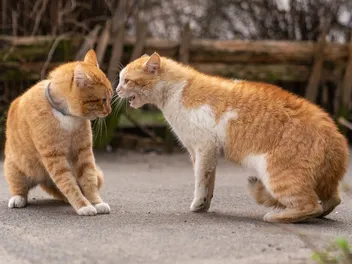
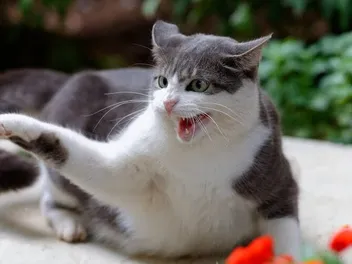
Initially, your kitty friends might hiss, growl, swat, and show many other signs that they are thoroughly disgruntled with the newcomer. Don’t panic—this is a normal part of the introduction process. With time, patience, and proper management, many cats learn to tolerate or even enjoy each other’s company. However, it’s important to remember that not all cats become best friends, and that’s perfectly okay. As long as they can share the same space peacefully, that’s a success. Here are some ways you can tell that your cats are starting to warm up to each other.

The 7 Ways to Tell if Your Cats Are Getting Along
1. Displaying Relaxed Body Language
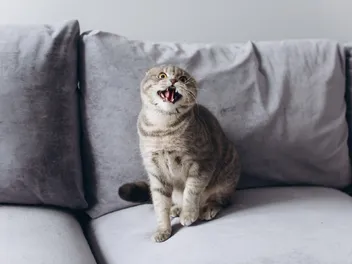
When a cat is flustered, they let everyone know it. The ears go back, the pupils widen, and the vocalizations begin. Some cats might bolt for cover. Others will stand their ground. However, once your cat starts warming up to another, the body language will change quite a lot.
Rather than that uncomfortable stance, you will notice more relaxed behavior. They won't seem tense anymore. They'll meander about their way with their normal happy strides. There will be no more hurrying from place to place or being on edge. And this is just the beginning!
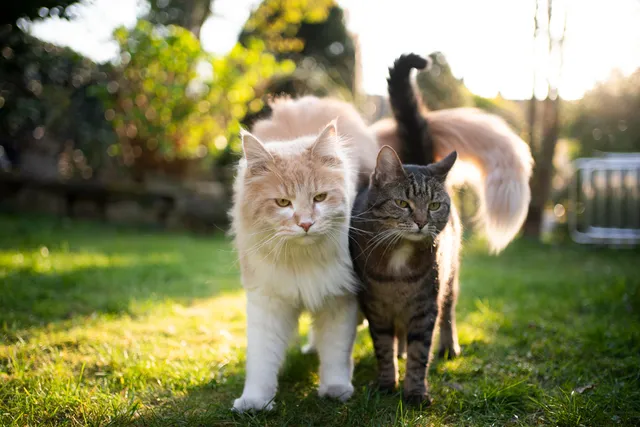
Soon, they will be perfectly fine rubbing and bumping up against one another, forgetting half the time that the other is even there.
2. Grooming Each Other

Allogrooming (mutual grooming) is common among bonded cats. It helps strengthen social bonds and promotes relaxation
Cats spend a whopping 30% to 50% of their day grooming themselves, making them highly efficient at hygiene maintenance. But when they groom each other, they display their bond and help their new friend live longer. That's right. Their brain's survival instinct tells them that clean cats live longer.
Cats know full well that some areas during grooming are really hard to get to. Sometimes, they just like to help a friend out.
3. Cuddling Together
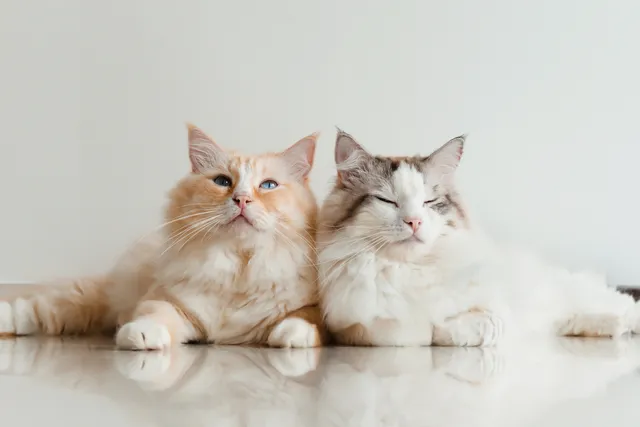
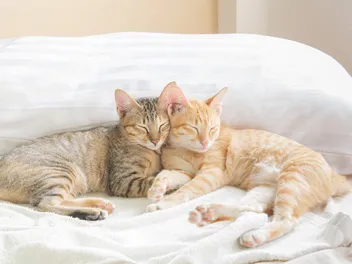
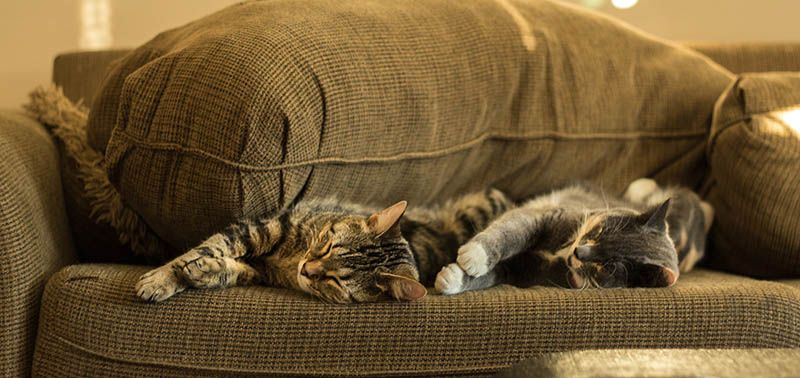
Cuddling together is a surefire indicator that friendship is brewing. They are getting well acquainted if you notice them snuggled up in front of a sunny window or piled together on the couch.
They tend only to do this when they like the other party. When they cuddle, they seek warmth and a sense of protection. This method of socialization starts very early in kittenhood, and most cats continue the behavior long into adulthood.
If you are on the couch watching a show or reading a book before bed, try to get both to join you so you can distribute equal attention. It might help speed up the process. You never know! It could also help to give them both attention simultaneously so you can be the mediator.
4. Roughhousing Together

Playing and aggression can look very different, but they can also be confusing sometimes. Have your cats started romping around together? If you've noticed them chasing one another throughout the house or getting frisky when everyone is asleep at night, they might be developing their bond.
After all, things can get a little heated up in the best play sessions! They can kick, growl, taunt, scratch, ambush, and stalk each other like regular wild cats! Sometimes, they change roles. One will be the predator, the other the prey—and back, forth, back, forth.
Playing aggression is perfectly acceptable and routine in your cat's daily life. It's quite healthy for them to release any pent-up energy to avoid potentially destructive behaviors.
But if you're having trouble telling whether everything is happening in good fun, always pay attention to the ears, as they are a telltale sign. If your cat gets aggressive, its ears will be drawn back, and the tension becomes much more visible. It might be accompanied by vocalizations showing their detest and unease.
It's crucial never to let cats fight it out, as they can severely injure each other with their sharp teeth and claws. Instead of physically trying to get in the middle, as this can hurt you, try to distract them with loud noises or even a stream of water.
5. Eating Peacefully Together
If your cats don't want to care for each other, they might not enjoy sharing their food dish. However, if you've noticed them purring over brunch, they are already well into days of companionship. They will tag team you in the mornings to demand a feast and enjoy it as a team.
Now, that's not to say that some cats can't be aggressive with food and still really like their roommates.
Food scarcity causes their instincts to take over, making them more food-aggressive than others. Some cats taken from their mother too early can always exhibit food aggression. This is also a typical behavior in stray or feral cats.
So, remember that the possessiveness over the food bowl doesn't always mean they don't like other cats—it just means they prefer their own portions.
6. They Touch Noses

We all know that cats are scent-based creatures. They pick up most of the information from their surroundings by smell alone. So it's no surprise that touching noses has something to do with scent and pheromones.
Typically, this behavior is done in a friendly greeting. It allows both cats to get more information about each other more intimately. Sniff, sniff, now we’re friends.
Not only can they get information about the individual cat, but they can also smell where the other has been or even develop some type of social hierarchy. In some cases, nose-touching can lead to a catfight if there is a power struggle.
If you have noticed your cats touching noses and one backs away, the dominance roles will likely be established and won't need to be challenged.
7. They Bunt One Another
You might see your two kitties head-butting one another. This behavior is called "bunting", and it’s in response to showing affection and marking territory. Isn’t that sweet? Your cats are claiming the other as their own.
Cats carry scent glands in their heads and cheeks. You might have also noticed your cat bunting your hand, forehead, and even areas of your home. Even though this is a possessive quality, it is also a surefire sign of good feelings.
When cats rub to communicate closeness, it's called allorubbing. It often happens in feral cat colonies, and it helps deflect the need for conflict or violence.
So, if you notice that your cats are rubbing heads, this can be a great sign that the friendship is taking off.

If Cats Still Won't Get Along
Sometimes, it seems like certain cats just don't pair well, no matter what you do or how you introduce the two. One cat might be completely submissive and ready to be friends; the other won't have anything to do with it.
Or, there might be a power struggle between two dominant cats, making it challenging to see eye to eye. If this happens, it typically resolves in time with enough adjustments on either end. However, sometimes cats will just simply not get along no matter what you do.
The only thing you can do as a pet parent is try to make the environment as peaceful as possible for them both. If the cats are left to their own devices, they can do some serious harm, causing injury and a laundry list of other ailments that aren't good for anyone!
Here are some tips to help your felines coexist against their will, as suggested by the ASPCA:
The reality is that each cat will be different in the way they interact with others. If you have a particularly challenging case, you can speak to a veterinarian or seek help from a feline behavior specialist for additional tips and tricks.

Conclusion
While some cats eventually form close friendships, others may only learn to peacefully coexist—and that’s perfectly normal. Each feline has its own personality and comfort level when it comes to sharing space. If your cats are warming up to one another, you should see one or most of these behaviors starting. If it's yet to happen, keep going. At least you know what to look for. Hopefully, your felines will be two peas in a pod soon.
Featured Image Credit: Aleesha Wood, Unsplash
Expert cat care, straight to your inbox
News, insights, and useful advice, delivered to you.

No spam — unsubscribe anytime.
By signing up, you agree to our Terms & Conditions and Privacy & Cookies Policy.
How useful was this post?
Click a star to rate. You can leave written feedback afterwards. (We read all feedback.)
As a freelance dog writer and passionate pet enthusiast, Ashley Bates is pursuing studies in animal therapy. A mother to four human children and 23 animal companions, Ashley is dedicated to volunteering at shelters, advocating for animal rights, and rescuing animals in need. Her goal is to spread awareness, provide education, and offer entertainment about pets to reduce homelessness. Ashley's specialties include dogs and cats.