How to Safely Surrender a Cat: 4 Responsible Steps & FAQ

In this article
Surrendering your cat can be a difficult and emotional experience. It's important to consider all the potential implications of surrendering your pet before making this decision. This article outlines everything you need to know about how to safely and responsibly surrender a cat, as well as some frequently asked questions that come up when considering this process.

The 3 Considerations Before Surrendering a Cat
1. When You Should Consider Surrendering Your Cat
There are many valid reasons to consider surrendering your cat. For example, if you're struggling financially and can no longer afford high vet bills or food for the cat. Or perhaps the cat is exhibiting destructive behaviors that you can't control. Maybe there are allergies in the family that make it impossible for the cat to stay, or you’re moving somewhere and can’t take your pet with you.
In any of these situations, it can be a difficult but necessary decision to consider surrendering your pet.

2. Reasons You Shouldn't Surrender Your Cat
However, there are also many reasons why you should not surrender your cat. For instance, if the cat has just been through a major life change such as moving homes or losing a companion animal in the household, he or she may be coping with stress and adjusting to their new environment—and this could likely resolve over time.
Additionally, if you're struggling financially or having behavioral issues with your cat, first try utilizing resources like food banks or professional cat trainers who can potentially help without giving up on your pet altogether.
3. The Impact of Surrendering on the Cat
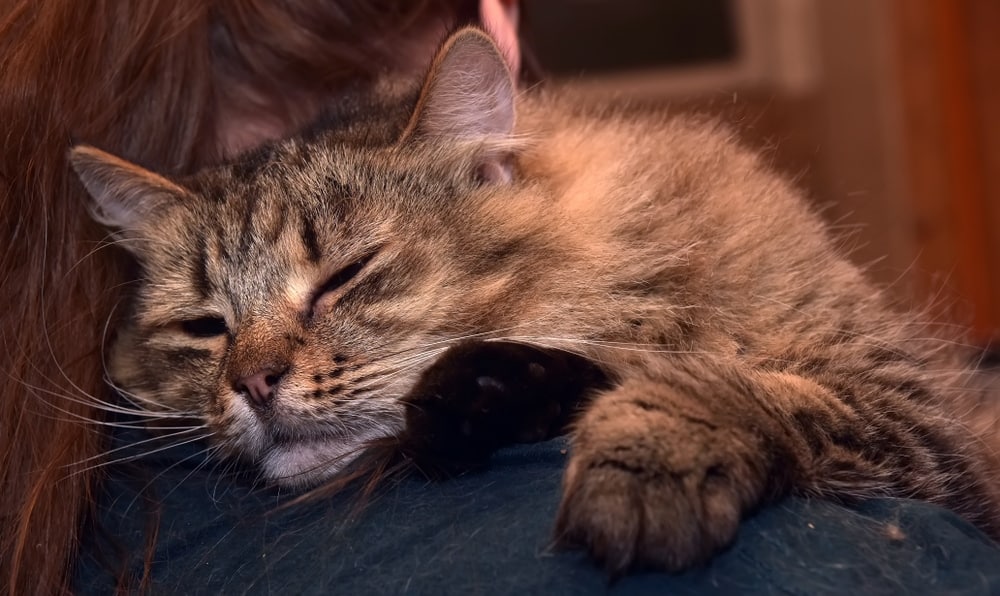
It's also important to consider the impact of surrendering a cat. Cats are very attached to their owners, even if they don't always show it, so the process of being separated can be incredibly stressful and traumatic for them. This is why it's imperative that you find a safe and responsible way to surrender your cat in order to minimize distress and discomfort.


The 4 Steps to Surrender a Cat Safely & Responsibly
1. See If Family or Friends Can Take the Cat
Your first step should be to reach out to family and friends to see if any of them can take the cat. This is the best-case scenario because it allows you to still be able to see the cat occasionally if you want. And, this can be either a long-term, permanent change, or just a temporary change until your situation changes and you can take the cat back. If you can’t find anyone you know personally to take your cat, proceed to the next step.
2. Contact Local Shelters
Contact local shelters or rescue organizations in your area and explain your situation. Explain why you need to surrender your pet and ask about their specific requirements or procedures for doing so. Most likely, these organizations will require proof that you're the cat's owner, such as veterinary or adoption records.

3. Schedule a Drop-Off Appointment
Once you've been approved to surrender your cat, schedule a drop-off appointment with the shelter or rescue organization. This appointment is when you will officially hand over your pet and all their belongings (if applicable). It's important to be honest and open during this process so that the organization can best care for your pet moving forward.
4. Prepare the Cat and Belongings for Surrender
Before you attend the drop-off appointment, make sure to properly prepare both your cat and their belongings for surrender. You may need to fill out paperwork regarding your pet's medical history or provide proof of ownership. Additionally, make sure to bring any items that belong to the cat such as food bowls, bedding, toys, or litter boxes.

Frequently Asked Questions
How long does it take for a surrendered cat to get adopted?
The amount of time it takes for a surrendered cat to get adopted can vary depending on the organization and circumstances. Generally speaking, it can take anywhere from a few days to several weeks or months before your pet is matched with an ideal home.
Can I visit my cat after surrendering them?
It depends on the individual shelter's policies but generally speaking, it's not recommended as this could be disruptive for your pet during the rehoming process. However, you can always contact the shelter and ask if they allow visits.
What happens to surrendered cats if they aren't adopted?
If a cat isn't adopted in a certain amount of time, most shelters will find another home for them such as a foster home or sanctuary. In some cases, the organization may even keep the pet onsite as part of their permanent staff.
Can I surrender my cat anonymously?
No—organizations typically require proof that you are indeed the owner before accepting a surrendered pet, so it's not possible to do this anonymously.
How can I make sure my cat is placed in a good home?
When searching for potential homes for your cat, make sure to thoroughly screen any potential adopters. Ask for references, do a home visit if possible, and ask questions about the person's lifestyle and how they plan on taking care of your pet. Additionally, make sure that all adoption contracts are signed and understood by both parties before handing over the pet.
What should I do if I can't find a suitable home for my cat?
If you're unable to find an ideal home for your pet, contact your local shelters and rescue organizations and ask if they have any advice on how to proceed. Many of these organizations will offer resources and support throughout the rehoming process.

Is it ever okay to release my cat outdoors?
No—releasing a cat into the wild is dangerous and potentially life-threatening for them, as they are not adapted to survive in the wild. Additionally, releasing cats outdoors can lead to the spread of disease and cause harm to local wildlife populations.
Is it ever okay to sell my cat?
It is never okay to sell a pet, as this is an unethical practice that can lead to the exploitation and suffering of cats. If you're unable to keep your pet or find family or a friend who will take it, contact your local shelters or rescue organizations for advice on how to proceed with the safe surrender of your animal.
Is there anything else I can do aside from rehoming or surrendering my cat?
Yes! Before surrendering your pet, look into other options such as shifting their care onto friends or family members, offering a donation to a reputable rescue organization that specializes in caring for cats, or reaching out to other local pet owners who may be able to provide temporary housing until the situation improves.
Additionally, make sure to let them know about all the details of your cat's breed and behavior so they can better understand how to deal with any potential issues that may arise in the future.
Is there anything else I need to consider before surrendering my cat?
Yes— consider providing the adopter with a folder containing all relevant information regarding your cat (e.g., vet records, feeding instructions, etc.) so that their transition into their new home is as comfortable and safe as possible.
Can I get my cat back if I change my mind after surrendering them to a shelter?
This depends on the terms of adoption laid out by the shelter or rescue organization you work with. It's important to ask about these policies before agreeing to surrender your pet. Additionally, if you are able to provide a safe and suitable home environment for your pet, you may be able to get them back once the shelter or rescue organization is satisfied with the conditions of their new home.
What should I do if I'm still unsure about surrendering my pet?
If you're still uncertain, it's important to reach out and talk to someone who can provide guidance. Talk to a veterinarian or your local animal shelter staff—they will be able to help you evaluate your options and make the best decision for both you and your cat.
If you need professional assistance, we recommend you speak to a vet online

Conclusion
Giving up a pet isn't something anyone wants to do—but sometimes it's necessary to provide them with the best life possible. If you find yourself needing to surrender a cat, make sure to follow our guide and utilize resources such as shelters or rescue organizations when needed.
With proper research and preparation, you can ensure that your beloved pet finds a loving forever home where they will be well taken care of for years to come.
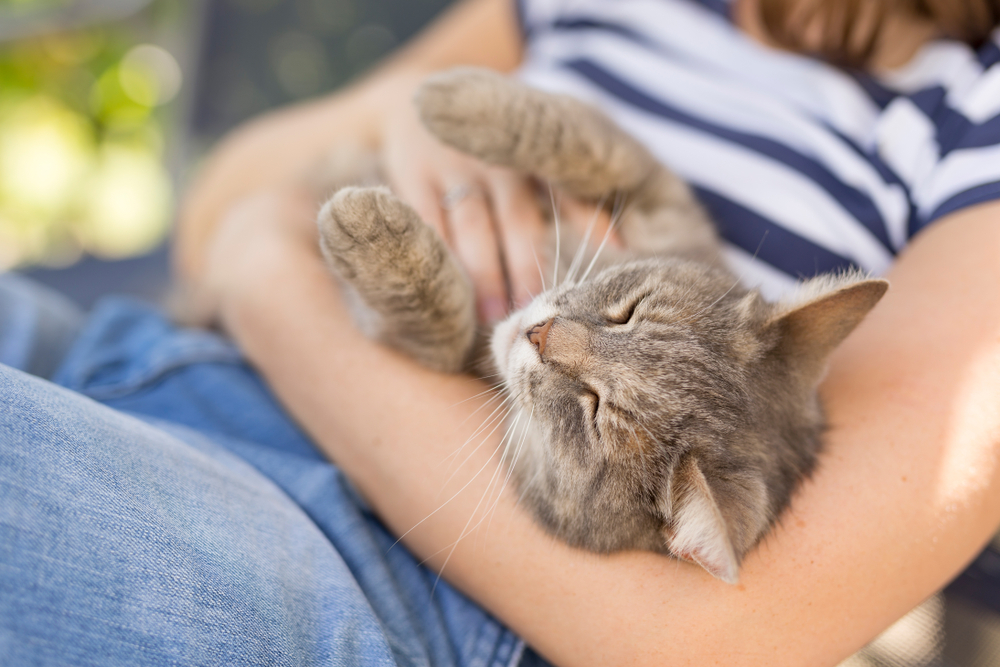
Featured Image Credit: Impact Photography, Shutterstock

Expert cat care, straight to your inbox
Vet-reviewed advice, behavior tips, and the best of Catster. Free, and you can unsubscribe anytime.
By signing up, you agree to our Terms & Conditions and Privacy & Cookies Policy.
Christian started writing for a local newspaper as a teenager, and he's been involved in the publishing industry for most of his adult life. Combining his love of writing with a passion for animals, he is currently the Director of Editorial at Pangolia and the Editor-in-Chief at Catster.
Christian lives in the Philippines with his wife, son, and four rescue cats: Trixie, Chloe, Sparky, and Chopper.
Join the conversation
Ask a question, share your story, or send private feedback.