How to Keep Cats Out of Mulch: 12 Vet-Reviewed Tips


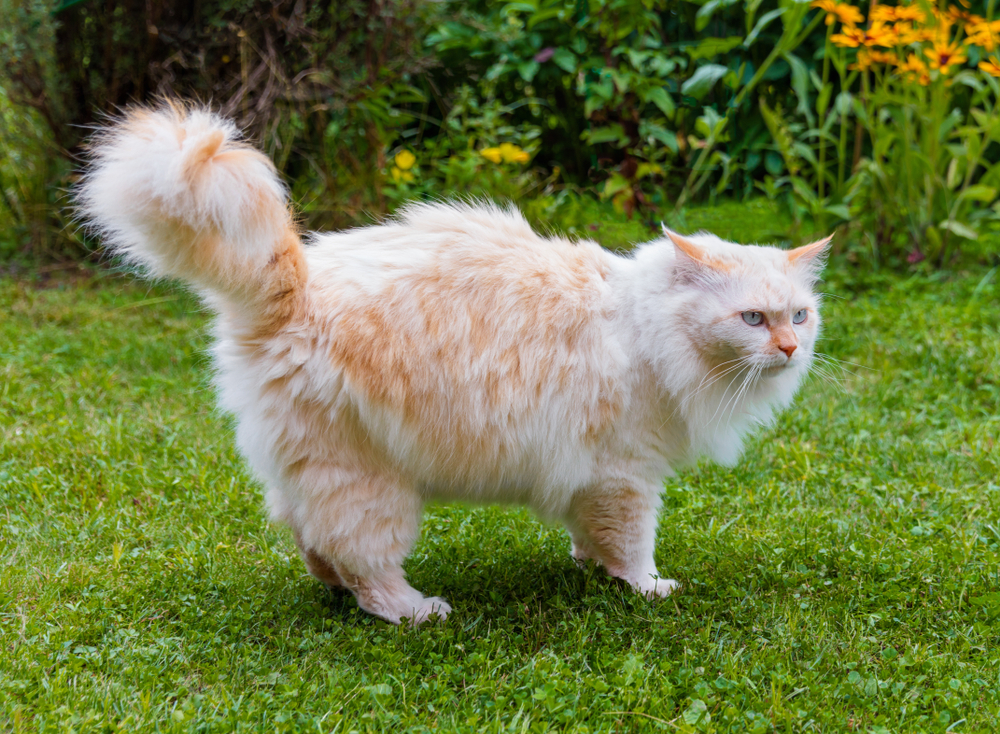
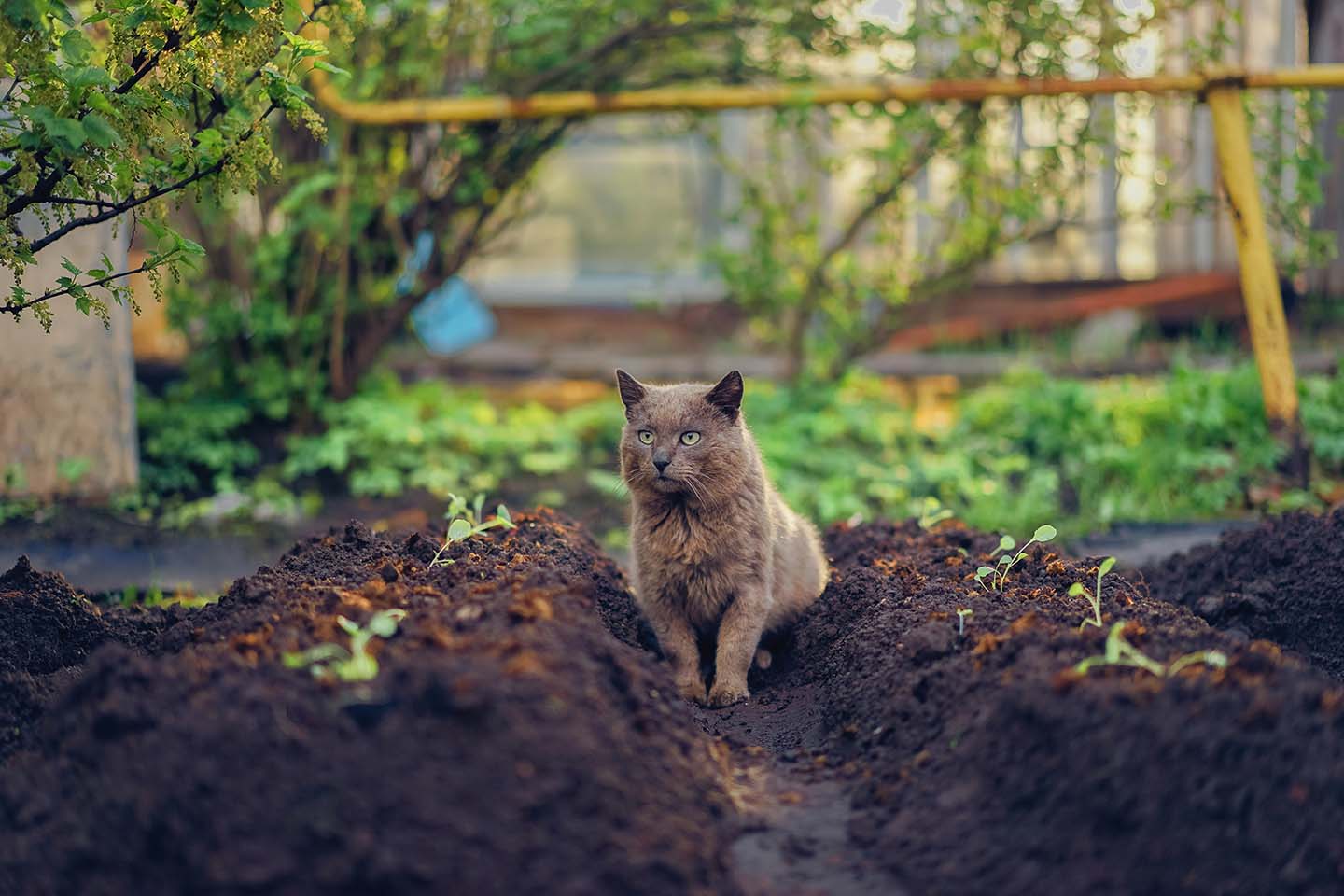
Neighborhood cats roaming around our yards is not something everyone enjoys. They are generally harmless, but they may visit you often, particularly if there is any food left outside, or they can get into fights with your cats. And if you use mulch, you may find your neighborhood cats enjoy using the area as a litter box. Or maybe it is your own kitty that wants to play around in the mulch. However, many cats will actually avoid using your mulch in the first place, as it’s not that comfortable for cats to dig in it. Either way, you don’t want to have to keep constantly cleaning out mulched areas, so you may need a way to keep your feline pals from spending time there.
But how? There are several humane ways to do this, actually, without causing the cats any harm or stress, which is very important! Below, you’ll find 12 tips on how to keep cats out of mulch. All of them are quite simple and harmless, and you can choose more than one to increase the chances cats won’t come near your mulch. Here’s what to do.

The 12 Tips to Keep Cats Out of Mulch
1. Fencing
It might not be very elegant, but this solution is usually simple and can be low-cost, depending on the type of fencing you choose and the surface: chicken wire, wire mesh, vinyl panels, wooden fencing, or any other fencing solution. You can use chicken wire as fencing around mulched areas to keep cats out, or you can lay pieces over the mulch to make it awkward and unattractive for cats to walk on.
Just be sure to push any pointed or sharp ends well into the ground so kitties don’t step on them and hurt themselves. And if you’re going the fencing route, you don’t have to use wire or panels; you could use anything really, such as potted plants or wood.
2. Texture
We just said our feline friends won’t enjoy walking on chicken wire because it’s not comfortable for their paws. Creating textures kitties won’t enjoy in mulched areas with other things may work as well. Anything uneven or textured should work, but an excellent option could be pine cones and bark. Placing several dried pine cones or spreading bark in the mulch will make the surface of the area possibly unattractive and uncomfortable for some cats. Just don’t use pine cones that have newly dropped, as they’ll still have sharp edges that could injure them. You can also use something like stone mulch to make the surface uneven.

3. Scat Mat
Scat mats are another option to deter felines from your mulch. Much like chicken wire or pine cones, they create a texture cats aren’t fans of due to the blunt rubber or plastic spikes the mats have. You also don’t risk accidental injury with scat mats because the spikes are blunt enough not to stick in a cat’s paws. Simply cover mulch beds with a few scat mats and watch the area become cat-free! This option costs a little more than chicken wire or pine cones, but it isn’t expensive. If the gaps between the spikes are too big, the cats may end up tip-toeing through.
4. Break Things Up
Breaking up the surface area of the mulch will easily keep felines from using your mulch as a litter box, but it’s a little more work and a little more costly than other options. But it’s easy enough to accomplish; you only need to place some river rocks, more bark, or flagstones (or anything similar) in the mulch where cats like to hang out. Doing this gives cats less area to work with, and depending on the type of rocks you use, they may not enjoy the texture on their paws. However, this may not work for all cats, and some may still come back to using the mulch.

5. Commercial Cat Repellent
Using a commercial cat-safe repellent is a cost-effective deterrent to felines that want to play or use the toilet in your mulched areas. These repellents are generally based on citrus, lemon products, or vinegar, but make sure they have no other added harmful ingredients, or consult a veterinarian. Some repellents use predator urine, such as coyote urine. Felines are cautious of predators like coyotes, so they generally avoid areas where they think predators might be.
Spray the repellent liberally around the area of mulch you want to keep kitties away from, but make sure you use a product that does not contain any harmful substances or essential oils that are toxic for cats. Even if your goal is to keep neighborhood cats away, it’s important to use safe methods that will not harm them or cause any illness. After all, this may be someone else’s beloved kitty. You can easily find commercial cat repellents online, and many are safe to use around plants! However, be aware that you might not enjoy the smell of predator urine.
6. DIY Cat Repellent
Want to save money while deterring kitties away from your mulch? Then make your own cat repellent! It’s simpler than you think. For example, cats loathe the smell of citrus, so you could mix half a cup of lemon, lime, or orange juice with a cup of water and spray it around your mulched area. Don’t use the spray directly on cats or if cats are around, as citrus plants, such as oranges and lemons, are toxic to cats due to essential oils and psoralens.
Although some gardeners suggest using bone or blood meals claiming that they may repel cats while also being used as fertilizers, the worry is they may actually attract them. We strongly recommend against this option. These products are rich in nitrogen and sometimes added iron, and they are very harmful to cats and dogs if ingested, leading to gastroenteritis, pancreatitis, bloat, or even a blockage if a large amount is ingested, which is more common in dogs. Avoid using these products.

7. Plant Repellent
You can also try using specific plants to repel cats, but this may not work for all cats. Never use plants that are toxic to cats! Some of the plants that cats may dislike include rosemary, rue, marigold, and lemon thyme.
8. Morning and Evening Watering
Want to keep your mulch beds unappealing for felines? Then keep it wet the majority of the time. This is a simple but more time-consuming option—if you spray down your mulch in the morning and the evening, it should keep the area damp enough to turn off cats looking for a bathroom or a place to nap. If you haven’t the time to keep things wet, though, stick with an easier solution like scented repellents.

9. Water Sprinkler
This one has less to do with keeping mulch wet and more to do with keeping cats wet. Setting up a motion-activated sprinkler that wets felines when they enter your mulched areas should deter them fairly well. Felines dislike the sensation of being wet (and some aren’t fans of the noise of the sprinkler).
This option is probably not a year-round solution, but it could be considered in the warmer months. It won’t hurt the cats but will cause them to rethink their future steps, as they will do their best to avoid this area. However, if the sprinklers stop working, they will learn it’s safe to patrol the area again.
10. Alarm
If a motion-activated water sprinkler isn’t an option, you might try a motion-activated alarm that will make noise and scare cats when they approach. The cons are that if the noise is loud enough, it could irritate you and your neighbors and scare your cats, until they get used to it.
Ultrasonic repellents are popular, too, and often used to ward off wildlife, but some are made specifically for felines. These don’t always work, though, so you’ll need to do your research before investing in one. They may also cause discomfort and unease to some cats, but these are still considered more humane than some other methods.

11. Remove Temptation
Cats are curious and love to explore the new and unknown. So, if they think there’s something interesting to be found in your mulch beds, they’ll wander right in. You can help keep them out, though, by removing temptations. That means getting rid of possible sources of food or hiding spots and areas that might attract rodents or other small animals tempting to felines. This probably won’t keep kitties 100% out, but it should keep them less curious.
12. Training
This won’t work with neighborhood cats, but if it’s your own kitty that’s wandering into your mulch and playing around or using it as a litter box, you could simply train them to avoid it. You can do this by using one of the cat repellents listed above (like the citrus water) or by placing double-sided tape in the parts of the mulch bed they like going (your feline won’t enjoy the feel of tape stuck on their paws!). You can also reward your pet when they avoid the area, so they get the idea they should stay away. This option will take time and patience, though!

Conclusion
Keeping your or neighborhood cats out of your mulch may seem like an impossible dream, but it can be done! Still, luckily, many cats are not that keen on mulch anyway, as it isn’t that comfortable to walk on.
There are plenty of ways to deter felines from the areas you don’t want them to be in, such as cat safe repellents (natural or commercial), textures they dislike, and more. Some options are quick and simple; others will cost a little and take more time. You might also want to combine more than one of these tips to be more effective. But keeping felines away from your mulched areas is a possibility!
Sources
Featured Image Credit: Vadim Petrakov, Shutterstock

Expert cat care, straight to your inbox
Vet-reviewed advice, behavior tips, and the best of Catster. Free, and you can unsubscribe anytime.
By signing up, you agree to our Terms & Conditions and Privacy & Cookies Policy.
Misty Layne lives out in the woods in small-town Alabama with her two Siamese cats —Serafina and Jasper. She also has an array of stray cats, raccoons, and opossums who like to call her front porch home. When she’s not writing about animals, you’ll find her writing poetry, stories, and film reviews (cats, by far, her favorite writing topic, though!). In her free time, Misty enjoys chilling with her cats, playing piano, watching indie and foreign films, photographing abandoned places, and catching up on her never-ending TBR list.
Join the conversation
Ask a question, share your story, or send private feedback.