How Do Sand Cats Survive in the Desert? Adaptation Methods & FAQ
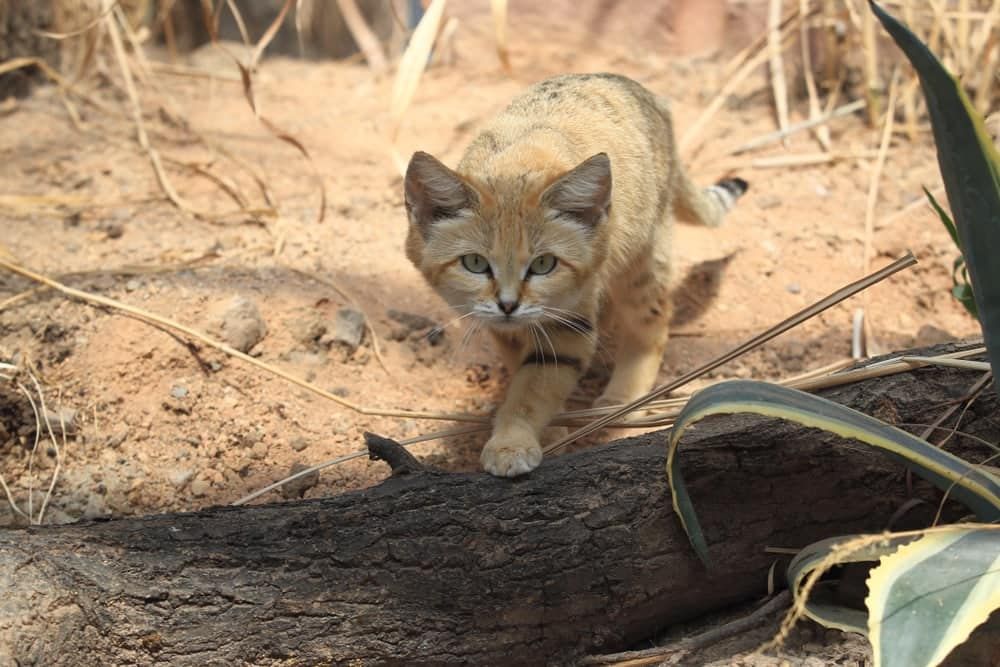
Sand cats are a unique species of cat that are adapted to survive in the harsh desert environment. These small, sandy-colored felines have evolved over thousands of years to become adept at surviving the extreme temperatures, lack of food and water, and other challenges that come along with living in one of the harshest climates on earth. In this article, we will explore the various ways sand cats are able to survive in the desert and what makes them so well-suited for this difficult environment.

What Are Sand Cats?
Sand cats have existed for thousands of years. They are believed to be one of the oldest species of wild cats still in existence today. Sand cats are also closely related to domestic cats, suggesting that they may have descended from common ancestors millions of years ago.
There are two recognized breeds of sand cats, the African sand cat (Felis margarita) and the Asiatic sand cat (Felis thinobia). Both of these breeds share similar physical characteristics, such as short legs and a broad head. However, they differ in their coloration and size. The African sand cat is usually gray to yellowish-brown in color with darker stripes on its fur, while the Asiatic sand cat has a unique gray-white pattern with black stripes on its body. Additionally, the African species is typically larger than the Asiatic variety.
Both of these animals have adapted well to living in harsh desert conditions and have become important components of their respective ecosystems. They play an essential role in controlling the populations of rodents and other small mammals in their habitat.


The 3 Adaptation Methods for Cats to Survive in the Desert
Sand cats typically inhabit arid environments such as deserts, semi-arid shrublands, and other open areas with sparse vegetation. They are native to North Africa, the Middle East, and parts of Central Asia. They can also be found in some desert regions of India and Pakistan. These places can receive extremely hot temperatures in the daytime, but they can also get extremely cold at night. Food sources and shelter that other cats find in the wild are often scarce in the desert. Let’s look at some specific ways that sand cats have adapted to survive these conditions.
1. Temperature Regulation/Camouflage
The most important adaptation that sand cats possess is their thick fur. Their fur is much thicker than other species of cat, giving them protection from extreme cold nighttime temperatures and from sandstorms. They are able to regulate their body temperature by panting, and they also seek shelter during the hottest parts of the day. This, combined with their burrowing ability, allows them to remain cool even when temperatures soar above 100°F (38°C).
Additionally, their fur color matches their environment, which helps them better absorb or reflect heat from the sun, depending on their immediate needs. It also acts as a form of camouflage from predators by allowing them to blend in with their environment.
2. Dehydration Tolerance
Sand cats are also able to go long periods of time without food or water. This is due in part to their ability to conserve energy and seek out food sources that would otherwise be hard to find in the desert. They are also able to tolerate extreme temperatures, as their body’s core temperature will change depending on the environment.
Sand cats will typically prey on small rodents, reptiles, and even insects. They also scavenge for food when they need to, as they can survive without regular meals.

3. Shelter
The sand cat is also a natural digger, which helps them find shelter from extreme temperatures and predators in the sand. They are able to burrow underground for protection and can cover up to 3-4 feet deep in a single night. This is also a way for them to find food, as they can dig up small animals that make their home in the sand.
FAQs About Desert Sand Cats
How Long Can a Sand Cat Live in the Desert?
Sand cats can live up to 12 years in the wild if they have access to food and water. In captivity, they can far exceed this, as they are provided with all of the resources necessary for them to survive, as well as the lack of environmental hazards and predators that these animals may face.
How Big Do Sand Cats Get?
Sand cats can weigh up to 7 pounds and reach lengths of 38-44 centimeters (15-17 inches). They typically have sandy brown fur and blue eyes.
Are Sand Cats Shy or Aggressive?
Sand cats are generally shy and solitary creatures. These wild cats will usually flee rather than fight if threatened, though they are capable of defending themselves if necessary.
What Threats Do Sand Cats Face in the Wild?
Sand cats are threatened by habitat loss, hunting, and trapping. They are also vulnerable to domestic animal diseases, which can spread quickly and easily through the population.

Are Sand Cats Endangered?
Sand cats are currently classified as Least Concern on the IUCN Red List of Threatened Species. It is difficult to estimate the actual number of sand cats, as they have low population densities in inhospitable conditions that make it challenging to census. However, there are reports of local declines. Habitat loss and degradation due to human settlements are the biggest risk for this species.
What Conservation Efforts Are Being Taken to Help Sand Cats?
Conservationists and researchers are working to protect the habitats of sand cats by creating protected areas and enforcing regulations on hunting. They are also researching ways to breed these animals in captivity and reintroduce them back into the wild. Additionally, education and awareness campaigns are being conducted in order to inform the public about sand cats and their plight.
What Can I Do to Help Protect Sand Cats?
There are a few simple ways you can help protect wild sand cats. One is by donating to conservation organizations that are working to preserve their habitats and educate the public about their importance. Additionally, you can spread awareness about these animals online or in your community by talking with friends and family members who may be interested in learning more about them. Finally, avoid purchasing products made from endangered animal parts, such as fur coats or jewelry, as this contributes to habitat loss for sand cats and other species.
Do Sand Cats Make Good Pets?
No, sand cats do not make good pets. These animals are wild and require special conditions to be kept in captivity that are difficult to replicate in a domestic setting. Additionally, they have strong instincts that may lead them to try and escape or behave unpredictably if kept as a pet. Therefore, it is best not to try and keep a sand cat as a companion animal. Furthermore, the IUCN considers it illegal to capture or trade these animals without proper permits.

Conclusion
The sand cat is an incredible species of cat that has adapted to the harsh desert environment over thousands of years. Through unique adaptations, such as thick fur, the ability to conserve energy, and digging skills, they are able to survive in one of the most extreme climates on earth with ease. It is truly amazing how this small feline has been able to survive in the desert for so long.
Featured Image Credit: Eva Kohoutova, Shutterstock
Expert cat care, straight to your inbox
News, insights, and useful advice, delivered to you.

No spam — unsubscribe anytime.
By signing up, you agree to our Terms & Conditions and Privacy & Cookies Policy.
How useful was this post?
Click a star to rate. You can leave written feedback afterwards. (We read all feedback.)

Christian started writing for a local newspaper as a teenager, and he's been involved in the publishing industry for most of his adult life. Combining his love of writing with a passion for animals, he is currently the Director of Editorial at Pangolia and the Editor-in-Chief at Catster.
Christian lives in the Philippines with his wife, son, and four rescue cats: Trixie, Chloe, Sparky, and Chopper.