Catster is reader-supported. When you buy via links on our site, we may earn an affiliate commission at no cost to you. Learn more.

Cat Health & Care

Healthy Cat Ears: 6 Vet-Verified Care Tips

By Elizabeth Gray · Reviewed & fact-checked by Dr. Ashley DarbyVet Approved
Dr. Ashley Darby
Reviewed & Fact-Checked byDr. Ashley DarbyBVSc (Veterinarian)
Ash has worked in mixed and small animal emergency clinics and general practice ever since 2017 after graduating from Sydney University. She grew up in South Africa and England before moving to Australia, and her passion for animals came from many childhood safaris in the Kruger National Park.View authorThe information is current and up-to-date in accordance with the latest veterinarian research. Read about our vets
Share
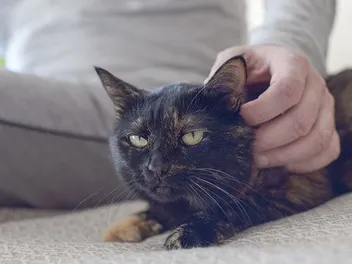
owner-checking-his-cats-ear

Like dogs, cats need a regular grooming routine to stay healthy. Brushing your cat is key, especially if they have long hair, but did you know you should also check your cat’s ears regularly?

This is to prevent ear infections, which can lead to other conditions if they aren’t treated properly. Here are five tips on how to care for your cat’s ears to keep them healthy.

divider 1 paws

The 6 Tips to Care for Your Cat’s Ears

1. Examine Their Ears Frequently

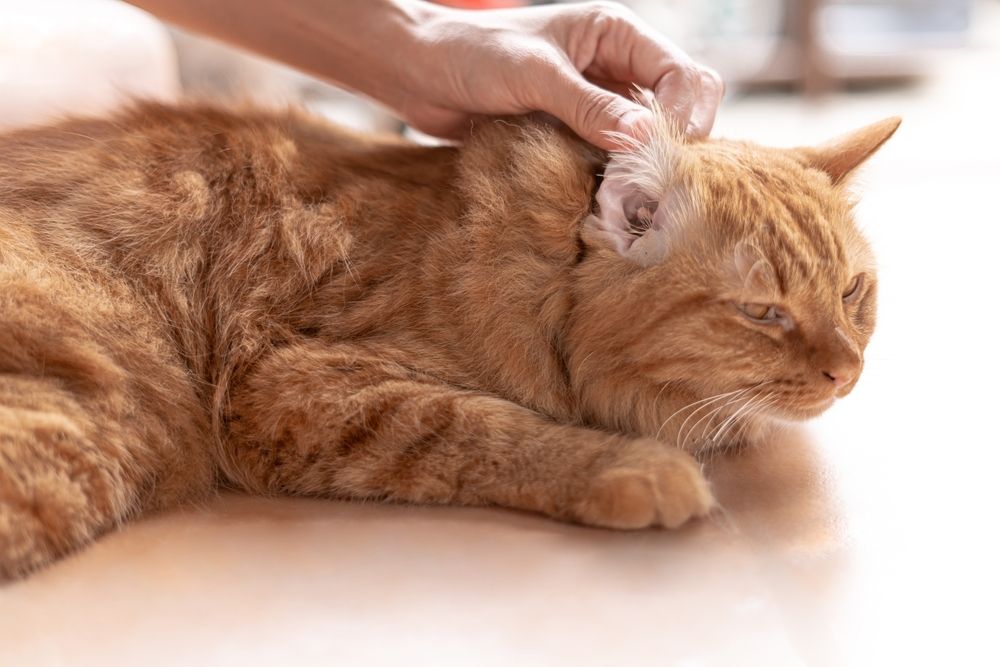
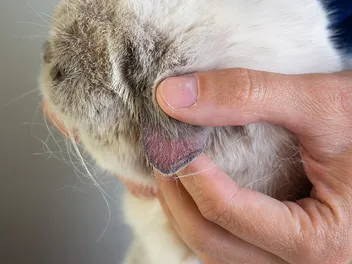
Every few days, visually inspect your cat’s ears for any signs of trouble. Check the outside of the ears for scabs, scratches, redness, or patchy fur. The outer ear, or pinna, should be clean and free of swelling, redness, discharge, or visible injuries.

Look into the ear canal and check for earwax, discharge, or swelling. Watch for signs that your cat’s ears are itchy or painful. These include shaking the head, head tilting, scratching, or vocalizing.

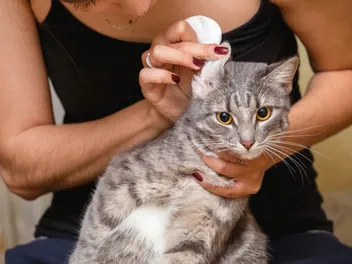
woman-cleaning-cat-ear
Image Credit: frantic00, Shutterstock

2. Use Your Nose

Healthy cat ears should never have an odor. When you look at your cat’s ears, also give them a quick sniff test. If you notice a foul or yeasty smell coming from your kitty’s ears, they could be dealing with an ear infection.

You can make an appointment with your veterinarian to confirm this condition. Ear infections can be quite painful and don’t get better without treatment. Catching the infections early can make the treatment easier and more successful.


3. Don’t Over-Clean the Ears

As confusing as it sounds, over-cleaning your cat’s ears can make them more vulnerable to infection. Most of the time, cat ears are naturally clean without our help. Cleaning the ears when they aren’t dirty adds moisture into the ear canal, which becomes a perfect breeding ground for yeast and bacteria.

Cleaning your cat’s ears once a month and drying afterwards should be sufficient to keep them clean and healthy. If you are needing to clean them more frequently, especially if discharge builds up after only a few days, see a veterinarian, as the ears may be infected.

woman-cleaning-cat-ears
Image Credit: NONGASIMO, Shutterstock

4. Use the Right Cleaner

If you need to clean your cat’s ears, it’s essential to choose the right products to prevent more problems. Look for a feline ear cleaner, which is available over the counter or from your veterinarian.

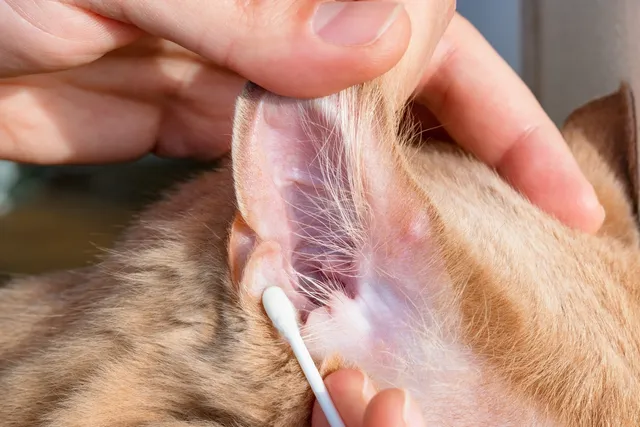
Avoid using water, alcohol, or hydrogen peroxide since they can be irritating to the ear. They can also be painful if the ear is swollen or ulcerated. In addition to a pet-safe cleaner, you’ll need cotton balls or gauze to wipe the ear. Don’t use Q-tips to clean your cat’s ears.


5. Clean Before Medicating

If your cat is diagnosed with an ear infection, your vet may prescribe a course of topical medication to treat the condition. You may also be instructed to clean your cat’s ears more frequently.

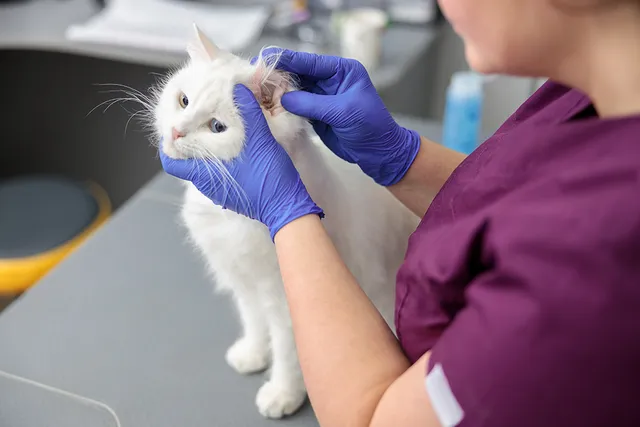
vet checking cat ear
Image Credit: Milles Studio Shutterstock

6. Prevent Ear Mites

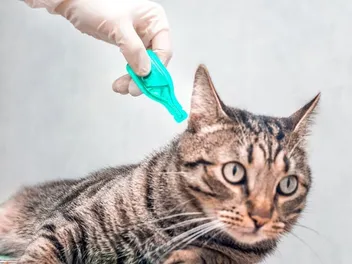
Ear mites are one of the most common causes of ear problems in cats, and lead to itching and secondary infections. Luckily they are easily prevented with topical preventatives, as long as all pets in the house are up to date with treatment, the problem is easily solved.

divider 2 cats

How Do I Clean My Cat’s Ears?

We discussed the supplies you need for cleaning your cat’s ears earlier (cleaner, cotton balls, gauze,) but how do you actually get the job done?

Here are the steps you need to follow:

  • The first step is to ensure you and your cat are comfortable and safe. That means choosing a time when your cat is relaxed and rested, such as just after a meal. Go to a quiet room away from other pets and human family members.
  • Wrap your cat loosely in a towel or ask a trusted (by the cat) person to help hold your kitty still. Ensure you have plenty of treats to reward your cat during the ear cleaning.
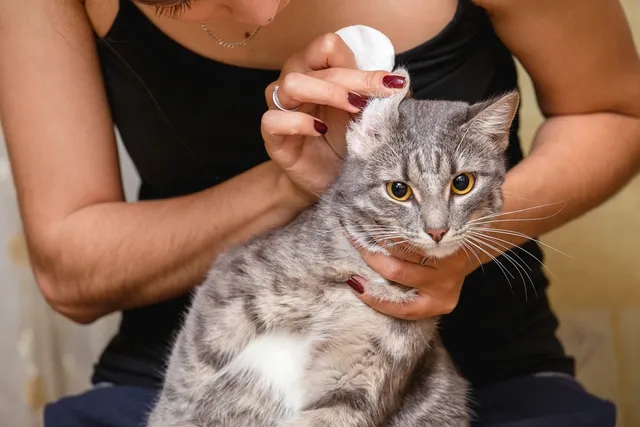
  • Squeeze a small amount of cleaner into your cat’s ear and massage the base to work the liquid down into the canal. You can squeeze directly from the bottle or wet a cotton ball/gauze and squeeze it in that way.
  • Let your cat shake their head and then use the gauze or cotton balls to wipe out the ear canal and outer ear. Don’t stick Q-Tips or anything else into the ear canal to prevent damaging the eardrum.
  • Repeat the process until the ears are clean. Reward your cat with treats and apply medication if needed before you release your pet.
  • Ideally, you should start teaching your kitten to accept ear cleaning and handling early. This will make the process easier once they’re grown.
Our recommendation
Hepper Pet Wash Wipes
  • Gentle Care For All Pets - Infused with moisturizing hypoallergenic ingredients & enriched with cucumber & aloe fragrance for healthier fur, coat & skin, the ultimate dog and cat cleaning wipes
  • Deep Cleans From Head to Tail - Tackle the toughest dirt & messes with our extra strong pet wipes for dogs, cats and other pets while being gentle on sensitive areas like the face, ears, butt & paws
  • Freshness On The Go - Each dog grooming wipes pack contains 30 counts of premium dog wipes that leaves your pets fresh. Packed in resealable packaging, keeping the cat wipes fresh & ready whenever

Cleaning your cat's sensitive areas can be tricky, but high-quality wet wipes can make it much easier. Try a natural, hypoallergenic option like Hepper's Wash Wipes, made with moisturizing ingredients and specifically designed to gently clean your cat's skin and fur. These wipes are as convenient as they are effective!

At Catster, we’ve admired Hepper for many years and decided to take a controlling ownership interest so that we could benefit from the outstanding designs of this cool cat company!

divider 3 paws

Conclusion

Keeping your cat’s ears healthy isn’t a complicated process, but it requires you to pay attention. You can follow the five tips in this article to care for your cat’s ears as part of a regular grooming routine. Frequent ear inspections should help you catch any brewing infections early. If you notice signs of an ear infection, take your cat to the veterinarian as soon as possible.

Sources

Featured Image Credit: NONGASIMO, Shutterstock

The Catster Newsletter

Expert cat care, straight to your inbox

News, insights, and useful advice, delivered to you.

No spam — unsubscribe anytime.

By signing up, you agree to our Terms & Conditions and Privacy & Cookies Policy.

Click a star to rate. You can leave written feedback afterwards. (We read all feedback.)

Elizabeth Gray
Authored by

Elizabeth Gray

Leave a Reply

You're very welcome to leave a comment or question. Please know that all comments must meet our community guidelines, and your email address will NOT be published. Let's have a positive and constructive conversation.

How to Clean Cat Ears: Vet-Approved Step-by-Step Guide

How to Clean Cat Ears: Vet-Approved Step-by-Step Guide

Cats are pros at personal hygiene and maintenance. However, their ears are one of those areas that they, unfortunately, cannot groom effectively, and sometimes…

Ashley Bates
By Ashley Bates ·
Ear Infections in Cats: Vet-Reviewed Causes, Signs & Care Tips

Ear Infections in Cats: Vet-Reviewed Causes, Signs & Care Tips

It’s always terrible when our cats come down with something. Whether it’s a cold or an injury, we want to get them feeling better again as soon as possible. On…

Misty Layne
By Misty Layne ·
How Often Should You Clean Your Cat’s Ears? Vet Approved Facts & Step-by-Step Guide

How Often Should You Clean Your Cat’s Ears? Vet Approved Facts & Step-by-Step Guide

Cats normally spend about 50% of their waking hours licking themselves as a self-grooming technique.1 However, their ears are out of their reach. So, how often…

Oliver Jones
By Oliver Jones ·
8 Vet-Reviewed Common Cat Ear Problems & How to Treat Them

8 Vet-Reviewed Common Cat Ear Problems & How to Treat Them

Who doesn’t love cat ears? They’re adorable and hilariously expressive! As charming as a pair of kitty ears can be, they can also cause your pet pain and disco…

Jordyn Alger
By Jordyn Alger ·

Treating Ear Mites in Cats: Vet-Approved Tips & Tricks

Cats have incredible ears! Their hearing range is over 10 octaves, more than dogs or humans, and they have 32 muscles in each ear to help them pinpoint sounds…

Chelsea Mortensen
By Chelsea Mortensen ·
Treating Ear Mites in Cats: Vet-Approved Tips & Tricks

How to Tell If My Cat Has Ear Mites: 5 Vet-Reviewed Signs To Look For

Ear mites are small parasitic creatures that can cause significant damage to cats' ears. Left untreated, ear mites can lead to a serious infection and even dea…

Christian Adams
By Christian Adams ·
How to Tell If My Cat Has Ear Mites: 5 Vet-Reviewed Signs To Look For

Cat Yeast Infection vs. Ear Mites: Vet Reviewed Differences (With Pictures)

If your cat is constantly shaking their head and scratching their ears, a few scenarios may come to mind: Are they allergic to something? Are they sick? Have t…

Genevieve Dugal
By Genevieve Dugal ·
Cat Yeast Infection vs. Ear Mites: Vet Reviewed Differences (With Pictures)

5 Natural Home Remedies For Ear Mites in Cats

You know your cat is fastidious about grooming and keeping themselves clean, so if you’ve noticed a grim-looking blackish-brown discharge from their ears, you…

Dr. Karyn Kanowski
By Dr. Karyn Kanowski ·
5 Natural Home Remedies For Ear Mites in Cats

How to Prevent Tick Bites on a Cat: 6 Vet-Approved Methods

The winter season will soon be winding down, and the warmer temperatures will descend. If you have a cat, you know that spring and summer are prime tick season…

Patricia Dickson
By Patricia Dickson ·
How to Prevent Tick Bites on a Cat: 6 Vet-Approved Methods

Why Cat Ear Sores Shouldn’t Be Ignored (Even Small Ones)

You're giving your cat a head scratch when your fingers catch on something rough. You pull your hand back and look closer - there's a scab on the edge of their…

Dan Seymour
By Dan Seymour ·
Why Cat Ear Sores Shouldn’t Be Ignored (Even Small Ones)

10 Surprising Facts About Cat Ears: Vet-Approved Guide

Cats can be funny pets that do things that leave us feeling puzzled or amazed. As more research is being done on cats, experts are finding fascinating discover…

Jessica Kim
By Jessica Kim ·
10 Surprising Facts About Cat Ears: Vet-Approved Guide

How to Keep Your Cat’s Eyes Healthy: Vet-Approved Guide

A cat’s eyes are among the most beautiful features that they display, and they also happen to be among the most important. They are extremely helpful when it c…

Rachael Gerkensmeyer
By Rachael Gerkensmeyer ·
How to Keep Your Cat’s Eyes Healthy: Vet-Approved Guide

Love Cats? So Do We! Join the Catster Community

Stay informed with expert cat care insights delivered straight to your inbox! Discover professional guidance on feline behavior, feeding tips, trusted product picks, and much more.

You may opt-out at any time. View our Privacy Policy for more information.

The Catster site on a phone