European Shorthair vs. American Shorthair: What’s the Difference? (With Pictures)


In this article
Cats and dogs can be bred to have purebred lineages that focus on pulling out certain traits to standardize the breed.
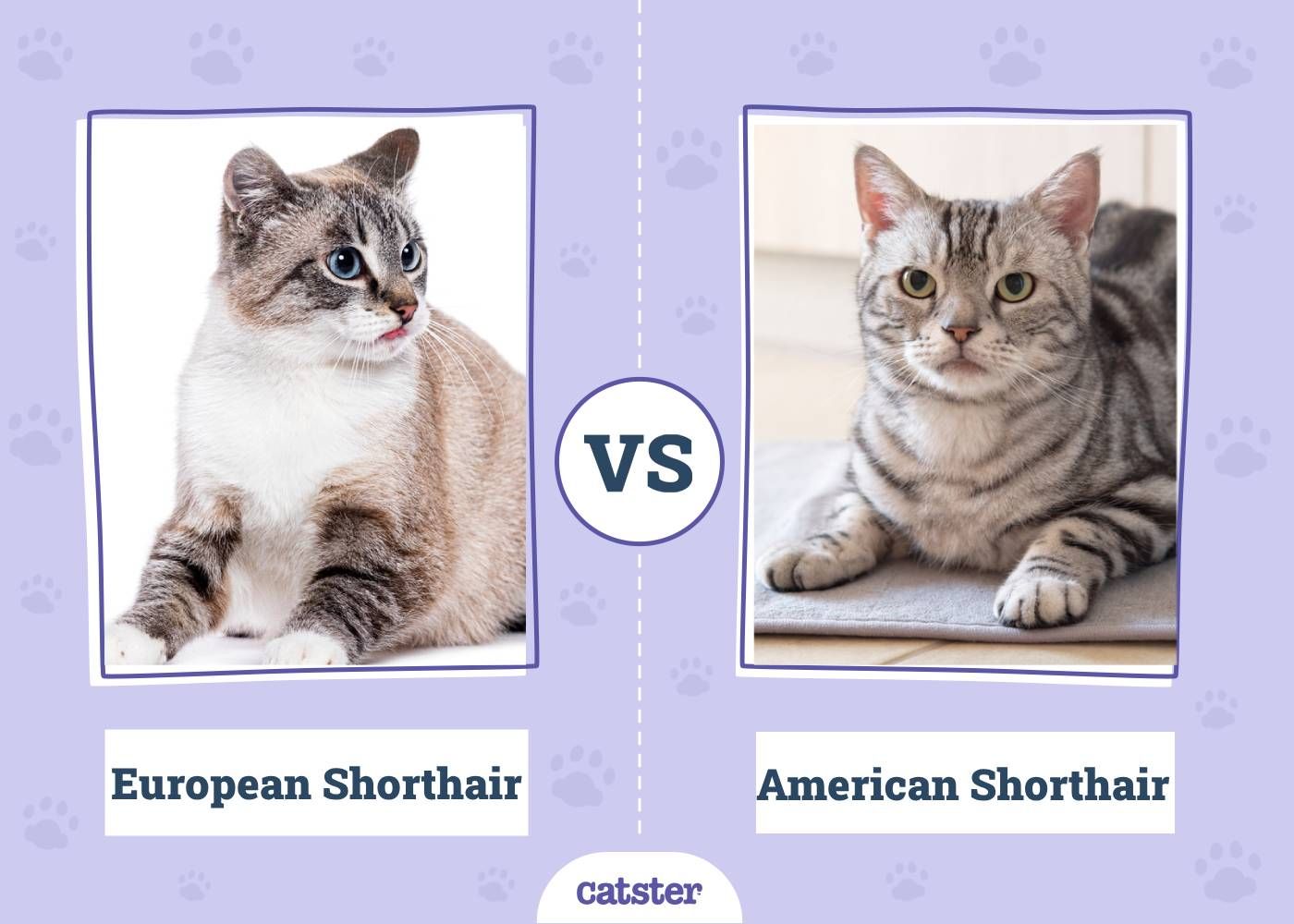
Shorthair cats are related to many of the domesticated breeds that we have today. They do not come from old stock but have been bred purposefully nonetheless. Many people believe that there are only two purebred shorthair cat breeds, but actually, there are three. These include the American Shorthair, the British Shorthair, and the European Shorthair.
The American and British Shorthairs are the better-known of the trio. They have been recognized as distinct breeds for longer, while the European Shorthair was recognized as a separate breed more recently.

Visual Differences

At a Glance

European Shorthair Overview

Personality / Character
The European Shorthair is a beloved cat for their ability to adapt to new environments quickly and be relatively content no matter where they find themselves.
They are a good cat to have around if you have visitors frequently coming in and out or you already have other animals in the home. They do have a high prey drive, so keep creatures like hamsters out of their reach.
These kitties are loving and lovable. They adore their pet parents and will often form strong bonds with their families. Most need plenty of attention and cuddling during the day. These cats love to play around, so having plenty of cat toys around will help them get their daily exercise.
They are intelligent as well. This combination means that it will help both them and you to exercise them mentally, giving them food puzzles to hone their instincts and keep them occupied.
History
The primary difference between the Shorthairs of the world is the region they come from and the length of their maintained breeding. Geographically, the British and American Shorthair have had a further distance to develop separately from each other. The European Shorthair has become a different breed over time, but it is still difficult to characterize using physical traits alone.
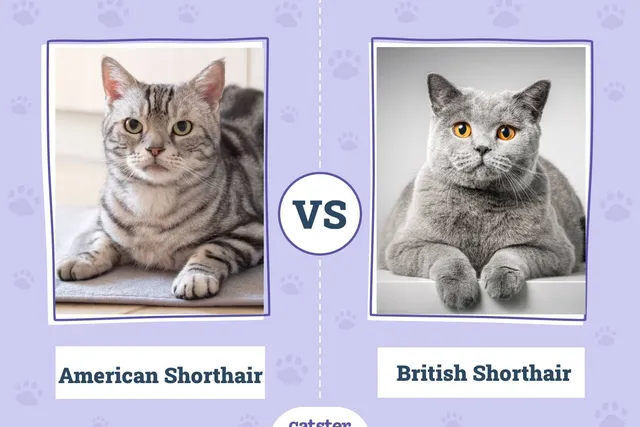
The British Shorthair was the first one to be bred as distinct from the other domesticated shorthairs. The breed was first recognized in the 1870s, and they have a blockier body type because of selective breeding and historical influence from Persian cats in their general genetic pool. The American Shorthair was next.
The European Shorthair is recognized by FIFe (Fédération Internationale Féline) and some other registries, although recognition varies among cat associations.FIFe is based in Luxembourg, where the shorthaired cat has predominantly been established and was recognized in 1992.
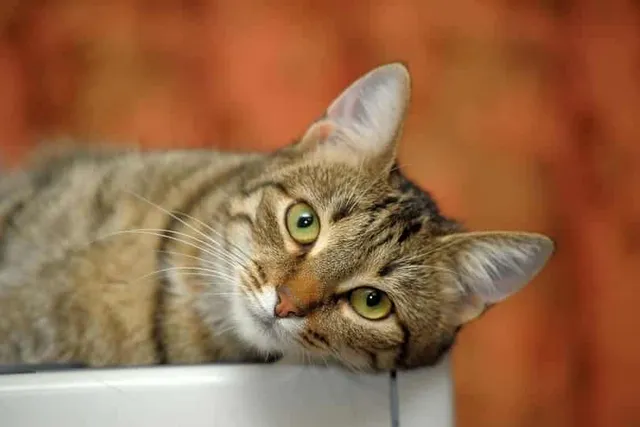
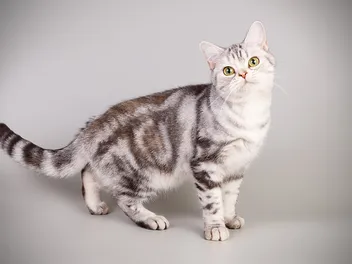
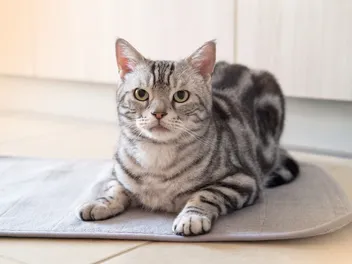
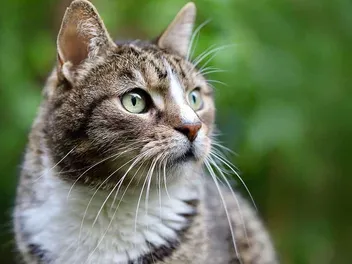
The breed has an established breed standard recognized by FIFe. Their description has them looking similar to naturally occurring domestic shorthaired cats, although the breed standard specifies distinct physical characteristics, including a medium to large, muscular body, a rounded yet slightly longer-than-wide head, medium-sized ears with rounded tips, and a short, dense coat.

Health & Care
The European Shorthair knows how to take care of themselves fairly well. They are excellent self-groomers, but will need a bit of help from you in taking care of certain other grooming aspects. These include trimming their claws, since they are no longer outdoor predators. They also need you to brush their teeth regularly, ideally daily or as often as possible, to help reduce the risk of dental issues later in life.
European Shorthairs generally have a sturdy body type. They need to be encouraged to be athletic by having daily playtime, so they don’t gain unnecessary weight. Choose cat food that is complete and balanced for their life stage and appropriate calorie needs.
Suitability
The European Shorthair cat is best for families with enough time to give them love and play with them each day. They do just as well in families with singles or seniors as they do in ones with small children. If you do have young children, teach them how to properly handle the cat so neither ends up getting hurt.
American Shorthair Overview

Personality / Character
The American Shorthair cat is excellent if you need a companion. On the whole, these old mousers are known for being easy-going and adaptable, similar to their European counterparts. They are exceptionally loving and will often enjoy time spent curled up on your lap or beside you whenever you have the time.
These cats are not high maintenance. While they do love to play and need daily playtime, they are also talented at keeping themselves occupied. They develop quite a strong bond with all their family members and will often be eager to interact when you arrive back home. They generally do quite well in homes with other non-prey animals when properly introduced.
History
The American Shorthair is one of the few cat breeds considered native to the United States. But historically speaking, the breed originated in Europe. They were initially brought over as mousers on ships by European settlers. The pilgrims used them to keep stores of food safe and free from vermin.
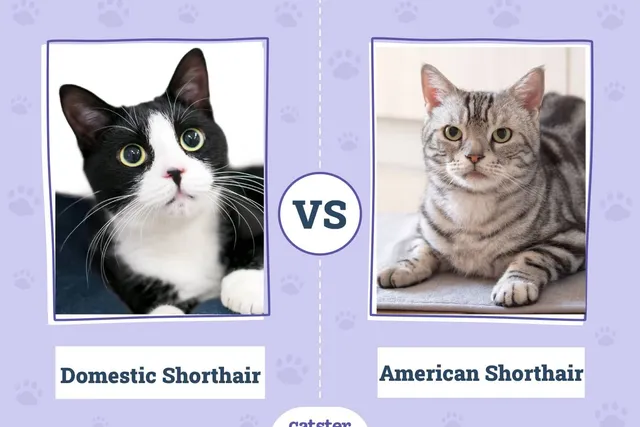
In 1904, the first recorded American Shorthair cat was registered with the Cat Fanciers' Association's predecessor registry. The British Shorthair was one of their foundational influences, and their name changed to the American Shorthair in 1966. They were originally known as the Domestic Shorthair.
Health & Care
Similar to the European Shorthair, the American Shorthair is an easily managed cat. They are talented self-groomers that, by and large, keep themselves clean. They do need their nails clipped at regularly, and they benefit from having their teeth brushed regularly, ideally daily or as often as possible, as well.
Brushing the American Shorthair is a bit more critical than with the European. They groom well, but they have thicker coats and will lose more hair seasonally. These cats have a dense, thick coat that benefits from regular brushing to remove loose hair and help prevent matting.

Suitability
The American Shorthair cat is a suitable companion animal for almost anyone. They enjoy being around loving families but do well with singles and seniors. As long as you can make enough time to play with them and give them loving attention, they will generally thrive in the home.
Which Breed Is Right for You?

There is almost no difference between the two in terms of personality or maintenance. If you want a cat that has a somewhat less dense coat and may require slightly less grooming, then choosing the European Shorthair way could suit you well. Europeans are harder to find, though, because they are less widely recognized by cat registries outside Europe and may be less commonly available in some regions.
See also:
Featured Image Credit: Left - Eric Isselee, Shutterstock | Right - Apisit Hrpp, Shutterstock
Expert cat care, straight to your inbox
News, insights, and useful advice, delivered to you.

No spam — unsubscribe anytime.
By signing up, you agree to our Terms & Conditions and Privacy & Cookies Policy.
How useful was this post?
Click a star to rate. You can leave written feedback afterwards. (We read all feedback.)
Christian started writing for a local newspaper as a teenager, and he's been involved in the publishing industry for most of his adult life. Combining his love of writing with a passion for animals, he is currently the Director of Editorial at Pangolia and the Editor-in-Chief at Catster.
Christian lives in the Philippines with his wife, son, and four rescue cats: Trixie, Chloe, Sparky, and Chopper.