Do Cats Like the Scent of Lemon? Vet Reviewed Facts



Cats are known for their curious nature and love of exploring new things. But get them around citrus fruits like lemon, and you may be surprised by their reaction. Cats do not like the scent of lemon, and the smell can be quite overwhelming to them.
There are several reasons that felines don’t like the scent of lemon. Let’s take a closer look!

Why Don’t Cats Like Lemon?
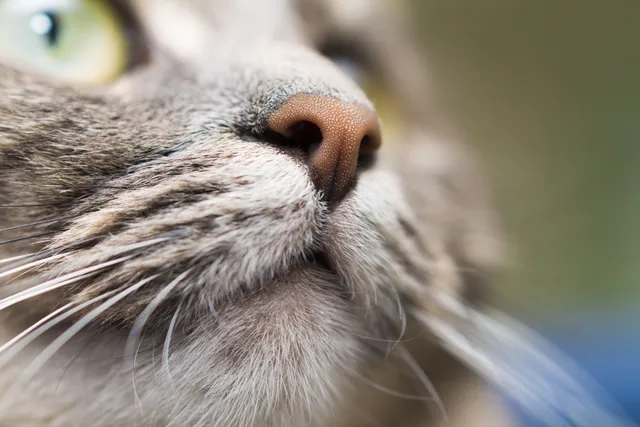
One of the primary reasons cats do not like the smell of lemons is that citrus fruit scents are strong. Cats have a keen sense of smell and taste, so when they encounter a lemon, their nose can detect its pungent and acidic aroma. This can be quite unpleasant for cats, as it is not something they find enjoyable to smell.
Moreover, the nose of cats is much more sensitive than ours, so the intensity of the odor may be even more offensive to them than it is to us. While humans have around 5 million scent cells, cats have up to 200 million1!
This means that any dislike toward lemon is significantly amplified, and thus, the smell can be overpowering for cats and make them feel uncomfortable.

Beyond the fruit's sour and offensive odor, the oils in lemons can irritate a cat’s skin and eyes. The oil from the rind can also get onto the cat’s fur, resulting in dermatitis. Since they can be so dangerous for them, it is important to keep lemons away from cats, especially if the peels or leaves of the plant are at risk of being ingested.
Although cats don’t like the smell of lemons, other scents may be more appealing to them.
Cat Care Tips: What Smells Do Cats Like?
Cats are sensitive creatures, and the smell of lemons can cause them discomfort. Therefore, it’s important to be aware of what smells cats like and avoid using potentially offensive scents around them.
In general, cats like pleasant aromas, such as:
If you like having certain scents around the house, you should know that scented candles, ambient sprays, and diffusers are not ideal because they have been linked to respiratory issues in cats, including asthma. Essential oils are especially dangerous, and many are toxic for your kitty. However, if you want your cat to avoid certain areas, such as a shelf where you like to display pottery or glass art, add a few dry lemon peels to deter them. Just keep in mind that the scent wears off, so you will need to replace them regularly.

How to Make Sure Your Home Smells Good to Your Cat
If you want to make sure your home is a comforting and inviting place for your cat to live, there are a few things you can do.
- For starters, it’s important to keep your home clean and free of any offensive odors, especially anything lemony in nature. Cats are particularly sensitive to citrus smells in general, not just lemons. So, while you should avoid using any lemon-scented cleaning products, you should also avoid any products with a strong citrus aroma.
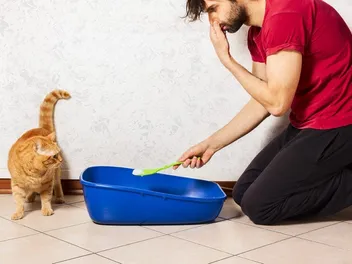
- You should also make sure your cat’s litter box is clean and free of unpleasant odors. Cats are very particular about their bathroom habits, so it is important to keep their litter area clean and fresh. This means scooping out the used litter every day, adding baking soda or another odor neutralizer, washing the litter box regularly, and replacing the litter as needed.
- Another helpful tip is to invest in a HEPA filter air purifier or deodorizer to help keep the air in your home fresh and clean, as this will help prevent any odors from lingering. It'll also reduce the amount of dust or other allergens present in the air.
- Finally, it’s important to provide your cat with a clean and comfortable place to sleep and relax. Cats are naturally comfort-seekers, so having a cat bed in a quiet corner of your home can make a big difference. Make sure the bed is made up with something soft and comfortable, like fleece or wool, as this will help keep your cat cozy and content. It’s also a good idea to ensure that your cat’s bedding is regularly washed but without using anything scented that could bother your furry friend.
Conclusion
Bottom line: Cats just don’t like lemons. The scent is too sharp and pungent for them to appreciate, so they generally stay far away from anything lemony. As such, if you have a curious cat that likes to explore, it’s best to keep any lemons out of reach!
Even though most cats won’t go near the scent, there are some cats that may be more tolerant of its strong aroma. However, it’s best to play it safe and avoid the use of smelly products around your feline friend.
Featured Image Credit: Alexeysun, Shutterstock
Expert cat care, straight to your inbox
News, insights, and useful advice, delivered to you.

No spam — unsubscribe anytime.
By signing up, you agree to our Terms & Conditions and Privacy & Cookies Policy.
How useful was this post?
Click a star to rate. You can leave written feedback afterwards. (We read all feedback.)
Christian started writing for a local newspaper as a teenager, and he's been involved in the publishing industry for most of his adult life. Combining his love of writing with a passion for animals, he is currently the Director of Editorial at Pangolia and the Editor-in-Chief at Catster.
Christian lives in the Philippines with his wife, son, and four rescue cats: Trixie, Chloe, Sparky, and Chopper.