Do Cats Eat Snakes? Vet-Verified Risks & Precautions


In this article
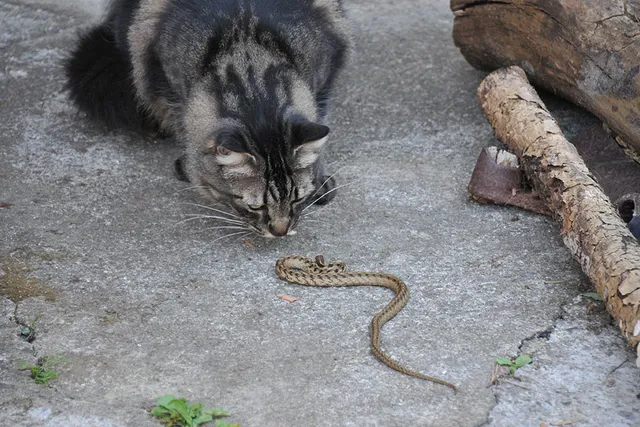
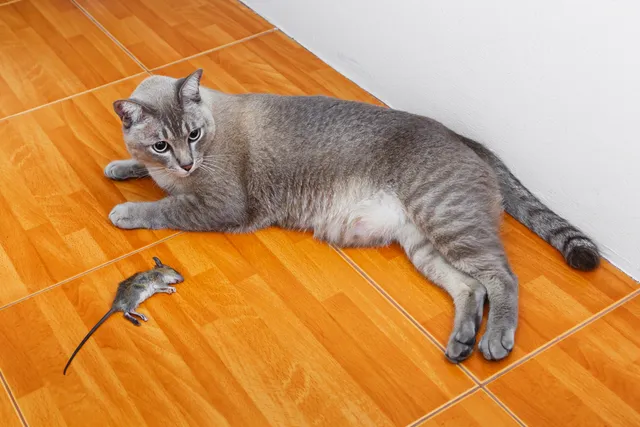
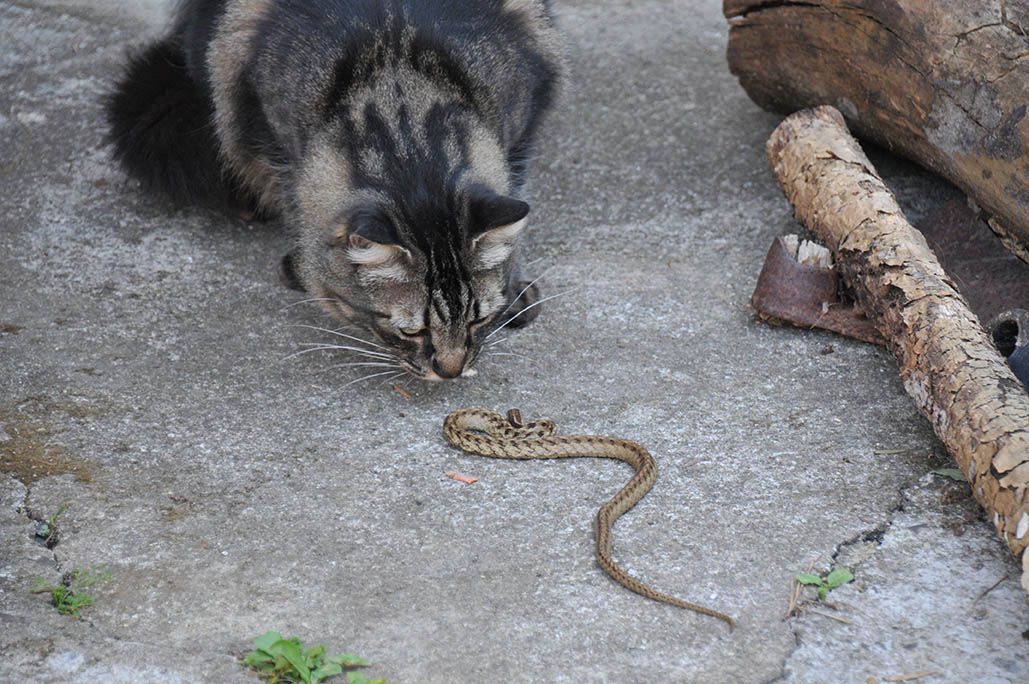
Cats are opportunistic hunters and sometimes hunt snakes as a result. Cats often hunt snakes for sport and leave the body after the game. Occasionally, cats will eat snakes, but it doesn’t happen frequently enough that you should rely on your cat to keep snakes at bay around your home.
Even though cats do not eat snakes often, it’s essential to know the health risks your cat may face if they attack a snake. For example, venomous snakes can seriously harm cats, though it is uncommon for cats to go after these snakes. Meanwhile, other types of snakes can make your cat sick.
Read on below to learn more.

Do Cats Eat Snakes?
Cats are predators, and they can and do eat several small animals, including snakes. Cats do not commonly eat snakes, but they may chow down on the remnants of a snake if they are very hungry. Feral cats are more likely to eat snakes than pet cats.
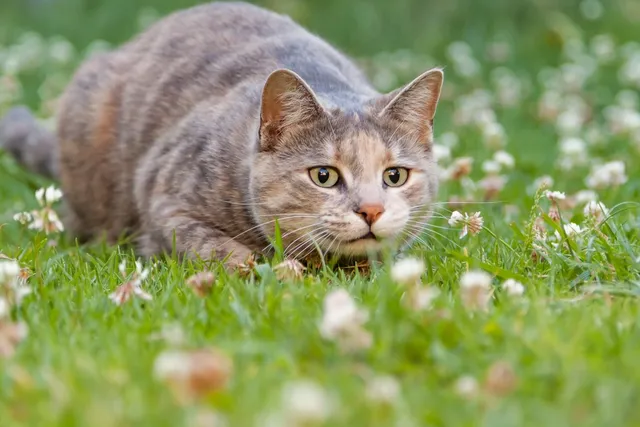
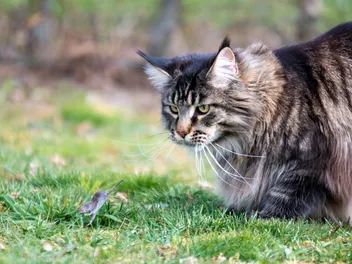
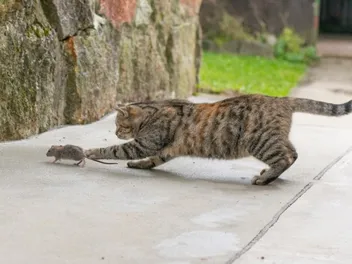
Although cats sometimes eat snakes, it isn’t very common. On the contrary, cats are predators by nature and view hunting as a game. Consequently, many cats will stake out a snake and kill it just for fun. After the snake is killed, the cat will leave its body and go about the rest of their day.
Are Snakes Healthy for Cats To Eat?
While cats are natural predators and may occasionally hunt and eat small snakes, it’s not typically considered healthy or safe for them to do so. However, the risk depends on the type of snake. Small, non-venomous snakes are usually harmless for your cat to eat. Species like garter snakes, corn snakes, kingsnakes, and rat snakes are all examples of snakes that are safe for your cat to eat.
In contrast, venomous snakes can pose a serious threat to your cat. For example, rattlesnakes, water moccasins, and copperheads are venomous and could harm your cat.

Are Snakes Dangerous for Cats?
All snakes pose a risk to your cat, including non-venomous varieties. Larger snakes can fight back, resulting in injury to your cat. Meanwhile, venomous snakes can inject venom into your cat, resulting in several serious health risks.
Even so, cats do not often find themselves as victims of snakes. As we learned above, cats mainly hunt snakes for sport. Cats will carefully consider the snake before deciding to make it prey. If the cat believes they can overpower the snake, they will hunt it for sport. Because of that, cats rarely take on giant snakes or ones that can do severe damage.
Of course, there are always incidents of the snake coming out on top. If the snake is non-venomous, the cat might have a few scratches. Venomous snakes, however, can lead to life-threatening risks due to the venom.
What To Do If Your Cat Ate a Snake
You don’t need to panic immediately if your cat ate a snake. If you know the snake was non-venomous, your cat will likely have little to no side effects. Even so, keep an eye out on your cat so you can treat them in case any side effects pop up. If you notice signs that your cat has been bitten by or consumed a venomous snake, call your veterinarian immediately.
The veterinarian will provide your cat the care they need to hopefully increase the chances of your cat’s survival. Getting them to a veterinarian immediately will increase their chances of survival.
Even if you are unsure what kind of snake your cat ingested, it’s still a great idea to call your vet. Consider researching the venomous snakes in your area as well. That way, your cat gets the treatment they need if they consume something dangerous.
Signs of Snake Venom Poisoning in Cats
- Dilated pupils
- Weakness and fatigue
- Drooling, vomiting
- Diarrhea
- Labored breathing
- Lethargy
- Loss of bladder control
- Loss of appetite
- Shaking/shivering/twitching
- Swelling of face and limbs
- Pain and swelling at the bite site
- Collapse
Chances Of Survival
Cats are two times more likely to survive a venomous snake bite than dogs. As a result, venomous snake bites are not always fatal for cats, especially if they get anti-venom within a quick time frame. Contacting your vet as soon as possible is vital if you want your cat to have as few side effects as possible after being bitten by or ingesting a venomous snake.
Final Thoughts
Although it’s rare, outdoor cats may occasionally hunt and eat small snakes. However, they are far more likely to target other animals such as birds or small mammals, or to abandon the snake after playing with it. While this may seem unsettling, it’s important to remember that cats are natural predators, and this behavior is part of their instinctual nature.
If your cat happens to eat or be bitten by a snake, it’s essential to determine what kind of a snake it is. If the snake was small and non-venomous, your cat will likely have little to no side effects. Contact your veterinarian immediately if the snake is venomous or if you are unsure if it is venomous.
Even though cats are naturally more resistant to snake bites than other species, they need appropriate veterinary care if they are on the wrong side of a venomous snake.
See Also:
Featured Image Credit: Pedro Hamilton Oliveira, Shutterstock
Expert cat care, straight to your inbox
News, insights, and useful advice, delivered to you.

No spam — unsubscribe anytime.
By signing up, you agree to our Terms & Conditions and Privacy & Cookies Policy.
How useful was this post?
Click a star to rate. You can leave written feedback afterwards. (We read all feedback.)
Christian started writing for a local newspaper as a teenager, and he's been involved in the publishing industry for most of his adult life. Combining his love of writing with a passion for animals, he is currently the Director of Editorial at Pangolia and the Editor-in-Chief at Catster.
Christian lives in the Philippines with his wife, son, and four rescue cats: Trixie, Chloe, Sparky, and Chopper.