Can Cats Eat Bones? Vet-Approved Diet Facts & FAQ


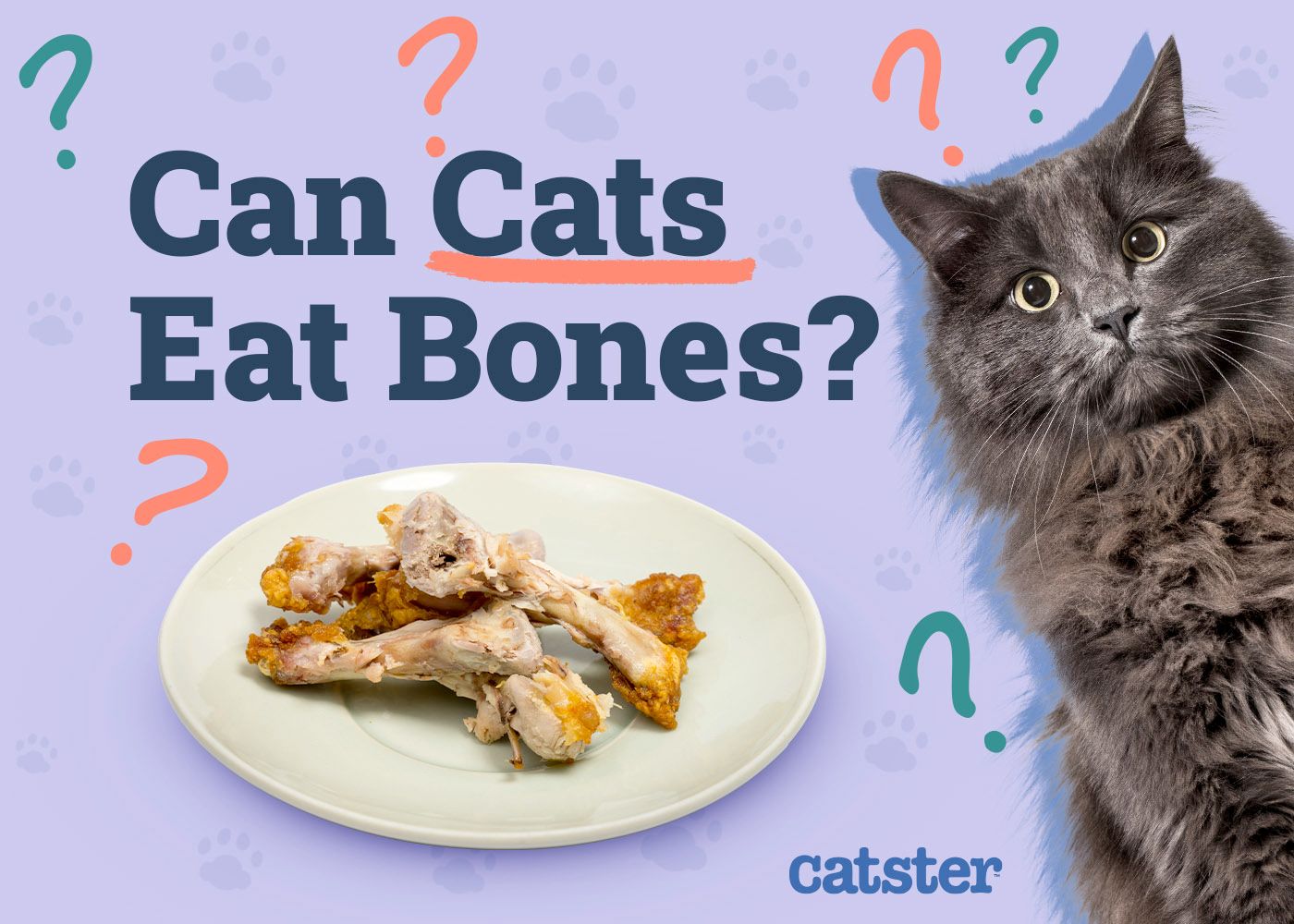
Household cats may be smaller than lions and tigers, but they share the same prowling, pouncing, and hunting instincts. Cats are natural-born killers, so you may assume that it’s safe for them to dine on bones leftover from your dinner.
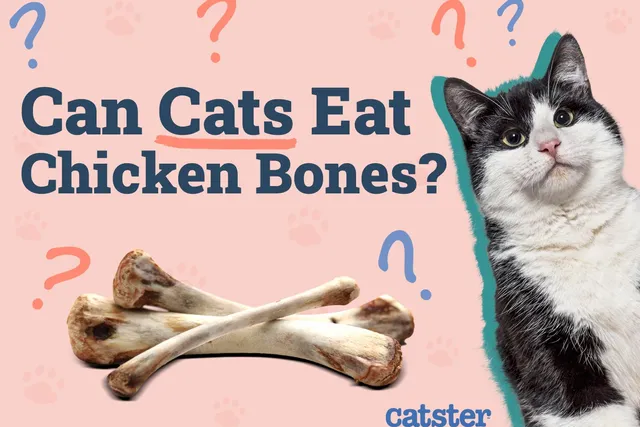
But can cats eat bones? Is it healthy for them? Your cat can eat bones, but that doesn’t mean it should. Unfortunately, no, bones are not safe for your cat, and any potential health benefits are offset by the risks. Along with damage to their teeth, bones can cause intestinal blockages, perforation, and infection.

Feeding Bones to Cats
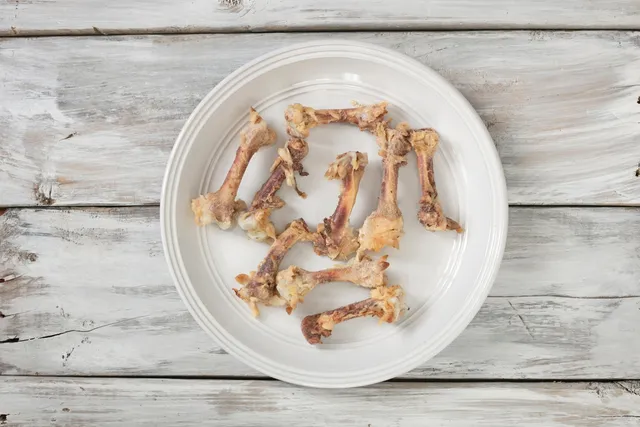
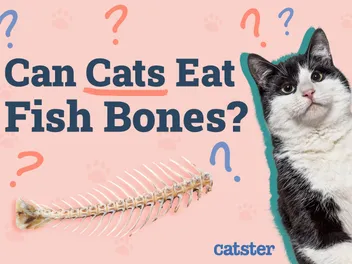
Bones, whether cooked or raw, are not recommended for cats. Small, cooked bones, like poultry bones, can splinter and break while eating, potentially leading to an intestinal blockage or perforation that’s a veterinary emergency. Even raw, these bones can cause intestinal problems and may harbor bacteria that can give your cat a serious infection.
The large, weight-bearing bones of ungulates, such as beef leg bones, may not be chewed into pieces and swallowed, but they can break or crack your cat’s teeth. The potential to clean plaque and tartar from your cat’s teeth from chewing isn’t worth the risk, especially when there are veterinarian-approved dental products commercially available.

Feral Cats vs. House Cats
You may be thinking that feral cats and their wild counterparts eat bones without a problem, so your house cat can, too. While it’s true that wild cats eat whole prey and feral cats may eat everything from whole prey to table scraps, including bones, they’re not your house cat. Wild cats are still wild and have a biologically appropriate diet, and feral cats are doing what they need to for survival. If they have a problem digesting a bone or an infection, we may not know about it.
Your cat is lucky since it is fed the best possible diet from its loving owner – you. A commercial diet certified by the Association of American Feed Control Officials (AAFCO) provides all of your cat’s basic dietary needs, including the necessary animal proteins and the minerals that come from bones, to ensure optimal health.
Feeding a Raw Diet
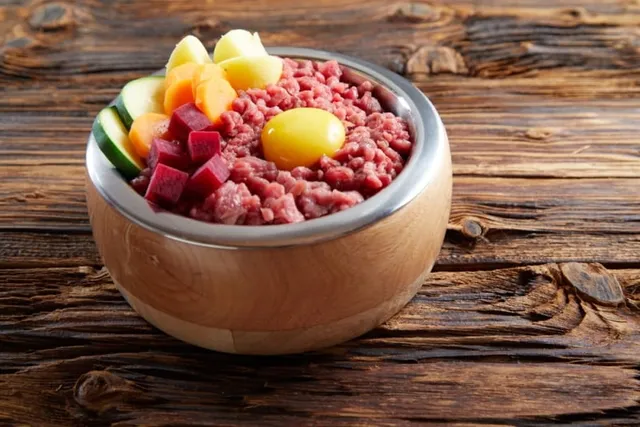
The proponents of raw bones for cats often tout the benefits of a raw diet. The idea behind feeding raw on a whole-prey model is that it mimics the cat’s natural diet before commercial food.
Except that cats have been domesticated for around 12,000 years, and while they may share some genetic traits, they are different from their wild counterparts. The Centers for Disease Control recommends against feeding raw food to dogs and cats because of the risk of illness to the pet, as well as the people living in the household.
In addition, cats have very specific dietary needs, a balance that’s difficult for a person to create and maintain on their own—not to mention the cost of feeding high-quality meat and providing enough variety to satisfy a cat’s needs. It’s easier to make mistakes that can have health consequences than get it right, and it’s not worth the risk.
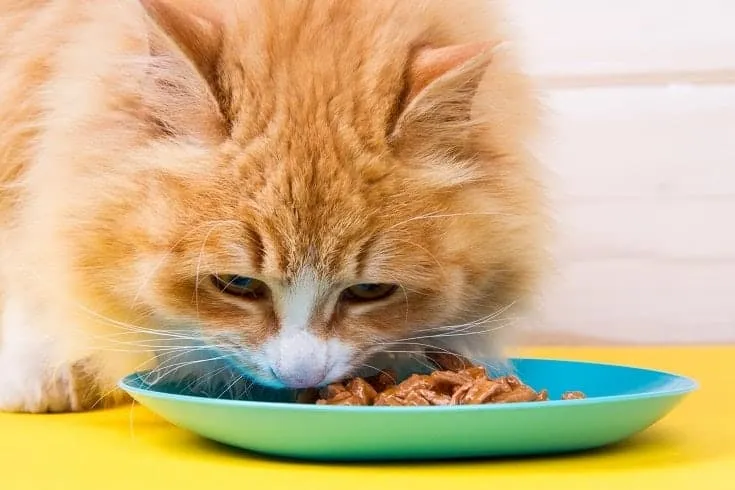
There is a third option, however. If you like the idea of feeding raw diets and including bones in your cat’s dietary rotation, you can choose a high-quality raw commercial diet. Plenty of reputable pet food brands offer raw diets with freeze-dried raw ingredients from whole prey, giving your cat the proposed health benefits of a biologically appropriate diet with a lower risk of illness or adverse effects.
Any purported benefits of raw diets are made by raw diet advocates and in the form of testimonials, however. No published peer-reviewed studies exist to support the claims of raw diet advocates, and no studies have examined the differences in pets on a raw diet versus animals on other diets other than digestibility.
Ultimately, it’s up to you whether you choose to give your cat a homemade raw or commercial raw diet for its benefits. Whichever you choose, be sure to consult with the vet about your cat’s health and the risks and benefits of a raw diet for their individual needs.
Conclusion
Cats are carnivores and evolved from the big cats that stalk the jungles, the plains of Africa, Asia, and the Americas, but that doesn’t mean they have to eat like one. Bones, whether cooked or raw, aren’t ideal for your cat and could lead to health problems like intestinal perforation or blockages, infections, or damaged teeth. Overall, the risks outweigh any possible health benefits, and you’re better off giving your cat appropriate treats.
Featured Image Credit: achirathep, Pixabay
Expert cat care, straight to your inbox
News, insights, and useful advice, delivered to you.

No spam — unsubscribe anytime.
By signing up, you agree to our Terms & Conditions and Privacy & Cookies Policy.
How useful was this post?
Click a star to rate. You can leave written feedback afterwards. (We read all feedback.)
Christian started writing for a local newspaper as a teenager, and he's been involved in the publishing industry for most of his adult life. Combining his love of writing with a passion for animals, he is currently the Director of Editorial at Pangolia and the Editor-in-Chief at Catster.
Christian lives in the Philippines with his wife, son, and four rescue cats: Trixie, Chloe, Sparky, and Chopper.