Carrageenan In Cat Food: Vet-Reviewed Uses, Safety & Verdict


In this article
If you’re a cat owner who likes to read pet food labels, you’ll probably come across some ingredients you don’t recognize. Since you don’t want to feed your cat anything toxic or unsafe, your next step is to research unfamiliar products.
Unfortunately, finding credible information sources regarding pet food ingredients can be tough because everyone seems to have an opinion. Carrageenan is a common component of wet cat food and many human food items. This ingredient is not without controversy, however. In this article, you’ll learn what carrageenan is, how it’s used, and our opinion as to whether carrageenan is bad for cats.

How Does It Work?
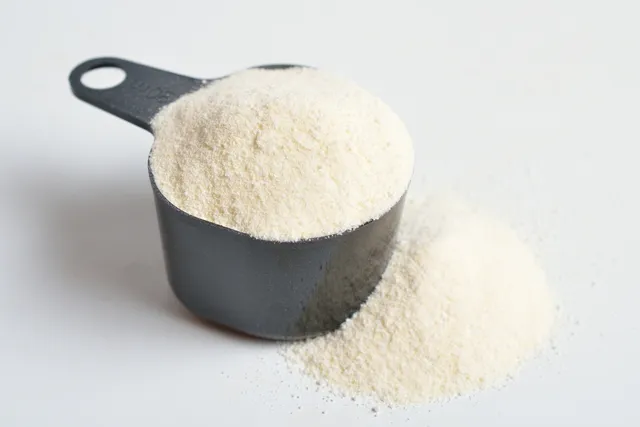
Carrageenan is a food additive extracted from red seaweed. It serves multiple purposes in pet and human food, including as a thickener, binding agent, preservative, and stabilizer. Essentially, it helps hold wet pet food together, adds bulk, and serves as a source of soluble fiber.
Carrageenan and similar gum products also help the body produce short-chain fatty acids, which help fuel the intestines and aid water and electrolyte absorption.

What Are the Different Types of Carrageenan?
Carrageenan is available in “food-grade” or undegraded form. It is also found in a semi-refined form primarily for use in pet food. The difference between the types of carrageenan lies in how they’re manufactured.
These types of carrageenan are approved for use as food additives in the United States1 and Europe2. Another type of carrageenan, degraded, is not approved for use in food. It’s known to cause inflammation and is classified as a carcinogen.
Where Is It Used?
In human food, carrageenan is common in dairy products like yogurt, cottage cheese, and ice cream. Because it serves a similar function to gelatin made from animal products, carrageenan is often found in vegan and vegetarian non-dairy milk. Deli meats and similar items also contain carrageenan.
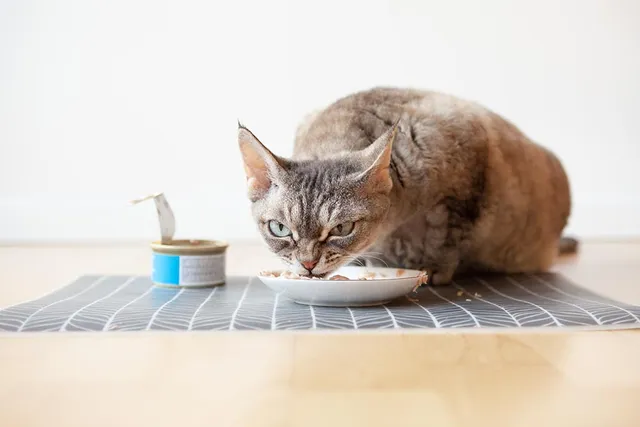
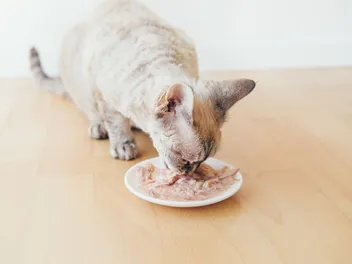
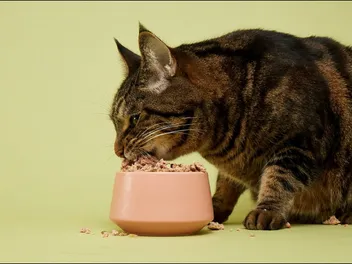
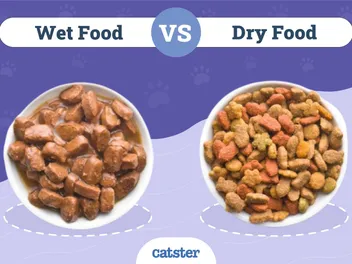
In cat food, carrageenan is found almost exclusively in canned or wet diets. Dry kibble generally doesn’t contain this ingredient.

Cat Foods Without Carrageenan
If you're concerned about carrageenan in your cat's food, you're not alone. Many pet owners prefer to avoid this ingredient, opting for carrageenan-free options. The good news is that several cat food brands have carrageenan-free options. These foods often feature limited ingredient recipes, natural preservatives, or alternative thickeners.
Here are three examples of carrageenan-free cat foods:
- Weruva Classic Cat Food - Known for its high-quality, human-grade ingredients, Weruva's wet food formulas avoid carrageenan and instead use tapioca or potato starch as a thickener.
- Tiki Cat Luau Wet Food - This brand offers grain-free, high-protein recipes without carrageenan, relying on sunflower seed oil or guar gum as stabilizers.
- Hound & Gatos Wet Cat Food - Focused on natural, meat-based ingredients, Hound & Gatos does not include carrageenan in its formulas and avoids artificial preservatives or additives.
Always ask a vet before switching to a new brand. When a vet gives you the thumbs up, introduce the food gradually to avoid upsetting your cat's digestive system.
How to Recognize Carrageenan on Cat Food Labels
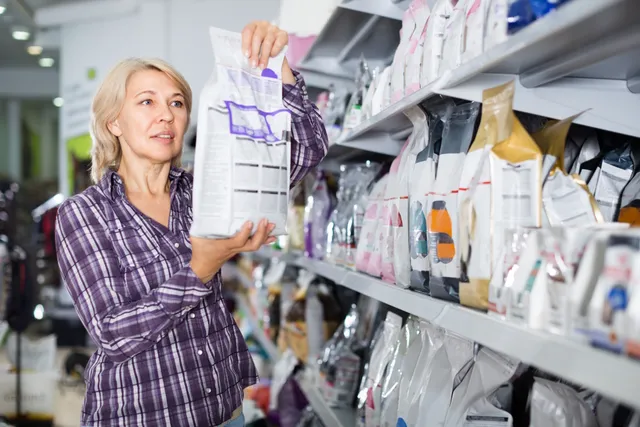
Reading labels is one of the easiest ways to identify whether your cat’s food contains carrageenan. Look closely at the ingredients list—this is where manufacturers are required to disclose all components.
1. Check for "Carrageenan" by Name
Carrageenan will often be listed outright as “carrageenan” on the label, especially in wet or canned cat foods. However, it is important to be aware of other synonyms used because, in cat food, carrageenan may be listed under various names, including "Irish moss," "seaweed extract," "red seaweed extract," "carrageenan gum," "E407," "algal polysaccharide," "vegetable gum," or "gelling agent."
2. Watch for Other Gums or Additives
If carrageenan isn’t present, brands may use alternatives like guar gum, xanthan gum, or locust bean gum. These are generally considered safer thickeners. However, it is important to note that these gums are added to cat food primarily as thickening agents, not as nutritional ingredients, so they don't provide any significant benefit to a cat’s diet. Moreover, cats with a history of gastrointestinal sensitivity, allergies, or inflammatory bowel disease may react adversely to these ingredients, even in small amounts. This is why it is very important to know what is in your cat’s food.

3. Look for Claims on the Packaging
Some pet food brands proudly advertise “No Carrageenan” on their labels. However, it's still a good idea to verify this by reviewing the full list of ingredients.
4. Examine the Source of Ingredients
Premium brands often emphasize natural or limited-ingredient diets, which are less likely to include controversial additives like carrageenan.
By carefully reviewing labels and selecting reputable brands, you can make informed decisions about your cat’s diet and avoid potentially inflammatory ingredients like carrageenan.
Advantages of Carrageenan
Carrageenan is an inexpensive way to give canned cat food bulk and hold it together. As we mentioned, it also contributes to the fiber content of the food.
This fiber plays a role in intestinal health and helps fuel digestive functions. In human food, carrageenan is a plant-based alternative to gelatin that is useful in vegan and vegetarian food production.

Disadvantages of Carrageenan
Degraded carrageenan is linked to such issues as increased inflammation, inflammatory bowel disease, bloating, allergies, and colon cancer. While this product is not supposed to be present in either pet or human food, some reports suggest that human-grade carrageenan still contains a small percentage of degraded products.
In addition, there is concern that the safe carrageenan may degrade into a more inflammatory product during digestion.

Frequently Asked Questions (FAQ)
Is Carrageenan Safe for Cats?
Answering this question is tricky simply because there’s not a lot of hard data to support any conclusions. The few studies we do have regarding undegraded carrageenan in cat food tentatively concluded that it is safe at certain levels. Because of that, it is still approved for use as a food additive in the U.S. and Europe.
Cats can’t tell us if they feel bloated or uncomfortable when eating food with carrageenan like humans do. Some of the information we have about carrageenan comes from people reporting their symptoms and feeling better once they eliminate it from their diet.
Degraded carrageenan is linked to inflammation and gut issues, and it’s definitely not safe for cats. The possibility of degraded carrageenan being present in cat food may be enough for some pet owners to avoid the ingredient.

Should Cats with Certain Health Conditions Avoid Carrageenan?
Always ask your veterinarian about any dietary ingredients that you are concerned about, especially if your cat has a chronic health condition.
Can I Buy Cat Food Without Carrageenan?
If you want to avoid carrageenan, you can feed your kitty dry food, which rarely contains this product. You can also find wet foods that don’t contain carrageenan.
You can talk to your veterinarian to make sure the food you choose still provides all the essential nutrients your cat needs.
Conclusion
Because pet food is a highly lucrative industry, manufacturers are constantly looking for new ways to attract consumers to their products. One way to do that is to advertise that their food is free from whatever ingredients are currently controversial or out of favor with pet owners.
Carrageenan is one of those ingredients. While one variation may cause inflammation and is linked to cancer, it’s technically not allowed in cat food. In the absence of unbiased data, the use of carrageenan in cat food is unlikely to change. However, if you choose to avoid carrageenan, you can buy brands without it.
Sources
Featured Image Credit: Amerigo_images, Shutterstock
Expert cat care, straight to your inbox
News, insights, and useful advice, delivered to you.

No spam — unsubscribe anytime.
By signing up, you agree to our Terms & Conditions and Privacy & Cookies Policy.
How useful was this post?
Click a star to rate. You can leave written feedback afterwards. (We read all feedback.)
Elizabeth Gray is a lifelong lover of all creatures great and small. She got her first cat at 5 years old and at 14, she started working for her local veterinarian. Elizabeth spent more than 20 years working as a veterinary nurse before stepping away to become a stay-at-home mom to her daughter. Now, she is excited to share her hard-earned knowledge (literally--she has scars) with our readers. Elizabeth lives in Iowa with her family, including her two fur kids, Linnard, a husky mix and Algernon, the worldʻs most patient cat. When not writing, she enjoys reading, watching all sports, and spending time outdoors with her family.