Can Cats Eat Persimmons? Vet-Approved Advice & Benefits


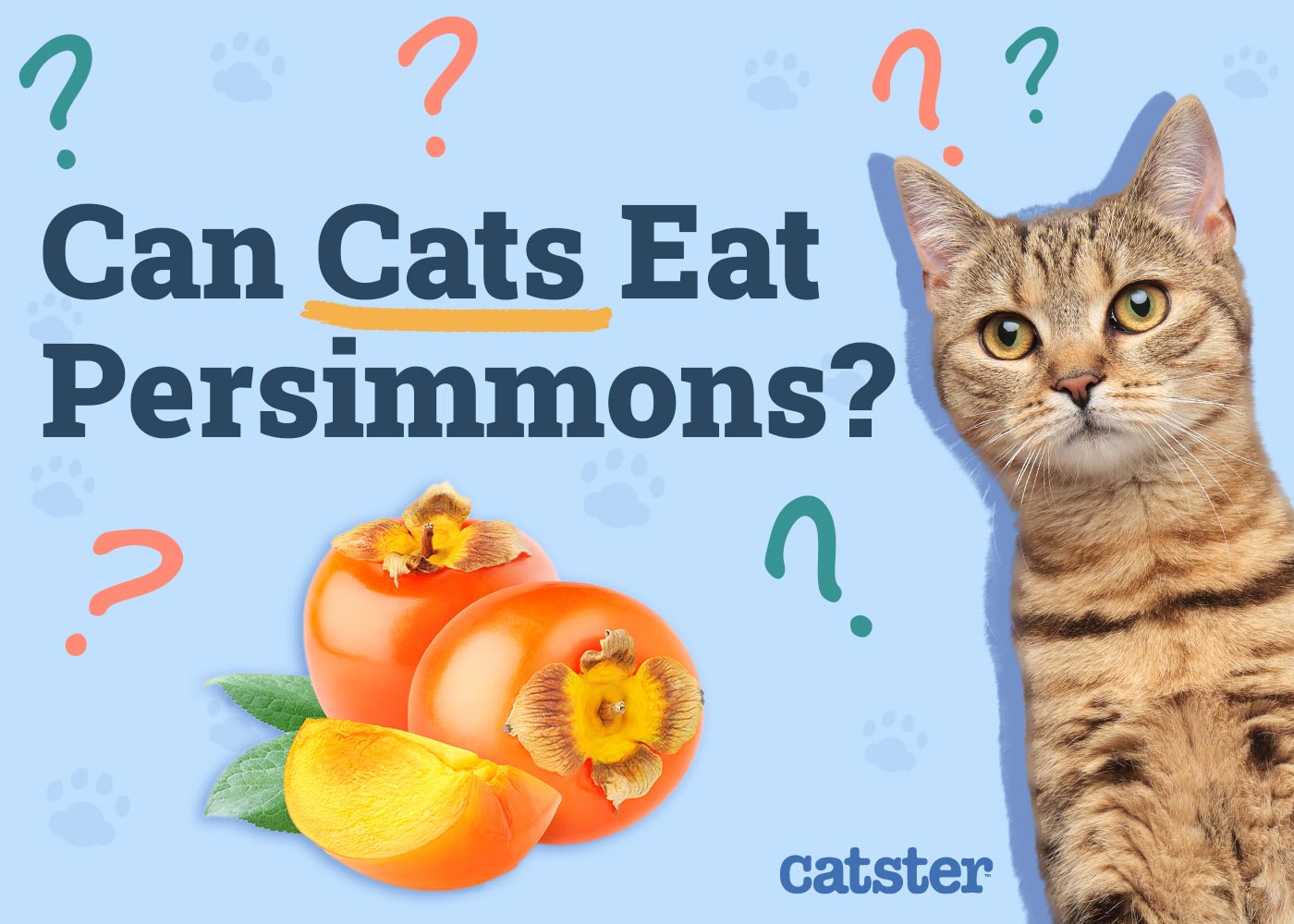
Have you ever considered feeding your cat some exotic fruit? Perhaps you have some persimmons in your fridge and want to give your cat a taste. Filled with nutritional benefits, persimmons aren't toxic to cats. In small amounts and infrequent feedings, these berry-like fruits can boost your cat's health. But there are a few things to remember when feeding persimmons to your cat, so check out this guide to learn more about these fruits.

What Are Persimmons?
A fall fruit, persimmons are in season from October to February and are an orange color. They originated in China and have since become popular around the world for their numerous health benefits. You can eat them alone as a snack, add them to your lunch salad, or even bake them into a pie for dessert.
Ripe persimmons are known to have a "honey-like" flavor, while unripe fruits are bitter due to their tannins.

Can Cats Eat Fruit?
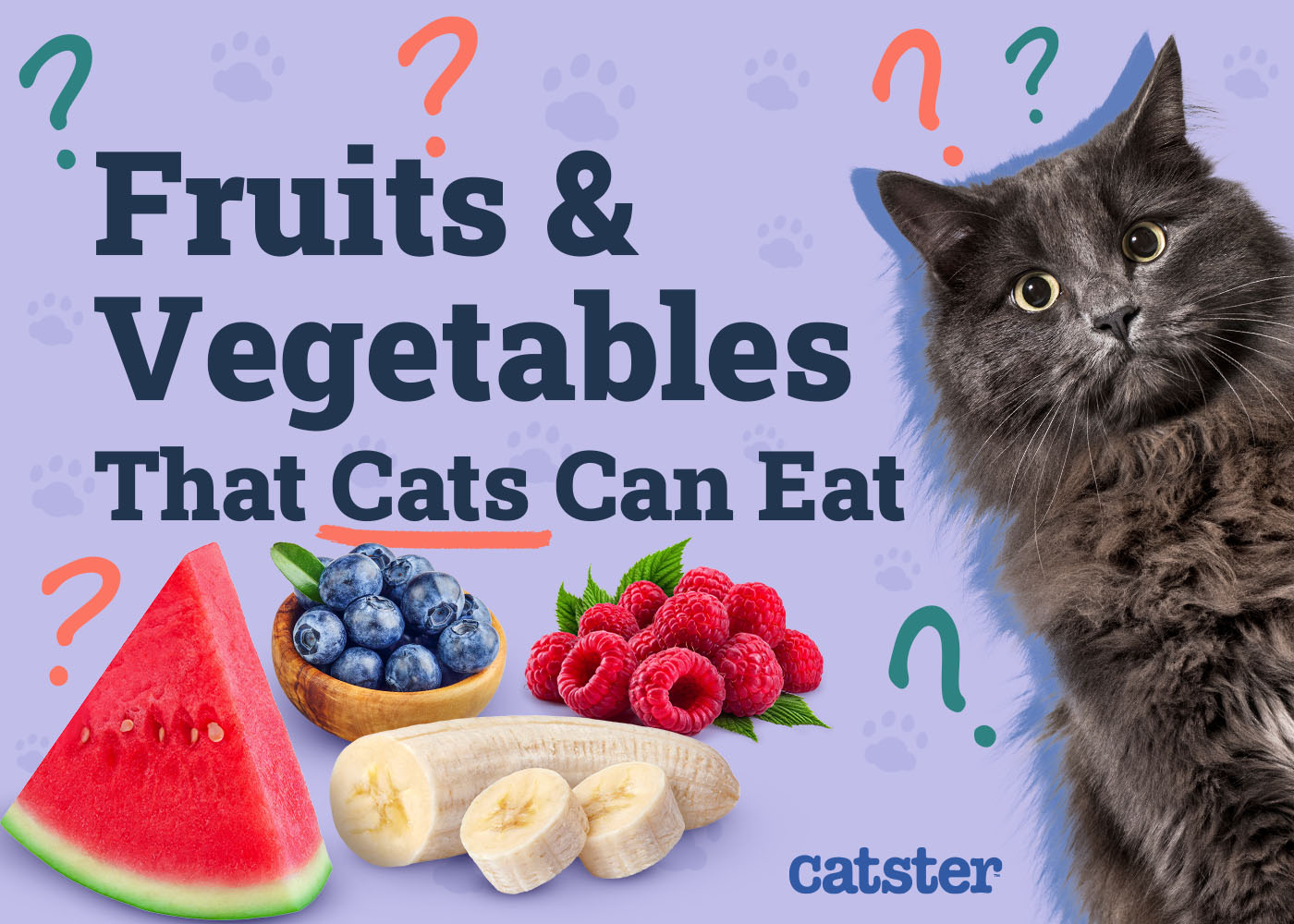
Carnivorous cats can benefit from a few fruits, berries, and vegetables in their diet—in moderation. Not all plant matter is safe for your cat, but there are plenty of options that you can give your feline as treats.
Fruits that are safe for cats are:
There are side effects for cats that overeat plant matter, though. Cats are obligate carnivores, and their bodies have developed specifically to absorb most of the nutrients that they need from animal sources. Since they can't digest plant matter as easily as many other animals, they're more likely to suffer from stomach upset, vomiting, and diarrhea if they eat too much.
A note of caution here: fruit and vegetables should never become a major part of your cat's diet. They thrive best on high-protein diets that are easy to digest and include the essential amino acids, like taurine, that are found in meat.
When in doubt, give your kitty store-bought cat treats instead. You can even make your own with cooked meat, like chicken, beef, or pork, cut into small, manageable chunks. No matter what treats you give your cat, they should only make up about 5% or less of your cat's diet.

Are Persimmons Toxic to Cats?
In small quantities, persimmons are harmless to your cat. Their benefits make them suitable additions to your cat's diet as an extra health boost to an already balanced meal plan.
Many of the dangers of persimmons come from the other parts of the plant and how much of it your cat consumes at once.

Flesh
The safest part of a persimmon for your cat to eat is the flesh. Skinned and cut into small, bite-sized pieces, it can be fed to your cat as a rare treat. Cats can't taste sweet things because they don't have the necessary taste receptors for it, but they can enjoy the texture and novelty.
Of course, moderation is key. If your cat consumes too much persimmon, they can suffer from vomiting or diarrhea.
Leaves
Bitter and difficult for your cat to chew, persimmon leaves are also hard for your cat to digest. If they're given to your cat, they're likely to cause stomach aches.
Moldy or Unripe Fruit
If you do feed your cat persimmons, be sure to only give them the ripe fruit. Unripe persimmons contain more tannins. It's this content that makes the fruit bitter and can be toxic to both cats and humans when consumed in high quantities. The unripe fruit is also harder for your cat to digest and is best avoided.
On the other end of the spectrum, overripe or moldy fruit can carry harmful bacteria that can cause gastrointestinal problems.
Seeds
Seeds and pits both pose choking risks to your cat. They're small enough for your cat to swallow accidentally but are too hard to be properly digested. Not only can they get stuck in your cat's throat, but there's also a small risk that they could get caught in your cat's digestive system, causing a blockage that requires surgery to fix.
Skin
Unlike some other fruits, persimmon skin isn't sticky and won't get caught in your cat's teeth or to the roof of their mouth. However, the skin is still tough for your cat to chew and like the leaves, is harder to digest than the softer flesh of the fruit. The skin also holds more tannins than the flesh.

What Are the Health Benefits of Persimmons?
Persimmons have many vitamins, minerals, and other nutrients that your cat can use. These fruits have a range of health benefits for humans and pets alike. Added to an already balanced, high-quality cat food diet, persimmons can help support several of your cat's systems.
Digestive Health
Persimmons are packed with fiber, and a healthy amount in your cat's diet will help them digest food more easily. The soluble fiber aids the good bacteria in your cat's digestive system, while the insoluble fiber works to alleviate constipation by adding substance to their poop.
A healthy amount of fiber can also help reduce hairballs. With your cat's digestive system in top shape, food and hair are more likely to pass through unhindered.
Hydration
Fruit is a great way to top up your hydration levels without drinking endless amounts of water. Persimmons are filled with water and can help you make sure your cat is getting enough moisture in their diet. The water content can also help aid your cat's digestive system.
Reduce Cell Damage
One of the many positives of fruit is the antioxidants. Persimmons contain both flavonoids and carotenoids. Both of these antioxidants can reduce the development of chronic health conditions like cancer.
Vision
Along with the other vitamins and minerals contained in persimmons, they contain vitamin A. While cats mostly get their vitamin A from meat, nibbling on a piece of persimmon now and then can help keep their eyes, bones, and muscles healthy.
Weight Loss
Both the water and fiber content in persimmons can help you manage your cat's weight better. They can create a feeling of fullness when your cat eats, enabling them to feel satisfied faster so they don't eat quite as much.
Persimmons are also low in calories and fat, making them healthy snacks that won't interfere with your cat's weight loss diet.

How to Prepare Persimmons for Your Cat
Preparing persimmons for your cat ensures that they're only eating the safe parts of the fruit. You don't want to give them the entire fruit all at once, so you'll need to cut the persimmon into smaller chunks that your cat can manage easily.
Make sure the fruit is ripe and fresh, then remove the skin, seeds, and leaves to reveal the fleshy, meaty part of the fruit. Don’t give your cat more than one or two small pieces in one sitting, though. Where cats and fruit are concerned, less is more.

Final Thoughts
While your cat can't live off fruits and vegetables alone, they can benefit from a fruity treat every now and then. Persimmons are filled with nutrients and are safe for your cat to eat in moderation. Fruits and other treats should never become a major part of your cat's diet, though, and they should only be added to an already balanced and nutritional meal plan designed for cats.
Expert cat care, straight to your inbox
Vet-reviewed advice, behavior tips, and the best of Catster. Free, and you can unsubscribe anytime.
By signing up, you agree to our Terms & Conditions and Privacy & Cookies Policy.
Christian started writing for a local newspaper as a teenager, and he's been involved in the publishing industry for most of his adult life. Combining his love of writing with a passion for animals, he is currently the Director of Editorial at Pangolia and the Editor-in-Chief at Catster.
Christian lives in the Philippines with his wife, son, and four rescue cats: Trixie, Chloe, Sparky, and Chopper.
Join the conversation
Ask a question, share your story, or send private feedback.