Havana Brown Cat Breed: Info, Pictures, Temperament & Traits
In this article
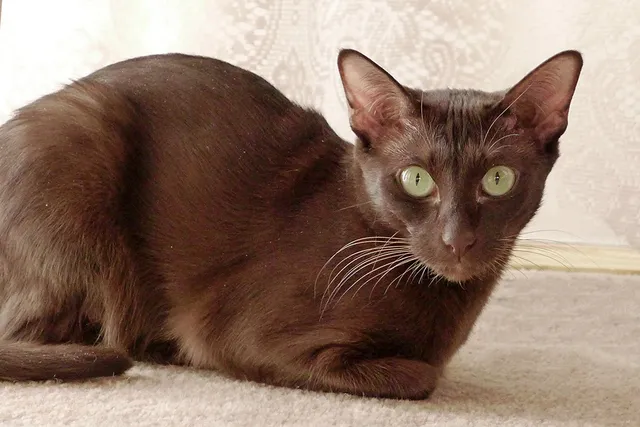
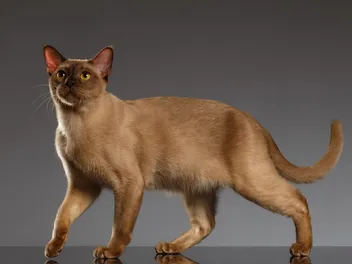
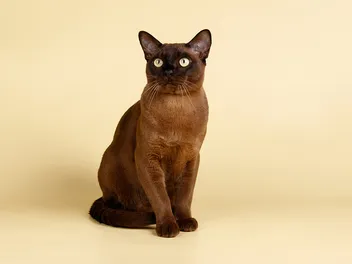
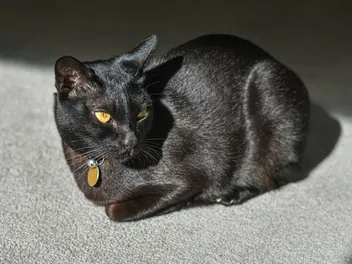
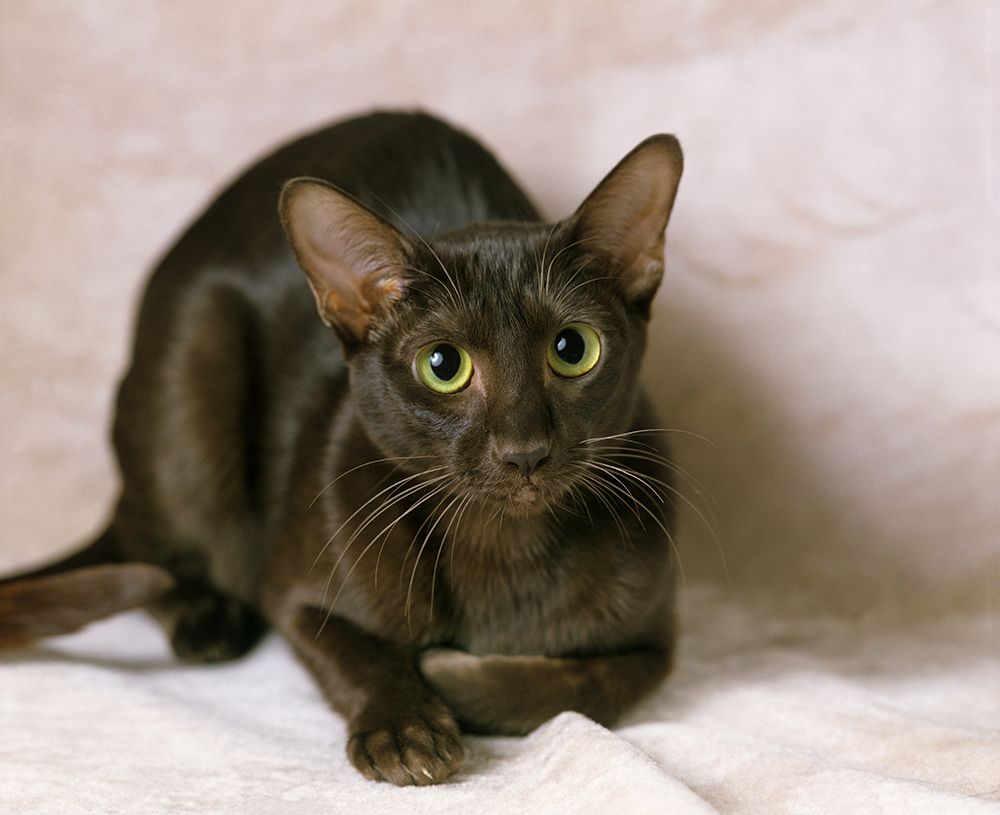
The Havana Brown cat is a unique and rare solid-brown cat breed with striking green eyes. Though the breed almost disappeared in the mid-century, deliberate breeding efforts from English breeders revived the Havana Brown in the 1950s, leading to a highly sought-after, rich brown cat. Along with their attractive looks, Havana Brown cats are prized for their sociable and playful personalities that adapt well to most owners and lifestyles.
If you’re considering a Havana Brown cat, here’s everything you need to know before bringing a kitten home.
Breed Overview
Height:
Weight:
Lifespan:
Colors:
Suitable for:
Temperament:
The Havana Brown cat was developed in England in the 1950s from breeding Siamese and domestic black cats. Despite the reference to the Cuban city in the name, no one knows exactly how the breed became known as the Havana Brown. It could be because of the color, which is a rich brown like Havana tobacco, or because of the shared color of the Havana rabbit.
Havana Brown Cat Characteristics

Havana Brown Kittens

The Havana Brown cat is an extremely rare breed. It’s the only all-brown cat breed as a characteristic. There are a limited number of Havana Brown cat breeders, so you may have to search and add yourself to wait lists to get a Havana Brown kitten. The breeding pool is extremely small.
Avoid the temptation to get a kitten from a high-volume breeder. Kitten mills are common, just like puppy mills, and can contribute to health and behavioral problems. Always vet your potential breeders thoroughly to ensure you get a healthy, well-cared-for kitten from a responsible breeder.

Temperament & Intelligence of the Havana Brown Cat 🧠
Havana Brown cats are alert, people-oriented cats. They love human companionship, so they’re best for households with attentive owners. They like a lot of attention and interaction, though they’re not particularly hyper cats. Whatever excitement is happening in the house, they want to be involved. These are not cats you can leave for long periods to entertain themselves.
Are These Cats Good for Families? 👪
The Havana Brown cat is a great choice for families. These cats get along well with children and love being part of the family. However, they are a medium breed, so it’s important to supervise interactions and ensure that your children play appropriately with the cat. It’s easy for a cat to be injured with rough play.
Does This Breed Get Along With Other Pets? 🐶🐱
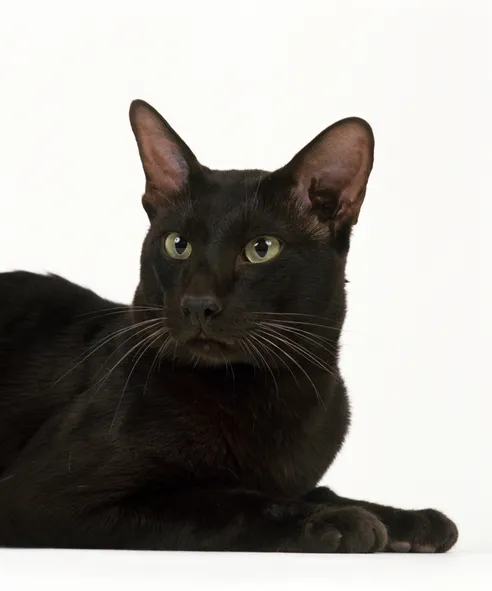
The Havana Brown cat is famously social and will get along with other cats and dogs in your home. As with children, it’s crucial that you monitor interactions with larger dog breeds or breeds with a high prey drive that may chase your cat. If you have small animals, such as birds, reptiles, or rodents, it’s important to keep your cat separated. Even though they’re social cats, they still have natural hunting instincts and may stalk or pounce on small animals.

Things to Know When Owning a Havana Brown Cat
Like other cat breeds, Havana Browns have specific care needs. Here’s everything you need to know before bringing a Havana Brown cat home:
Food & Diet Requirements 🐡
Havana Browns should have a high-quality diet that’s formulated for cats. Nutritional needs vary for kittens, adults, and senior cats, so choose a formula appropriate for your cat’s life stage. Havanas have a hearty appetite, so it’s important to monitor their food intake to avoid obesity. It’s easy for these cats to overeat and become overweight, which can contribute to health problems like diabetes and heart problems.

Exercise 🐈
Havana Browns aren’t high-energy cats, but they do need some exercise and playtime between naps and lounging. Because of their curiosity, Havana Brown cats can become bored easily and may find ways to entertain themselves, including scratching at your furniture. Make sure to devote some time to play each day to keep your cat entertained and stimulated.
Training 🧶
Havana Browns are intelligent and curious. They aim to please, so training a Havana Brown cat may be easier than some other cat breeds. Make sure to use positive reinforcement training to teach basic obedience rather than aversive methods that may instill fear in your cat. If you have patience, you may be able to train your cat to do tricks or more complex commands, such as walking on a leash and harness, playing fetch, or solving a puzzle toy.

Grooming ✂️
The Havana has a low-shedding coat and minimal grooming needs. They only need weekly brushing with a soft brush to remove loose hair and prevent mats. Unlike some cat breeds, Havanas enjoy interactions and usually like the bonding experience of grooming. You should also trim your cat’s nails every few weeks or monthly to avoid broken nails. If your cat tolerates it, brush their teeth from a young age to prevent dental disease.
Health and Conditions 🏥
Any cat can have health problems, but the Havana Brown cat has no known health conditions. They may be at risk of conditions that affect a lot of cats, including obesity and dental disease, which you can prevent with regular vet exams and proper diet and grooming.
Note: the Havana Brown is still susceptible to common cat health conditions. Read about the 9 most common cat illnesses and diseases.
Male vs Female
Though some people say there’s a difference between male and female cats, they’re mostly individuals. Male cats tend to be a little larger than females, but the difference is negligible. Spaying or neutering your cat can prevent an array of sex-related behavioral issues, such as roaming, aggression, and excess vocalization. Fixing your cat will also prevent a range of health conditions related to reproductive health.
3 Little-Known Facts About the Havana Brown Cat
1. Havana Brown Cats Used to Go by Another Name
In 19th-century England, solid-brown cats, which were known as self-brown cats, were being exhibited at British cat shows as Swiss Mountain Cats. They resembled Siamese cats, but they had green eyes instead of blue eyes. The Siamese Cat Club issued a proclamation about Siamese cats only having blue eyes, leading to a decline in this breed. In the 1950s, English breeders tried to revive the breed, leading to the Havana Brown.
2. Juvenile Havana Browns Have Unique Markings
The Havana Brown is unique in their totally brown coats. Havana Brown kittens and juveniles may have tabby stripes that show through their coats, but they typically fade as the cat reaches adulthood.
3. The First Havana Brown Came From Accidental Breeding
When breeders tried to produce self-brown kittens, they created Praha Gypka, a self-brown male kitten from a black shorthair and a chocolate-point Siamese. But accidental breeding between a solid black shorthair and a seal-point Siamese produced another self-brown male kitten, Elmtower Bronze Idol, the first Havana Brown registered in England.
Final Thoughts
From their curiosity and friendliness to their emerald-green eyes set against a mahogany coat, it’s no wonder that the Havana Brown cat is such a treasured cat breed. These cats are adaptable, low maintenance, and good-natured, making them an ideal fit for many cat owners.
Sources
Featured Image Credit: slowmotiongli, Shutterstock

Expert cat care, straight to your inbox
Vet-reviewed advice, behavior tips, and the best of Catster. Free, and you can unsubscribe anytime.
By signing up, you agree to our Terms & Conditions and Privacy & Cookies Policy.

Christian started writing for a local newspaper as a teenager, and he's been involved in the publishing industry for most of his adult life. Combining his love of writing with a passion for animals, he is currently the Director of Editorial at Pangolia and the Editor-in-Chief at Catster.
Christian lives in the Philippines with his wife, son, and four rescue cats: Trixie, Chloe, Sparky, and Chopper.
Join the conversation
Ask a question, share your story, or send private feedback.