Can Cats Eat Hazelnuts? Vet Approved Nutritional Facts & FAQ


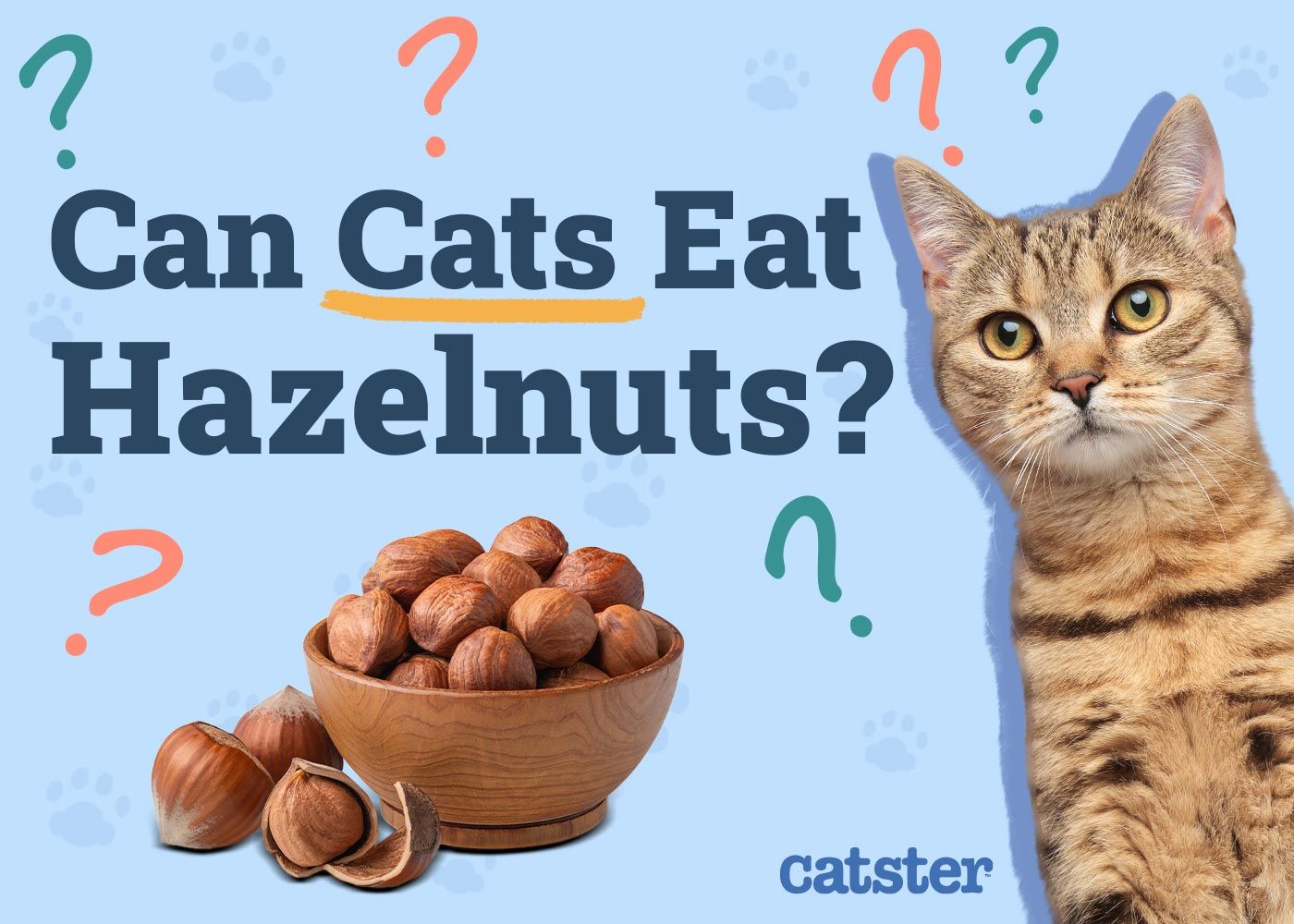
Hazelnuts are a great addition to our human diet for being a source of healthy fat that is loaded with nutrients and antioxidants. Whether you are snacking on a handful of hazelnuts or are enjoying the delicious forms of hazelnut spreads, you may be wondering if your kitty can enjoy these tasty nuts alongside you.
The truth is that hazelnuts are not toxic to cats, but they aren’t so healthy for them, either. Here, we will go over the reasons you may want to reconsider sharing any hazelnuts with your cat and some great alternatives you can offer as a snack instead.

Are Hazelnuts Healthy for Cats?
While hazelnuts are non-toxic to cats, that doesn’t mean they are completely safe. Since cats are strict carnivores, nuts don’t have a place in your cat’s overall dietary needs, but they also pose some potential risks.

They Are a Potential Choking Hazard
Hazelnuts are small, typically around between 10 and 15 millimeters in diameter and 15 to 25 millimeters in length, making them a potential choking hazard to cats. Cat’s teeth are designed for killing and tearing off bite-sized pieces of their prey, so they are not designed for chewing hard food items like nuts.
Thankfully, choking is quite rare in cats but if a hazelnut or any other food item or foreign object were to become lodged in your cat’s throat, you will need to act quickly to clear your cat’s airway. Knowing the telltale signs of choking and how to properly perform immediate care could save your cat’s life.
Signs of Choking
- Gagging
- Retching
- Look of panic
- Heaving with no noise
- Labored breathing
- Pawing at the mouth
- Drooling
- Rubbing the face against the floor
They Have a High-Fat Content
Nuts are known for being a source of healthy fats, and hazelnuts are no exception. In fact, one ounce of hazelnuts contains approximately 17 grams of fat. Adult cats only require a moderate amount of fat in their diet, which should come directly from their cat food.
If your cat is getting too much fat in their diet, you are running the risk of obesity, pancreatitis, and potentially opening the door for other health issues. Food high in fat content can also cause digestive upset. A cat’s body is not designed to consume nuts; therefore, it cannot digest them properly. Though hazelnuts aren’t toxic, they could still cause vomiting, diarrhea, and upset stomach.
Hazelnuts May Have Coating or Seasoning
Unless you are eating plain, unsalted hazelnuts, your great-tasting snack is covered in some form of seasoning or coating. Cats should not be allowed to consume seasonings. Whether it be salt, sugar, pepper, or any other form of seasoning or condiment, this is potentially harmful to your cat’s health.
Hazelnuts spreads, such as Nutella, are also a no-go for kitties. These spreads are processed and typically full of sugars and fat, which should be avoided. The spreads that contain cocoa are toxic to cats, especially in large amounts. The compounds in chocolate that keep us coming back for more can be very harmful to your cat. If your cat were to consume a cocoa-based hazelnut spread or any other potentially toxic food, you should keep an eye out for signs of toxicity and reach out to your veterinarian for further guidance.
Signs of Toxicity
Signs of toxicity typically occur between 6 and 12 hours after your cat ingests a toxic substance. Contact your veterinarian immediately if you notice any of the following signs:
- Vomiting
- Diarrhea
- Lack of appetite
- Increased thirst
- Increased urination
- Restlessness
- Rapid breathing (panting)
- Increased heart rate
- Muscle tremors
- Seizures
- Coma
Healthy Snack Ideas for Cats
Since cats are obligate carnivores, they get all their nutritional needs directly from meat. Treats should only make up 10% or less of your cat’s diet. Most of their diet should be focused on well-balanced and high-quality cat food. This doesn’t make for a very versatile diet but there are still plenty of safe and healthy options to choose from if you want to ensure your kitty has some tasty snacks on hand.
- High-quality commercial treats
- Cooked, unsalted lean meats (small amounts)
- Dried liver (small amounts, fed sparingly)
- Pieces of kibble
- Bits of wet food
- High-quality commercial treats

Choosing the Right Cat Food
Since your cat’s nutritional needs revolve almost entirely around the cat food you are feeding them, it can make for a difficult choice. We all want what is best for our cats and would like to ensure they are getting the most high-quality food to keep them healthy, happy, and with us for as long as possible.
There are many different types of cat foods on the market but not all these foods are going to be of high quality. Here are some tips to keep in mind when considering cat's food options:
- Food Label — Learning how to read pet food labels and having the knowledge of the ingredients that are best avoided and which ones are essential will help you determine the overall quality of the foods you are considering. Brands that meet AAFCO standards are tested for both quality and safety, which can give you more peace of mind.
- Life Stage — Cats have different nutritional needs throughout the different stages of their life. That’s why there are kitten foods, adult foods, and food made specific to seniors. Make sure to consider your cat’s age when searching for food and ensure that food will meet their current requirements.
- Type of Food — There is a variety of different food types on the market for cats, including dry kibble, canned wet food, freeze-dried, and fresh. You can choose to feed one specific type or use a combination. The right type of food can vary by the individual cat and your personal preference.
- Your Vet’s Recommendation — A great way to ensure your cat’s nutritional needs are being met is to reach out to your veterinarian for dietary advice. Your veterinarian will be able to give you a professional opinion that is catered specifically to your cat(s).
Conclusion
Hazelnuts are high in fat but are not toxic to cats. Because cats are strict carnivores, they should not be offered hazelnuts as part of their diet or even as a snack since they are high in fat, commonly seasoned or coated, and pose a potential choking hazard. A cat’s diet should be at least 90% high-quality cat food and occasional, appropriate treats making up no more than 10% of their diet.
See also:

Expert cat care, straight to your inbox
Vet-reviewed advice, behavior tips, and the best of Catster. Free, and you can unsubscribe anytime.
By signing up, you agree to our Terms & Conditions and Privacy & Cookies Policy.
Lindsey and her husband enjoy traveling the US with their kids and photographing wildlife. Her passion is to educate others on the importance of proper animal care, with an emphasis on reptiles and exotics since their care requirements can be much more complex. She is also a huge advocate for bully breeds. She feels most at home in the forest either on horseback or in hiking boots.
Join the conversation
Ask a question, share your story, or send private feedback.