In this article
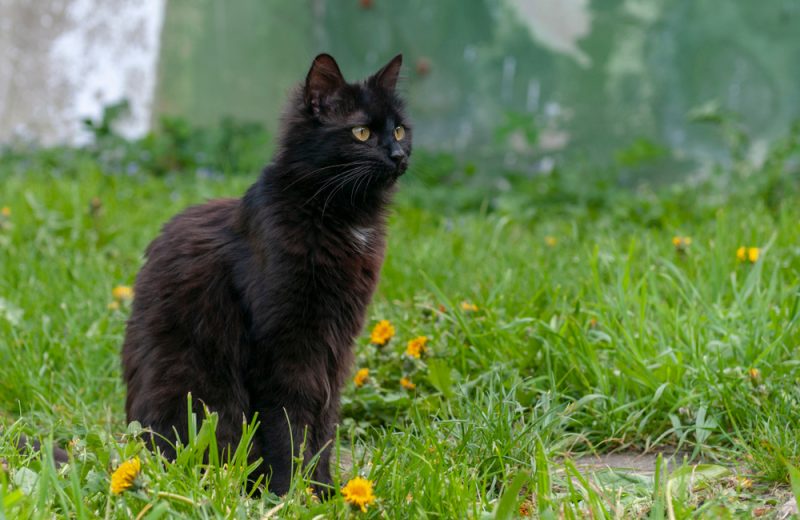
View 8 More +The York Chocolate is a relatively new breed, having been established in the 1980s when a black and white farm cat mated with a black male cat. One cat in the litter was a brown kitten, which went on to have a litter of her own a year later, and another generation later, the York Chocolate was born.
The breed is considered a mild-mannered and friendly cat. They are intelligent and curious, descended from farm cats, and highly energetic and lively. They can be shy, typically with strangers, but they are friendly animals, and they will not do well if they are left alone all day while you go out to work.
Breed Overview
Height:
8–10 inches
Weight:
10–16 pounds
Lifespan:
13–15 years
Colors:
Brown, chocolate, lavender
Suitable for:
Families that can give their cats plenty of time and attention
Temperament:
Loving, affectionate, sociable, interactive, smart
They are affectionate with their humans, and the York Chocolate is just as happy curled up on your lap as they are playing with interactive toys and enjoying extensive exercise. The York Chocolate cat gets along with people of all ages, and they get along with cats, dogs, and other animals. They enjoy interacting with all family members and especially benefit from having interactive playtime to keep their minds and bodies active and alert.
York Chocolate Cat Characteristics
York Chocolate Kittens
Playful, mischievous, and inquisitive, York Chocolate kittens are undeniably cute. Silky coats tend to start as lighter chocolate or lavender and darken as they grow older. Due to their energetic nature, they would need plenty of stimulation to keep them happy and healthy.
It’s important to do proper research in finding a reputable breeder who takes proper care when it comes to maintaining the health, temperament, and physical standards of the breed. Ethical breeders could provide veterinary records for the kittens together with proof of health screenings for common genetic issues.
These kittens are extremely rare, which enhances their appeal. They have excellent hunting instincts and are very energetic, thanks to their farm cat origins, making them perfect companions for active families. Socialization in their first few weeks is crucial for growing into well-adjusted adult cats.
York Chocolate kittens may be slow to get used to new surroundings, but once they do, they become very affectionate and loving family members.

Temperament & Intelligence of the York Chocolate Cat
The York Chocolate is often described as being canine. They follow their people around, can be quite vocal, and enjoy actively playing games with their human owners. You can buy interactive toys and be prepared to play with your pet.
Are These Cats Good for Families? 👪
Although the York Chocolate can be quite shy with strangers, they aren’t shy with family members. They get along well with children, and they’re more tolerant of young kids than other breeds. The York will enjoy sitting on your lap and extended naps on the bed or another comfortable surface.

Does This Breed Get Along with Other Pets? 🐶 😽
The York also gets along with other cats as well as dogs. He is a farm cat, by nature, which means that he may pose a threat to small animals, especially if he is allowed to chase them. The time between your cat and small animals should always be supervised.
 Things to Know When Owning a York Chocolate Cat
 Things to Know When Owning a York Chocolate Cat
The York Chocolate is an attractive cat with a great temperament to match. They become a loving and active part of the family that enjoys spending time on your lap, as well as time playing with their interactive toys. However, the York isn’t an ideal pet for all families, and you should consider the following factors before introducing one to your home:
Food & Diet Requirements 🐡
How much food you should be giving your York daily will depend on the size of your cat and their daily energy expenditure. It is important that you only feed the required amount; otherwise, your cat can become overweight. Also, remember that an active cat requires more food, while a sedentary cat requires less food.
Cats need to eat meat as their primary source of protein. They will not thrive on a vegetarian or vegan diet, but they can supplement their meat diet with plants, fruit, and vegetables.
You can serve wet food, dry food, or a combination of the two. Wet food hydrates your cat and is more appealing, while dry food keeps longer and has a longer shelf life, but you will need to provide a constant fresh supply of water to accompany a dry food source.
Exercise 🐈
Having descended from farm cats, the York Chocolate is an active and lively cat. They’re also muscular and athletic and benefit from daily physical exercise with their owner. You can buy interactive toys and spend time playing with him, and you’ll also need scratching posts and climbing trees because the York loves to climb.
Training 🧶
It is possible to train your York Chocolate cat, but they’re independent, and while they are intelligent, it can be difficult to convince them to do what you want. Training results can differ.
Grooming ✂️
The York Chocolate has long hair, which can become matted if you don’t take care of it. You should brush his coat 2-3 times a week because it will help to eliminate knots and matting. It will remove dead hairs and may prevent your cat’s fur from getting on the furniture and the floor. You should also brush your cat’s teeth, and you need to help keep their claws trimmed to prevent discomfort and injury.
Health and Conditions 🏥
Due to the newness of this breed, there aren’t any known breed-specific issues that are known to affect the York Chocolate. However, you should watch for signs of illnesses common to cats.
- Still unknown
- Still unknown
Male vs Female
Male and female York Chocolate cats are basically the same in temperament and behavior but have subtle differences that may influence your choice.
Males are usually a little larger and heavier than females and have a muscular build, which has been passed down from their farm cat ancestors. They tend to be more laid-back and affectionate, making them excellent lap cats. Male York Chocolates are generally more sociable and outgoing and warm up to strangers more quickly than females, but keep in mind this is a generalization.
Females are known to be a bit more reserved and tend to take longer to trust new people and pets, although they can be equally affectionate with their family, as seen with males. Females are generally more independent and often prefer to observe their surroundings from a more quiet spot.
Your household dynamics should be considered when deciding between a male or female York Chocolate. Males do better in loud or busier homes with multiple animals, while females might be better suited in a quieter home where they have some security. Nonetheless, both genders portray the York Chocolate traits of intelligence, playfulness, and loyalty, which makes either one a great addition to the family.

3 Little-Known Facts About the York Chocolate Cat
1. The York Chocolate Comes From a Farm Cat
The ancestry of the York Chocolate is comprised of farm cats. Farm cats are known for being energetic, good hunters, and great climbers. Although the York is several generations away from the original farm cat, they retain many of their traits.
When they aren’t busy curling up on your lap, you can expect your York to climb on top of wardrobes or chase any pests around the house. If you let your York out, be prepared for them to hunt and bring home their quarry.
2. The York Chocolate Cat Is Very Sociable
One of the endearing properties of this breed is their friendly nature. They get along with all family members, including the other pets. However, they may hunt smaller pets like hamsters and should not be allowed to access their cages.
The York can be shy around strangers, but after a brief period, they can warm up to your friends. The York needs regular contact with their owner and may not be a suitable breed if you spend a lot of time out at work during the day.
3. They Require a Lot of Brushing
The beautiful coat of the York Chocolate is one of the reasons that their popularity is increasing. They have long coats with a rich chocolate color. The color of the coat tends to be lighter when they are young, and because the hair is long, it is prone to knotting and matting.
Regular brushing will help minimize the amount of dead hair and knots. Expect to brush them daily to ensure that your York is comfortable and that they leave fewer shed hairs around the house.
Closing Thoughts
The York Chocolate is a chocolate brown cat breed that originates from a farm cat. They’re athletic and energetic, enjoy playing, and will get along with all family members, including humans and animals. They enjoy spending time on your lap, as well as time playing with interactive toys. The York is not known to be susceptible to any breed-specific illnesses and has an average life expectancy of around 14 years. They make an excellent family pet.
Featured Image Credit: Ciprian Gherghias, Shutterstock