Cymric Cat Breed Info: Pictures, Traits & Facts
In this article
The Cymric cat has been the subject of legend ever since they appeared on the Isle of Man centuries ago. Countless stories have been spun around to explain their lack of a tail. But the most interesting one claims the cat lost their tail when Noah accidentally cut it off when closing the door to the ark.
Many people may think the Cymric is a new breed because they were considered a longhaired version of the Manx cat for many years. They have been around just as long as the Manx but only started gaining recognition in the mid-1970s.
Breed Overview
Height:
Weight:
Lifespan:
Colors:
Suitable for:
Temperament:
The Canadian Cat Association was the first to grant the Cymric championship status in 1976. Others followed suit gradually. Today, nearly all major cat associations recognize them as a separate breed. However, the Cat Fanciers’ Association changed the name to "Longhaired Manx" in 1994.
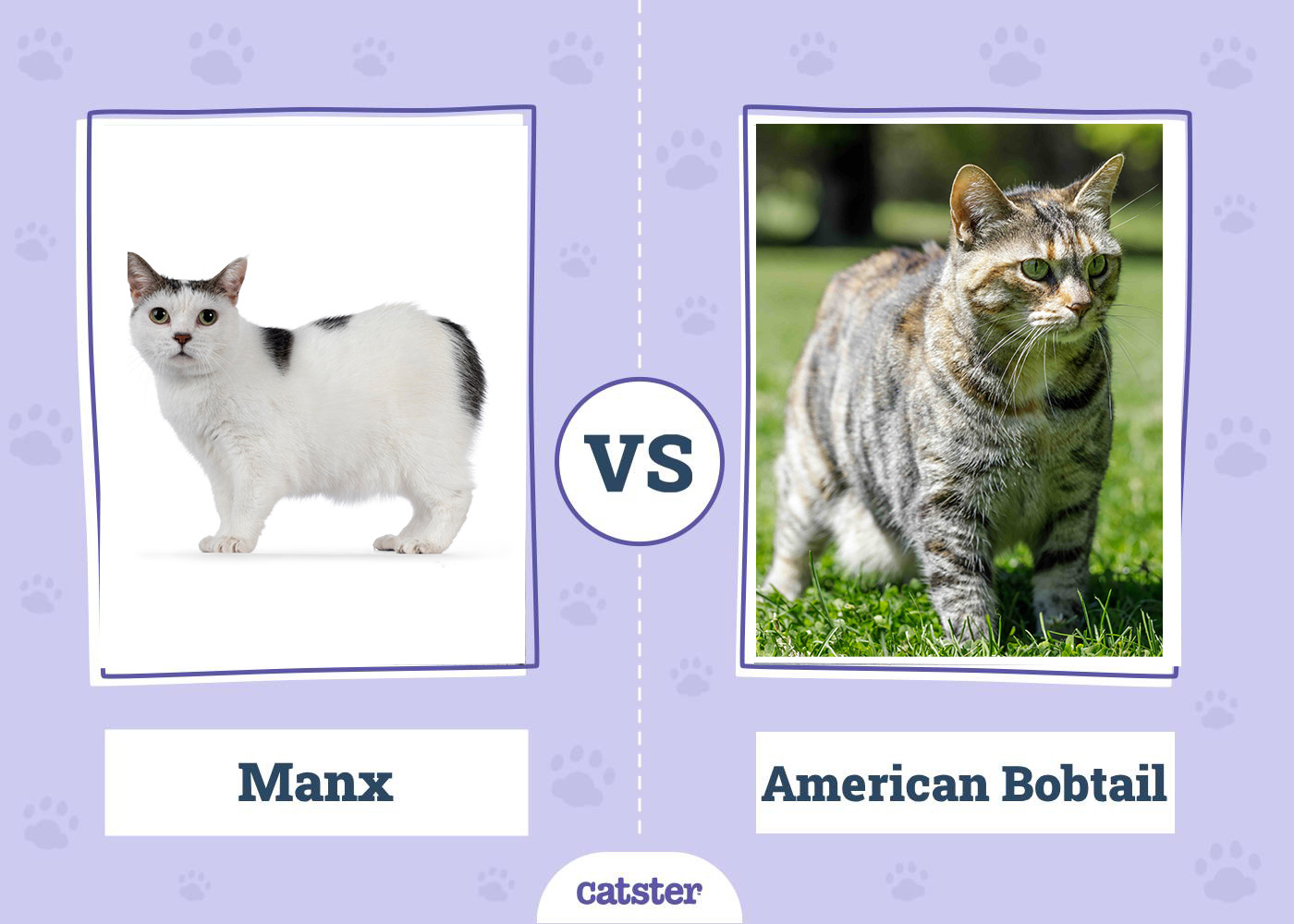
Except for their long hair, the Cymric is similar to the Manx in every way, but the breed's unique features set them apart. Is the Cymric the right pet for you? Read on to learn more about this fascinating breed.
Cymric Cat Characteristics

Cymric Cat Kittens

Cymric cats aren't as common as other cats, so you may have to travel to get one, and you may even be put on a waiting list. Make sure to research reputable breeders, and ideally, you should choose one that is registered with a cat fanciers' association.
A reputable breeder can answer any questions you may have about the Cymric. They should also be able to provide vet records and a medical history for the kitten and the kitten's bloodline. Avoid backyard breeders and kitten mills that sell these kittens for cheap and can't provide much information about the breed, as they may not produce healthy kittens.

Temperament & Intelligence of the Cymric Cat 🧠
Bred initially as mousers, Cymric cats still possess their hunting instincts and will growl threateningly or attack when they sense anything out of the ordinary. When there is no danger, the feline is as cool as a cucumber and never gets upset about anything.
Despite their tranquil nature, the Cymric is quite active. It is very playful and will follow you around the house. When relaxing, it will nap peacefully on your lap or curl up nearby, where it can keep an eye on you.
A Cymric is an intelligent cat that is always ready to learn new tricks. You can teach them to fetch and come, and they will quickly learn how to open doors with their paws. If you set boundaries, they will be willing to accept your wishes, especially if you offer them an acceptable alternative.
Are These Cats Good for Families? 👪
The Cymric is people-oriented and craves plenty of time and attention. It also loves to meet new people and will greet them with a cheek rub or a slight headbutt. Their laid-back attitude and affectionate nature make them the perfect family pets. If you have children living in the house, the Cymric will get along with them when they treat it politely and respectfully.
Does This Breed Get Along with Other Pets? 🐶🐱
A Cymric will get along with other pets in the house, including dogs. Its gentle disposition does not allow it to get into trouble often. And it will choose to socialize rather than quarrel with other pets. You can even teach it to leave fish and birds alone. However, you are advised to introduce other pets slowly and from a young age to give them time to get along.

Things to Know When Owning a Cymric Cat
A cat without a tail is as unique as it gets, but can you handle it? You should know the following aspects about the Cymric if you consider buying one.
Food & Diet Requirements 🐡
Cat obesity is at an all-time high and has been linked to health issues such as heart disease, diabetes, and arthritis. Therefore, it is imperative to restrict your furry friend's diet to only two to three meals a day. Sticking to the scheduled mealtime is the only way to keep the cat lean and avoid weight-related issues.
Cymric cats are at a high risk of being obese since they love to eat. Leaving food out all day will encourage overfeeding and could lead to weight gain. If you are not sure about what to feed your Cymric, ask a vet to recommend the best food for your cat.
Exercise 🐈
Cymric cats are naturally playful and love running and jumping around, so getting them to exercise should be easy. You can encourage playing by buying them various toys such as cat scratchers, feather wands, and cat towers. You can also make things more interesting by participating in the play. For instance, you could teach them how to play catch.
Alternatively, if you want to surprise your cat with something cool, check out the Hepper Hi-Lo Cat Scratcher. It's not just a scratcher; it's a piece of modern furniture that your cat can play on. It's got a curvy design that's perfect for stretching and moving, and it's built tough with strong birch plywood and thick B-flute cardboard. You can adjust it to three different heights, which keeps cats entertained. Plus, it won't break the bank! Our cats love it, and we do too.

- Premium Materials - Hepper's cardboard scratcher is made with dense, B-flute cardboard, and a metal core. Encased in a 1/2" plywood frame with gloss coating. Stable and beautiful, use after use
- High, Low and Lower - A single cat scratch pad won't keep your cat engaged. 3 unique positions keeps them coming back, and back, and back again. Finally, something to get them away from the couch!
- Activates Muscles - The Hi Lo isn't just a cat nail file to stop the chief cat couch scratcher. The deep cat scratcher wave encourages maximum musculoskeletal activation for a healthier workout
At Catster, we’ve admired Hepper for many years, and decided to take a controlling ownership interest, so that we could benefit from the outstanding designs of this cool cat company!
Apart from helping keep obesity at bay, play can provide opportunities for bonding. However, ensure your pet stays indoors to protect them from dangers like fast cars and hostile animals.
Training 🧶
Since they're very intelligent, Cymrics are easy to train. Besides opening doors with their paws (which they can learn independently), you can teach them how to fetch and retrieve, among other tricks. If you train them early, they can even learn to walk on a leash.
Most importantly, you can train the Cymric to respect your boundaries. If you tell them not to jump on the counter or not to scratch your sofa, they will happily oblige as long as you provide an alternative.
Grooming ✂️
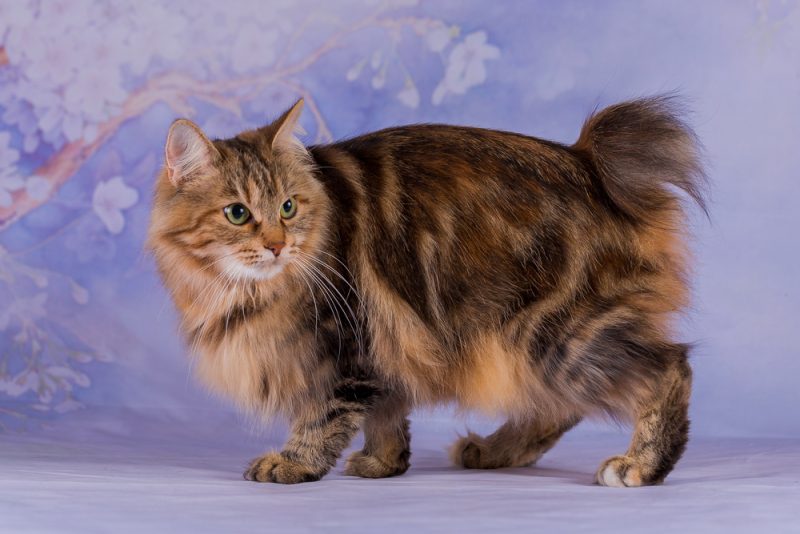
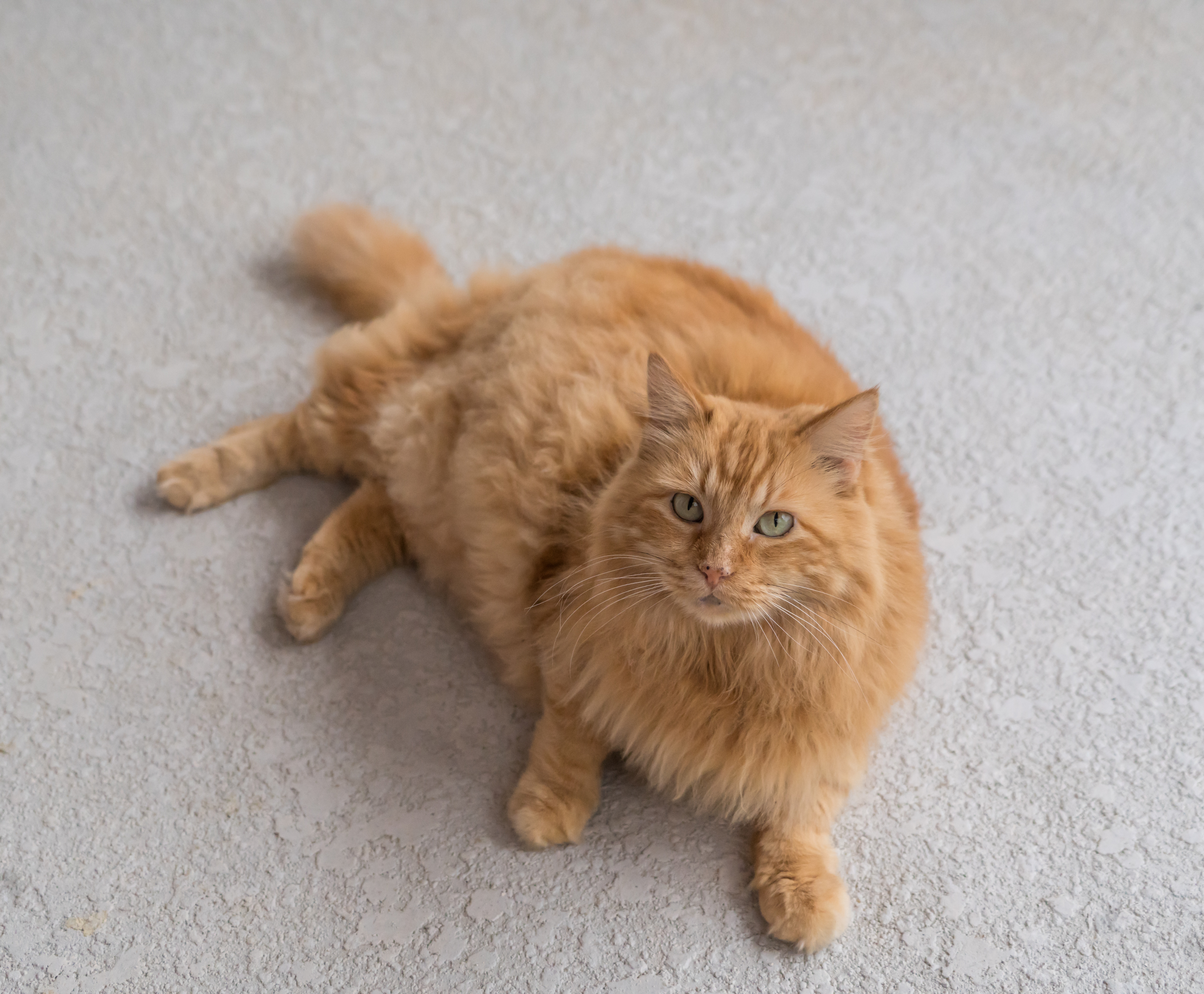
The Cymric has a thick double coat that feels silky and glossy. Due to the coat's thickness, you must brush it daily to remove excess hair and build-up. Brushing their teeth daily will help prevent gum and teeth infections, but once a week is a good start.
You should also wipe the build-up that might appear at the corner of their eyes and check their ears often for dirt or wax build-up. Avoid using a cotton swab when cleaning their ears since it can cause damage. Instead, use a damp cloth. Also, remember to use a separate cloth when wiping the eyes to avoid spreading infections.
Like other cats, a Cymric is sensitive about their bathroom hygiene. Therefore, ensure the litter box is spotlessly clean at all times. Otherwise, the cat will choose another cleaner spot to do their business.
Health and Conditions 🏥
When healthy, a Cymric can live for up to 14 years. Keeping your cat indoors will protect them from potential dangers. However, no amount of indoor time can protect the Cymric from the health issues related to the breed.
While the absence of a tail makes them unique, it is also the cause of spine-related health issues referred to as Manx syndrome. Some of the health complications associated with the syndrome include spina bifida, constipation, urinary and fecal inconsistencies, and partial paralysis of the hind limbs.
Other common diseases that affect them are arthritis and corneal dystrophy—a cloudy build-up that forms on the cornea. As with all cats, the Cymric also needs parasite control, vaccinations, and regular vet check-ups.
Male vs Female
The body size and personalities of males and females are very similar. Behavioral differences are most pronounced in cats that have not been fixed, and spaying or neutering can go a long way toward curbing unwanted habits like spraying.
3 Little-Known Facts About the Cymric Cat
1. The Cat Is Known for Its Round Features
Almost everything about the Cymric is round. They have a round head, large round eyes, and a rounded rear end.
2. Not All Cymric Cats Are Completely Tailless
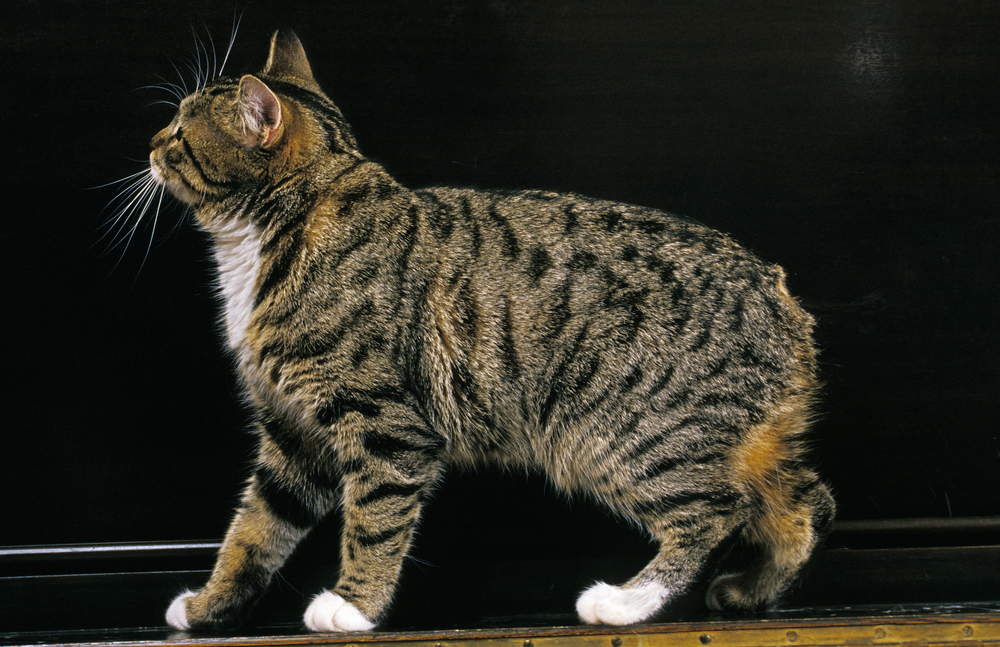
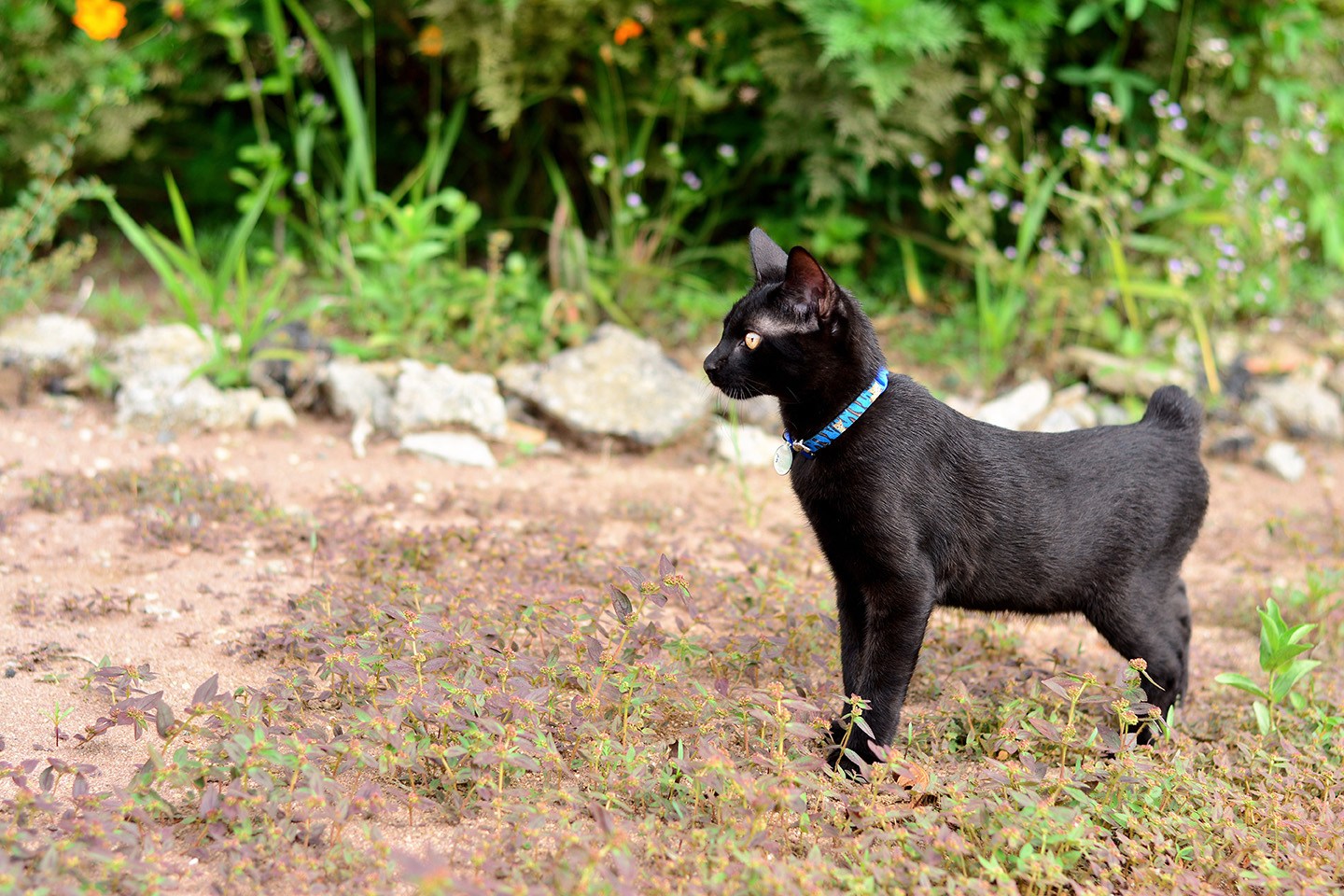
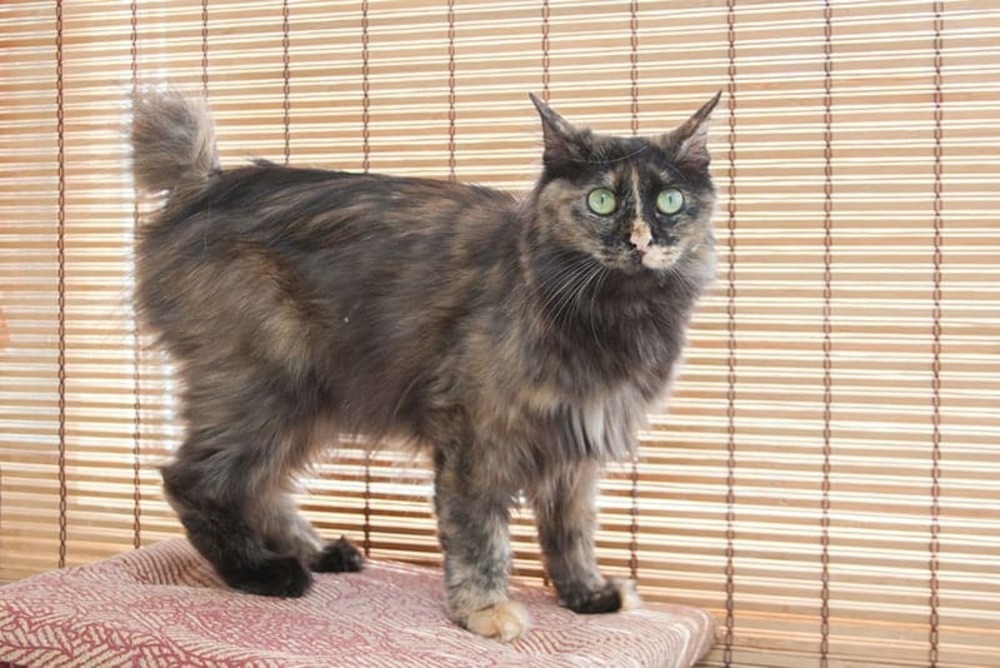
Interestingly, most Cymric cats are not entirely tailless. Those with no tail at all are referred to as "rumpy." While those with three vertebrae attached to the end of the spine are called "rumpy risers." Others have shorter tails than normal and are dubbed "stumpy," but some still have full-length tails called "longies."
3. They Come in Many Colors and Patterns
Except for lavender, chocolate, tabby, pointed, or a combination of any of those with white, Cymric cats are available in many colors.
Conclusion
The Cymric is a calm, affectionate, and intelligent cat. If you crave feline attention, the Cymric is a master at displaying affection. It will follow you around, sit on your lap, and talk to you in their sweet, trilling voice. The cat is also intelligent enough to understand and follow commands, and their calm nature makes them a children-friendly pet.
However, a Cymric is not for everyone. They need a lot of care and attention since they're people-oriented. Additionally, the breed is plagued by various health complications. The gene responsible for the tail's absence also causes serious health problems. If you love this tailless feline, it is recommended that you buy an older kitten (preferably more than 6 months old) since signs of the illness don't appear in younger kittens.
Featured Image Credit: Michelle_Raponi, Pixabay

Expert cat care, straight to your inbox
Vet-reviewed advice, behavior tips, and the best of Catster. Free, and you can unsubscribe anytime.
By signing up, you agree to our Terms & Conditions and Privacy & Cookies Policy.

Christian started writing for a local newspaper as a teenager, and he's been involved in the publishing industry for most of his adult life. Combining his love of writing with a passion for animals, he is currently the Director of Editorial at Pangolia and the Editor-in-Chief at Catster.
Christian lives in the Philippines with his wife, son, and four rescue cats: Trixie, Chloe, Sparky, and Chopper.
Join the conversation
Ask a question, share your story, or send private feedback.