Kanaani Cat: Breed Info, Pictures, Care & Traits
In this article
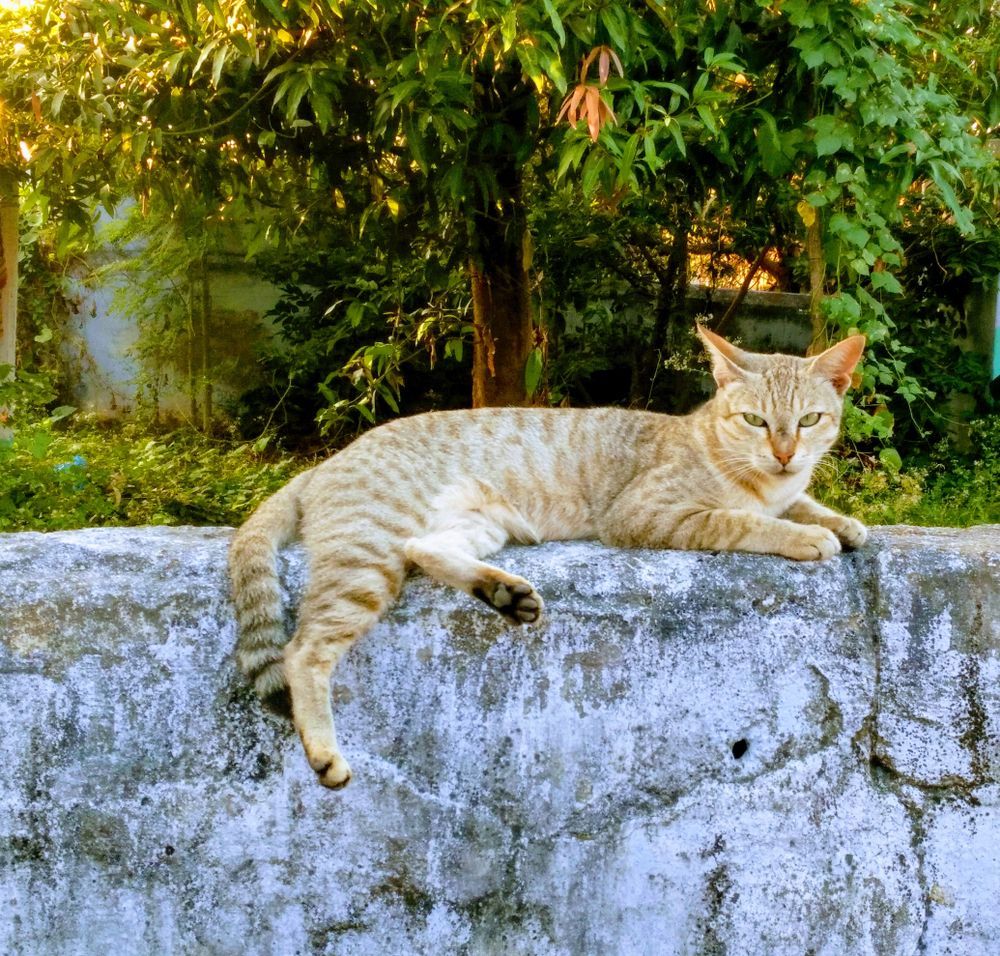
A Kanaani is a relatively new and rare breed of cat that originated in Israel during the 1990s. The breed was started by Dorris Polarschek, who tried crossing a Libyan wild cat with a domestic feline to create a wild-domestic hybrid. However, she faced difficulties.
Eventually, she decided to mix several kinds of domestic cats, including the Abyssinian and Bengal, with African wild cats. The breed wasn’t completely solidified until 2000 or so, and there are still very few of these cats around.
Breed Overview
Height:
Weight:
Lifespan:
Colors:
Suitable for:
Temperament:
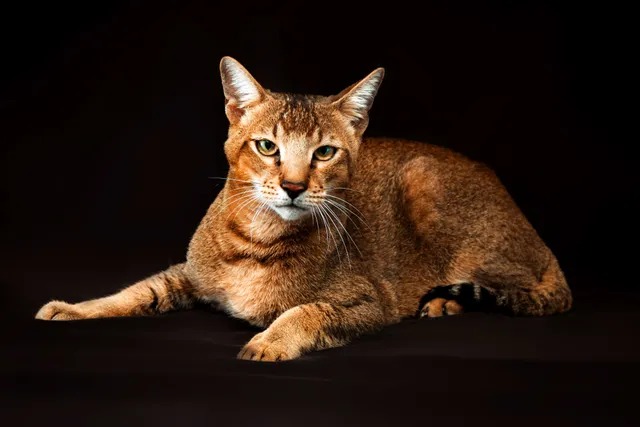
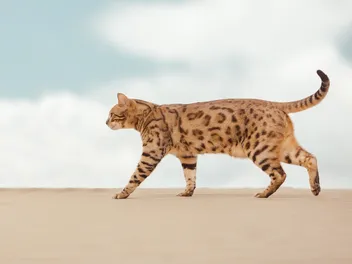
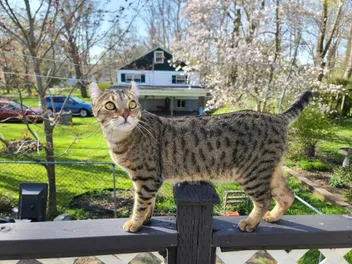
These cats carry the genes of wild felines, so they tend to be much more energetic than other cat breeds out there. They have a short, dense coat that comes in several different colors. However, they’re almost always “ticked”, which occurs when individual hairs have different colors.
While these cats can be very beautiful and wild-looking, it’s important to look truthfully at their temperament and needs before deciding to adopt one. These cats will spend much of their time running around. While they can be affectionate, they are not lap cats. They also have a very high prey-drive, which often leads to them playing far more than your average domestic cat.
Kanaani Characteristics

Kanaani Kittens

Kanaani kittens are even more energetic than their adult counterparts. These kittens hardly sit still! They literally go until they can go no more and often fall asleep wherever they stopped playing. Their tiny claws tend to be like magnets to toes and anything else that moves. Often, these cats will “chase” things that aren’t even there.
They tend to be exceptionally noisy, too. While their voices may start off rather quiet, they’ll quickly gain strength. They may seem to chat at you constantly.
It’s important to provide enough exercise and stimulation for these cats while also providing firm boundaries. They need a cat tree and plenty of toys. Preferably, a fenced-in, outdoor play area should also be provided.
Early socialization is crucial, as these cats can become a menace later without it. Remember, they are partially wild, so they need a little extra practice being domesticated.
These cats are often challenging to find. They are mostly found in Israel, and you’ll often have to import a kitten if you live elsewhere. There are very few dedicated breeds, so prices tend to be high and waiting lists long. Prepare yourself for a long wait if you’re set on one of these kittens.
Temperament & Intelligence of the Kanaani 🧠
These cats tend to be especially playful and energetic. They have seemingly boundless energy and will run around your home at all hours of the night. Kanaani love to chase, jump, and climb. Playtime with their owner is their favorite time of the day.
You’ll find that these cats are more independent than other felines. They often enjoy quiet solitude, even though they do form strong bonds with their owners. They aren’t prone to separation anxiety and do just fine spending much of their time at home as long as their environment is set up properly.
Kanaani are also much braver than other felines. They don’t tend to hide when strangers come around, especially when well-socialized. However, they don’t tend to curl up in everyone’s laps, either (though toes tend to be a free-for-all). If not properly socialized, they can assert themselves a bit too much and potentially even be aggressive.
Kanaani are also very intelligent. They have sharp minds and can figure out what you’re talking about rather quickly. However, they can also be a huge pain to train. They are exceptionally independent, so they’re unlikely to listen to commands unless they want to listen to commands. Patience and early training are key but don’t expect these cats to be as obedient as a Labrador Retriever.
Instead, their intelligence tends to be applied to solving problems. They quickly become escape artists and very good at opening cabinets. It can be hard to keep dangerous chemicals and other items out of their reach.
Are These Cats Good for Families? 👪
Kanaani cats aren’t typically a good choice for the average family. They work best with experienced cat owners and older children (if you have children at all). You should be able to provide ample enrichment, which typically requires a lot of time and space.
Their wild nature can lead to accidental nips and plenty of scratches. Young children tend to be the most at-risk, as they aren’t very good at getting out of the way. However, it’s bound to happen to everyone in the house, so be prepared. If you don’t want to deal with a few cat scratches, this breed isn’t a good option. While intelligent, these cats tend to be unpredictable.
Does This Breed Get Along with Other Pets? 🐶🐱
Kanaani can get along with other pets. However, this can be a bit of a mixed bag. Sometimes, they get along great. Other times things may be more challenging!
Their predatory instincts make them likely to stalk and attack any other pet you have. It’s important that your other pet can handle this. You should also consider the temperament of the other animal. A larger dog might not put up with a cat that doesn’t know boundaries.
Kanaani can also be more territorial than other cats. They’re less likely to get along with cats they didn’t grow up with, and some may even turn on their own siblings. It depends a lot on temperament, but you never know what you’re going to get until your cat gets older.
Therefore, it’s often best to adopt a Kanaani only if you don’t have other pets. They can sometimes get along well with others, but it is hard to know for sure.
Things to Know When Owning a Kanaani
Food & Diet Requirements 🐡
Kanaani doesn’t necessarily have special dietary needs compared to other cats. Often, a meat-based formula that’s designed for your average canine is plenty to keep these cats thriving. However, some may need extra calories due to their very active nature. They tend to need more food than a fully domestic cat of the same size would need. Keep this in mind and speak to a vet about specific feeding recommendations.
You may want to consider using wet food, as it has a high moisture content. This moisture content is great for hydration and preventing urinary tract infections. Generally, wet food tends to be of higher quality, as well. Don’t free-feed these cats, as they tend to be very food-oriented. They often eat too much when provided with unlimited food. Instead, provide several smaller meals throughout the day that are measured. Monitor your cat’s weight regularly so that you can adjust their diet as appropriate. You may need to increase and decrease the amount of food they get at different times, depending on their activity level.
Exercise 🐈
Kanaai are exceptionally active, so you typically don’t have to worry about them getting enough exercise. When provided with the proper climbing structures and toys, they’ll often spend much of the day running around. That said, you should dedicate at least 2 hours to encouraging play or playing with these cats each day. They can become bored if stuck playing alone for much of the day. Don’t stick to the same routine, as their intelligence leads to them boring easily. Offer many different activities and switch out toys regularly. Add some vertical features to your house, like cat trees and shelving. These cats often love to play with just about everything, so stock up on as many toys as you can buy. Due to their intelligence, they require some mental stimulation, too. Consider investing in puzzle feeders and other puzzle toys to help your cat engage their mind. Without proper mental stimulation, these cats are prone to destructive behaviors. These cats will often walk on a harness if you start training early. Walks can be a fast way to meet their exercise needs.
Training 🧶
Kanaani cats are smart, but that doesn’t translate to trainability. They are also very independent. They aren’t going to follow most commands, even if they know what you’re saying. For instance, if your cat is doing something bad and you start rewarding them when they stop (such as scratching on the furniture), they may start doing that bad thing to get the treat. Or, they may figure out a way to break into the cabinet where the treats are stored. Their observational skills and problem-solving abilities can make them a force to deal with. These cats are also rather sensitive, so punishment doesn’t work. Instead of learning from corrections, they tend to lash out and become aggressive. Of course, that doesn’t mean you shouldn’t try to train your cat. They’re often food-driven and enjoy the mental challenge, so you’re often most successful by making training fun. If you turn it into a game and add in plenty of activity, these cats may see training as playtime.
Grooming ✂️
These cats do not require regular grooming. Like most felines, Kanaani cats clean themselves well. They don’t need baths and may be downright aggressive if you try to make them take one. In the rare instance that they need to be cleaned, cat wipes are often a better choice. Kanaani tend to shed a lot, so it’s important to brush them at least once a week. Start early to get them used to brushing. A slicker brush often works best, but a grooming glove will work in a pinch if your feline won’t sit still for the brush. During shedding season, you may need to increase brush sessions to twice a week. Typically, this occurs during the spring and fall. However, it can vary from cat to cat. We recommend trimming these cats’ claws if you can. Use cat-specific nail clippers and be careful not to cut them too close to the quick. These cats tend to be a bit too aggressive with their claws, and clipping them can prevent scratching. Don’t forget to brush these cats’ teeth several times a week. They can be prone to dental issues, which are extremely common in cats.
Health and Conditions 🏥
These cats are considered very healthy. However, they are a rare breed and very new. We likely don’t know all of the conditions that are common in this breed. As they grow in popularity, it may become more obvious what health conditions occur most frequently. Currently, these seem most prone to injuries. They’re often very active and get into things they aren’t supposed to. Their adventurous spirit can lead to injuries and ingesting toxins. It’s important to cat-proof your house from top to bottom, but not all injuries can be prevented. Sometimes, it just comes with owning the cat. They tend to eat just about everything and explore more with their mouths than other cats. Therefore, they may also be more prone to parasites. Fleas, ticks, and worms are all more likely, especially if these cats are given access to the outdoors. Preventative medication is highly recommended, and you may want to deworm your cat regularly.
Male vs. Female
Males of this breed tend to be slightly larger than females. However, this difference is slight and not necessarily set in stone. Behavioral differences are also very minimal and mostly driven by sex hormones. If your cat is spayed or neutered, these differences often become nonexistent.
3 Little-Known Facts About the Kanaani
1. They have wild ancestry.
These felines are directly related to wild cats. Socialization is extra-important to ensure that they behave well indoors and around other people. They can revert back to wild behaviors faster than domestic cats, and they may be more prone to aggression when raised improperly.
2. Kanaani are very noisy!
Cats are often thought of as quiet. However, these cats tend to be exceptionally noisy. They have a wide range of vocalizations ranging from chirps to full meows. They’ll often have a “conversation” with their owners and will make their distress very clear if you upset them.
3. They all have green eyes.
Most cat breeds have varying eye colors, but this breed always has green eyes. It’s a trait that they’ve had since the beginning, and it won’t go anywhere unless a different eye color is introduced at some point. Of course, the exact shade of green can vary.
Final Thoughts
Kanaani may seem like a great breed to own. After all, they look like wild cats and have an aura of exoticness about them. However, they can be a lot of work and aren’t suitable for your average family. They act like wild cats, which makes them very energetic with a sky-high prey drive. This temperament can be a lot to handle.
We don’t recommend this cat for those with younger children, as they can be a bit too aggressive when playing. An experienced cat owner is a must, but these cats tend to act quite a bit differently from your average domestic feline
Featured Image Credit: BINGI VAMSHI KRISHNA, Shutterstock
Expert cat care, straight to your inbox
News, insights, and useful advice, delivered to you.

No spam — unsubscribe anytime.
By signing up, you agree to our Terms & Conditions and Privacy & Cookies Policy.
How useful was this post?
Click a star to rate. You can leave written feedback afterwards. (We read all feedback.)

Kristin is passionate about helping pet parents create a fulfilling life with their pets by informing them on the latest scientific research and helping them choose the best products for their pets. She currently resides in Tennessee with four dogs, three cats, two fish, and a lizard, though she has dreams of owning chickens one-day!