Egyptian Mau Price: Average Cost Guide 2026

In this article
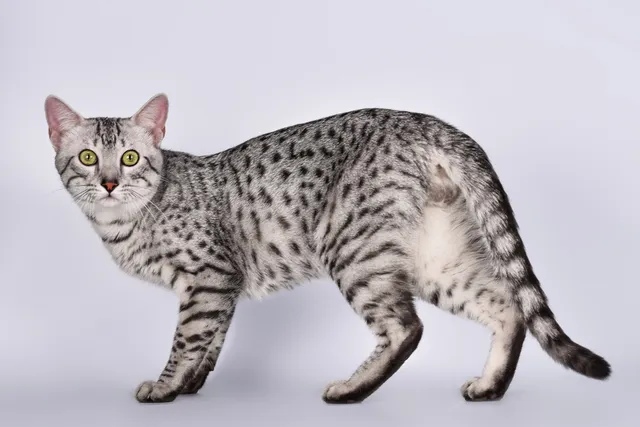
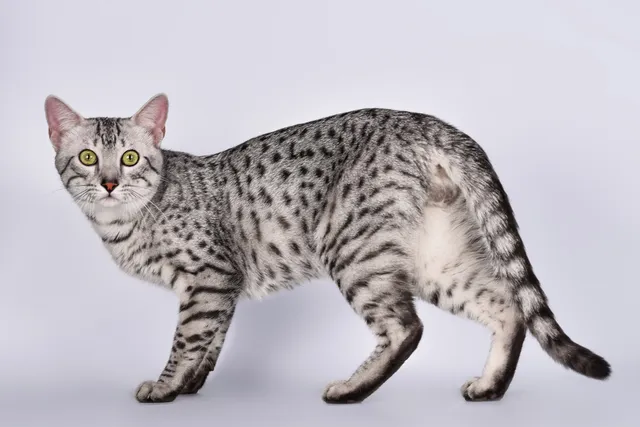
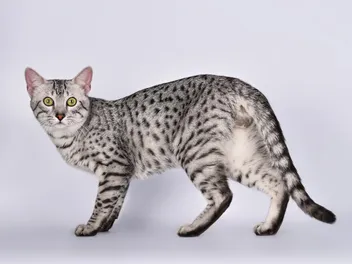
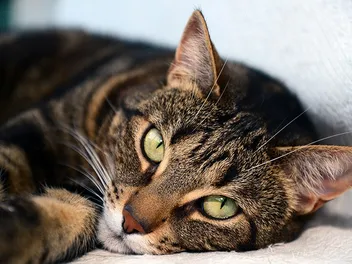
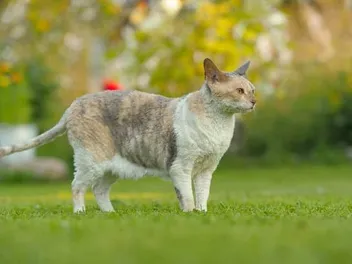
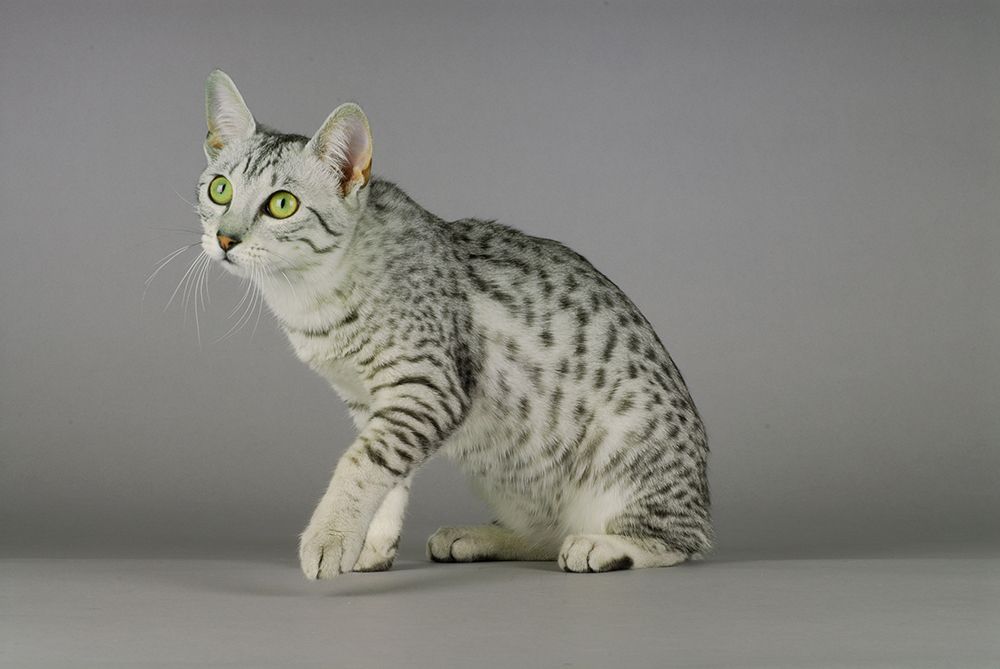
Egyptian Mau cats have stunning spotted coats and look like little wild cats! They come in a range of colors, including bronze, silver, and smoke, and each cat has a unique pattern of spots, which can be round or a bit more oval in shape. They have distinctive Ms on their foreheads set off by stunning black marks and gorgeous green eyes.
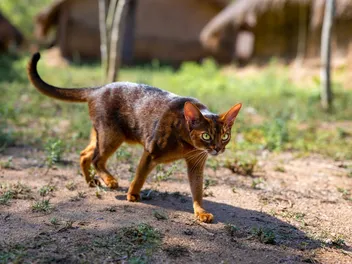
Egyptian Mau cats are sleek, muscular, and elegant, with longer back legs than their front ones, giving them distinctive forward-leaning stances. They’re often quite active and athletic and are known for their jumping skills and speed. They can live for 18 to 20 years, so you can look forward to spending several happy years together. The breed is a natural one that’s been around since the days of Ancient Egypt, but they only arrived in the United States in the 1950s. The price of an Egyptian Mau can be anywhere from $50 - $2,500 depending on the source with monthly expenses ranging from $55–$175.

Bringing Home a New Egyptian Mau: One-Time Costs
Getting ready to welcome a feline companion into your home involves a few one-time setup costs, including basics such as food and water bowls, a litter box, and toys. You’ll probably need to purchase your Egyptian Mau from a breeder; Egyptian Mau cats are rare and not likely to show up regularly in shelters.
Free
The chance of finding a purebred Egyptian Mau kitten being given away by a friend of a friend whose queen just gave birth is slim, but you may be able to find one looking for a home if their humans are relocating. You can use social media and other informal channels to let your network know you’re interested in adopting a cat.
Adoption
- $50–$200
There aren't that many Egyptian Mau cats around, to begin with, and they’re not likely to turn up in shelters. If you find an Egyptian Mau cat or kitten at a shelter or through a rescue organization, expect the adoption price of an Egyptian Mau kitten to be more than an adult cat. Pets adopted from shelters are often altered and vaccinated before they go home, but kittens often require a few further veterinary visits during their first year of life.

Breeder
- $800–$2,500
Egyptian Mau cats have been around for quite some time, but they’ve only been recognized by the Cat Fanciers' Association since 1969, and there still aren't that many breeders working with the cats. Expect to spend some time looking for a breeder and be prepared to wait for a kitten to become available. Once kittens are born, it usually takes 12 to 16 weeks before they’re ready to go to their forever homes.
Initial Setup and Supplies
- $430–$660
Consider having a few basics before your Egyptian Mau arrives to help them feel welcome from the moment they set foot in their new home. Food and water bowls are must-haves, along with a litter box and a scooper! You'll also need a carrier to bring your companion home from the breeder or shelter safely.
Look for carriers large enough for cats to stand up and turn around that still provide security. Brushes and other grooming tools are also great to have on hand since early exposure to grooming routines often makes the process easier for everyone involved.
List of Egyptian Mau Care Supplies and Costs
| ID Tag and Collar | $15 |
| Spay/Neuter | $200–400 |
| Microchip | $45–$55 |
| Scratching Post | $25 |
| Bed | $30 |
| Brush (optional) | $8–$20 |
| Litter Box | $25 |
| Litter Scoop | $10 |
| Toys | $30 |
| Carrier | $40 |
| Food and Water Bowls | $10 |
How Much Does an Egyptian Mau Cost Per Month?
- $55–$175 per month
Plan to spend anywhere from $55 to $175 monthly on healthcare, environmental maintenance, and entertainment. Older pets and kittens often have higher healthcare needs than healthy adult pets. Environmental maintenance expenditures, including the cost of purchasing essentials like litter, usually stay mostly the same over time.
Costs associated with feline entertainment (primarily toys and enrichment activities) generally remain pretty steady, but be prepared to provide your cat with new toys to play with regularly.

Health Care
- $35–$100 per month
The costs associated with keeping cats healthy usually shift over time. Kittens need special food, multiple vaccinations, and several checkups, so they often cost a bit more to keep fed and healthy than adult cats. Egyptian Mau cats are generally a healthy group.
There aren't many breed-specific conditions to worry about, and they can easily live 20 years. Cats generally start slowing down and developing health conditions as they age, which can increase healthcare expenditures associated with veterinary care, medication, and food.
Food
- $10–$20 per month
Egyptian Mau cats are pretty low-key regarding their dietary needs, and most are fine as long as they're eating commercial cat food that provides the required nutrients. Products that meet the guidelines established by The American Association of Feed Control Officials are designed to meet cats' complete nutritional needs.
Several specialty formulations, including digestive health options and formulas developed to relieve cats with achy joints, are available. Older cats sometimes benefit from special foods to manage conditions such as urinary tract and kidney disease, which are a bit more expensive than regular cat food.
Grooming
- $5 per month
Egyptian Mau cats have medium-length, soft coats and relatively modest grooming requirements. They only need weekly brushing sessions, but many cats look forward to being groomed, particularly when treats and cuddles are also involved.
Cats generally need to have their teeth brushed at least a few times a week with feline-specific toothpaste; human toothpaste contains fluoride, which is harmful to cats. Cats' nails also need trimming about every 2 weeks or so. Groomers can quickly and safely take care of nail trims for those who don't feel comfortable doing it themselves.

Medications and Vet Visits
- $5–$35 per month
Plan to spend more on vaccinations and veterinary visits for kittens. Once cats are about 1 year old, they generally only need to be seen once a year as long as they're healthy. Older cats are more likely to develop conditions such as kidney disease and high blood pressure, which often require medication to manage, and most veterinarians like to see their senior feline patients at least twice a year to stay on top of emerging health conditions.
Pet Insurance
- $15–$40 per month
Accident and illness insurance is designed to pay for non-routine care and medical situations that can't be planned for, including emergency treatment for foreign object injection incidents and serious conditions such as cancer. Almost all providers apply pre-existing condition exclusions and impose waiting periods.
Insuring kittens when they're young often avoids pre-existing condition exclusions being applied later, which can leave pet parents responsible for high medical bills. Some companies offer accident-only plans that only cover emergencies. Most insurance plans don't cover basics such as annual veterinary visits and vaccinations, but many offer wellness plans that can help save a few dollars on routine care.
Environment Maintenance
- $15–$25 per month
Cats often have high standards for their living environments, and most are not interested in having anything to do with stinky litter boxes. Keeping things clean in the litter box department is key to creating a welcoming environment for cats. There are a few options for litter, including crystal, clay, and biodegradable formulas.
| Litter box liners | $5/month |
| Deodorizing spray or granules | $5/month |
| Cardboard Scratcher | $5–15/month |

Entertainment
- $5–$50 per month
Entertainment is critical to keeping cats mentally engaged and physically fit. Toys and activities allow cats to use their brains and move their bodies. Regularly providing new toys is more enriching and fun for cats. One way to meet your cat's entertainment needs is to set a monthly toy budget and regularly purchase new options based on what your cat seems to enjoy playing with.
Alternatively, there are subscription box plans you can sign up for that deliver toys and treats right to your door.
Total Monthly Cost of Owning an Egyptian Mau Cat
- $55–$175 per month
Plan to spend anywhere from $55 to $175 every month on your cat and expect expenditures closer to the high end of the range as your cat ages or if they develop a health condition. Environmental and entertainment costs for cats largely remain steady over time.
Additional Costs to Factor In
While it's easy to remember to include recurring basics when calculating the overall cost of cat ownership, a few other expenses occur regularly enough to keep on your radar when coming up with an overall budget.
Cats can generally look after themselves for 24 hours, but you’ll need to pay for a pet sitter or boarding facility if you plan to be away longer. Cat companionship generally comes with a fair amount of general property destruction; sofas, for instance, often need replacing. Medical bills can often be relatively high without pet insurance, and even with coverage, there are costs such as deductibles and lifetime or condition spending limits to keep in mind. Saving extra cash can make dealing with these sorts of expenses much easier.

Owning an Egyptian Mau on a Budget
Cats are typically budget-friendly companions, but it's possible to save a few dollars here and there and keep your cat happy. For instance, cardboard boxes make great enclosed cat beds; you can add a towel to make the bed comfortable. It's also incredibly easy to entertain cats with DIY toys. Paper towel rolls, toilet rolls, and balls of paper are well-known favorites.
Saving Money on Egyptian Mau Care
Cat food tends to be the biggest single expenditure for most pet parents, but there are ways to save on high-quality products, such as buying in bulk, signing up for auto shipping options that offer discounts, and keeping an eye on pet food manufacturers' social media feeds. Some companies provide discounts to social media followers.
Many insurance companies offer wellness plans that can reduce costs, like regular veterinary visits, vaccinations, and even some types of dental care. While these plans usually don't provide full reimbursement, they can help keep costs under control when used smartly.
Conclusion
Egyptian Mau cats look like miniature wild cats with stunning spots and athletic bodies. These loving and loyal, active cats make excellent companions.
The average monthly costs of owning an Egyptian Mau cat generally range from $55 to $175, including food, litter, pet insurance, veterinary visits, and entertainment. Costs generally rise as pets age, and it’s always helpful to have a bit of money saved to pay for pet sitters and insurance deductibles.
Might Also Interest You: 4 Beautiful Egyptian Mau Colors & Patterns (With Pictures)
Featured Image Credit: COULANGES, Shutterstock
Expert cat care, straight to your inbox
News, insights, and useful advice, delivered to you.

No spam — unsubscribe anytime.
By signing up, you agree to our Terms & Conditions and Privacy & Cookies Policy.
How useful was this post?
Click a star to rate. You can leave written feedback afterwards. (We read all feedback.)
Lorre Luther is a writer who is firmly convinced that cats are smarter than humans. She left her law career in the United States and moved to the Netherlands to follow her dream of becoming a writer. Lorre currently lives in Rotterdam, she enjoys traveling and greatly appreciates the beauty of nature. Lorre has a spot for animals and admires the intelligence of cats.