Get

In Your Inbox

Catster is reader-supported. When you buy via links on our site, we may earn an affiliate commission at no cost to you. Learn more.

Why Is My Cat Hissing at Me All of a Sudden? 4 Vet-Reviewed Reasons


Share

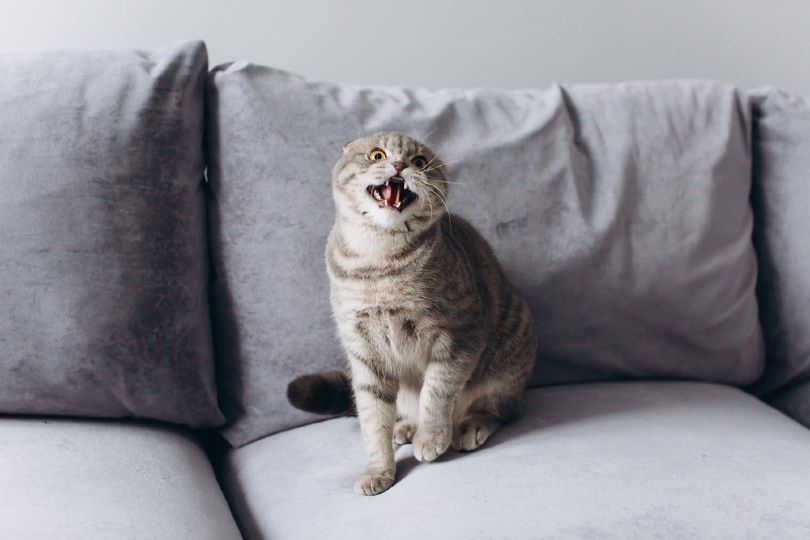
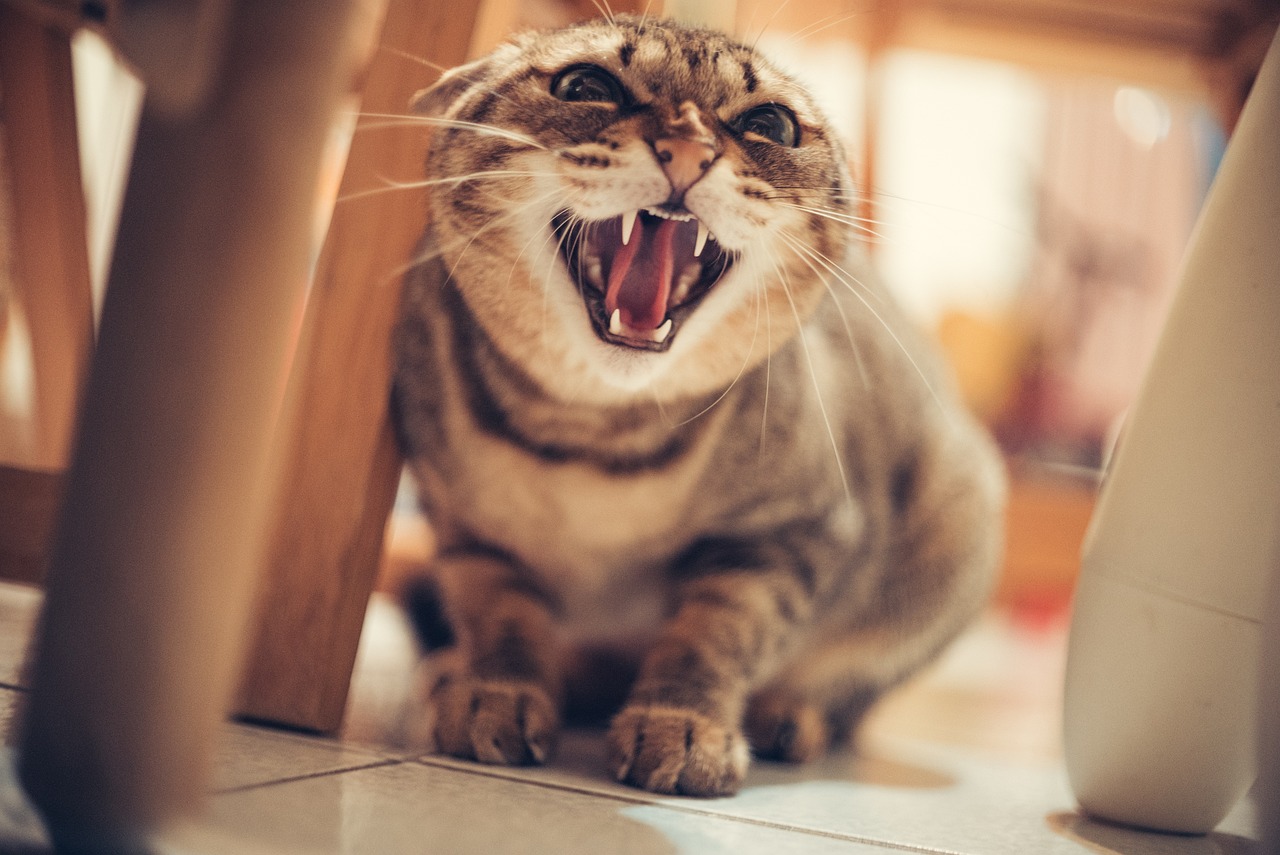
Scottish fold cat very angry and aggressive

A cat usually hisses when they feel uncomfortable or threatened by something in their environment, either another cat, another animal, or even a human. Yes, it can even be their owner! But an occasional snub isn’t the same as your cat suddenly hissing at you whenever they see you, especially if they’re typically affectionate and cuddly.

Fortunately, this behavior is often caused by environmental, social, or physical factors, not a newfound disdain for you. But to solve the problem, you must figure out why your cat is hissing at you in the first place. Let’s dive in to see what vets say are the most common reasons that a cat might start hissing at their owner.

divider 3 paws

The 4 Reasons Your Cat Might Be Hissing at You Suddenly

1. Fear

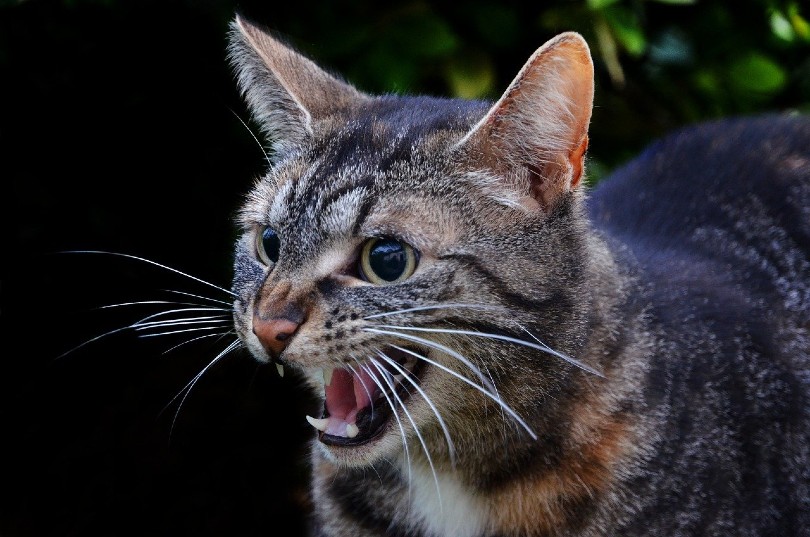
A cat hisses usually as a reaction to an immediate situation. If your cat is suddenly hissing at you, they might feel fear about something in the environment, a change in your physical appearance, or your movements. Are you wearing a new hat? Are you moving differently? It is important to analyze what could potentially be causing your cat to feel afraid and to give the cat some space.

At this point, a cat might try to retrieve and hide but will potentially bite or snap in defense as a form of fear-induced aggression. It is best to retreat a step or two, discreetly observe the cat, and wait for them to calm down.

angry cat hissing
Image Credit: Fang_Y_M , Pixabay

2. Need for Space

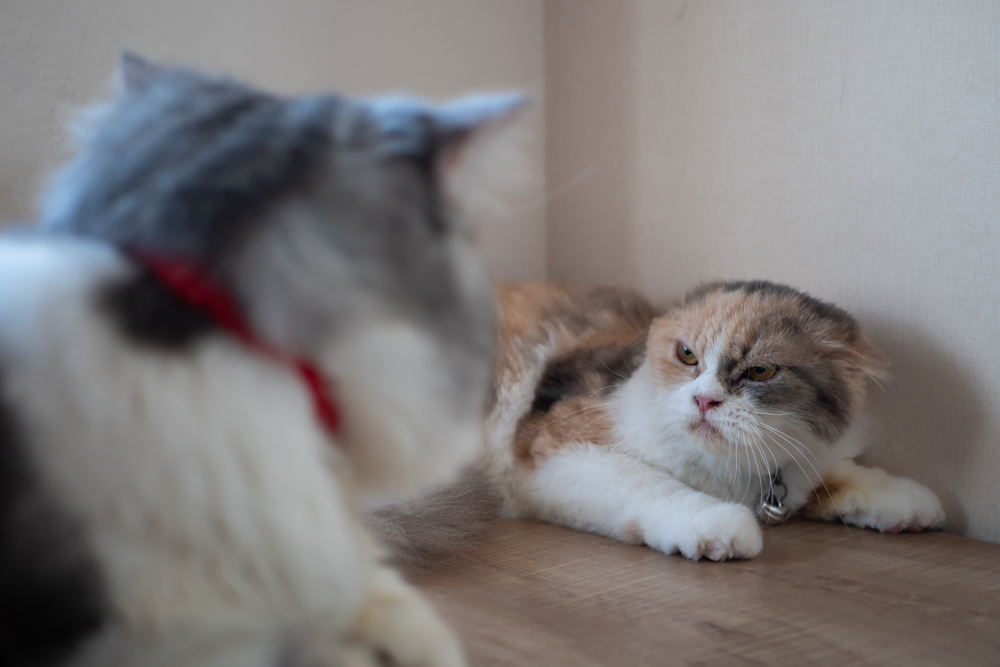
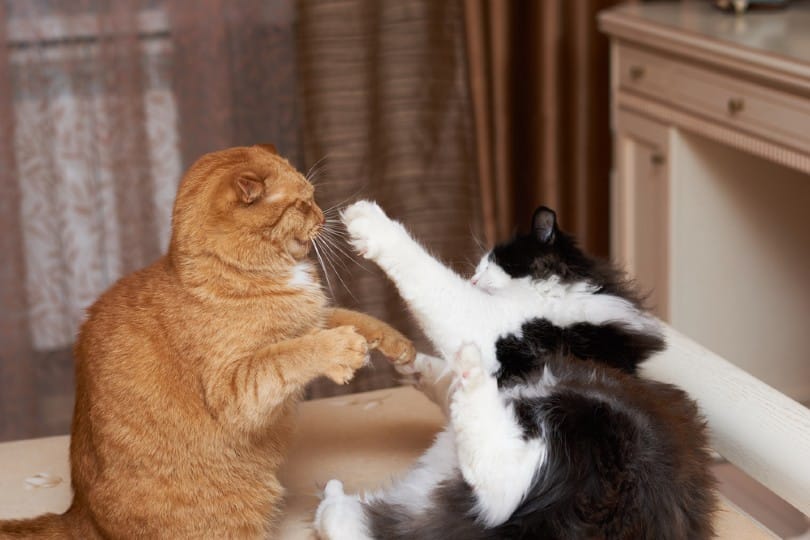
Cats can also hiss at each other or toward other creatures in an attempt to establish boundaries and let the other one know it is time to back up.

If a cat has hissed at you, it is better to leave them alone and provide space. Discreetly observe your cat from a distance to try to examine their behavior and if there is something specific in the environment that is scaring them. During this time, avoid speaking or interacting with your cat. You should keep in mind that it is safer to leave the cat alone, but whenever this is not possible, protection such as a thick towel must be used to carefully handle the cat.


3. Introduction of a New Person or Animal

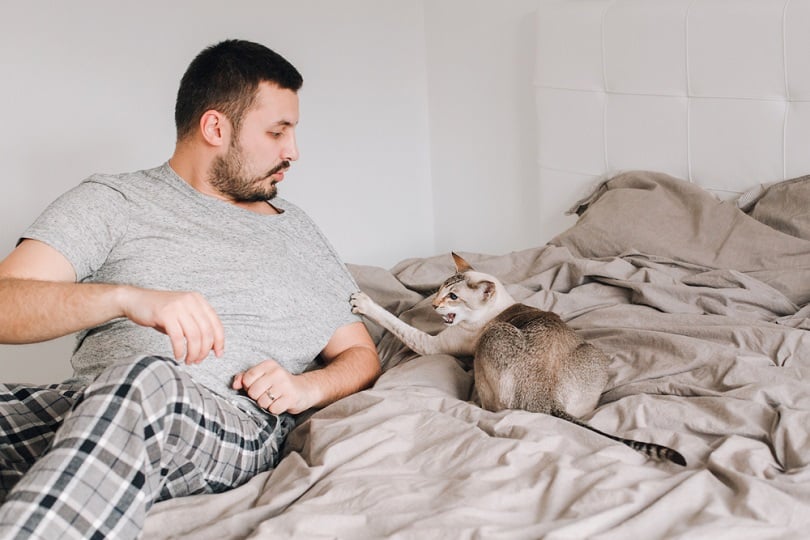
If you’ve just gotten a new cat, moved your spouse in, or even just had a friend over a few too many times for your cat’s comfort, they might start hissing at you. Whenever you are adding to the social environment of your cat, it is important to do gradual introductions and analyze the situation. If you can relate the sudden behavior of your cat hissing with bringing a new cat or person into their environment, it is time to make a physical separation for a while.

Once your cat has time to decompress, you can start to gradually introduce the two subjects. Short and positive introductions using food or treats as a reward for calm behavior and gradual approximations usually do the trick. A hissing and scared cat is not in a good mental state, so you, as the guardian and caretaker, should give your cat the time and experience they need to have a positive association with any addition to their social environment. If you would still experience issues with your cat, it is recommended to consult a veterinarian about training options.


4. Pain

The smoking gun for this one is whether your cat hisses at you all the time or only when you touch them in certain places or try to pick them up. If it’s the latter, your cat may be in pain. After all, touching a wounded body part rarely feels good.

Cats are exceptional at hiding their signs of illnesses. This biological drive protects them from opportunistic predators that might want to turn them into a tasty, easy-to-capture meal. While an indoor cat don’t suffer those same risks, they still have the biological drive to hide signs of illnesses. Your cat may not be forthcoming about their illness or injury and may only react when you touch them and make them hurt.

If you suspect that pain is the cause of your cat suddenly hissing at you, please visit the veterinarian soon. Since cats usually hide their pain and discomfort, by the time you notice that something is wrong, it is usually something that needs attention. Do not waste valuable time waiting to see if it passes.

Abyssinian cat hisses
Image Credit: Slava Dumchev, Shutterstock

divider 3 paws

Final Thoughts

It’s scary when our pets start acting out of the ordinary. Thankfully, this problem is typically resolvable without medical attention. The stressful lives led by cats worldwide cause most cases of atypical hissing.

However, if your cat only hisses when you touch them (not before you try, only once you come into physical contact), you’ll want to take your cat to the vet, since this is a sign that your cat is in pain and might need medical attention.


Featured Image Credit By: Anatoliy Cherkas, Shutterstock

Want content like this delivered to you?

Sign Up For Our Newsletter

News, insights, expert advice, and everything cat

* By submitting, you agree to our Terms & Conditions and Privacy & Cookies Policy.


How useful was this post?

Click on a star to rate (you can leave written feedback after clicking submit)

Help us improve Catster for pet parents!

Your feedback really matters.

What did you like about this post? Also how can we improve it?

Join the conversation

2 Responses

  1. what about u get an adopted cat as I did had him almost 2 weeks. 1st few days he was hiding. but occasionally he let's me pet him and he would squirm around..act lovely and all.. but still remain hidden.. now recently he has hissed.. I figured he wanted space but still hissing. but what is weird if I slowly reach him, and start petting him, he is all playful and loving. then few hours later, he hisses again.. per kennel, he is healthy and gotten his shots.. am I doing something wrong or is it just the shy stage of new environment?

    1. Hi Daniel, thank you very much for sharing your story and for adopting a cat. Two weeks seems too short for your cat some will take longer to build trust, especially if they have a difficult background. Since the kennel confirmed that the cat is healthy, you should give him some time and continue working on building a trust-based relationship with him. Respecting their space is a great option at this point as making sure he feels safe is a must. If your problem persists, consider a video call with pangovet.com for additional and personalized advice.

Leave a Reply

You’re very welcome to leave a comment or question. Please know that all comments must meet our community guidelines, and your email address will NOT be published. Let’s have a positive and constructive conversation.


Catster's Digital Magazine is Back!

Vet-approved health & behavior advice

Real cat stories & community features

Chatting About Big Cat Tourism, Lion Hunting, and Learning From Our Mistakes | Chatty Cattys, Episode 26

In this episode of Catster’s Chatty Cattys podcast, Nicole and Dr. Karyn dive into the dark side of big cat tourism and the...

Why Cats Sit by the Door (But Don’t Go Through It)

Door-sitting is one of those quirky little habits that almost every cat owner experiences at some point. You know how it goes: a...

Six Legs Are Better Than Three – How A Tripod Dog and Kitten Found Friendship Through Recovery

Sometimes the most meaningful friendships begin in the most unexpected places. At a Maryland veterinary hospital operated by Last Chance Animal Rescue, two...

The Original Space Invaders – Why Zero Respect for Personal Boundaries Is a Good Thing

Cats have a reputation for being independent, and in many ways they are. But anyone who has tried to work at a laptop...

More related

Is It Safe to Vacuum Cat Litter? Facts & Cleaning Tips

Ask any cat owner what the least fun part of living with their pet is, and most will probably say dealing with the...

9 Ragamuffin Cat Colors & Patterns (With Pictures & Infographic)

The Ragamuffin is a very outgoing and docile cat breed that loves to lounge around on its owner’s lap. It’s outgoing and enjoys...

Cat Eye Tumors & Cancer: Our Vet Explains the Causes, Signs & Care

Cancer and tumors can affect any part of a cat’s body, even their eyes. Fortunately, eye tumors in cats are uncommon, if not...

Cat Eyes: Vet-Reviewed Genetics, Color Changes & FAQ

Have you ever cuddled your cat in your arms, stared into their eyes, and been blown away at how beautiful and unique they...

Keep reading

How to Stop Your Cat Begging for Food: 6 Ways That Work

Shadow was a young adult cat when she was rescued by her human, Nikki, from a trailer park where stray and feral cats gathered. Since kittenhood, Shadow lived in the park, scrounging for scraps from dumpsters and begging residents for...

Can Cats Eat Rosemary? Vet-Verified Potential Benefits & Risks

If you like to cook for your cat, you might be tempted to sprinkle a little rosemary on their chicken. Or maybe you’ve brought home a rosemary plant and noticed that your cat likes to munch on it, which, by...

Can Cats Eat Rosemary

Cat Spraying vs Peeing: Vet-Verified Differences

Dealing with your cat peeing inappropriately in your home can be exceedingly frustrating. Many cat owners don’t realize there’s a difference between your cat peeing and spraying. While it may not seem like it, the distinction is important because several...

10 Best Probiotics for Cats in 2026 – Reviews & Top Picks

There are few things more terrible than a cat suffering from an unchecked gut. If you don’t believe us, ask any cat owner with a kitty that has suffered from inflammatory bowel disease—they’ll clue you in. But there is a...

Is Rhododendron Toxic to Cats? Vet Approved Facts & Safety Tips

Rhododendrons or azaleas are some of the most popular landscaping plants. It’s easy to see why—they’re gorgeous with their colorful, showy flowers. The genus is large and diverse, with over 1,000 species on four continents1. Of course, there are also...

Catster_Is Rhododendron Toxic to Cats

Can Cats Drink Coconut Water? Vet-Verified Nutrition Facts & FAQ

Coconut water is the clear liquid that is found inside young coconuts. It is packed with electrolytes and is known to offer benefits to humans when consumed. But can cats have coconut water? Coconut water is not toxic to cats...

Tonkinese Cat Health Problems: 7 Vet-Reviewed Concerns

Tonkinese cats are known for their beautiful coats and pleasant personalities, but that’s no guarantee of health. Although Tonkinese cats are healthy, they are slightly more likely to inherit some genetic conditions that will need extra care. Every breed of...

Catster_Health Problems Tonkinese Cats

Do Kittens Sleep a Lot? Vet-Reviewed Facts & FAQ

There’s nothing quite like the angelic and innocent sight of a sleeping kitten. Kittens of all breeds spend their days learning, growing, playing, eating, and snoozing, and they’ll spend the rest of their lives doing these same activities even as...

kittens sleeping

Love Cats? So Do We! Join the Catster Community

Stay informed with expert pet care insights delivered straight to your inbox! Discover professional guidance on animal behavior, feeding tips, trusted product picks, and much more.


Sign up for the Catster Email Newsletter

Stay informed with expert pet care insights delivered straight to your inbox! Discover professional guidance on animal behavior, feeding tips, trusted product picks, and much more.