


In this article
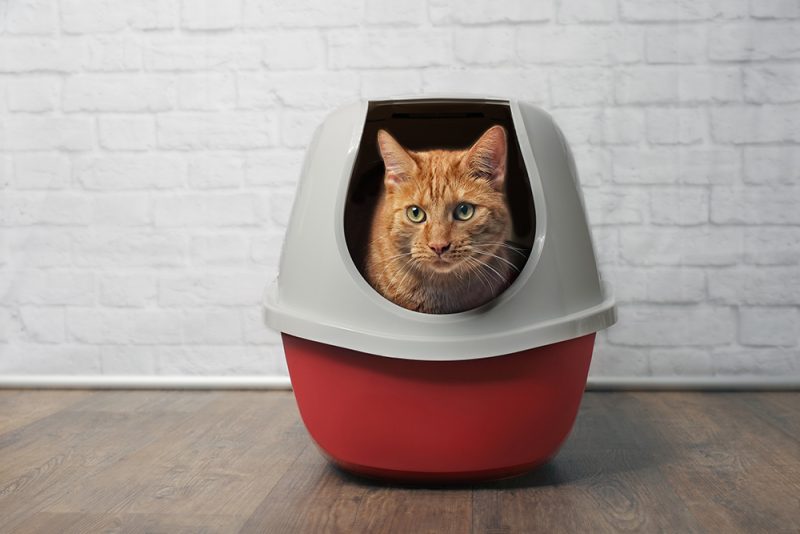
You might be quite impressed with your cat’s ability to check out a tub of litter one time and know exactly what to do with it. Why can’t dogs be like that? Even though we’re super impressed with our felines’ bathroom habits, one must wonder—why do cats need a litter box?
And what causes them to just know what they’re doing when they see one? It’s called instincts. Despite our cats being some of the most fearsome predators of their size, they still want to hide from animals bigger and higher up on the food chain than they are. So they bury their urine and feces as a way to hide their scent. In the wild, they may use dirt, sand, leaves, etc., to cover their tracks, but domesticated cats just use a littler box.
Here are some reasons that cats use litter boxes when other animals don’t.

Cats Use Litter Boxes Instinctually
So, if you ever have a kitten blow your mind by being litter trained by round one—it’s to be expected, but not always guaranteed. One thing is for sure, kittens and cats come with built-in wiring to cover their waste.
Out in nature, cats can have many predators to watch out for. Some examples might include dogs, coyotes, bobcats, mountain lions, eagles, and many other larger animals. If these animals can smell cats’ already-strong droppings, they might be hot on their trail.
This is something that a lot of other animals don’t have to worry about, such as dogs, for instance. For the most part, dogs tend to be larger than cats and are more of a force to be reckoned with when it comes to predators than cats are. Dogs tend to mark an area with urine or feces in an obvious way, in order to make it obvious to other animals that they were there, whereas cats want to hide the fact that they were there.
Of course, most domestic cats never have to worry about getting eaten by a predator. They are too busy snoozing in their favorite sunny window to fathom getting eaten.
Regardless of our cats present day, humans have certainly gotten lucky that our cats prefer the coverage. Otherwise living with them could be quite challenging.
Cats Are Masters of Hygiene
Cats absolutely love keeping clean and they spend many hours a day grooming their beautiful coats. They don’t want any dirtiness clinging to them, so they meticulously stroke their coats to remove any debris. In fact, they spend up to 50% of their day keeping up with baths.
They also want to use a litter box for the same reason. It keeps all their waste in one place and keeps the other areas where they live clean. So, it should make you feel good to know that cats are very clean animals, despite any setbacks with litter training.
In actuality, if a cat is refusing to use the litter box, it can be because there’s a problem with some aspect of the litter box. It could be too dirty and need to be changed, or they just don’t like the litter or the litter box for some reason.
Cats Use Waste for Communication
While cats can definitely hide their poop like a pro, they also use their waste to communicate with one another— for social and mating purposes. Our cats can learn so much information about others just by giving their waste a good sniff. So, in some cases, they may not hide their waste if they have a reason to communicate with other cats. They may be looking for a mate, or want to reinforce their territory.

Tips for Cat Litter Training
Even though cats are very smart and just know to use the potty like a baby bird knows to eat a worm, not all will pick it up with ease. Some cats have trouble due to several different factors—but most can be summed up in the simple terms of every kitty is different.
Even if it seems like your cat picked up litter training, there are still a few measures you can put in place to ensure that it sticks. If you are having issues convincing your cat to use the box, here are a few tips.
1. Start Small
At first, you won’t want to give your cat access to the full house. Partial access is fine, but realistically you will want a small space with a floor that is well-protected or at least easy to clean (like wood or laminate).
Allowing your kitten too much space at first can certainly create room for secret accidents you don’t find until much later.

2. Have an Easily Accessible Litter Box
Buying a litter box might seem like a no brainer but your little tyke might appreciate some help. If you get a lower litter box with an easy access point, it can help your cat remember where it is and make climbing in a breeze. Don’t put the litter box too out of the way or in noisy areas.
Some folks choose to use small cardboard boxes or tin trays the first few weeks to create an easily disposable open concept for training. Ultimately, it is whatever is easiest for your cat.
3. Buy the Right Litter
There are tons of different litter box materials on the market right now.
- Clay
- Silica crystals
- Recycled paper
- Wood
- Grass seed
- Pine
Ultimately, the type of litter will depend on your goal. Do you want a litter that’s natural? Easy to clump? You have options! But at first, it might be easier if your kitten learned with clay. Clay is very attractive to cats because of its texture and coverage abilities.
Some cats can be picky about litter though, so if your cat isn’t using the litter despite the box being clean and easily accessible, they could prefer a different litter type. They also usually like the litter to be a few inches deep. You might have to experiment with different litters to find one your cat likes.
Cleaning up after our pets is not the most enjoyable part of owning them. Despite keeping a clean litterbox, cat odors and stains may still exist around the house. Sometimes, even the best litter box setup needs extra help. If you're tired of dealing with bad smells from litter boxes, Hepper Advanced Bio-Enzyme Pet Stain & Odor Eliminator Spray can help with the worst pet stains and smells. Additionally, the Advanced Bio-Enzyme Cat Litter Deodorizer neutralizes odors upon contact.
Our Favorite Products
| Image | Product | Details | |
|---|---|---|---|
Best Enzyme Cleaner

|
Hepper Advanced Bio-Enzyme Pet Stain & Odor Eliminator Spray |
|
CHECK PRICE |
Best Litter Additive

|
Advanced Bio-Enzyme Cat Litter Deodorizer |
|
CHECK PRICE |
At Catster, we’ve admired Hepper for many years and decided to take a controlling ownership interest so that we could benefit from the outstanding designs of this cool cat company!
4. Use Positive Reinforcement
Like dogs, cats can respond well to rewards when training. If you catch your cat doing the right thing, offer them a treat. When they start to associate using the litter box with a tasty snack, they are more likely to repeat this behavior in the future. Mosty likely, you will find your cat using the litter without much prompting but if you’re having trouble, placing them in the litter box after a nap or a meal can help. At these times cats are more likely to need to “go”.
5. Keep the Litter Clean
Being fastidiously hygienic animals, cats won’t want to use a dirty litter box. A scoop out at least once a day and refreshing the litter will keep the box in acceptable condition for your cat. Every week or so you should give the litter tray a complete clean out, including washing with soap and water.

6. Increase Range
Once it seems like your cat has it down, you can slowly allow them access to the rest of the house. They will be able to navigate around and still find their litter box. However, if you see a regression, it might be a good idea to limit things again until they get the hand of it.

Litter Box Regression
If it seems like your cat is going backward, don’t fret. Some litter box regression during training can be normal, but it’s best to get a handle on it. Keep in mind that there is a major difference between litter box regression and other bathroom problems—like marking territory, stress-related issues, and medical problems. If you notice your cat straining, urinating in strage places, or blood in the urine you are probably dealing with a medical problem and should book a veterinary appointment.
If you need to speak with a vet but can't get to one, head over to PangoVet. It's an online service where you can talk to a vet online and get the advice you need for your pet — all at an affordable price!


If your cat has reached roughly 6 months of age and you start noticing their urine is a bit strong, they are likely reaching sexual maturity and might very well be spraying—male or female. Spray can be difficult to remove from surfaces and fabrics (and sometimes impossible if it is allowed to build up and your cat repeatedly sprays on a certain area).

The Importance of Spaying and Neutering on Time
When your kitten is growing up, spay and neuter surgery is going to be a hot topic of discussion early on. Not only is it best to prevent unwanted pregnancy and reproduction, but it also curbs otherwise challenging behaviors your cat will develop.
Both heat cycles and male hormones can create household chaos. It can ruin your belongings and make coexisting with your pet difficult.
Many have a misconception that this surgery will cure any and all issues related to spraying. Unfortunately, that’s just not true. While it might calm down the issue, it may never cure it completely especially if you prolong the spay or neuter surgery and your cat makes a habit of it. But the sooner you have the surgery performed, the better chance you’ll have of breaking the habit.
Conclusion
How lucky are we to have capable, intelligent felines terrified of a predator catching a whiff of their poop? It doesn’t matter why in reality; it just matters that it’s super cool our cats need very little to no guidance on bathroom etiquette.
Just remember, even though cats are easy to house train, they can still develop bad behaviors once they reach sexual maturity. If you haven’t done so already, call your vet to schedule a spay/neuter procedure!
Featured Image Credit: Lightspruch, Shutterstock








4 Responses
My cat seems to go outside to relieve herself. She won't use litter box even though we keep it clean. Is this normal?
Hi Valerie, many cats do the same when given the choice. It is not ideal, but it is a common behavior in outdoor cats.
My cat wakes me at around 4 or 5 with constant meowing in the morning when my boyfriend sleeps over whether he stays over for one day, a week or more .When I’m alone he sleeps peacefully until I am up. Any suggestions how to change this behavior?
Hi Monika, remember that cats are creatures of habit, and changes in the environment and routines will stress them; maybe your cat feels displaced. Sharing their human with another human might not be ideal for them and they can find ways of getting your attention. You are not providing information regarding whether your cat will normally sleep in your bed, but we think if you try to get your boyfriend to bond and win your cat’s trust, that might help. Also, make sure you do not change your behavior towards your cat whenever he is staging over. Good luck!
Why Do Cats Meow at Night? – https://www.catster.com/cat-behavior/why-do-cats-meow-at-night/
How to Bond With Your Cat – https://www.catster.com/cat-behavior/how-to-bond-with-your-cat/