What Is Cat Imprinting? Everything You Need to Know
In this article
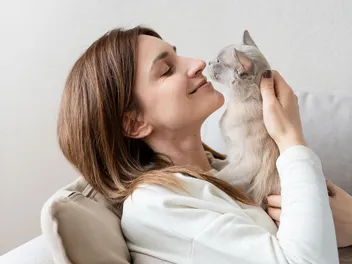
Cat imprinting is a complex psychological and social bond between a cat and their human. It is challenging to describe the process but easy to see the signs. Essentially, a cat imprinted on you has accepted you as a member of their family. This bonding is an instinct that goes back to wild animals and can be seen across many animal species.
Let's look at what imprinting is in its various forms and how your kitty uses this to get closer to you. We will also cover some signs that your cat has imprinted on you that you can look out for. Finally, we answer some of the most common questions we hear about it.

How Does Cat Imprinting Work?
Imprinting in the Wild
While cat imprinting behavior is unique, as it is with every animal species, it's important to understand what imprinting is, how it happens, and the biology of the process. Almost all mammals with strong survival instincts will first learn who their mother is, with whom they generally form a strong bond. Depending on the species, this bond may be as short as a few weeks in rodents and lagomorphs, or as long as many years or even lifetime in some marine mammals.
In addition, this first glimpse, or imprinting, creates a bond with that parent, giving offspring the trust needed in them to provide sustenance and shelter and eventually equip them with the necessary skills to survive on their own.

Purposeful Imprinting
Sometimes it's beneficial to imprint humans on a species or specific group of animals. For example, animals at a zoo should learn to interact with us early on because caretakers will work hard to ensure they are happy and healthy. It is important to let a mother and new baby bond.
Still, veterinarians and other zoo staff will start interacting with them shortly after the baby is born to ensure they are part of the imprinting process so that the young one grows up comfortable with their surroundings. This can also be true for working animals like farm or ranch animals.
And Then There Are House Cats
Unless you were there when the litter was born, you most likely weren't the one to imprint on the kittens. However, if a human is present and the kittens grow up in a protected home environment, they are comfortable with most humans. The way they interact with you will largely depend on their surroundings and early socialization with humans and other animals, as well as their temperament. Feral cats, or those born in the wild, aren't likely to be comfortable around humans, even if the mother was once an indoor pet.
Like most other mammals, a kitten will imprint on their mother when they are born, learning to become a cat by first seeing her and then following her to learn her behaviors. Therefore, if your pet kitty imprints a second time on you, then it's quite a special honor. To be imprinted upon, your cat welcomes you as another member of their family. They will begin to treat you as a member of the group with actions that reflect that, like grooming and sharing "gifts" of dead birds and mice.

The 7 Signs Your Cat Imprinted on You
1. They Stay Close to You
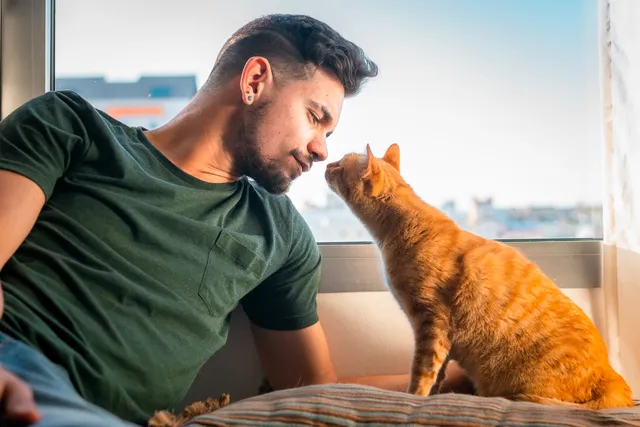
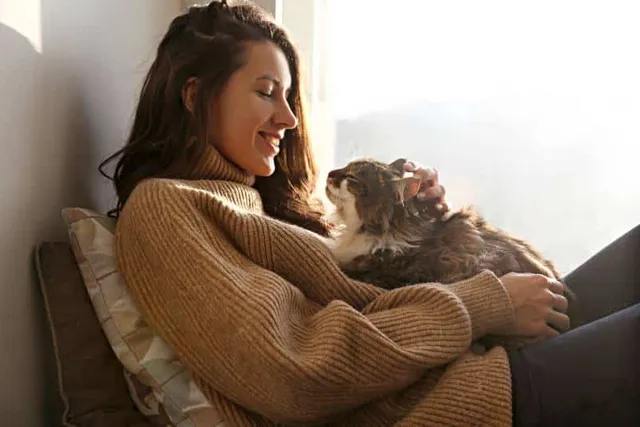
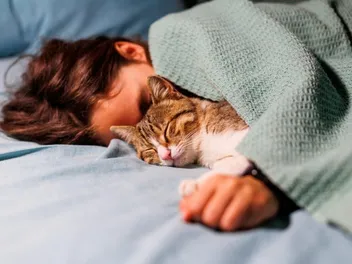
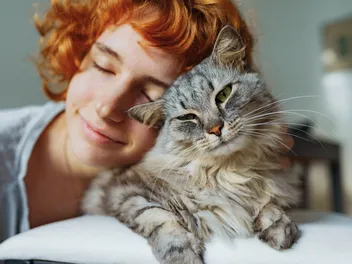
Cats don't spend time around people they don't like. If they stick by your side, it's safe to say they approve of your company. They may lay nearby, like on the back of the chair you are sitting in, or even go so far as to lay on your lap. Sleeping with you is particularly special because a cat's instincts make them more vulnerable at night. They may feel more protected by you or that they should be the protector. Both are important to the imprinted human.
2. They Knead You

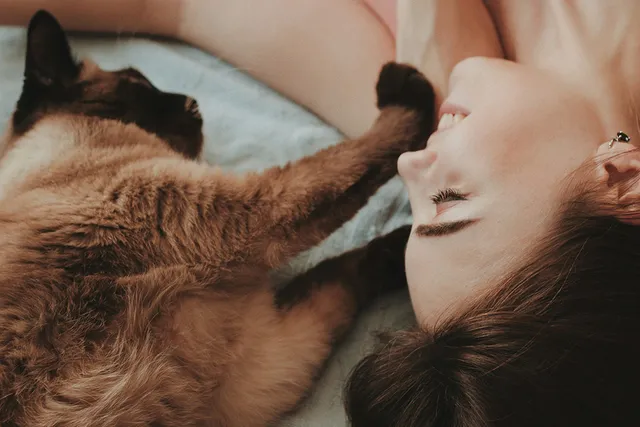
Kneading is another instinctive behavior for cats that starts when they are kittens. The action will help stimulate a mother cat's milk production. Scent glands in their paws allow them to mark their territory and fill their environment with their scent, both of which are calming. The act of kneading is relaxing, often done to reduce stress, but it is also a sign that they are perfectly content.
3. They Communicate With You
Communication is a bit different for cats than for dogs and other pets. Certain breeds may be more vocal than others, but meows, chatters, purrs, and other sounds can tell you how they feel and what they want or need from you. Purring is especially meaningful as it can prove happiness and pure bliss, especially if they are lying on your lap!
4. They Show You Their Belly

Bellies are vulnerable, especially to wild cats, and your house cat will feel the same. Pay attention to your cat's posture, especially when stretching or making themselves comfortable for a nap. If they've shown their belly, it is a sign that they've given you their trust. While many cats will never agree to have their belly rubbed, your cat allowing you to touch their belly is a sign they've fully imprinted on you.
5. They Rub Against You
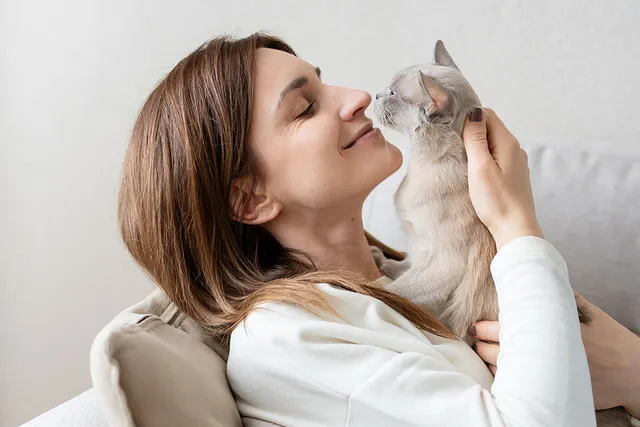
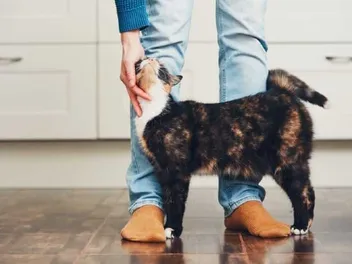
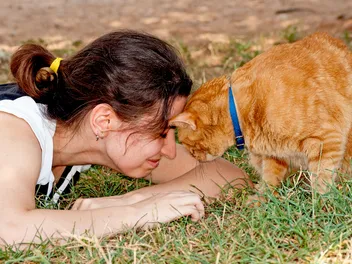
Like on their paws, cats have scent glands throughout their bodies, including on their head, chin and around the base of the tail. They use these scent glands when marking by rubbing against things, especially your legs and any objects you use regularly. Being "marked" by a cat means they've claimed you as theirs.
Some cats may do this to several people, but when done with other things on this list, it most likely means you belong to your kitty.
6. They Groom You

Grooming is essential to cats. Mother cats groom their kittens, and litter mates may also take up the practice. If you have two cats that grew up together, you might also see them groom each other. Even wild cats do this. However, this is purely a cat behavior and not one that many cats will do with humans unless they've created a solid bond and begun to see you as a part of their cat family.
While it should be considered an honor to be treated as part of their cat family, you may need to set some boundaries early on, such as avoiding getting groomed on the face.
7. They Bring You Gifts
When mother cats bring gifts of food back to their kittens as they are starting to wean them off of milk and onto solid foods, they are providing for their family. Adult cats continue to do the same, and bringing gifts of dead birds and mice is their way of telling you they've brought supper for the night.
While it may not be what you had in mind, remember that their heart is in the right place!
Frequently Asked Questions
Do Cats Imprint on Only One Person?
Most cats will only imprint on one person, even if they accept and love others in the home. This is similar to imprinting behavior in kittens. When they are born, kittens imprint on only one other cat (their mother), although they will show affection, protect, and play with their littermates.
They may even accept other cats as family, but they may not be the ones they feel the closest bond with. Cats don't choose a human to imprint on without making a strong emotional connection.
Can Older Cats Imprint on Humans Too?
Most times, it is younger cats that imprint on a human. They are still forming emotional attachments like they did when they were born. However, older cats can choose a human to imprint on. It is more likely to happen if you spend a lot of time with them, allowing them to connect with you at their pace, especially if rescuing them after being abandoned, caring for them if they have been sick, or providing for their needs in another significant way.
Do All Cats Imprint on Their Owners?
No! Not every cat will form this strong attachment with a human. There are a lot of factors, such as age, early socialization, personality traits, and upbringing, that you can't control. Being imprinted on by a cat is an honor. If you have noticed the signs above and feel your cat has accepted you as their own, consider yourself part of their family just as much as they are a part of yours.
Conclusion
Cat imprinting is complex and hard to pin down a simple definition. How does it work? Why do cats do it? These are all questions that may remain unanswered. However, we know the signs of cat imprinting and that this is a special bond you will share with them throughout their lives. Cherish and nurture that bond with plenty of lap cuddles, head scratches, long conversations, and head butts. You will both enjoy the interaction!
Featured Image Credit: Svetlana Rey, Shutterstock
Expert cat care, straight to your inbox
News, insights, and useful advice, delivered to you.

No spam — unsubscribe anytime.
By signing up, you agree to our Terms & Conditions and Privacy & Cookies Policy.
How useful was this post?
Click a star to rate. You can leave written feedback afterwards. (We read all feedback.)

Christian started writing for a local newspaper as a teenager, and he's been involved in the publishing industry for most of his adult life. Combining his love of writing with a passion for animals, he is currently the Director of Editorial at Pangolia and the Editor-in-Chief at Catster.
Christian lives in the Philippines with his wife, son, and four rescue cats: Trixie, Chloe, Sparky, and Chopper.