Aphrodite (Cyprus) Cat Breed: Info, Pictures, Temperament & Traits
In this article
Breed Overview
Height:
Weight:
Lifespan:
Colors:
Suitable for:
Temperament:
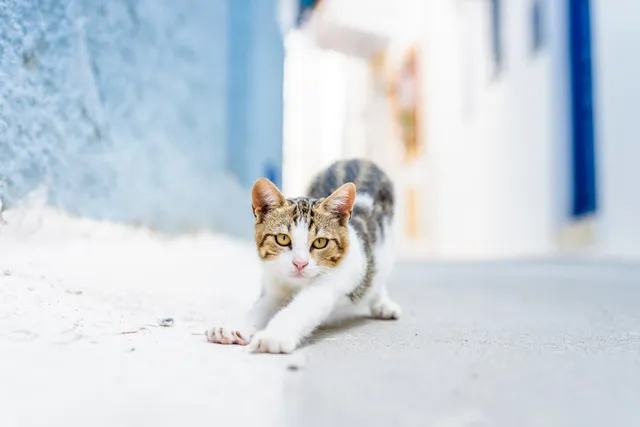
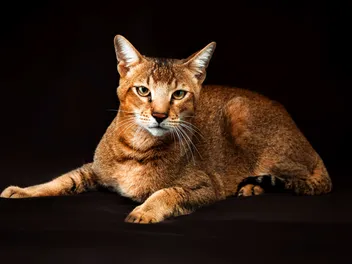
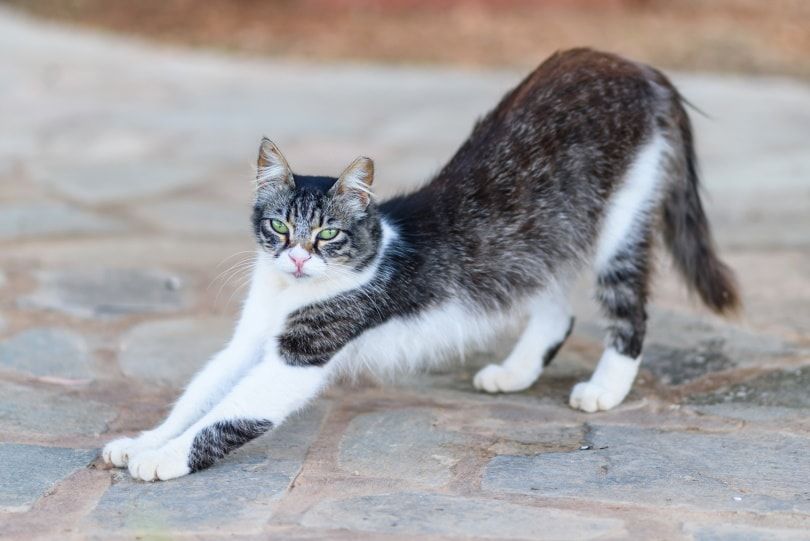
Also called the Aphrodite Giant or Cyprus cat, the Aphrodite cat is a large, friendly feline who has helped humans for hundreds of years. The Aphrodite is a natural breed. Without intervention from humans, the breed evolved from feral cats in Cyprus. Some Cyprus breeders claim that Aphrodite Giants are direct descendants of the island's ancient cats from 9500 B.C., but cat organizations like The International Cat Association (TICA) dispute the claims and insist the cats evolved from feral cats living in the mountains. The TICA recognized the Aphrodite as an official breed in 2017.
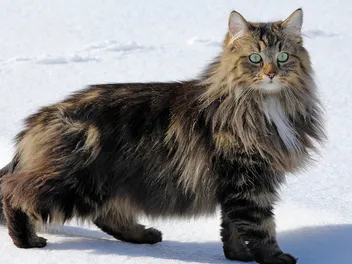
Cyprus cats have long hind legs that help them climb rugged terrain, and their thick coats protect them in colder climates. However, the cats can adapt to virtually any environment if their owners provide fresh water and shelter from the heat. Their immense size may be intimidating to some, but their lovable personalities and loyal nature make them perfect pets for singles and families of any size. Few breeders raise Cyprus cats, but you'll likely find purebred and mixed-breed Aphrodites at shelters and animal rescue organizations.
Aphrodite Cats Characteristics

Temperament & Intelligence of the Aphrodite Cats 🧠
Since their relatives have a history of hunting in the mountains, Aphrodite Cats are energetic creatures that enjoy playing games with their families. Although muscular and active, they have a calm demeanor and love relaxing and curling up in laps. Cyprus cats mature slowly and take up to three years to reach full adulthood compared to other breeds. They're intelligent and incredibly loyal to their owners.
Unlike other cats that seem aloof around humans, Aphrodites have an almost dog-like personality that drives them to engage in family activities and follow their families wherever they go. They're not very vocal but aren't afraid to meow when they need attention or food.

Are These Dogs Good for Families? 👪
If you're looking for a feline who loves kids and gets along with large families, the Aphrodite cat is for you. Early socialization is essential for any cat entering a family home, but Cyprus cats accept new friends quickly and do not take long to warm up to their families. Supervising the cat around young children will prevent the large cat from bumping into an infant, but Cyprus cats are more accepting of tiny humans than other breeds.
Aphrodite cats often establish life-long bonds with children. The cats will always stay by the kids' side, at least when they're awake. Large families can be too noisy and distracting for some animals, but Cyprus cats love interacting with large groups and seldom need to escape to an enclosed space to hide. They're gentle with humans but can become destructive if they're separated from their families for too long. If you frequently travel, the Aphrodite will not make a good pet. Separation anxiety affects many breeds, but it's especially pronounced with Aphrodites.
Does This Breed Get Along With Other Pets? 🐶🐱
Cyprus cats seem to follow the philosophy, "the more, the merrier," and they enjoy socializing with other cats and dogs. They'll warm up to canines faster when they're introduced to them at a young age, but even an adult Aphrodite can learn to love a dog over time.
Since they have highly developed hunting skills and a high prey drive, small animals are not suitable roommates. If you keep hamsters or other rodents in a secure room with the door shut, you could feasibly keep them from the cat, but it's not recommended. You cannot keep an Aphrodite in the same home if you have a snake or other reptile. Reptiles are the cat's favorite prey, and an Aphrodite will become fixated on killing a pet snake or lizard if it detects the reptile's scent.


Things to Know When Owning an Aphrodite:
Food & Diet Requirements 🐡
The Cyprus is an active breed that requires premium-brand cat food with a high protein content. The food should also be low in carbohydrates and include minerals, vitamins, fiber, amino acids, and omega-3 fatty acids. Dry food is more nutrient-dense than wet food, but it lacks moisture. A Cyprus cat can depend on snakes and rodents to keep them hydrated in the wild.
Since you're unlikely to send your cat hunting, you can add wet food to high-quality dry food for added moisture. Dry brands usually contain less than 12% or 14% moisture, but wet meals range from 70% to 80%. If you have a Cyprus who prefers eating kibble, you can purchase a cat fountain to encourage more water drinking. Some cats like drinking from running water, and a fountain is an excellent device for a picky cat.
You may have noticed that several online companies offer fresh or raw food deliveries. Although premium fresh or raw meals are more expensive than commercial food, they allow you more control over the calorie, protein, fat, and carbohydrate content of the food. You can customize a profile for your cat, and a technician will determine the appropriate meal based on the cat's age, weight, and health. Before using a fresh or raw food company, talk to a veterinarian to ensure the diet is right for your pet.
Exercise 🐈
Cyprus cats have longer hind legs than their front legs, and they love to leap and climb. A cramped apartment is not an appropriate habitat for the active furball. They need plenty of space to play and burn off energy. Since they're more intelligent than many breeds, they require significant mental stimulation. A single toy mouse or string with a feather will not be enough to entertain them. Laser toys, puzzle toys, and an enormous cat tree are perfect for Cyprus cats.
Climbing is in their nature, and a durable cat tree is essential for every Cyprus owner. You can find trees online that range in price from $40 to $800, but the product's durability is the biggest concern. Aphrodite cats are heavy and strong, and a poorly made tower that's easily tipped can injure the mighty cat. Most trees include a stabilizing strap that attaches to the wall, but we suggest using an additional strap to ensure a hefty feline is free to jump and climb.

Training 🧶
Cyprus cats learn fast, and you should not have any issues with litter box training. Although they're small tikes as kittens, you'll need to purchase a large litter box that can accommodate an adult weighing 24 pounds. Allowing your cat to wander outside alone for exercise can be hazardous, but with enough patience, you can leash train an Aphrodite to join you on walks. Some cats respond better to harnesses than standard collars, but it all depends on the cat's preference.
Grooming ✂️
Cyprus can have short or long hair, but both coats require daily brushing. You can get by brushing a short-haired Aphrodite every other day, but you can reduce hairballs and clumps of hair around your home with frequent grooming. Although active, Aphrodite cats need their nails clipped at least once or twice a month.
Keeping the animal's teeth clean is also essential, and you can get tips from your veterinarian on teeth-brushing techniques. Only use a paste or cleaner designed for cats, and try rewarding your cat with a treat for enduring the process. Serving a treat may seem counterproductive after brushing, but you can use dental cat treats that will not disrupt the cat's shining fangs.

Health and Conditions 🏥
As a natural breed, the Cyprus breed developed from a large pool of feral cats and has few medical issues.
Male vs Female 🏥
Males typically weigh 15 to 24 pounds, and females weigh 10 to 14 pounds. Males and females share the same lovable personality, and either sex would make an excellent addition to your family. Unfixed Cyprus cats are more likely to spray indoors or become anxious when the opposite sex is around, but spaying or neutering your pet will curb the bad habits.
3 Little-Known Facts About the Aphrodite Cats
1. Malcolm's Cats is a sanctuary in Cyprus that cares for feral cats.
As of August 2023, Cyprus has over 1 million cats living on the island. Aphrodite cats may have originated in the mountains of Cyprus, but now, Aphrodites and other feral species populate the entire island, and many can be seen strolling around searching for food in city streets. Malcolm's Cats Sanctuary houses 200 feral cats and sends about 100 cats to new homes every year.
2. The monastery Saint Nicolas of the Cats, founded in the 4th century, used Aphrodite cats as pest control.
The monastery had two bells. One directed the Aphrodite cats to come in for meals, and the other signaled parishioners to gather for prayer. Currently, a group of nuns runs the monastery. Before the women inhabited Saint Nicolas, the Aphrodite population was dwindling. The nuns helped restore their numbers, and the population was no longer vulnerable.
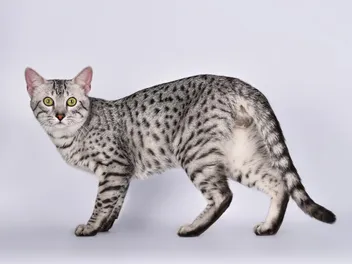
3. According to a Byzantine myth, Aphrodite cats were sent from Egypt to Cyprus in A.D. 328 by Helena of Constantinople to eradicate the venomous snakes ravaging the island.
Aphrodite cats are talented snake hunters, and their large size allows them to hunt larger prey. However, the story of Helena of Constantinople's order to send cats to Cyprus is only a legend.

Final Thoughts
Hailing from the mountains of Cyprus, the Aphrodite cat is a high-energy feline who enjoys leaping high and playing games but is also fond of cuddling with humans. Families with small children will love owning an Aphrodite because they're patient and empathetic around the little ones. They're big cats that require plenty of attention, but they reward their families with lifelong love and companionship.
Featured Image Credit: FrimuFilms, Shutterstock
Expert cat care, straight to your inbox
News, insights, and useful advice, delivered to you.

No spam — unsubscribe anytime.
By signing up, you agree to our Terms & Conditions and Privacy & Cookies Policy.
How useful was this post?
Click a star to rate. You can leave written feedback afterwards. (We read all feedback.)

Christian started writing for a local newspaper as a teenager, and he's been involved in the publishing industry for most of his adult life. Combining his love of writing with a passion for animals, he is currently the Director of Editorial at Pangolia and the Editor-in-Chief at Catster.
Christian lives in the Philippines with his wife, son, and four rescue cats: Trixie, Chloe, Sparky, and Chopper.