Reverse Sneezing in Cats: Our Vet Explains Signs, Causes & Treatment

In this article
When you spend your life surrounded by cats, it’s inevitable that you will become familiar with a wide assortment of sounds and actions, with some that are normal and some that are not so normal. Reverse sneezing isn’t something commonly seen in cats, and fortunately, it is rarely associated with anything too worrying. However, it’s important to know how to distinguish reverse sneezing from some other respiratory quirks and when to be concerned.
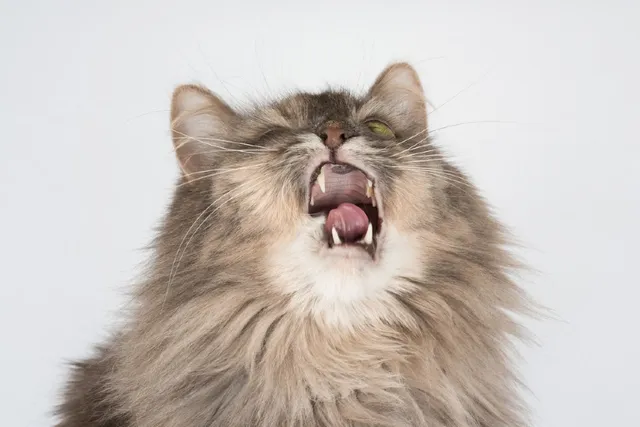
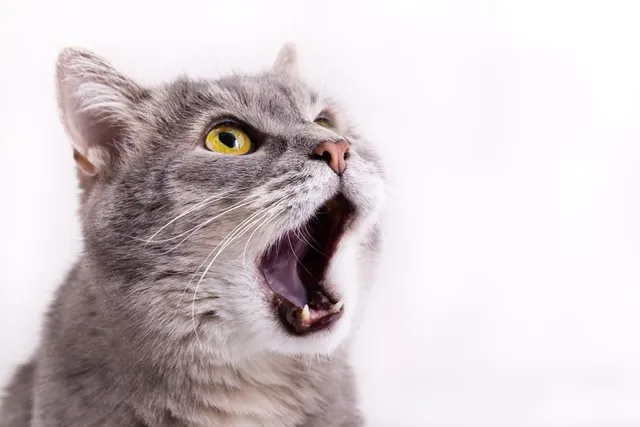
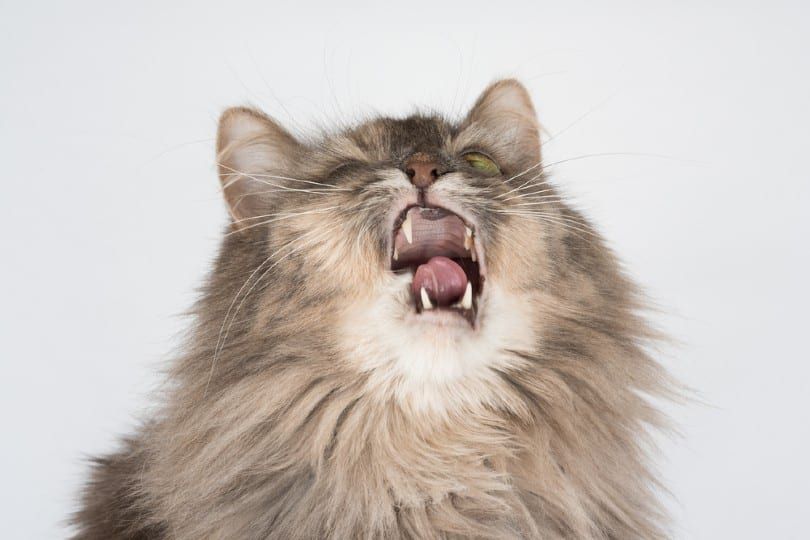
If you have seen your cat stretching their neck and loudly snorting air in through their mouth and nose, you are likely seeing a reverse sneeze. Let’s take a look at what reverse sneezing is, what causes it, and what else it might be.

What Is Reverse Sneezing in Cats?
To understand reverse sneezing, it helps to picture what happens when we sneeze. It usually starts out with irritation in the nose, which causes us to take a deep breath in and forcefully expel the air using our diaphragm. Also known as paroxysmal respiration, a reverse sneeze is essentially exactly what it sounds like. It usually starts with irritation of the nasopharynx (the area where the sinuses enter the throat), which causes a spasm reflex in the diaphragm, causing air to be forcefully drawn in through the mouth and nose.
Sneezing and reverse sneezing are both reflexes designed to push irritants out of the nose or pull them away from the nasopharynx. In cats, this is often mistaken for vomiting, as the movement of the diaphragm looks like abdominal heaving.
In most cases, cats do not appear overly distressed when they reverse sneeze and recover quickly, which is one factor that can help us differentiate it from other conditions.

What Causes Reverse Sneezing in Cats?
Reverse sneezing occurs more commonly in dogs, and overwhelmingly so in brachycephalic breeds, like Pugs or French Bulldogs. Because of the compression of their internal facial structures, their soft palate regularly becomes trapped and triggers this reflex. Other causes in dogs include pulling on a leash and compressing the airway, eating, or drinking too quickly, and excitement.
In cats, however, the more common triggers for reverse sneezing are:
Most physical irritants will be shifted by the act of reverse sneezing. However, one common presentation in cats is grass that has become trapped behind the soft palate. This can often be dealt with by flushing the sinuses but often requires removal under a general anesthetic.
If infection is the cause, we would expect to see additional signs, such as nasal discharge, watery or sticky eyes, inappetence, and lethargy.
If the reverse sneezing is due to a growth, such as a tumor or nasopharyngeal polyp, it will often be accompanied by snoring and increased respiratory sounds, and we would expect the signs to progressively get worse.
What Else Could It Be?
This differs from reverse sneezing in that, most of the time, cats reverse sneeze in a standing or seated position, and the sneezes are quite short, sharp, and close together.
Is There a Treatment for Reverse Sneezing in Cats?
In the vast majority of cases, no treatment is needed. Once the stimulus for the sneezing episode has subsided or resolved, the sneezing will also settle. Most episodes last less than a minute, gone as swiftly as they came.
If the reverse sneezing lasts longer than this, you can try using a gentle coupage method. Place one palm flat against one side of the chest. With the other hand, make a cup shape, and gently pat the other side of the chest. This helps force air up through the nasopharynx and open up the airways.
If the problem persists or if your cat is having regular episodes of reverse sneezing, you should make an appointment with your vet.
Can I Prevent Reverse Sneezing?
The best thing you can do to help reduce your cat’s risk of inhaled irritants is to minimize dust and debris in the air, and regular vacuuming is the number one best way to combat this. Make sure your vacuum cleaner uses a HEPA filter. Other things you can do is to use a low-dust cat litter, and, if your cat goes outside, keep them in on windy days or when pollen counts are high.
Making sure your cat sees a vet at least once a year for their annual checkup is one of the best things you can do for your cat. This is when minor changes and subtle signs can be detected, long before your cat lets you know there’s a problem. Issues with the heart or lungs, changes or lumps in the abdomen, inflammation of the ears or throat, and dental disease are all problems that can be picked up on a veterinary exam, which you may not otherwise be aware of.
Final Thoughts
Reverse sneezing in cats is a relatively uncommon event and not usually cause for concern. However, if it becomes a regular occurrence for your cat, or they exhibit any other concerning signs, a visit to the vet is certainly in order. In most cases, the reverse sneeze will stop as quickly as it started, but some cats may appreciate a pat on the chest to help clear the problem.
If you’re not sure if your cat is reverse sneezing, it is always a good idea to make an appointment for a checkup. It is far better to get professional confirmation that everything’s okay than to miss an opportunity to tackle a respiratory problem in the early stages.
Sources
Featured Image Credit: ZlataMarka, Shutterstock
Expert cat care, straight to your inbox
News, insights, and useful advice, delivered to you.

No spam — unsubscribe anytime.
By signing up, you agree to our Terms & Conditions and Privacy & Cookies Policy.
How useful was this post?
Click a star to rate. You can leave written feedback afterwards. (We read all feedback.)
Dr. Karyn Kanowski BVSc MRCVS (Veterinarian)
Dr. Karyn comes from Queensland, Australia, and has lived in the UK for the past 10 years. In 2010, she graduated from The University of Queensland School of Veterinary Science and also has a Bachelor’s degree in Zoology. She is passionate about using evidence, experience, and owner collaboration to provide the best solutions for pets, and believes in making reliable information about animal health accessible to all. Dr. Karyn shares her home with five cats, four dogs, and one husband. When she is not in the scrubs, she spends her time writing, gardening, and cleaning up pet hair!