Parvo in Cats: Causes, Care & Treatment (Vet Answer)

Parvovirus in cats, also known as feline infectious enteritis and feline panleukopenia, and is caused by a virus of the same name. Parvovirus can live for extended periods in the environment (months or longer) and can travel on objects such as shoes, and clothing, while remaining infectious. Initial infections tend to target rapidly dividing cells and enters when viral particles are ingested. Therefore, early clinical signs tend to be GI-related, including vomiting, diarrhea, and blood in the stool.
As the virus progresses, it becomes widespread in the body and can impact the ability of the bone marrow to produce cells, leading to secondary infections in a condition known as sepsis. Mortality is generally very high in cats stricken with this disease. It is also very transmissible to other cats that are in contact with infected individuals. Parvovirus most commonly impacts cats that haven’t had their full vaccine series—which is often kittens less than 6 months of age—though adult or senior cats with a poor vaccination history can also be at risk.
Prevention is primarily through vaccination, and treatment tends to be supportive. Unfortunately, many cats that get the illness will succumb to the disease, in spite of care. In many countries, due to core vaccination campaigns, feline parvovirus has become far less common. However, it is still seen and is always a cause of concern when encountered. Patients that survive the disease are believed to maintain good immunity against future infections. Read on to find out ways that parvovirus in cats can be addressed!

What Causes Parvovirus in Cats?
Caused by feline parvovirus, parvo in cats generally occurs 7-14 days after initial exposure. It typically begins in the gastrointestinal tract, as the virus targets rapidly dividing cells. This causes death and loss of the cells that line the stomach and intestines, which leads to diarrhea, vomiting, and blood in the stools.
The virus then also travels throughout the body, and can infect the bone marrow, impacting the ability of the body to produce red and white cells, hence the name “panleukopenia,” a term that means all cell levels are low. As the virus has also left the intestinal lining damaged, bacteria from the GI tract can now enter the body and cause systemic bacterial infections in a process called sepsis, which can lead to widespread organ failure. This infection is then exacerbated by the low white cell count, and the prognosis is guarded when this occurs.
Cats can be exposed to parvo, either from other cats or from fomites (inanimate objects, like shoes or clothes) that can carry the virus from one place to another. Since the virus can be found in saliva, vomit, and stool of infected cats, it can spread easily and quickly.
Another form of parvovirus in cats occurs when pregnant cats are infected. Depending on when in their pregnancy this occurs, they can either have fetal death of the litter or kittens that are known as “wobble cats” or “bobble cats.” In these kittens, the virus permanently destroys the part of their brain that helps with coordination and balance. Although they can go on to live normal lives (often becoming some of the sweetest cats you will ever meet), they tend to be uncoordinated, with more challenges running, jumping, and playing than other cats.

What Are the Signs?
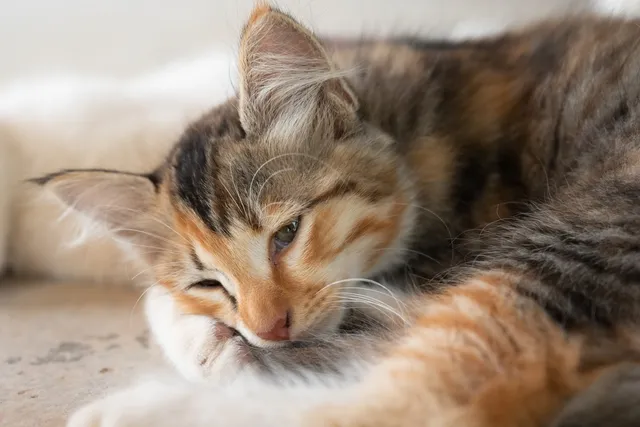
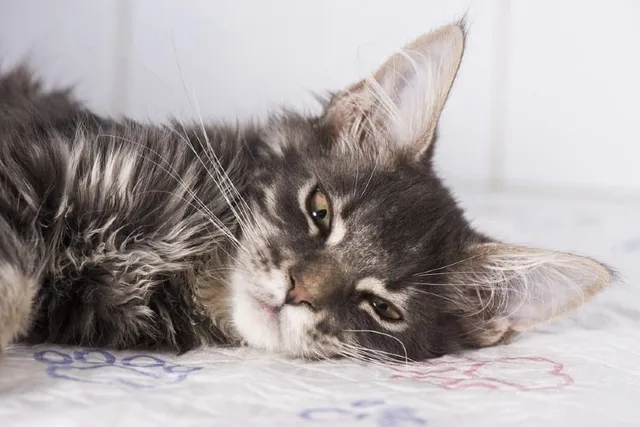
Signs of parvovirus tend to start in the GI tract, as that is where the initial infection occurs. As the immune response becomes weaker and a cat becomes sicker, the virus spreads with signs typically becoming more widespread.
Signs can include:
- Fever
- Lethargy
- Inappetence
- Vomiting
- Diarrhea, with or without blood
- Foul odor to stool
- Gassiness or flatulence
- Hiding or other behavioral changes
- Weight loss
- Straining to defecate
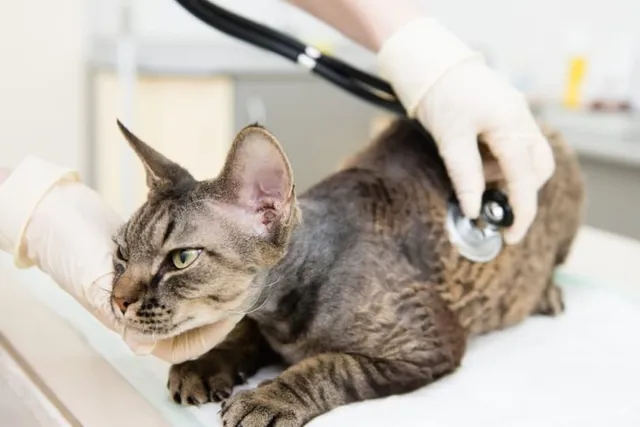
Because parvovirus can be deadly, and because it tends to spread quickly, if any of the above signs are seen and you are concerned, it is best to get your cat to a vet as quickly as possible. It is also helpful to let them know that you are bringing them in for possible feline parvovirus, as they may want to take additional precautions when your cat visits the clinic. This might include avoiding common areas of the clinic, such as the waiting room, or using a special exam room used for infectious diseases.
How to Care for a Cat With Parvovirus
If the virus is suspected, get your cat to a veterinarian and follow their instructions. Feline parvovirus is not a disease to be taken lightly, and it is one of the most difficult illnesses that cats experience to manage at home. In fact, in many cases, it is simply not possible to care for a cat with parvovirus in the home environment.

What Are the Treatment Options?
Treatment options for feline parvovirus are generally supportive. This means that anti-viral medications that slow or stop the spread of the virus don’t exist, so the clinical signs that a patient displays are treated to keep them as healthy and comfortable as possible. At the same time, the goal of treatment is often to prevent the occurrence of secondary infections.
Because treatment of feline parvovirus is often very intensive, many cats will need to be hospitalized for their care, often for multiple days. This can mean that an intravenous catheter is placed to allow fluids and other medications to be easily administered. Nutrition can also be given via this catheter. Treatments can also include:
- Antibiotics
- Electrolytes
- Pain medications
- Anti-nausea medications
- Anti-diarrheal medications
- Probiotics
To monitor treatment, frequent checks of blood samples will often be performed. This can include looking at red and white cell counts, cultures of blood, and checking kidney and liver values, depending on how a patient is doing.
Frequently Asked Questions
What Should I Do if I Suspect My Cat Might Have Parvovirus?
If you suspect your cat might have parvovirus, contact your vet as soon as possible. Bring a stool sample to the visit, too, if your cat is experiencing diarrhea, especially if it is bloody or dark. Testing of this sample can be critical to provide a diagnosis.
Is Feline Parvovirus Contagious?
Yes, it is highly contagious. Contact your vet for recommendations if you think your cat has parvovirus or has been exposed. Depending on your household, your vet may recommend you isolate the cat in question for a certain period of time.
What Can Look Similar to Parvovirus in Cats?
Anything that can cause gastrointestinal upset can look similar to feline parvo. This can include viral or bacterial infections that impact the GI tract, parasites (such as roundworms, tapeworms, or protozoan infections from giardia), and many other conditions. Remember, most cats with parvo will be unvaccinated (though not always) and often extremely unwell.
Prevention
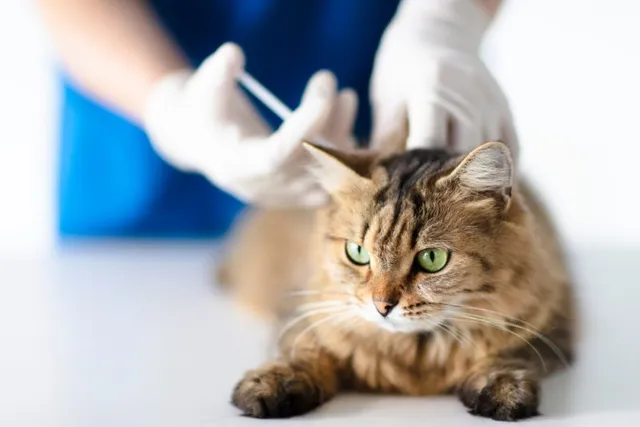
Prevention of parvovirus is done through a series of vaccines that provide your cat with immunity to the virus through antibodies. Generally, most cats receive at least one initial vaccine, and then a booster. Younger kittens may require additional boosters, depending on their age. These vaccines are then updated on a regular schedule that will be determined by your veterinarian.
Conclusion
Parvovirus in cats is a disease that is becoming less common, in large part, due to routine vaccination against the disease that is highly effective. However, it can still cause severe illness in unvaccinated cats and often death. Thankfully, most people will never see parvovirus in a cat. Treatment is supportive but very difficult, and oftentimes, it is not successful. If you do think your cat may have been exposed, even if they do not show signs of the disease, speak to your vet as soon as possible to determine the best next steps.
Related Reads:
Sources
Featured Image Credit: Natata, Shutterstock
Expert cat care, straight to your inbox
News, insights, and useful advice, delivered to you.

No spam — unsubscribe anytime.
By signing up, you agree to our Terms & Conditions and Privacy & Cookies Policy.
How useful was this post?
Click a star to rate. You can leave written feedback afterwards. (We read all feedback.)
Dr. Lauren Demos DVM (Veterinarian)
As a veterinarian, Lauren is eager to share her experience in emergency medicine and cats, with our readers. She loves sharing helpful, real life tips for having cats as part of your life, and what to do in critical situations with your pets.
Lauren is a vet with over a ten years of experience in cats and dogs, along with infectious diseases. She enjoys teaching, and lectures for students, pet owners, and clinicians, on various topics.
Lauren received her degrees from Murdoch University, in Perth.