Is Frankincense Safe for Cats? Our Vet Explains Health Concerns & FAQ

In this article
Frankincense is most widely known for being gifted by one of the three wise men in the nativity story. It may not be common knowledge, but it is widely used as an essential oil. Essential oils are extracts from plants and trees known for aromatic uses and their medicinal properties.
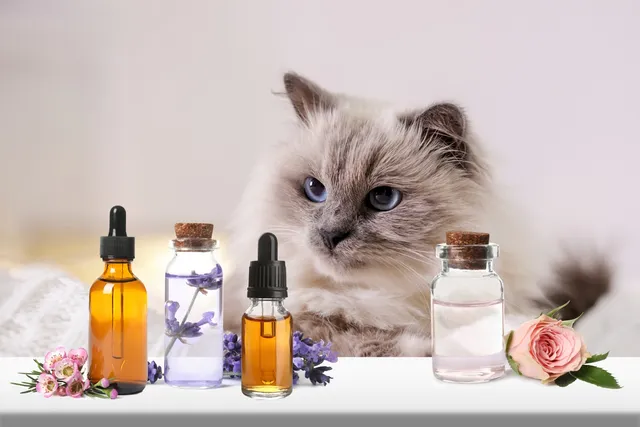
Many essential oils are unsafe for use around cats, and some are known to be toxic. It is always advised to keep essential oils, including frankincense, well out of the reach of cats in your home. Of all the essential oils, though, frankincense is thought to be one of the safer ones that may even have health benefits for cats. However, it is still advised to use with caution and only use after consulting a vet.

What Is Frankincense?
Frankincense is a hard, malleable resin material that comes from the trunk of the Boswellia tree. The resin is extracted and can be used in various ways. It can be burnt as incense, put in herbal formulas, and utilized as an essential oil.
It is frequently used as a fragrance in lotions and soaps, and the oil from frankincense is often applied in aromatherapy practices and on the skin. The oil is thought to have medicinal properties by killing certain species of bacteria and fungi. Frankincense has many documented uses including combating aging skin and aiding the healing of wounds, although there is little scientific evidence to back these claims up.
What Are the Suggested Uses of Frankincense in Cats?
Although there is no scientific research currently to prove any of the benefits of frankincense in cats, there are lots of anecdotal reports that there are benefits. These can include:
1. Calming effects and anxiety/stress relief
Frankincense is renowned for its calming effects. It is believed to help cats cope with fear, anxiety, and stress. It is thought to be most effective when used in a diffuser in a well-ventilated room or allowing your cat to sniff the oil in diluted form on a piece of fabric or another soft object.

2. Supporting the immune system
It is believed that inhaling frankincense can potentially help your cat's immune system. More research is required to understand exactly how this happens.
3. Management of pain
It has been suggested that frankincense can offer some sort of pain relief for cats. It is thought to be helpful in conditions such as arthritis. It is very important to note that the use of frankincense should never replace veterinary-prescribed medication for cats suffering from arthritis or any other painful conditions.
4. Promoting good skin health
Applying a diluted solution of frankincense topically has been thought to be helpful in calming irritated skin.

5. General well-being
There are some anecdotal reports that the use of frankincense helps cats’ overall well-being. Some owners have said that cats are more relaxed and seem more settled and comfortable.
It must be stressed that if you are going to use essential oils around your cat, it must only be done after discussing the use with your vet. It is very important that if you do use them, you observe your cat for the duration of the use and for a substantial period afterward too. If you notice anything worrying or any adverse effects, stop using it and consult a vet immediately.
How is Frankincense Used in Cats?
There are several ways cats can be exposed to frankincense.
The 4 Reasons Why Frankincense Can Be Dangerous
1. Lack of research
It is important to note with these reported health benefits mentioned above, that there are no studies to back up the claims. It should be noted instructions such as “use diluted frankincense” are extremely vague and non-specific. One owner's idea of a diluted solution may be very difficult to another's.
There are some recommended ratios reported such as using 1 drop of essential oil to 100 drops of a carrier oil. Again, there has not been enough research to confidently confirm these are safe to use in cats. A lot of these recommendations are based on usage in humans. Undiluted or insufficiently diluted frankincense oil can irritate your cat's skin and even burn it causing areas of ulceration susceptible to infections.
2. Potential interactions with medications
It is very important that owners have a frank discussion with their vet before using any essential oils around their cat. This is especially vital if the cat has any existing health conditions or if they are currently on any medication. For example, if the cat is already on topical treatment for skin issues, applying essential oils may interfere with the action of the topical medication.

3. Liver issues
Cats have sensitive livers, and they can become overwhelmed with some of the chemicals in essential oils. Essential oils can pose a toxic risk to cats. They are rapidly absorbed both across the skin and via the oral route and are then metabolized in the liver. Cats lack a specific enzyme in their liver, so they struggle to metabolize and get rid of certain toxins, this includes some of the compounds in essential oils.
Essential oils also contain phenols and phenolic compounds. Cats are very sensitive to phenols and struggle to metabolize them and get rid of them from their body. The more concentrated the essential oil is, the greater the risk to the cat. It is very easy for a cat's liver to become overwhelmed when exposed to essential oils.
4. Digestive upset
Essential oils should never be put in a cat's food or given in any other way orally. It can cause vomiting, diarrhea, tremors, and death. This is another good reason why essential oils should not be applied topically as cats groom themselves frequently and can easily lick oil off their coat and swallow it. Even diluted oils can be harmful when ingested.
If you want more information on frankincense and cats, contact your vet.
Clinical Signs of Essential Oil Toxicity in Cats
If you are concerned that your cat may be having an adverse reaction, it is vital that you seek veterinary attention immediately. Some essential oils are more toxic than others.
Signs of toxicity include:
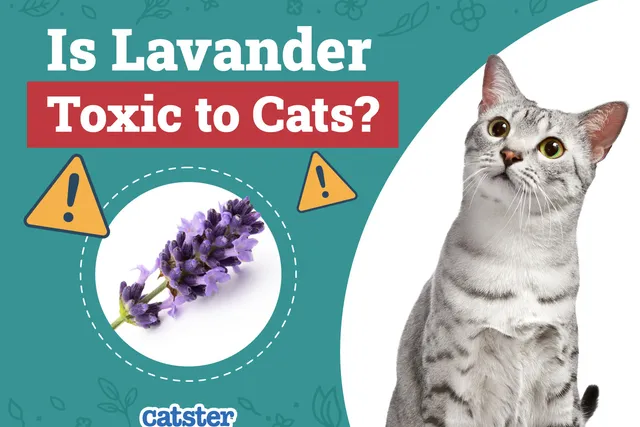
In general, it is oils such as citrus oil, lavender oil, tea tree oil, and eucalyptus oil that can be particularly dangerous for cats, frankincense is not as much of a threat. Signs of toxicity displayed do depend on the amount of exposure. Very small amounts of a highly toxic oil can cause adverse effects in cats. The route of exposure is important too, some are ingested, and some are inhaled.
If you suspect your cat has been exposed to essential oils of any kind, it is important that you seek veterinary attention straight away. Bring any bottles or boxes with labels to the vet so that they have access to as much information as possible. Do not try to make your cat vomit or treat your cat at home in any way. Early diagnosis and prompt veterinary intervention are essential for reducing the severity of any potential toxicity.

What Are the Alternatives to Using Frankincense?
There are some cat-friendly alternatives to using frankincense that owners can consider.
Feliway diffusers
These are plug-in devices that release synthetic pheromones that imitate the nursing mother cat’s scent. This relaxes and calms cats. Not all cats respond to the scent, but it works very well with some individuals.
Catnip toys
Catnip (Nepeta Cataria) is an herb renowned for its euphoric effect on cats. Exposure to catnip is thought to enhance cats' moods as it targets “happy” receptors in their brain. They can become hyperactive or very docile and drowsy.
Spending quality time with your cat
Giving your cat focused attention, playing with them, and having positive interactions can help build a healthy bond between you and your cat. It can also reduce stress and anxiety.

Exercise and mental stimulation
Ensuring your cat has a good amount of exercise each day can improve their quality of life. There are both physical and mental benefits to this. Providing your cat with toys and enrichment activities can provide vital mental stimulation and keep them occupied.
Making sure your cat has regular exercise and adequate mental stimulation can help to reduce any anxiety or stress they may be experiencing.
Precautions When Using Frankincense
Speak to a vet about any health issues or concerns before turning to essential oils. There may be something a vet can help you with.
Always dilute the oil properly. A ratio of 1 part essential oil to 100 parts carrier oil has been suggested. Do not use anything more concentrated than this. Do not ever apply to skin undiluted as this can cause irritation and burning of the skin. Watch your cat after using it for the first time and monitor for any adverse effects.
Conclusion
The use of essential oils should generally be avoided in cats due to potential toxicity. Of all the essential oils, however, frankincense is considered to be one of the safer options. Owners must bear in mind that extreme caution should be taken. The use of any essential oils should only ever be undertaken after consulting a vet. Responsible use is vital for your cat's safety and well-being.
While the use of frankincense seems to be promising for certain things in cats, there is no current research confirming these claims.
Featured Image Credit: Madeleine Steinbach, Shutterstock
Expert cat care, straight to your inbox
News, insights, and useful advice, delivered to you.

No spam — unsubscribe anytime.
By signing up, you agree to our Terms & Conditions and Privacy & Cookies Policy.
How useful was this post?
Click a star to rate. You can leave written feedback afterwards. (We read all feedback.)
Dr. Emma Chandley, BVM MRCVS (Veterinarian)
Dr. Emma is an experienced vet who is happy to share her expertise and knowledge about cats with readers. Her passion is surgery but she will happily talk about anything animal-related. Dr. Chandley graduated from The Royal Vet College and since then she has worked in general practice in Great Britain. Dr Chandley has completed a postgraduate certificate in Small Animal Surgery and has also gained Advanced Practitioner status in the same discipline. She enjoys developing her skills in animal behavior, nutrition, and clinical pathology as well.