Is It Normal For Well-Adjusted Cats To Get Into Fights? Vet-Verified Reasons & Solutions

In this article
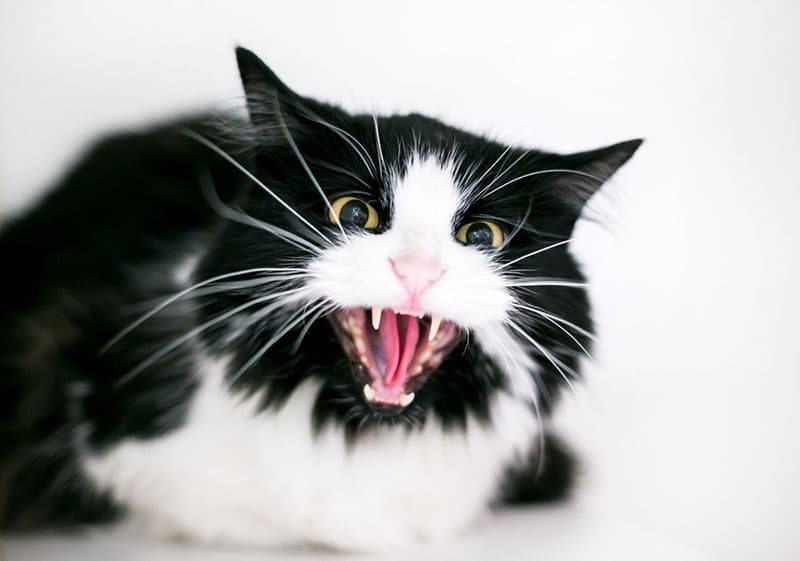
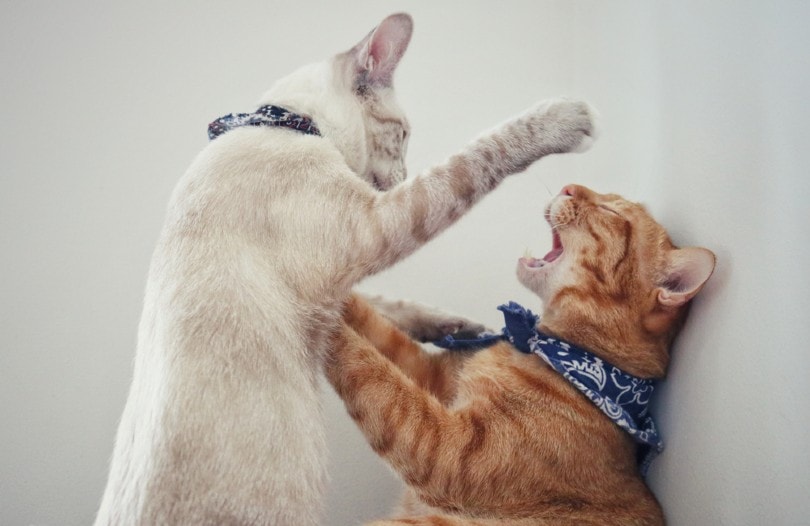
Cat fights can be a serious issue in multi-pet households, both for the pets involved and the humans who love them. Not only can cats sustain injuries during these unpredictable events, but they can also create stressful environments that aren't great for anyone's mental health or overall well-being.
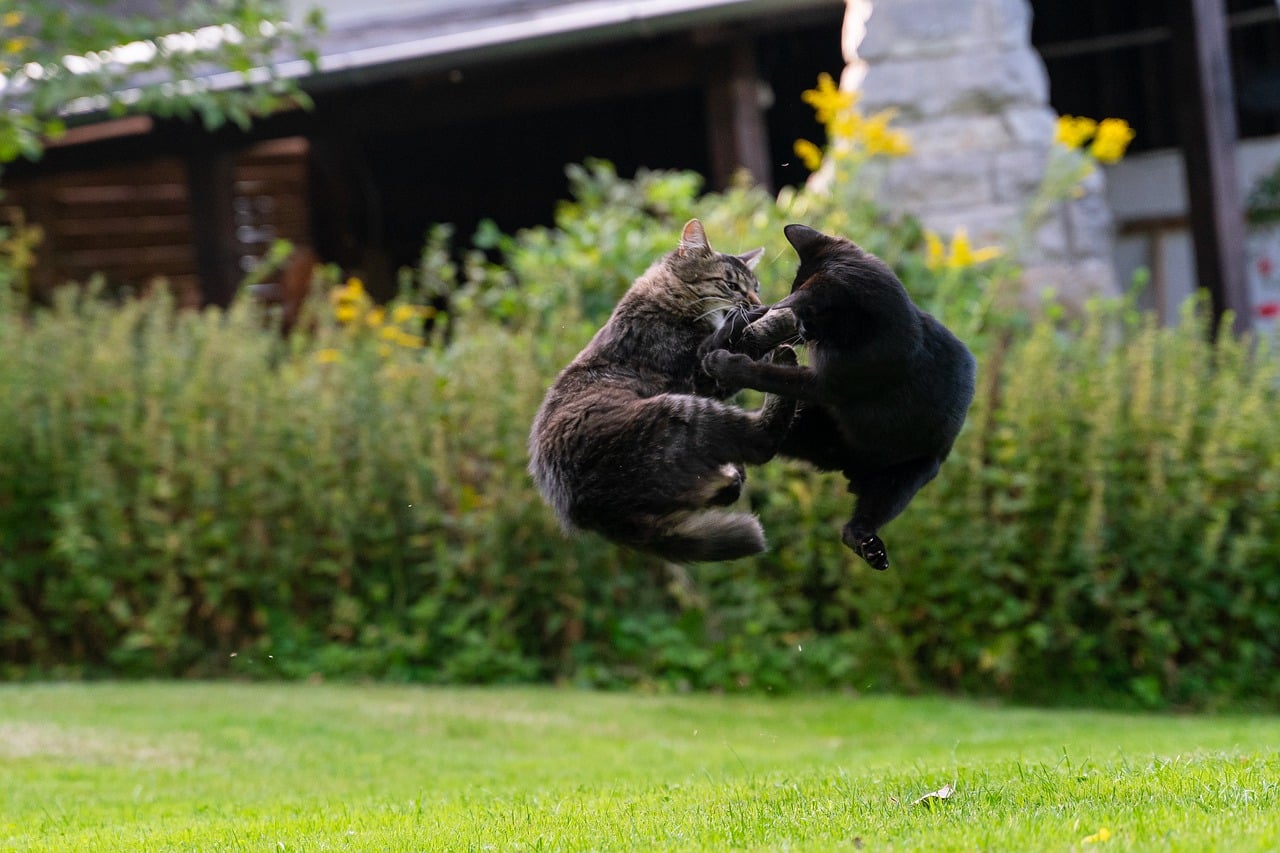
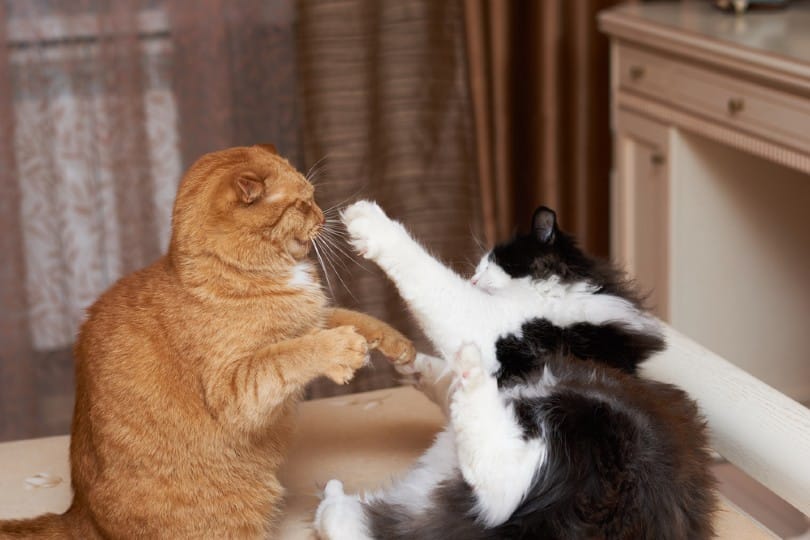
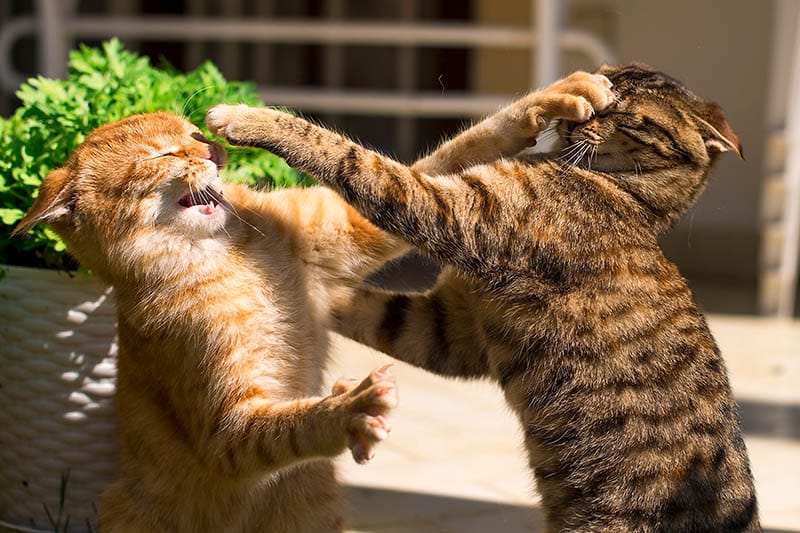
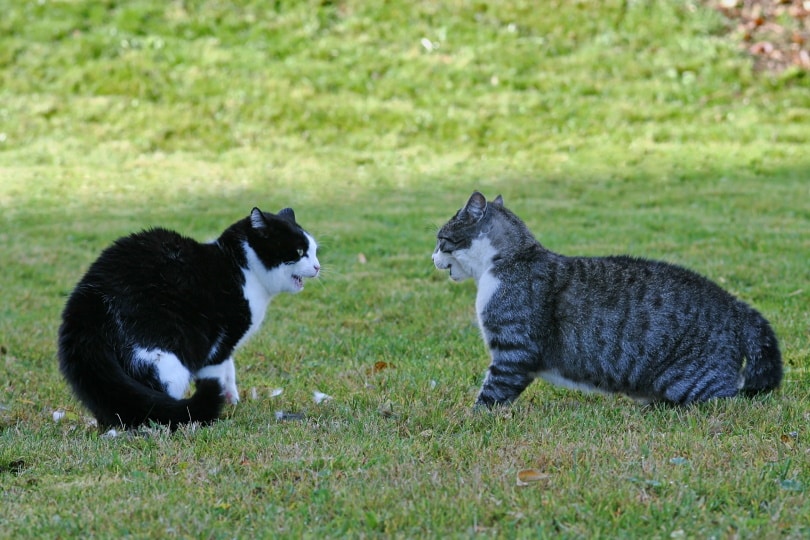
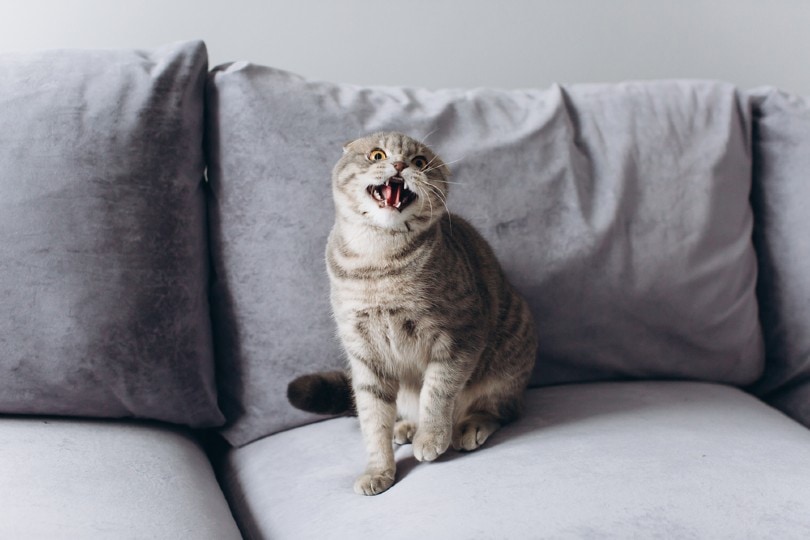
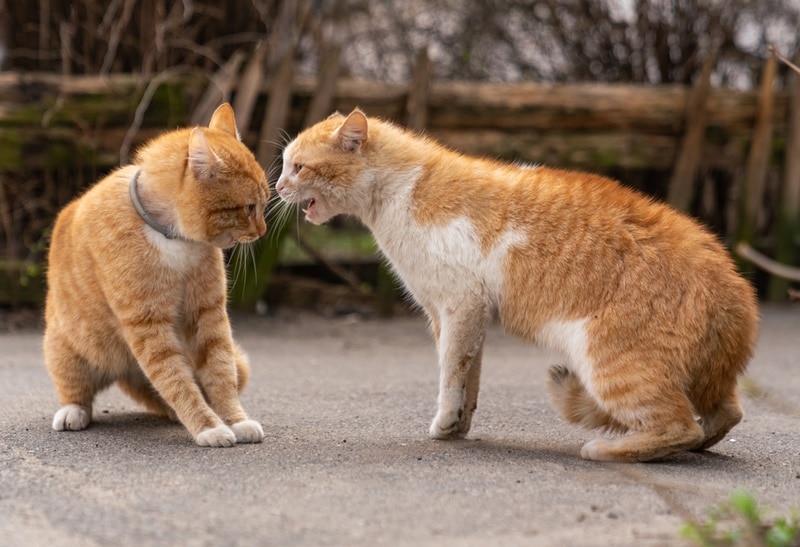
Cats—even well-adjusted ones—fight for various reasons, including when things get out of hand during playtime, when their territorial instincts kick in, or when there's resource competition or hoarding going on. Below, we'll shed some light on a few common reasons well-adjusted cats fight and provide tips on how to minimize the behavior.

The 4 Possible Reasons Why Sometimes Well-Adjusted Cats Get Into Fights
1. Play Aggression
Well-adjusted cats sometimes get carried away when they're having a good time playing, which can lead some to cross the line into unwelcome behavior when pouncing, chasing, and generally enjoying themselves. It's often seen in kittens who are just learning to control their enthusiasm and how to play well with others, but it also pops up in cats who've mostly lived alone and get new feline companions they are still learning how to play with.
Providing your cats with alternate ways to release excess energy that doesn't involve chasing each other can sometimes redirect intense play toward more appropriate outlets, such as plush toys and teasers. Playing with cats more one-on-one can also help them meet their activity needs in ways that leave everyone feeling calm, safe, and happy.

2. Fear and Territorial Aggression
Territorial aggression arises when cats become unhappy about new pets introduced to the home. For example, let’s say you get another cat (fostering or adopting). This can throw the other cats a bit out of balance. Cats who have lived harmoniously in the past may start being territorial toward each other, as their social hierarchy has changed. Typical areas of conflict include access to litter boxes, toys, attention, and prime hangout spots. Fearful cats can lash out when being bullied, and dominant ones become aggressive when making it clear that the other pet isn't welcome.
Giving cats space where they can retreat and feel safe can drastically reduce their stress and allow those who don't get along to leave each other in peace. Providing sufficient resources, including toys, litter boxes, and food and water bowls, can go a long way toward keeping cats from becoming territorial and becoming involved in conflicts due to resource competition.
If the behavior is in response to the recent introduction of a new cat, separating the pets and slowly reintroducing them often improves the situation. Territorial aggression can also apply to cats that have outdoor access when new cats enter their outdoor territory.
3. Hormonal Aggression
If you got kittens and raised them together, you may notice that once they start maturing, they could start fighting with each other.
Intact male cats may be more inclined to get into altercations than neutered pets. They’re also famous for spraying indoors and out; it's part of how they mark their territory. Neutered pets are far less inclined to spray and get into fights, asthe surgery effectively removes sex-hormone-driven behaviors.
The procedure also helps control the domestic cat population by preventing pets from reproducing. It virtually eliminates the risk of cats developing conditions such as testicular cancer. The surgery is generally well tolerated.

4. Maternal Aggression
Mother cats sometimes react assertively toward other cats they get along well with and even people when they feel the need to protect their babies. Cats generally spend the time right after giving birth in warm, quiet places where their kittens can rest, nurse, and spend their first few days in safety and peace, away from the attention of people and other pets.
Queens may even move the kittens when they think they’re getting too much attention, and they can become aggressive if they feel as if another cat is getting too close. Putting kittens' nests in places off-limits to other pets is an easy way to keep mother cats content. The behavior generally goes away on its own once the kittens are older.

What Should I Do If My Cats Start Fighting?
Cats should never be allowed to fight things out; it can get dangerous and is unlikely to resolve the situation. Cats getting ready to shift into high gear during playtime can be encouraged to move their attention away from people and other pets by tempting them with teasers or throwing them toys to chase.
A short, loud noise is often all that’s needed to encourage a pause in the action in other situations. The point isn't to scare the combatants but to distract them and break the aggressive momentum.
Punishing cats or yelling at them is counterproductive, and it causes them to become even more scared, which can intensify unwanted behavior. Don't try to physically separate the cats with your hands to avoid getting accidentally injured.

Are There Breeds That Tend to Be Mellower Than Others?
Yes. Ragdoll, Maine Coon, and Sphynx cats are generally seriously laid back and may not get into as many altercations. Siamese and Abyssinian cats have reputations for being a bit feisty from time to time. Domestic Shorthair cats are temperamentally often somewhere in between.
Conclusion
Cat fights can be incredibly scary for everyone involved. It can also seem really out of the ordinary when it happens between cats who are well-adjusted. But cats get into altercations for various reasons, and dealing with whatever motivates the behavior can help correct it.
Cats should never be allowed to fight since it’s dangerous and unlikely to end well. Redirecting their attention is the best way to get fighting cats to stop; short, sharp noises often do the trick.
Sources
Featured Image Credit: RJ22, Shutterstock

Expert cat care, straight to your inbox
Vet-reviewed advice, behavior tips, and the best of Catster. Free, and you can unsubscribe anytime.
By signing up, you agree to our Terms & Conditions and Privacy & Cookies Policy.
Lorre Luther is a writer who is firmly convinced that cats are smarter than humans. She left her law career in the United States and moved to the Netherlands to follow her dream of becoming a writer. Lorre currently lives in Rotterdam, she enjoys traveling and greatly appreciates the beauty of nature. Lorre has a spot for animals and admires the intelligence of cats.
Join the conversation
Ask a question, share your story, or send private feedback.