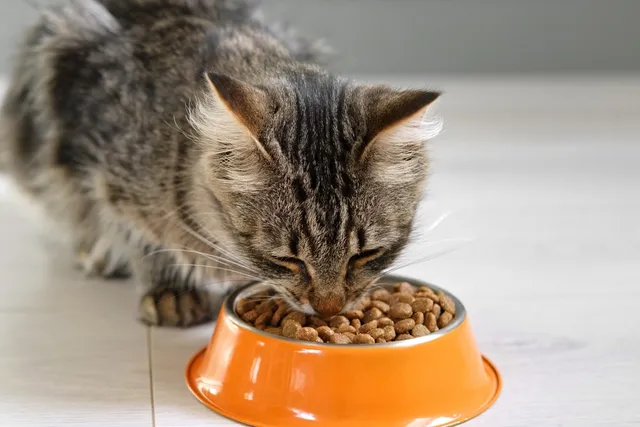
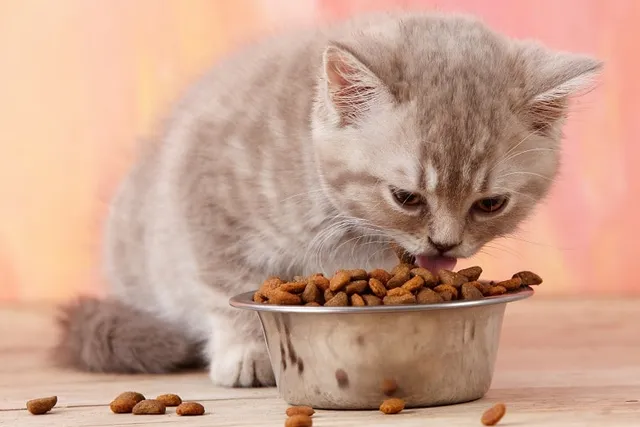
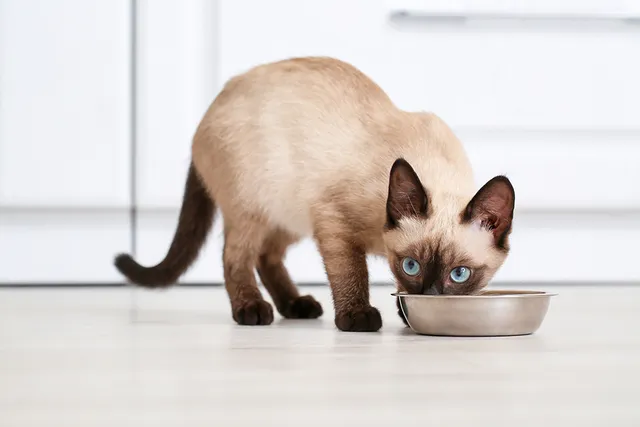
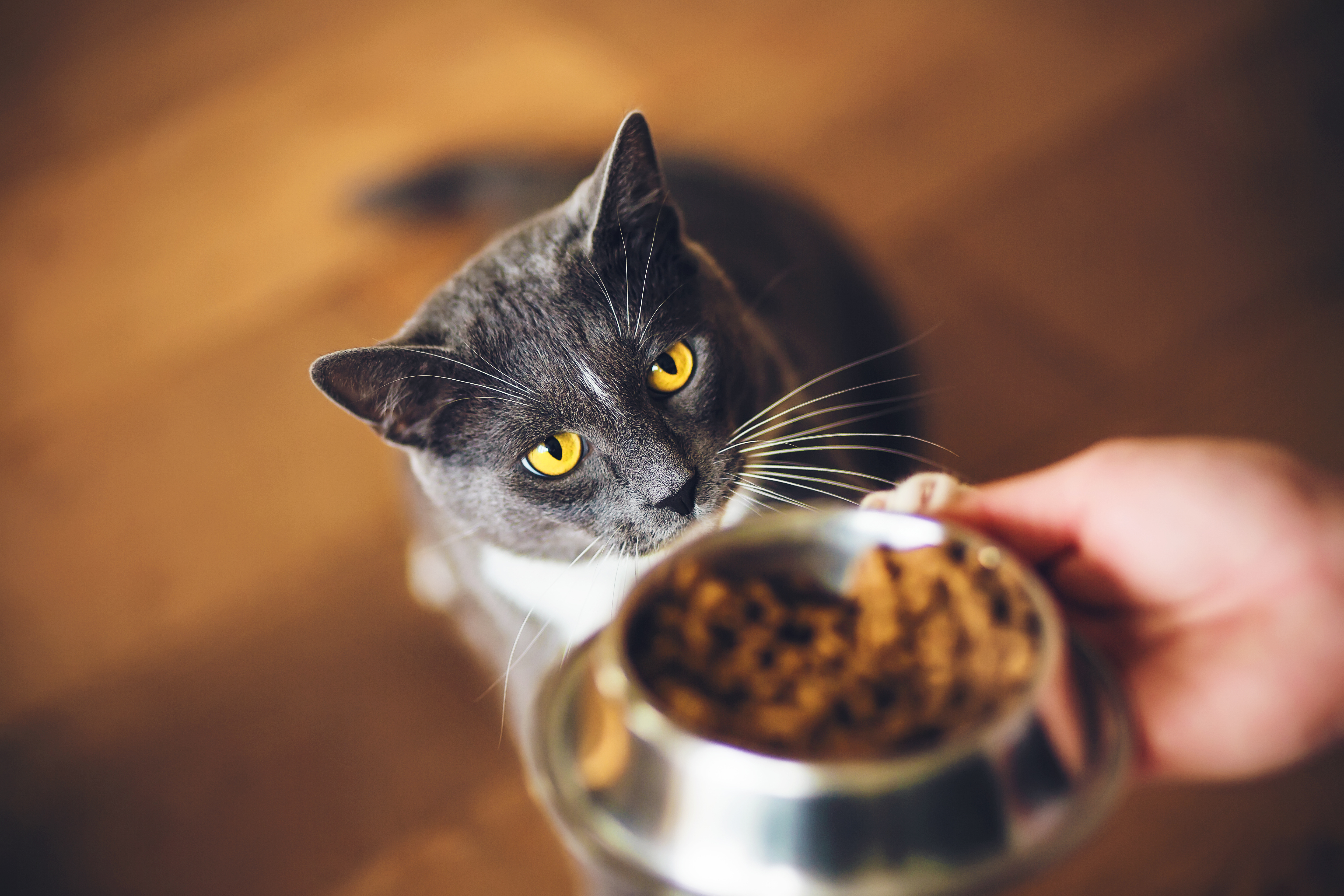
Why Is My Kitten Always Hungry? 9 Vet-Approved Reasons


In this article
Striving to meet your pet’s needs and ensuring their overall happiness and well-being is imperative and something you will be doing daily. It can be bothersome at times if your kitty seems to be eating non-stop, though. A relentless hunger in kittens can have you questioning if you are feeding them correctly, if their hunger is normal, or if there is an underlying issue to be investigated and concerned about.
The reason why your kitten is hungry all the time won’t be the same for all cats and will be on a case-by-case basis. Perhaps you aren’t feeding your cat the right food or amount for their individual nutritional needs, weight, and preferences. Alternatively, you may simply have a greedy pet on your hands, or there could be problematic medical or behavioral issues behind their ravenous appetite. Our top nine reasons below will help you discover more on this topic and reveal potential reasons behind their constant cravings.

The 9 Possible Reasons Your Kitty is Always Hungry
1. Growth and Development
Kittens are growing rapidly and forging through various stages. They need more calories and nutritional support to feed their development and may require more frequent meals during their early months.
If you’re concerned about your kitten’s well-being, we recommend consulting a veterinarian.
2. Metabolism
Kittens generally have higher metabolic rates than adult cats. This increased metabolic activity can make them burn through calories faster, and therefore, feel hungry more often.
3. Activity Level
If your kitten is very active, athletic, and playful, they will burn more calories, leading to an increased appetite. If you have other cats or even dogs that they like to play with, this again may influence the amount of energy and calories used, which, in turn, is reflected in their appetite.
4. Feeding Schedule
Ensuring that you're feeding your kitten an appropriate and balanced diet is only half of it. You’ll also need to make sure you’re feeding an adequate amount on a timely schedule. Kittens have tiny tummies so will do better with more frequent, small feedings rather than one big one once a day. If the feeding schedule or portion sizes are not adequate for your kitten’s weight, age, and breed, they may still feel hungry.

5. Parasites (Worms)
Parasites, such as roundworms or hookworms, are common in young kittens and can, depending on the load, increase a kitten's appetite. This is because the parasites are using your kitten as their source of nutrition and energy, making it so your kitten gets less out of the food they eat.
Regular worming of your kitten is advised. Your veterinarian will be able to recommend a schedule and appropriate product to use, and they can also check for the current presence of any of these parasites.
6. Boredom or Attention Seeking
Sometimes, kittens may eat out of boredom or to seek attention. Ensure your kitten is mentally stimulated and engaged with toys, an enriched environment, and playtime. Seeking out the help of reputable cat specialists or behaviorists will help you too, as they are a great source of ideas and solutions to this problem and can shed some light on their behavior.
7. Dietary/Food Needs
The kitten food you are providing might not be satisfying or meeting their nutritional needs. Make sure you're feeding a high-quality kitten food appropriate for their age, breed, and size.
They must be fed a complete feline diet and one that is manufactured for kittens, as they have different requirements than adult cats. Low-quality foods may not be as readily utilized as high quality ones, making it so that your kitten is not getting what they need from a poor quality diet.

8. Underlying Medical Conditions
Several illnesses and health issues can cause kittens to eat more or seemingly all the time. This can include illnesses that affect nutrient absorption or digestion, as well as issues that can affect how well a kitten can eat.
9. Medications
If your kitten is on medication, know that drugs can have side effects, and some can give kittens and cats an increased hunger. Check with your vet regarding any side effects of any medication you may be administering to your kitten to rule this out as the cause.

When Should My Hungry Kitten See the Vet?
If you notice your kitten seems constantly hungry even though they are devouring everything you feed them and this continues past a few days, it is best to book a check-up with your veterinarian. If any of the signs listed below are witnessed, it is very important to schedule a visit to the veterinarian as soon as possible, particularly when they are young kittens, as quick intervention and treatment may be needed.
- Vomiting
- Diarrhea
- Weight loss
- Unusual or frequent vocalizing
- Increased thirst and drinking
- Increased urination
- Worms in the stool
- Lethargy and low demeanor
- Any unusual or new behaviors
- Episodes of not eating or painful eating
- Suddenly eating non-food items or strange substances
Conclusion
As you can see, your kitten may be eating a lot or act like they’re always hungry for many reasons, and it might be a process of elimination to find out the true cause of this. If you're concerned about your kittens' eating habits or if their voracious appetite is a persistent problem, it's always a good idea to consult with your veterinarian. They can provide specific and tailored advice based on your kitten's age, weight, and overall health. Regular veterinary check-ups are important to ensure your kitten is growing and developing properly and also provide you the opportunity to raise any concerns you may have.
Featured Image Credit: BestPhotoPlus, Shutterstock
Expert cat care, straight to your inbox
News, insights, and useful advice, delivered to you.

No spam — unsubscribe anytime.
By signing up, you agree to our Terms & Conditions and Privacy & Cookies Policy.
How useful was this post?
Click a star to rate. You can leave written feedback afterwards. (We read all feedback.)
Annaliese qualified as a veterinary nurse from Edinburgh and went on to attain a diploma in advanced veterinary nursing in surgery from London. Throughout this time, she worked in both small and mixed veterinary practices and gained head nurse status.
Having cared for thousands of patients and owners, and after more than two decades in the veterinary and pet care industries, both as a vet and a writer, she has now officially retired her scrub suit and now works as a full-time writer.