Why Is My Cat So Demanding? 6 Vet-Verified Ways to Deal with a Demanding Cat


One of the most endearing things about cats is their unique and diverse personalities. While some cats are quiet and unassuming, others are much more outgoing. However, when extraversion spills over into being excessively demanding of attention, it can leave some cat parents feeling dismayed.
Attention seeking can be normal cat behavior that might be perceived as inappropriate depending on how your cat demands your attention, the intensity of this behavior, and the type of bond you two have. Cats may act excessively demanding as a result of pain, illness, anxiety, and discomfort.
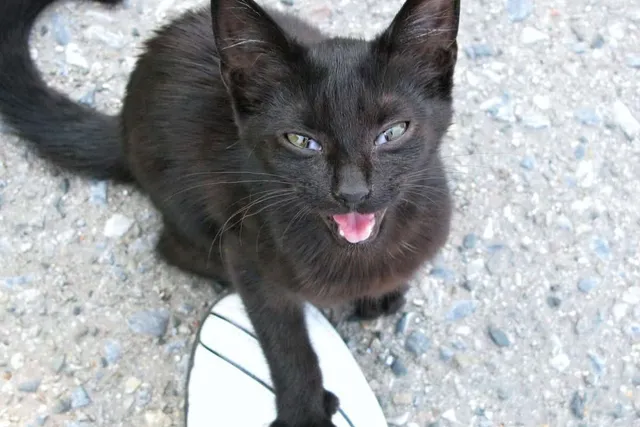
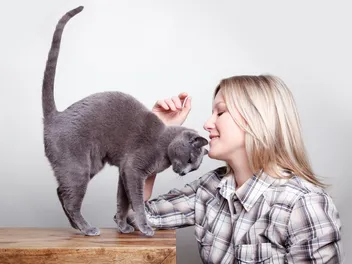
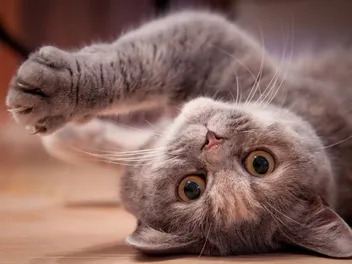
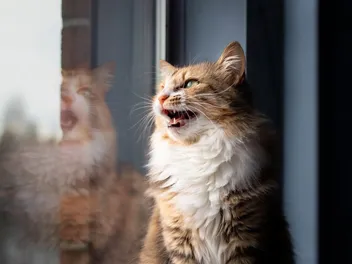
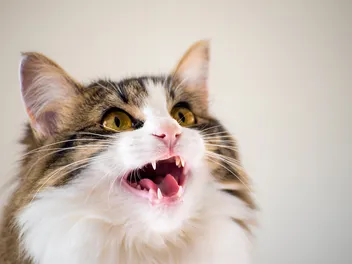
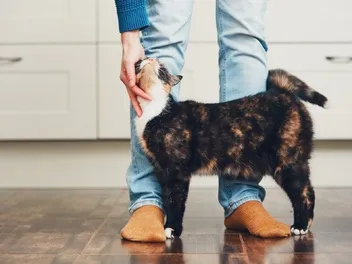
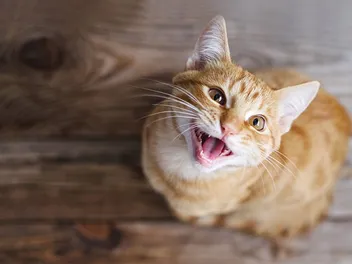
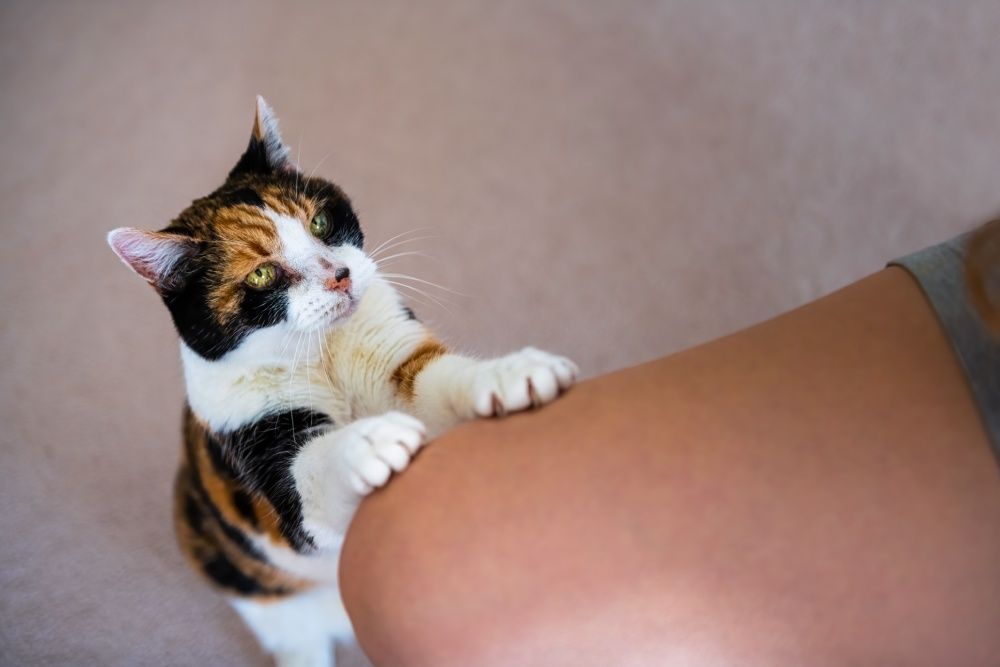
Demanding cat behaviors include meowing excessively, pawing at you incessantly, pacing, following you everywhere, trying to sit on you at every opportunity, waking you up at night, destructive behavior, and even nipping at you. In this guide, we'll address these behaviors and share some tips on how to curb them.

The 6 Ways to Deal with a Demanding Cat
1. Exercise
Boredom or lack of human interactions is a common cause of demanding behavior in cats. Cats that don't have an appropriate outlet for their energy can engage in unwanted behaviors like excessive vocalizing, clinginess, and acting out to get your attention (like knocking things off shelves or walking all over your computer while you're trying to work).
It's a good idea to have a few play sessions with your cat every day with fun toys like balls and chaser wands. These don't need to last long—even 5–10 minutes at a time 2–4 times a day can make a big difference.

2. Make Your Home Cat-Friendly
Cats need an environment in which they can act out their instinctive needs—like climbing and scratching—safely. Being unable to do these things can lead to stress and frustration, which may result in an unsatisfied and demanding feline. The cat's environment should also be mentally stimulating because, as we touched on above, these smart animals can quickly get testy when bored.
Set up shelves and cat trees for your cat to climb on (cats love somewhere they can perch up high as it helps them feel secure) and make sure they have access to suitable scratching posts. Provide interactive items for your cat when you're out of the house, like automatic toys they can follow around and pounce on and/or feeder toys that dispense treats when pushed. Use catnip, silvervine, and valerian root, since olfactory stimulation is also a great tool for environmental enrichment.
You can even try putting cat trees and other tantalizing items in the area where you spend a lot of time. For example, if you work in one room a lot and your cat likes to harass you in there, cat trees and toys may be a good distraction for them.
3. Check Your Cat's Needs Are Being Met
Since cats can't talk, they might meow to communicate with us. Some cats (Siamese cats in particular) are naturally chattier than others and do it just because, but if your cat is lingering around the area they eat or their litter box while vocalizing at you, they may be trying to tell you they need something.
Check that your cat is getting the right portion sizes for their weight, has access to clean water, and that their litter box (or boxes) are scooped daily. Cats are fastidious, so a dirty litter box can put them off using it, which leads to accidents on the floor if you don't intervene.

4. See a Vet
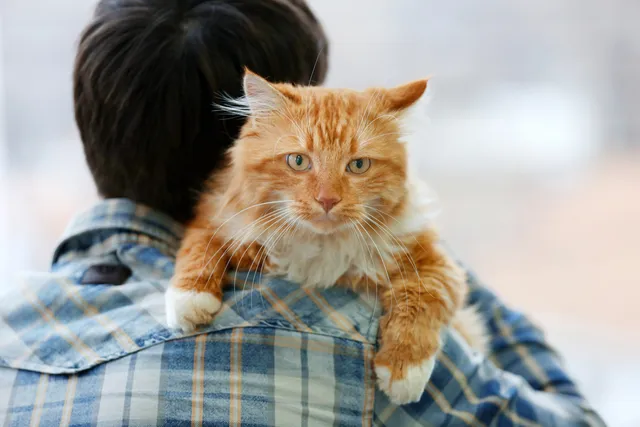
Though cats can be demanding for several innocent reasons, sometimes it's a sign that they're not feeling too well and are trying to let you know. While some cats withdraw and hide out when they're sick, others become clingier than ever—especially senior cats.
Other signs of illness include (but are not limited to) weight changes, vomiting, diarrhea, lethargy, being uninterested in play, changes in eating habits, changes in bathroom habits, breathing issues, unkempt coat condition, and constricted or dilated pupils.
For this reason, it's best to get an especially clingy cat checked by a vet to rule out health issues that could be behind the behavior.
5. Don't Encourage the Behavior
If you've ascertained that your cat is healthy and has enough food, water, and clean litter, they may just really like spending time with you and have clocked that being bossy gets your attention. If your cat's incessant meowing is starting to drive you crazy, the best thing to do is avoid answering your cat.
We all love a good chinwag with our cats from time to time, but responding to bossy meows is a surefire way to encourage your cat to keep doing it because it gets a response from you. This is an example of learned behavior.

6. Find a Middle Ground
“Remember, some cats are naturally more clingy or demanding as part of their innate way of bonding with you, while others may act this way because they feel insecure. Although it can be frustrating at times, try to be patient with your cat and find a way to compromise. Even a few small changes can make a significant difference.”
For example, if your cat won't eat unless you're there with them, schedule a few minutes to accompany your cat while they chow down. If they constantly seek your attention while you're working from home, schedule a quick play session before you start work.
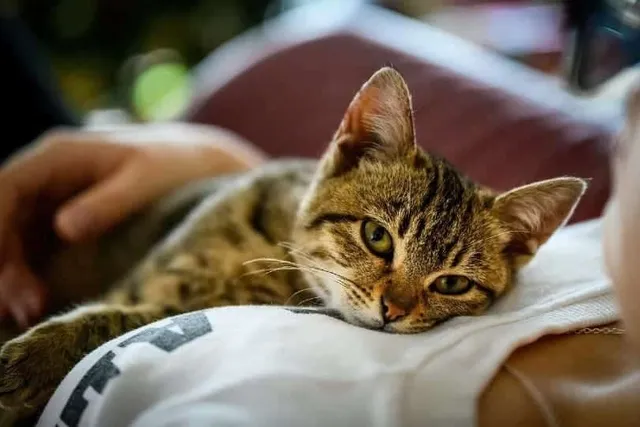
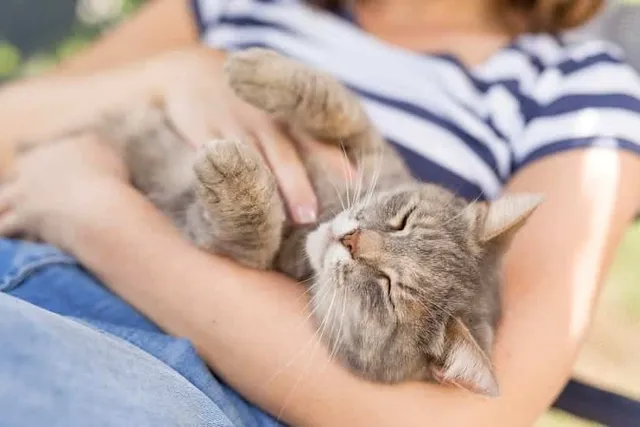
In addition, if there's something a cat hates, it's feeling ignored. Be sure to give your cat attention in the form of pets and cuddles (if they like this) every day, too. If you're busy, don't worry, it doesn't need to be excessive—just take a few minutes here and there to acknowledge your cat with pets or by letting them sit on your lap.
Conclusion
Demanding behavior in cats can be bewildering, but there's usually something behind it, and all you need to do is figure out the trigger and address it. It’s important to consider whether your cat’s behavior is being misunderstood—what may seem inappropriate might simply be their way of expressing affection. Sometimes, cats act out of habit to get attention, especially if this behavior has been inadvertently reinforced and is now likely to recur. However, if your cat’s behavior suddenly changes and they become unusually demanding, it’s essential to ensure that their needs are being met and rule out potential causes such as illness, anxiety, or pain.
If it's only at certain times—like lunchtime or when they need to do their business—your cat's behaviors are more likely related to food or bathroom needs. In any case, if you're unsure, it's best to consult a vet.
See Also:
Sources
Featured Image Credit: Andriy Blokhin, Shutterstock
Expert cat care, straight to your inbox
News, insights, and useful advice, delivered to you.

No spam — unsubscribe anytime.
By signing up, you agree to our Terms & Conditions and Privacy & Cookies Policy.
How useful was this post?
Click a star to rate. You can leave written feedback afterwards. (We read all feedback.)
Kit Copson is a freelance writer and lifelong animal lover with a strong interest in animal welfare. She has parented various furry beings over the years and is currently a proud cat mom of two—one very chilled (unless hungry) Siamese and a skittish but adorable Domestic Shorthair—and dog mom of one—an adopted Bichon Poodle cross. When not writing about or spending time with animals, Kit can be found doodling in her sketchpad, reading, or more often than not, drinking tea.