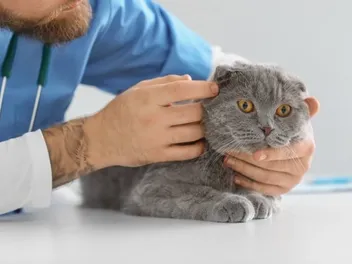
Why Does My Cat Have a Fever? 5 Vet-Reviewed Common Causes


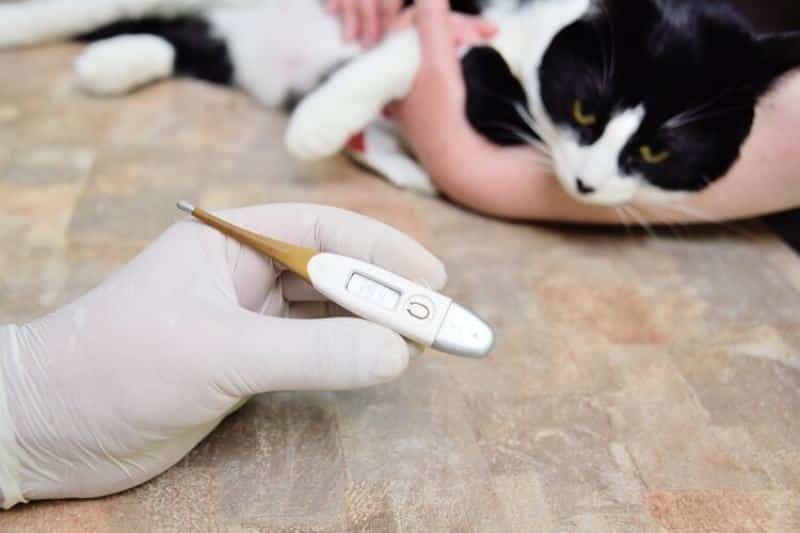
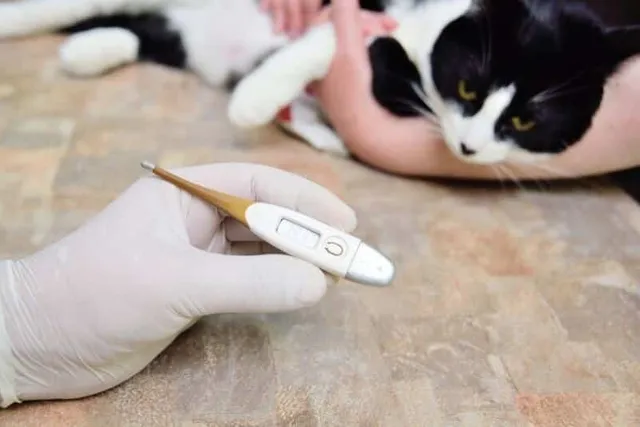
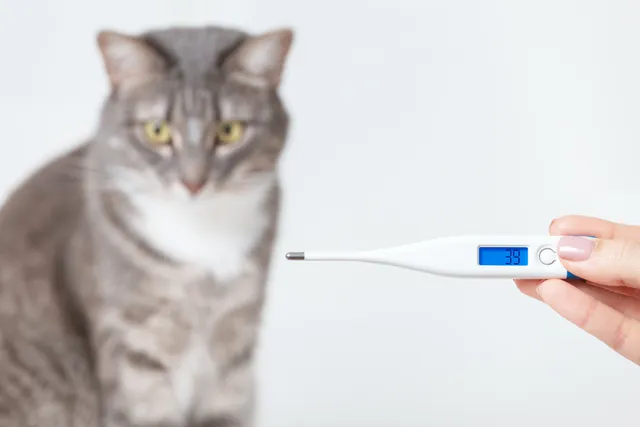
Cats normally have temperatures between 100º F and 102.5º F; anything above that is considered to be a fever, also known as pyrexia. Fevers play an essential role in keeping cats healthy as they trigger their immune systems to shift into high gear and make it difficult for viruses and bacteria to proliferate.
Fever can be caused by parasites, trauma, and infections; anything that triggers an inflammatory response. Cats with fevers often show other signs of illness, such as a lack of energy and interest in eating and drinking. Cats feeling feverish also sometimes shiver, hide, and show little interest in activities such as grooming themselves.
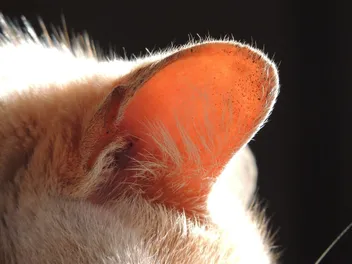
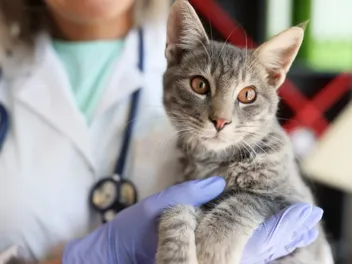
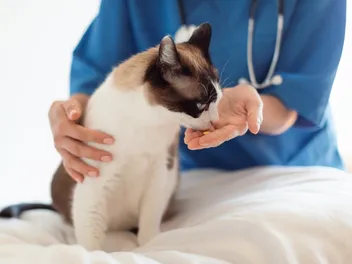
It’s not always easy to tell if your cat has a fever, as their body temperature is higher than ours, but if their ears feel quite warm, especially if the outside temperature isn’t hot, this can be a sign that your cat has a fever. If you think your cat has a fever that lasts more than 24 hours, or if they also seem unwell, it is time to make an appointment with your vet. They will be able to examine your cat and run tests to find out what is causing the fever, and get them the right treatment.

The 5 Common Causes Why Cat's Have Fever
1. Parasites
Cats can be infected by various parasites, but the two most likely to cause fevers are toxoplasmosis and cytauxzoonosis. Cats infected with toxoplasmosis rarely show signs of infection, but when they do, they typically include a lack of interest in eating, weight loss, and fever. Some may develop jaundice and difficulty breathing. Treatment usually involves antibiotics, and cats who recover generally do just fine.
Cytauxzoonosis is a tick-borne disease, caused by a protozoa that results in widespread inflammation and organ and tissue damage. Infections are commonly seen when ticks are at their busiest, generally between April and September. Signs of cytauxzoonosis infections include lack of interest in eating, vomiting, weakness, and jaundice. Most cats suffering from cytauxzoonosis infections have extremely high fevers.
Fast intervention is essential with cytauxzoonosis, and cats must spend a few days in the hospital to get back on their feet. The treatment usually involves antiprotozoal medication and supportive care.

2. Cancer
Several types of cancer can cause cats to develop fevers, but lymphoma tends to be the type that impacts the most felines. Other cancers that are commonly found in cats include soft-tissue sarcomas and squamous cell carcinomas.
Regular medical checkups ensure that severe medical conditions (such as cancer) are diagnosed as quickly as possible, which can lead to better outcomes over time.
3. Infections
Bacterial, fungal, and viral infections can all cause fevers in cats. Although the types of infections that lead to fevers can occur anywhere in a cat's body, viral infections that affect the upper respiratory tract are particularly common; feline calicivirus and feline herpes virus are frequently encountered, culprits.
Feline leukemia virus, feline immunodeficiency virus (FIV), and feline coronavirus (also known as feline infectious peritonitis, or FIP) are relatively common viruses in the cat population, and can all present with fever and lethargy.
Cats that get into fights can end up with infections that often turn into abscesses, a pocket of pus under the skin. Fever, lethargy, and pain are usually the first signs of an abscess brewing. Feline lower urinary tract disease, including infection, are also common causes of inflammation and fever in cats.
Antibiotics are prescribed to help cats suffering from bacterial infections get back on their feet. Some viral infections respond well to supportive care, while others can have lifelong effects, or be fatal.
If you suspect your cat has an infection, we advise you to speak to a vet.
4. Brain Trauma
Brain injuries can cause problems with temperature regulation, which can lead some cats to spike fevers or have abnormally low body temperatures. There are two steps involved when cats experience brain trauma; there's the initial injury and then the problems that crop up as a result.
Common secondary brain injuries include bleeding blood vessels and severe tissue swelling. Other signs of brain trauma include pupils of different sizes and a particularly slow heart rate. Brain trauma can be caused by something sudden, like being hit by a car, but long-term health problems such as high blood pressure, blood clotting disorders, and heart attacks can also cause problems.
5. Heat Exhaustion and Stroke
Heat exhaustion and stroke are caused when cats are exposed to hot, humid temperatures for too long, and are unable to cool down. Outdoor cats are more commonly affected, but indoor cats are also susceptible, with sunny spots and indoor heating.
Overweight pets, kittens, brachycephalic cats (eg. Persians), and those with conditions such as diabetes, kidney disease, and heart problems, are also more at risk. Heat exhaustion is diagnosed when cats' temperatures reach between 103º F and 104º F. Signs to look out for include diarrhea, vomiting, rapid breathing, and seizures.


Frequent Asked Questions
Are Fevers Always Caused by an Illness?
No. Benign activities, including exercise and excitement, can cause cats' temperatures to be a bit higher than normal.
Are There Other Potential Causes of Elevated Temperatures in Cats?
Yes. Some types of medication can cause cats to have temperatures, as can various inflammatory conditions.

How Do Veterinarians Determine What's Causing a Cat's Fever?
Veterinarians rely on information provided by pet parents to get started. Tests for feline leukemia virus and feline immunodeficiency virus are frequently part of the workup. Urinalysis and fecal tests are commonly ordered, and imaging studies, such as ultrasounds and X-rays, are also used.

Conclusion
Fevers are commonly seen in cats who aren't feeling well. They actually play an important role in the immune function since they help cats fight infection. A temperature between 100º F and 102.5º F is considered normal for cats. While many fevers go away with supportive care, pets who don't start feeling better relatively quickly should receive a thorough veterinary evaluation, and those with high fevers should receive immediate medical attention.
Fevers can have several causes, including infections, trauma, parasites, and cancer, and getting cats back on their feet involves identifying the cause of the problem and providing the appropriate treatment.
Featured Image Credit: Evgeniy Kalinovskiy, Shutterstock
Expert cat care, straight to your inbox
News, insights, and useful advice, delivered to you.

No spam — unsubscribe anytime.
By signing up, you agree to our Terms & Conditions and Privacy & Cookies Policy.
How useful was this post?
Click a star to rate. You can leave written feedback afterwards. (We read all feedback.)
Lorre Luther is a writer who is firmly convinced that cats are smarter than humans. She left her law career in the United States and moved to the Netherlands to follow her dream of becoming a writer. Lorre currently lives in Rotterdam, she enjoys traveling and greatly appreciates the beauty of nature. Lorre has a spot for animals and admires the intelligence of cats.