What Are Struvite Crystals in Cats? Our Vet Explains Causes & Treatments

If you notice any changes in your cat’s urination habits, this could be a sign of an issue with the urinary tract and could be struvite crystals. This problem could be resolved with a vet-developed diet or result in surgery. Let's look at what you should know about preventing and treating struvite crystals.

What Are Struvite Crystals?
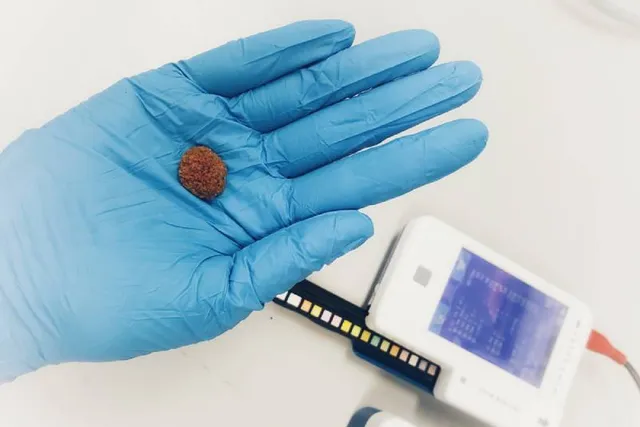
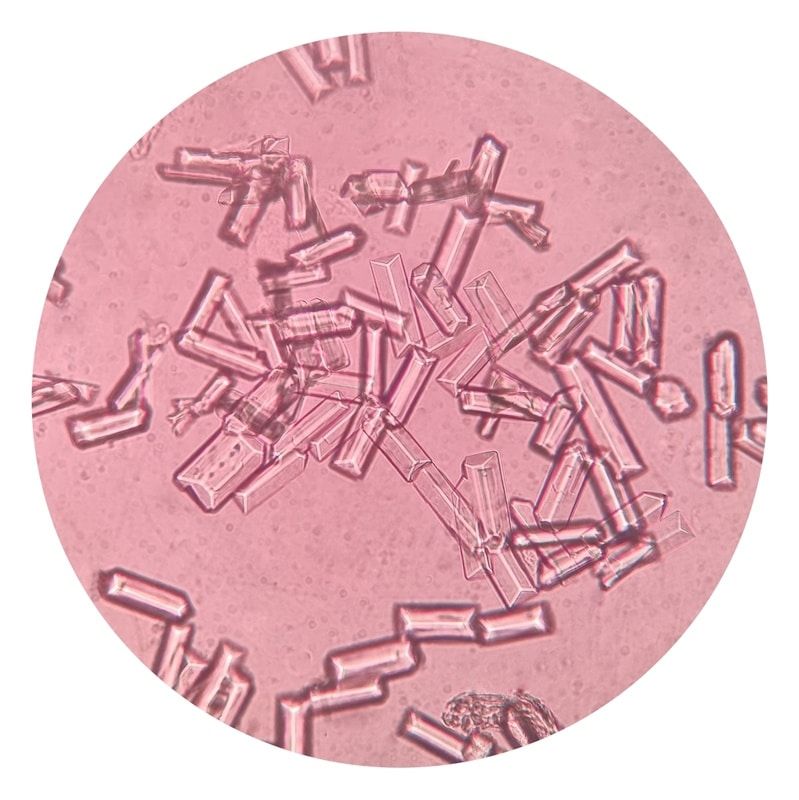
Struvite crystals form within the urinary tract. They are a combination of phosphate, magnesium, and ammonium. While you might find low numbers of struvite crystals in normal urine, they can also indicate or lead to bladder problems, such as bladder stones.
What Are the Signs of Struvite Crystals in Cats?
Struvite crystals can be an incidental finding on a urinalysis, but they can also be associated with urinary tract infections. As such, signs of struvite crystals include:
- Increased frequency of urination (pollakiuria)
- Blood in urine (hematuria)
- Straining to urinate (stranguria)
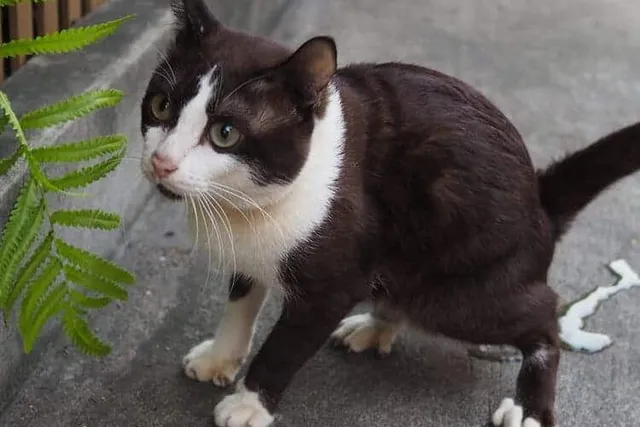
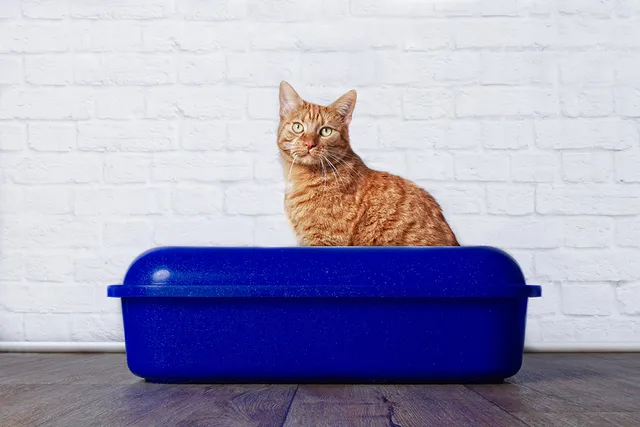
- Inappropriate urination
- Crying, especially when trying to urinate
Some pets with urinary tract infections can be lethargic or have a decreased appetite. So, it's always worth it for your veterinarian to check a urinalysis if your cat is acting "off."
Struvite crystals can be associated with urinary blockages, particularly in male cats. They are at a higher risk for blockages because their urethra is longer and narrower, so it's easier for crystal clumps, mucus, and even stones to block the passage of urine.
A urinary obstruction can be life-threatening. There are a few consequences of a urinary blockage. First, the bladder can distend and rupture. Cats can develop kidney failure. Electrolyte imbalances are possible, and if your cat can't urinate, their potassium levels may increase. If they get too high, cardiac arrhythmias are possible, particularly bradycardia or low heart rate.

What Are the Causes of Struvite Crystals in Cats?
In dogs, struvite crystals are commonly associated with urinary tract infections. We don't see that as commonly in cats, but it's still possible. In these cases, bacteria produce urease, which decreases the pH of the urine and makes it more likely for struvite crystals to form.
Struvite crystals may form if the urine is very concentrated. Cats that don't drink as much water tend to have more concentrated urine and may have a higher risk of struvite formation. Your cat's diet may cause a more alkaline or basic urine pH, which might cause crystals. Your cat is also at a higher risk if their diet produces more magnesium or phosphorus in their urine.

Diagnosing Struvite Crystals in Cats
Your veterinarian may perform a urinalysis as part of a routine physical exam before anesthesia or as a secondary to urinary or behavioral issues noted at home. Struvite crystals are readily seen under the microscope and may vary in size but have roughly the same basic shape as a coffin lid.
Your veterinarian might see other findings on the urinalysis, such as red blood cells, white blood cells, and bacteria.
They'll check for other things, as well, such as:
Your veterinarian may run the urinalysis in the hospital or send it to a lab for analysis. They may also recommend culturing the urine. Some hospitals even have automatic analyzers that scan the urine and spit out a report faster than humans.
Other tests to assess your cat's bladder health include:
How Do I Care for a Cat With Struvite Crystals?
If your cat has bladder stones associated with their struvite crystals, you and your veterinarian might decide to perform surgery, a cystotomy.
However, in many cases, you don't have to resort to a cystotomy. Dissolving the crystals and stones is often an option. Your veterinarian will prescribe a specific diet, usually Hill's c/d or Royal Canin SO, designed to support bladder health and dissolve stones. The important thing to bear in mind is that this diet is usually lifelong. Cats that develop struvite crystals are more likely to develop them again in the future, so dietary management is key. Your cat won't be able to eat anything but the food, so everyone in the house will need to be on the same page.
Typically, struvite crystals will dissolve within a couple of months. Your veterinarian must monitor the dissolution process with repeat X-rays and urinalysis.

If your cat has evidence of a urinary tract infection, your veterinarian will prescribe antibiotics. Some cats also need anti-inflammatory medications, such as Onsior.
If your cat stops urinating or is straining to urinate, they need to be evaluated by a veterinarian immediately. In the case of a urinary obstruction, your cat will usually be sedated and have a urinary catheter placed. They may be hospitalized for several days with fluid therapy and medications.
Some cats with an obstruction, especially if they obstruct more than once, may need a perineal urethrostomy, where a larger surgical opening is made to help unblock them.
Preventing Struvite Crystals in Cats
If your cat has had urinary crystals, your veterinarian is likely to recommend keeping them on a diet to dissolve struvite crystals. These diets tend to restrict the levels of magnesium and phosphorus. They also help acidify the urine, which decreases the pH, making the formation of struvite crystals less likely.
Some cats are prone to urinary issues when stressed or have anxiety. Your veterinarian might suggest Hill's c/d MultiCare Stress to help with urinary and stress issues.
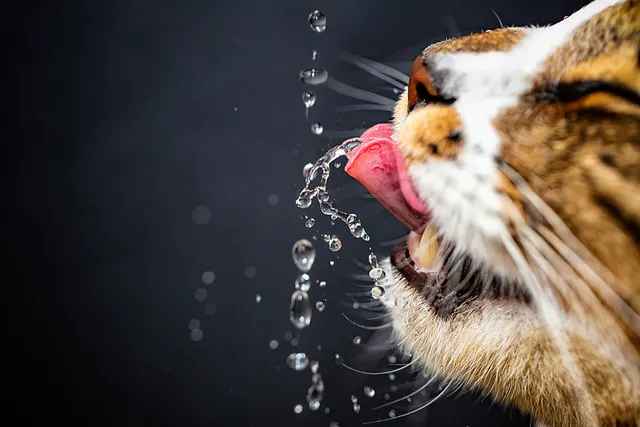
You'll also want to make sure your kitty drinks plenty of water. The easiest way to do this is to give them canned food every day or add water to their food. You might also try using a water fountain, although not all cats will use them.
Your veterinarian will likely recommend regular urinalysis rechecks. If they ask you to collect a sample using non-absorbable litter at home, you'll want to bring it in immediately for evaluation. Struvite crystals can spontaneously form when urine sits out for an extended period, so collect it and bring it right in, or keep it in the fridge until you bring it in.

Frequently Asked Questions
Can Dry Food Cause Struvite Crystals in Cats?
Yes, dry food may increase the possibility of your cat developing struvite crystals because they may not be drinking enough water. Feeding canned food can help with that.
Can Tap Water Cause Struvite Crystals in Cats?
In some cases, tap water might be linked to forming crystals, especially if the water is high in magnesium. If the water is high in calcium, it could cause other crystals. That said, diet is the more likely reason for crystal formation.
Conclusion
Struvite crystals can form in cat urine for different reasons, including urinary tract infections and highly concentrated urine. Your veterinarian can help determine the crystals' significance and recommend treatment, such as diet change.
Sources
Featured Image Credit: Pee Paew, Shutterstock
Expert cat care, straight to your inbox
News, insights, and useful advice, delivered to you.

No spam — unsubscribe anytime.
By signing up, you agree to our Terms & Conditions and Privacy & Cookies Policy.
How useful was this post?
Click a star to rate. You can leave written feedback afterwards. (We read all feedback.)
Dr. Samantha Devine DVM (Veterinarian)
Samantha Devine is a practicing veterinarian who loves to share her experience with animal species and their health. Whether it's a guinea pig question or a pressing matter about something your cat ingested, she strives to provide clear answers. She is passionate about preventative care and firmly believes in the old adage, "An ounce of prevention is worth a pound of cure."
Dr. Devine has been practicing veterinary medicine for over 12 years and has spent a great deal of that time writing online to educate pet owners. In addition to general practice small animal medicine, she has worked with horses. zoo animals and aquatic species. She enjoys all aspects of preventative medicine, from nutrition to vaccines.
Dr. Devine received her degree from the Virginia Maryland Regional College of Veterinary Medicine.