How Do You Say Cat in Different Languages? Learn How to Say it!
In this article
Cats have been beloved companions for thousands of years. Throughout history, different cultures around the world have different perceptions of cats. Some cultures view cats as sacred creatures, some associate them with good fortune, and some, in contrast, associate them with evil. Regardless of these cultural differences, cats have grown to be popular pets around the world.
Linguistically, most words for cats in different cats are derived from the Latin words, feles or kattus. Read on as we look at how the word “cat” is translated into different languages.
In this article, we'll go over a brief overview of how cats are perceived in different cultures around the world!

Cats in Asian Culture
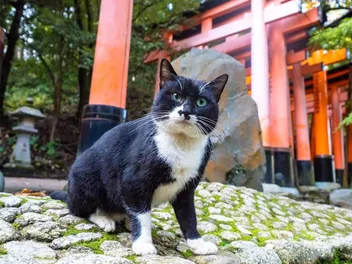
For centuries, spanning way back to ancient times, cats have generally been seen as protectors, symbols of fertility, and good fortune. Cats truly hold a special place in Asian cultural heritage as positive symbolism, as well as loyal companions.
In countries like China and Japan, they are often held in high regard as symbols of good fortune and prosperity.
For example, the Maneki-Neko or “beckoning cat”, often seen at the entrance of restaurants and other businesses, is a popular symbol of good fortune in Japan, as it is said to attract customers for businesses to thrive. Similarly, cats are often depicted in Korean folklore and traditional art as bringers of good luck, protectors, and creatures with healing powers.

How to Say Cat in Asian Languages
| Armenian | կատու |
| Azerbaijani | pişik |
| Bengali | বিড়াল |
| Chinese | 猫 [māo] |
| Georgian | კატა |
| Gujarati | બિલાડી |
| Hindi | बिल्ली |
| Hmong | miv |
| Japanese | ネコ (neko) |
| Kannada | ಬೆಕ್ಕು |
| Kazakh | мысық |
| Khmer | ឆ្មា |
| Korean | 고양이 [goyang-i] |
| Kyrgyz | мышык |
| Lao | cat |
| Malayalam | പൂച്ച |
| Marathi | मांजर |
| Mongolian | муур |
| Myanmar (Burmese) | ကွောငျ |
| Nepali | बिरालो |
| Odia | ବିଲେଇ |
| Pashto | پيشو |
| Punjabi | ਬਿੱਲੀ |
| Sindhi | ٻلي |
| Sinhala | බළලා |
| Tajik | гурба |
| Tamil | பூனை |
| Telugu | పిల్లి |
| Thai | แมว |
| Turkish | kedi |
| Turkmen | pişik |
| Urdu | بلی |
| Uyghur | مۈشۈك |
| Uzbek | mushuk |
| Vietnamese | con mèo |
Cats in European Culture
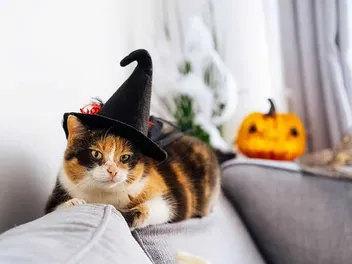
While cats are popular companions and are often portrayed positively in the media today, they were initially seen in a negative light in medieval Europe. Cats were often associated with witchcraft and magic as the preferred companions of witches.
In the Renaissance period, cats began gaining a more positive reputation, as they were often depicted in works of art and as pets of the wealthy. From their association with witchcraft, they became symbols of grace, elegance, and beauty.
Today, cats are a popular choice for pets all around Europe. In popular culture, their mystical association with witchcraft and magic is still heavily portrayed but has only served to grow cats’ popularity.

How to Say Cat in European Languages
| Albanian | mace |
| Basque | katu |
| Belarusian | кот |
| Bosnian | mačka |
| Bulgarian | котка |
| Catalan | gat |
| Corsican | cat |
| Croatian | mačka |
| Czech | kočka |
| Danish | kat |
| Dutch | kat |
| English | cat |
| Estonian | kass |
| Finnish | kissa |
| French | chat |
| Frisian | kat |
| Galician | gato |
| German | katze |
| Greek | Γάτα [Gáta] |
| Hungarian | cica |
| Icelandic | Köttur |
| Irish | cat |
| Italian | gatto |
| Latvian | kaķis |
| Lithuanian | katė |
| Luxembourgish | Kaz |
| Macedonian | мачка |
| Maltese | qattus |
| Norwegian | katt |
| Polish | kot |
| Portuguese | gato |
| Romanian | pisică |
| Russian | kот [kot] |
| Scots Gaelic | cat |
| Serbian | mачка [machka] |
| Slovak | mačka |
| Slovenian | mačka |
| Spanish | gato |
| Swedish | katt |
| Tatar | mәче |
| Ukrainian | kіт [kit] |
| Welsh | cath |
| Yiddish | קאַץ |
Cats in Middle Eastern Culture
Cats play a huge role in Middle Eastern culture. As a predominantly Islamic region, cats are highly valued and are considered symbols of cleanliness and good luck. In Islam, the Prophet Muhammad was known to be fond of cats, leading to a widespread tradition of respect toward cats in the region. A popular story in Islam tells of the Prophet Muhammad cutting off the sleeve of his robe, just so that he would not disturb his sleeping cat.
Today, cats are still revered as symbols of good fortune and are beloved companions all over the Middle East.

How to Say Cat in Middle Eastern Languages
| Arabic | قط [qut] |
| Hebrew | חתול |
| Kurdish (Kurmanji) | pisîk |
| Persian | گربه |
Cats in Austronesian Culture
Cats have a very rich heritage in Austronesian-speaking cultures—spanning the regions of Southeast Asia, the Pacific islands, Taiwan, Polynesia, and Madagascar. Aside from their mystical perception and depictions in art and folklore, cats were also loved in society for their ability to control pests and protect food stores.
Cats are also thought to bring good luck and prosperity to their owners, making them popular companions—even dating back to ancient times, when they were also considered to possess healing powers and serve as protectors from evil spirits.

How to Say Cat in Austronesian Languages
| Cebuano | iring |
| Filipino | pusa |
| Hawaiian | pōpoki |
| Indonesian | kucing |
| Javanese | kucing |
| Malagasy | saka |
| Malay | kucing |
| Maori | ngeru |
| Samoan | pusi |
| Sundanese | ucing |
| Taiwanese | 猫-mao |
Cats in African Culture
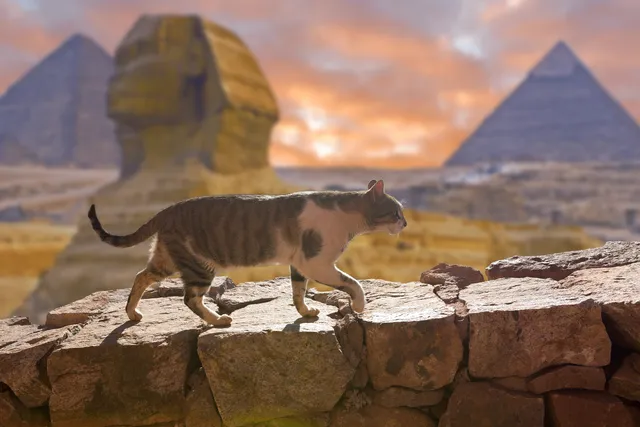
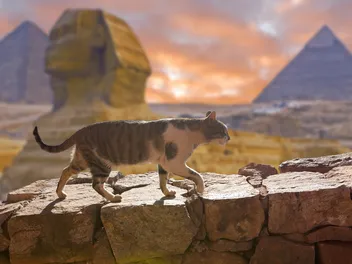
Cats have a significant place in African culture, particularly in Egypt. The ancient Egyptians viewed cats as gods, and they were revered and worshipped as such. Cats were said to bring good fortune to those who housed them and were often depicted in Egyptian art and mythology.
Other African cultures considered cats to have spiritual powers bringing protection and good luck. Today, cats are still widely valued as companions and are often kept as pets.

How to Say Cat in African Languages
| Afrikaans | kat |
| Amharic | ድመት |
| Chichewa | mphaka |
| Hausa | mage |
| Igbo | pusi |
| Kinyarwanda | injangwe |
| Sesotho | katse |
| Shona | katsi |
| Somali | bisad |
| Swahili | paka |
| Xhosa | ikati |
| Yoruba | o nran |
| Zulu | ikati |
Cats in North American Culture
In North America, cats are highly valued for their companionship and affection. They are choice pets for those who love independent animals that are easy to care for. They are often depicted in popular media in the form of comic strips, television, and movies, and even have a strong online presence in the form of “internet cats”!
In Native American culture, cats were seen as symbols of grace and agility. They were also valued for their ability to hunt and control the population of pests. Native Americans, in general, have a deep respect for all animals and view them as an important part of the natural world—including cats!

How to Say Cat in Languages in North America
While English is the primary language of North America, there are several Native American and other languages spoken by indigenous people and other ethnic groups throughout the North American region. Below, we list the words for “cat” in several of these languages, including English:
| Blackfoot | poos |
| Cherokee | wesa |
| Choktaw | katos |
| Cree | minos |
| English | cat |
| Eskimo | pussi |
| Hawaiian | popoki |
| Lakota | igmu |
| Navajo | mosi |
| Ojibwe | gaazhag |
| Spanish | gato |
Cats in South American Culture
In South America, cats have varied cultural significance and status depending on the society and region. Some indigenous cultures viewed cats as symbols of prosperity, where they were often kept for companionship. Some cultures valued cats for their hunting abilities of smaller animals, such as mice and rats.
Today, cats are valued as domesticated pets and are loved for their affection and personalities.

How to Say Cat in Languages in South America
In South America, the major languages can be divided into three broad groups—the languages of the former colonial powers, many indigenous languages, and various other languages spoken by immigrant populations. Here, we list the words for “cat” in the major languages spoken throughout South America.
| Aymara | phisi, michi |
| English | cat |
| French | chat |
| Guaraní | mbarakaja |
| Portuguese | gato |
| Spanish | gato |
| Quechua | michi |
Conclusion
While different cultures have varying perceptions and regard for cats, there's no doubt that cats play a huge role in cultural history around the world. Today, cats are beloved pets all around the world that are loved for their excellent companionship, adorable personalities, and affectionate nature!
Sources
Featured Image Credit: Zhuravlev Andrey, Shutterstock
Expert cat care, straight to your inbox
News, insights, and useful advice, delivered to you.

No spam — unsubscribe anytime.
By signing up, you agree to our Terms & Conditions and Privacy & Cookies Policy.
How useful was this post?
Click a star to rate. You can leave written feedback afterwards. (We read all feedback.)

Christian started writing for a local newspaper as a teenager, and he's been involved in the publishing industry for most of his adult life. Combining his love of writing with a passion for animals, he is currently the Director of Editorial at Pangolia and the Editor-in-Chief at Catster.
Christian lives in the Philippines with his wife, son, and four rescue cats: Trixie, Chloe, Sparky, and Chopper.