Get

In Your Inbox

Catster is reader-supported. When you buy via links on our site, we may earn an affiliate commission at no cost to you. Learn more.

How Many Whiskers Do Cats Have? Vet-Reviewed Science, Facts & FAQ

Share

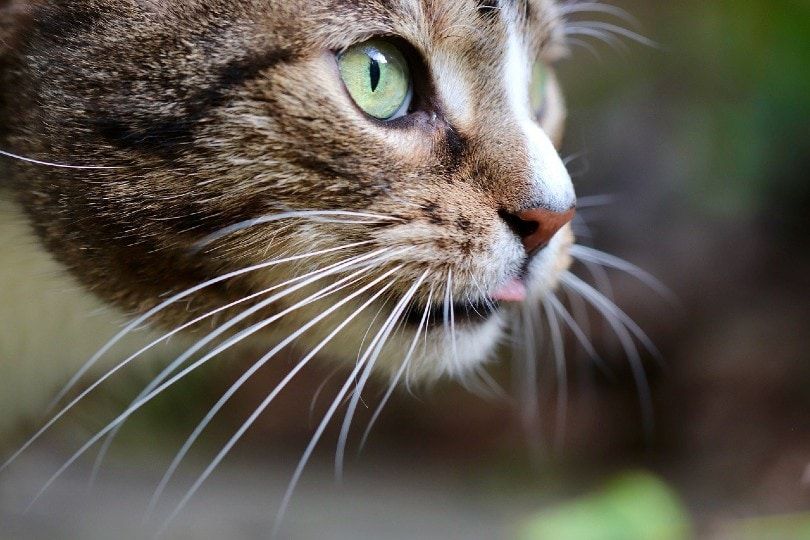
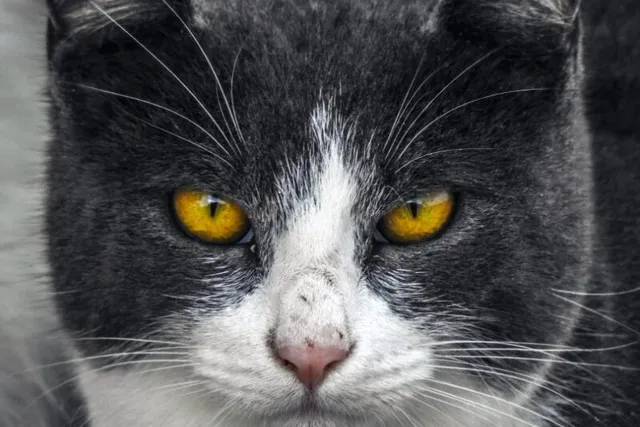
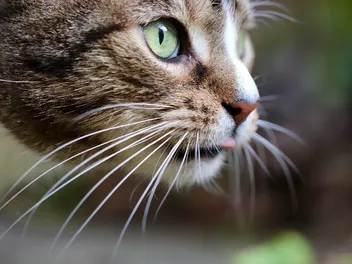
close up of cat whiskers

Have you ever wondered what the purpose of a cat’s whiskers is? Do they actually serve the cat, or are they just there to make the cat look adorable? While they definitely do make your cat look cute, whiskers serve a few specific functions that have helped cats survive for centuries.

Even domesticated cats use their whiskers to help them navigate their daily lives. The average cat has a total of 24 whiskers on the cheeks, 6-10 whiskers above their eyes, a few whiskers on their cheeks, and another 12-16 whiskers on their forelegs. Read on to find out if this number changes based on different factors.

divider 3 paws

How Many Whiskers Do Cats Have?

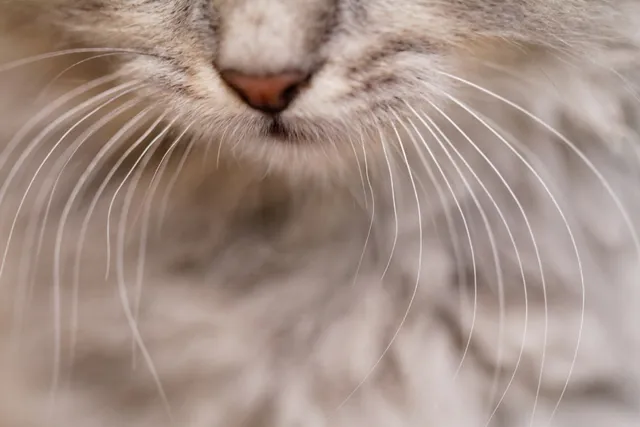
The average cat has 24 whiskers on the cheeks. They are arranged in four rows, with 12 whiskers on each cheek. If you included the whiskers above your cat’s eyes and on their front paws, it would be safe to say that cats have anywhere from 48 to 56 whiskers. While 24 whiskers are the average number found on a cat’s cheeks, it isn’t a definitive number and can vary from cat to cat.

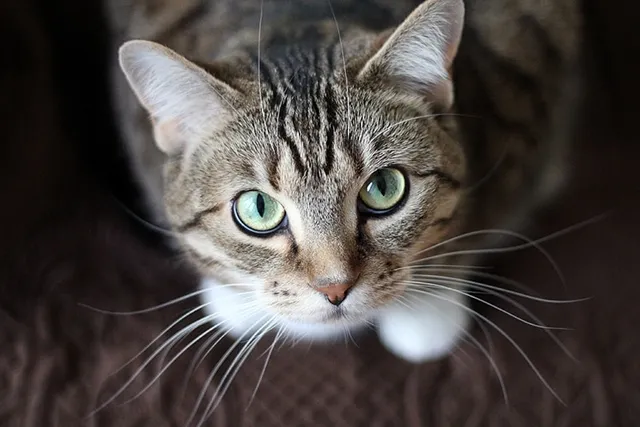
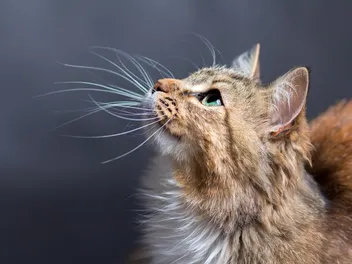
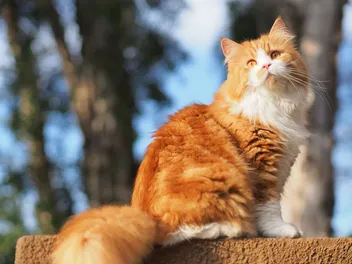
cat with long whiskers looking up
Image by: NON, Unsplash

Whiskers and Their Purpose

Whiskers are not the same as the rest of the fur on a cat’s body. Cat whiskers are thick, and the roots are planted deeper within the skin than their fur. They have a coarser texture and are more durable and sensitive. Some people don’t even realize that their cat’s whiskers contain nerves and blood vessels.

They provide cats with another way to feel the world around them, similar to how we use our fingertips. There are several ways for a cat to use their whiskers, but they mainly use them during their day-to-day functions and for navigating safely.

Reflexes

A cat’s whiskers are attached to a sensory receptor called the proprioceptor. This receptor communicates with a cat’s brain and helps them become more aware of their body and its movements. Whiskers are partially responsible for a cat’s quick reflexes.


Spatial Cues

Felines also use their whiskers for spatial recognition. The length of a cat’s cheek whiskers is roughly the same as the width of a cat’s body. When you see a cat squeezing through a tight space, your feline friend is relying heavily on their whiskers to determine if they can fit inside that space. If their whiskers fit without bending, it’s a good sign that they can squeeze through the small opening.

You are free to use this image but we do require you to link back to Catster.com for credit

Protection

It isn’t the whiskers themselves that have nerves. Instead, the roots do, and even the slightest movement or vibration can communicate information to your cat. That’s why your cat shakes their head whenever a small piece of debris lands on them. Whiskers are very sensitive and protect cats from entering areas that could cause damage to their eyes and other body parts.


Expressing Emotions

Believe it or not, whiskers can move in a way that communicates how your cat is feeling. When the whiskers are relaxed, it signals that they, too, are relaxed. However, if they are very straight and pointed out, it could mean that they are feeling curious or alert. Agitated cats might even pull their whiskers back towards their face.

cat eyes_Annette Meyer, Pixabay
Image by: Annette Meyer, Pixabay

Should You Trim a Cat’s Whiskers?

Whiskers serve many essential functions and should never be pulled or trimmed. Cat whiskers fall out from time to time, but it isn’t anything abnormal. Plus, they usually grow back on their own. The worst thing you could do is cut your cat’s whiskers because it would take away one of their primary senses.

divider cats oct 2024

Final Thoughts

Whiskers are small and cute, but they aren’t just there for looks. Cat whiskers serve important functions and have been a crucial part of their survival and evolution. Although they fall out and are replaced by new whiskers, you shouldn’t trim them, and it’s vital to be gentle around your cat’s whiskers when you’re petting them.

Related Reads:


Featured Image Credit: Annette Meyer, Pixabay

Want content like this delivered to you?

Sign Up For Our Newsletter

News, insights, expert advice, and everything cat

* By submitting, you agree to our Terms & Conditions and Privacy & Cookies Policy.


How useful was this post?

Click on a star to rate (you can leave written feedback after clicking submit)

Help us improve Catster for pet parents!

Your feedback really matters.

What did you like about this post? Also how can we improve it?

Join the conversation

Leave a Reply

You’re very welcome to leave a comment or question. Please know that all comments must meet our community guidelines, and your email address will NOT be published. Let’s have a positive and constructive conversation.


Catster's Digital Magazine is Back!

Vet-approved health & behavior advice

Real cat stories & community features

Weird Cat Behaviors That Actually Make Perfect Sense

We have been sharing our lives with cats for thousands of years, yet we still find ourselves genuinely stumped by what they get...

The Dream of Talking to Cats Just Got Closer to Becoming a Reality

If you’ve ever wished your cat could simply tell you what they wanted, you’re not alone. From the meow that wakes you before...

Kizzy: The Feline Princess With a Purpose

We were first introduced to Miss Kizzy after she won a licky-treat challenge hosted by Professor Fluffovich, our resident feline research specialist. While...

Chatting With Sally About Mission Meow & Helping Cat Rescue Organizations Collaborate | Chatty Cattys, Episode 24

In this episode of Catster’s podcast, Chatty Cattys, Nicole and Dr. Karyn sit down with Sally Williams, the founder of Mission Meow, for...

More related

Multiple Myeloma in Cats: Our Vet Explains Signs, Causes & Treatment

If you’re interested in multiple myeloma, your cat may have been recently diagnosed with this rare disease. If this is the case, we’re...

10 Essential Cat Litter Box Accessories to Get You Started

One of the challenges that cat owners face is coming up with a substantial cat litter box system and cleaning routine. More often...

Can Cats Eat Vanilla Ice Cream? Vet-Reviewed Facts & FAQ

During the hot dog days of summer, cat owners may be tempted to treat their feline friends to a spoonful of yummy and...

Why Is My Cat Scratching the Walls? 6 Likely Reasons

Cats do what they want to do. If you have cats in your home, you’re already fully aware of this. Unfortunately, there are...

Keep reading

Are Yucca Plants Toxic to Cats? Vet-Verified Ingestion Signs & Treatment

Yucca, a kind of desert plant, is a popular garden plant that thrives in warm, dry areas. They don’t need a ton of water to grow, and they are distinctive and beautiful, with a big spray of spike-shaped leaves. They...

Catster_Are Yucca Plants Toxic to Cats

Why Does My Cat Knock Over the Water Bowl? 5 Vet-Verified Reasons & What to Do

You’ve heard that cats don’t like water, so you might wonder why your cat likes to dip their paws in their water or dump water over their water bowl continually. Some cats are actually curious about the water, especially as...

bengal cat playing water in the bowl

Dwarfism in Cats: Causes & Care Tips (Vet-Verified)

Different cat breeds are predisposed to certain genetic conditions, and knowing which conditions your cat may be prone to can help you prepare preventative care for your pet. While not all genetic conditions are easily observed, some are much more...

munchkin-kitten-sitting

Is Incense Safe for Cats? What You Should Know!

Incense can improve focus and relaxation while reducing tension, anxiety, and insomnia. It is often used in meditation and yoga, but what effect does it have on our cats? Is it even safe for them? Unfortunately, incense is not safe...

Catster_Is Incense Safe for Cats

Is Vaseline Safe for Cat Paws? Vet Reviewed Facts & FAQ

Vaseline is a type of petroleum jelly that is commonly used as a method to trap moisture in the skin. It is also used for makeup removal and has been shown to help small cuts and wounds during the healing...

Catster_Is Vaseline Safe for Cat Paws

Is Calathea Toxic to Cats? Vet-Reviewed Houseplants Examined 

Animal lovers looking to feather their nests with some greenery should be cautious about which plants they bring into their homes. Our furry friends, especially our cats, love to chew on plant leaves, and they can easily become sick if...

Catster_Is Calathea Toxic to Cats

5 Homemade Dry Cat Food Recipes

When it comes to sorting through the brands and styles of cat food on the market, you might be a bit confused about which ingredients are essential in your cat’s diet. Dry cat food is a cost-effective and easily stored...

Homemade Dry Cat Food Recipes

10 Best Cat Treats for Picky Cats (2026) – Reviews & Top Picks

You spend hours at the pet store picking out the best treats for your cat, only for them to be rejected without so much as a taste! Cats are notoriously picky, but some of them are obviously pickier than others....

devon rex cat eating

Love Cats? So Do We! Join the Catster Community

Stay informed with expert pet care insights delivered straight to your inbox! Discover professional guidance on animal behavior, feeding tips, trusted product picks, and much more.


Sign up for the Catster Email Newsletter

Stay informed with expert pet care insights delivered straight to your inbox! Discover professional guidance on animal behavior, feeding tips, trusted product picks, and much more.