Cats Are Obligate Carnivores: Vet-Approved Info & Feline Diet Facts


In this article
Cats are often called “obligate carnivores,” especially in reference to their diet. But what does this mean? In short, obligate carnivores are “true” carnivores that require animal meat in their diet for proper growth, development, maintenance, and reproduction. They’re made to thrive off a diet of only meat. They aren’t omnivores like humans are, likewise, they aren’t considered facultative carnivores (which is what dogs are). To get everything they need from their diet, cats have to eat meat. They’re obligated to.
Cats need more protein than the average dog. Kittens need even more protein than adult cats do, putting them above many other mammals.

What Nutrients Do Cats Need From Meat?
Cats are obligate carnivores because they need certain nutrients from meat. One essential amino acid that cats can’t get from any source but meat is taurine. Most animals can make their taurine (including dogs), but cats cannot. They must get it from their diet.
If they don’t, cats can develop all sorts of health problems, including dilated cardiomyopathy, retinal degeneration, and reproductive issues. Many factors go into your cat consuming enough taurine; not necessarily just the taurine amount in their cat food. Certain foods may not offer enough taurine, or, it may offer taurine that is quickly processed and not available for a longer-than-normal duration, making a cat deficient even if they’re technically eating enough. Kittens may not find adequate taurine in food intended for adult cats.
Cats also can’t make another amino acid: arginine. They must consume this amino acid in their diet as well. This nutrient is used to remove ammonia from the body (via the urea cycle). Without it, ammonia can build up and cause problems, including toxicity, neurological issues, and even death.
Many animals can convert beta-carotene into vitamin A, an essential vitamin. This includes dogs. Many dog foods add beta-carotene to their dog food as vitamin A. However, cats cannot do this. They must consume vitamin A in the form of retinol, which is found in meat.
There are other nutrients as well (such as arachidonic acid and cobalamin), but these are the most important. In the end, cats must eat meat to get all the nutrients they need.

Does the Specific Meat Matter?
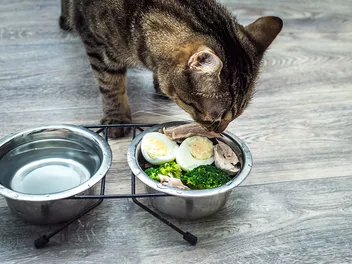
Cats must eat meat. However, precisely what meat doesn’t matter much, as long as it is prepared properly and not contaminated. Almost all types of readily available commercial cat foods include all the amino acids your cat needs, though they may include them in different amounts.
The important part is reading the label and ensuring that your feline’s food is labelled as complete and balanced, and has a verifiable source to make the claim (such as an AAFCO approval within the US). For at home diets or recipes, you should consult a veterinarian to ensure that the meat you’re using is safe and appropriate for your pet, and sourced properly.
Can a Vegan Own a Cat?
A vegan can own a cat. However, a cat cannot be vegan. As explained above, there are many nutrients a cat cannot derive from plants. Vitamin A is an excellent example of this, as we have previously discussed. Humans and dogs can turn beta-carotene—a plant product—into vitamin A. Cats cannot. They must consume retinol from meat.
Taurine is another example. Dogs and humans can make sufficient taurine. However, cats cannot and must consume it in their diet. Taurine is only found in meat. Without taurine, a cat’s heart cannot function correctly, and if deprived for too long, they will become anorexic and eventually die.
Furthermore, a cat’s digestive tract just isn’t made to digest high amounts of plants. A vegan diet would be all plants. Therefore, it may cause digestive problems. Your cat may be unable to digest and absorb everything they need, which will cause deficiencies.
You can own a cat as a vegan but you must be willing to purchase meat-inclusive food for your feline. While humans may not need meat, cats do.
What Happens if Cats Don’t Eat Meat?
A cat that doesn’t eat meat will not absorb all the vitamins and minerals they need to thrive. Specifically, they will likely become deficient in nutrients like vitamin A, arachidonic acid, and taurine. Both of these are life-threatening deficiencies that will eventually lead to a cat’s death. Even in cat food, additional vitamins and taurine are usually added from animal sources.

Are There Any Meats Cats Shouldn’t Eat?
There are certain meats you should avoid feeding your pet cats. Raw fish is chief among these, even if your cat is on a raw diet. This is because many fish naturally contain an enzyme called thiaminase, which breaks down thiamine (vitamin B1), an essential vitamin cats require. Overconsumption of raw fish can lead to thiamine deficiencies, even if you factor in for mercury safety in the seafood you offer your cat.
In addition, the organs and meats of exotic animals or predators shouldn’t be offered to your cat, as these may contain various amounts of nutritional risks (such as having excessive amounts of a certain nutrient, pathogens, or a deficiency).
The best meats to offer your cat are human-grade meats or those found in food made specifically for cats.
Conclusion
Cats are obligate carnivores and need a diet that incorporates animal meats. This is because there are some nutrients cats require that are found only in animal meats.
Commercial cat foods are an acceptable starting point for feline nutrition and contain a base of a few ingredients that must be further balanced to meet your cat’s needs. For this reason, vitamins and minerals must be added. Sometimes, this takes small amounts of veggies and grains, which is perfectly fine as long as it is in moderation. However, cats shouldn’t be made to go on a vegan or vegetarian diet.
See also:
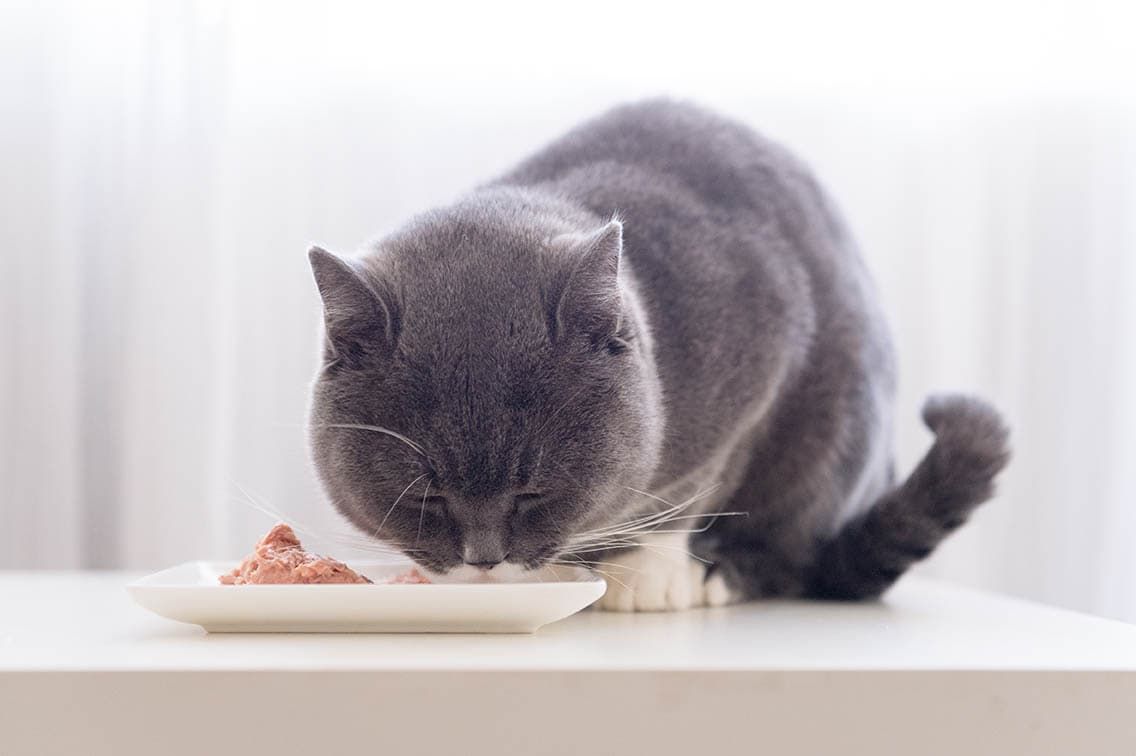
Featured Image Credit: Chendongshan, Shutterstock
Expert cat care, straight to your inbox
News, insights, and useful advice, delivered to you.

No spam — unsubscribe anytime.
By signing up, you agree to our Terms & Conditions and Privacy & Cookies Policy.
How useful was this post?
Click a star to rate. You can leave written feedback afterwards. (We read all feedback.)
Kristin is passionate about helping pet parents create a fulfilling life with their pets by informing them on the latest scientific research and helping them choose the best products for their pets. She currently resides in Tennessee with four dogs, three cats, two fish, and a lizard, though she has dreams of owning chickens one-day!