5 Ways Cats Bring Families Closer Together: Vet-Verified Benefits & Tips
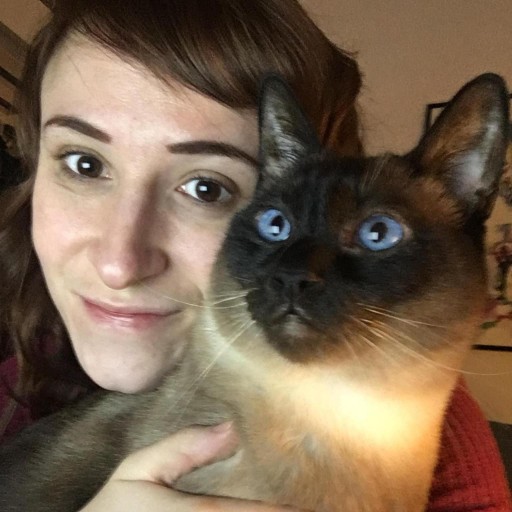

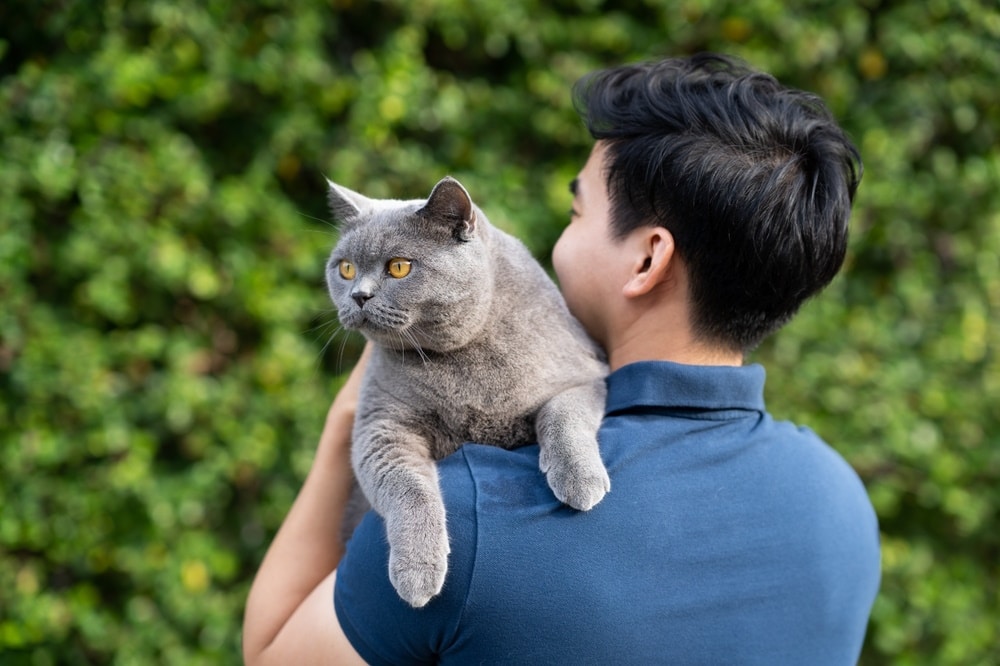
Since their personalities are so diverse, our feline friends adapt to family life in different ways, but they all have one thing in common—cats have the power to bring families closer together.
If everyone at home wants to adopt or foster a cat and is prepared for the responsibility, but is mulling over whether it would be the right thing to do, this post highlights some of the major benefits of making a cat a fully-fledged (or temporary, if you're fostering) member of your family.

The 5 Ways Cats Bring Families Closer Together:
1. Cats Help Foster a Positive Atmosphere
Studies have shown that spending time with pets can lower cortisol (the stress hormone) and blood pressure while boosting your mood.1 Not only can everyone in the family benefit from this individually, but it may also contribute toward a lighter, calmer, and overall, more positive home environment. If there's an argument, for example, the cat suddenly turning up may break the tension a little.

2. Cats Are a Lesson in Responsibility
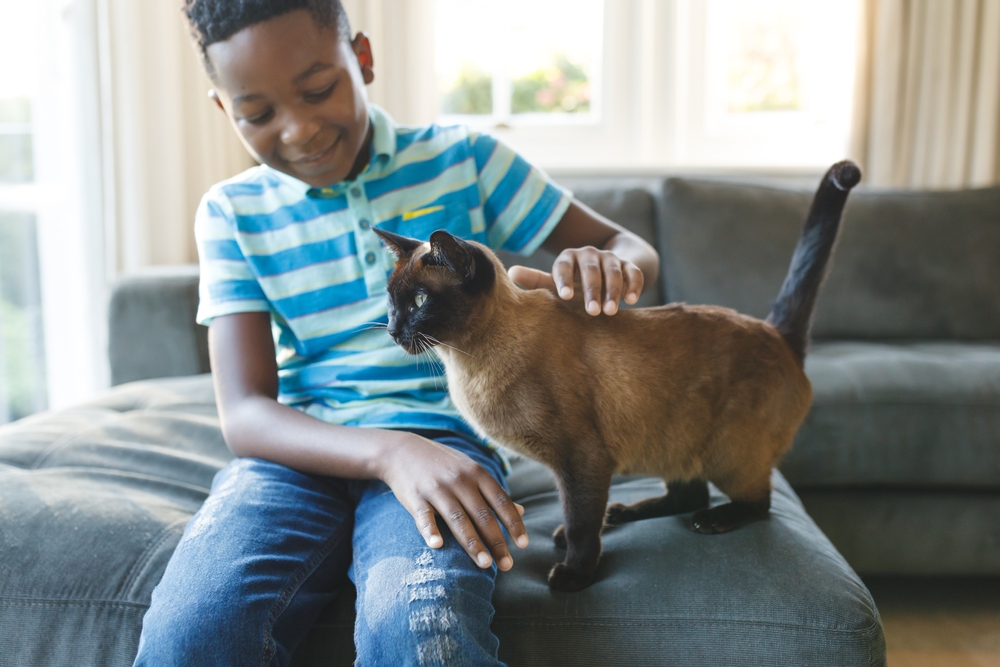
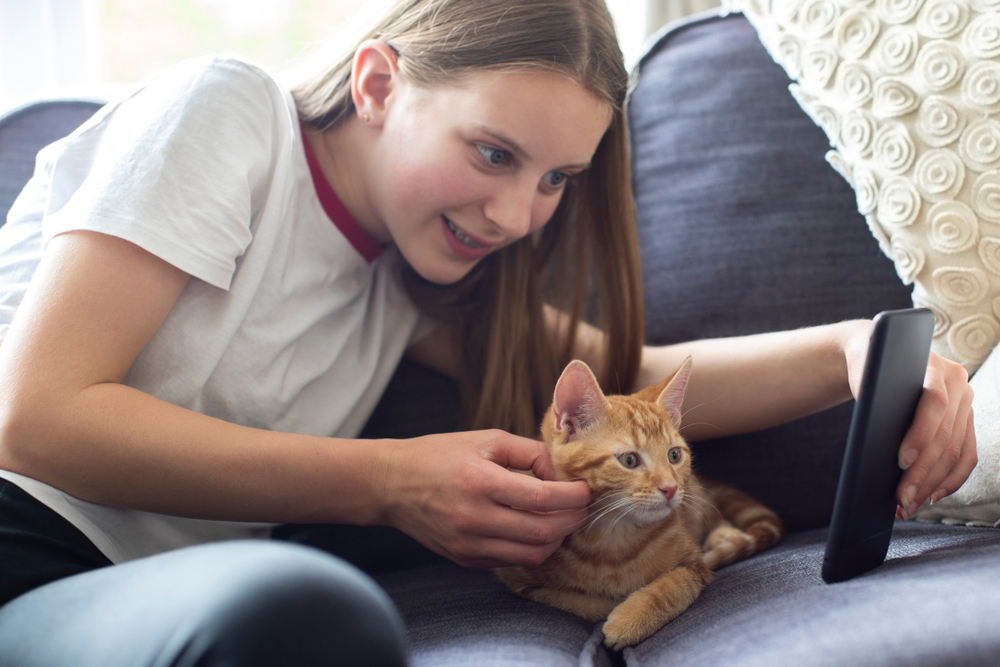
When you adopt a cat, getting children at home involved in their day-to-day care is a great idea. This could be helping with feeding, ensuring the cat has water, exercising the cat with play, grooming, and generally spending time with the cat so they don't feel neglected.
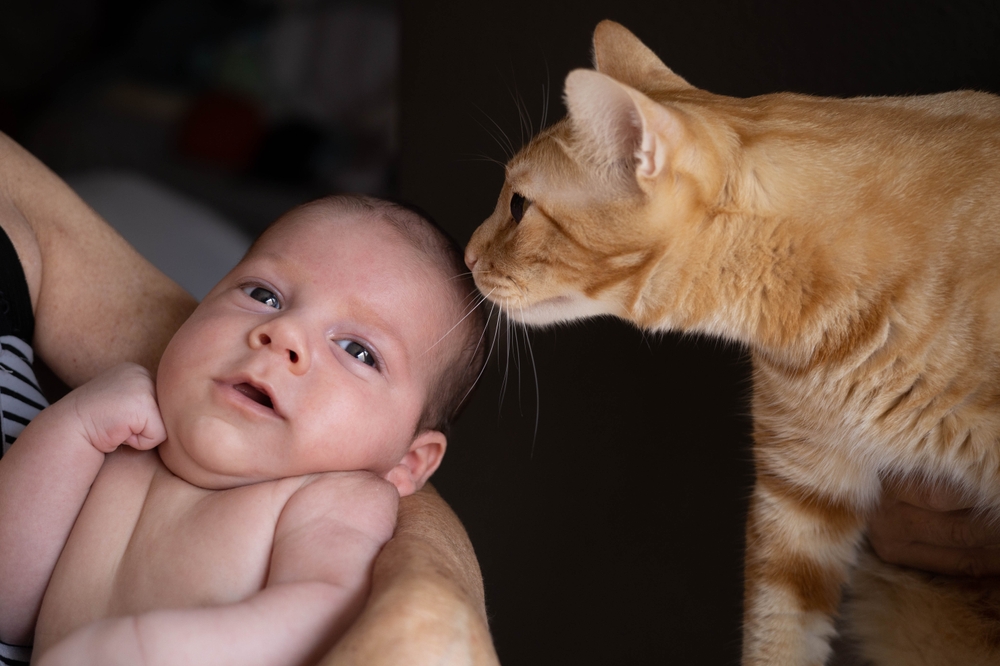
This sense of responsibility can boost kids' self-esteem and teach them compassion, empathy, and respect for animals. If you're bringing a cat into a home with children, you'll need to teach them how to be respectful and interact with the cat appropriately by modeling this kind of behavior as well as telling. Young children who don't know boundaries yet should not be left unsupervised with the cat.
3. Cats Offer Emotional Support
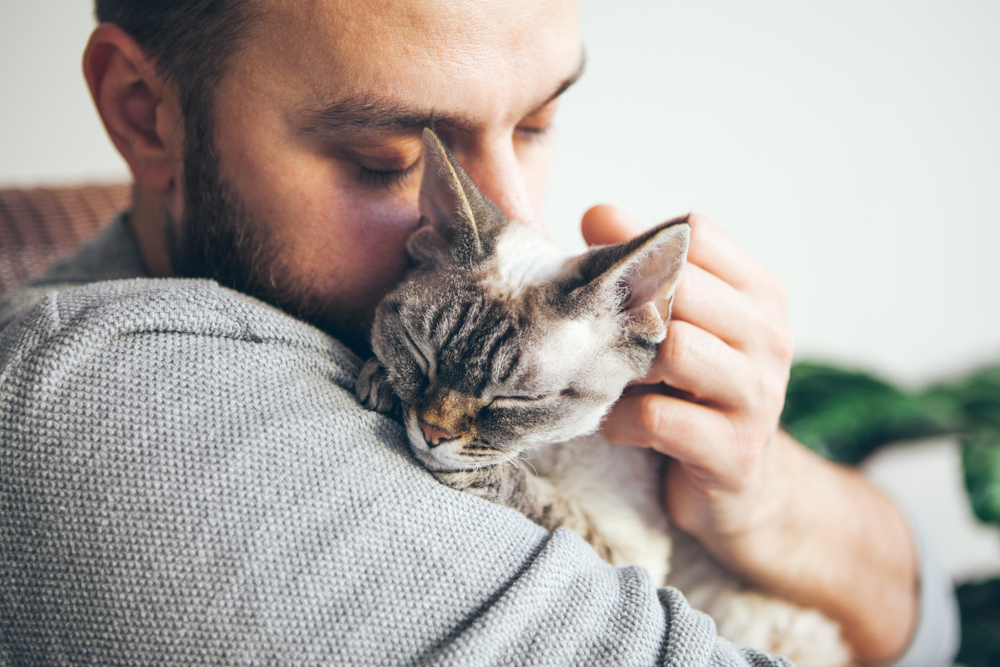
Cats are a wonderful source of emotional support when a family or someone in the family is going through a rough time. For one thing, your cat will listen without interrupting you, and they'll always keep your secrets safe because they can't share them! Cats and other companion animals are also a constant for children in families experiencing discord (divorce, job loss, etc.).
Case in point, in The Power of Pets: How Animals Affect Family Relationships, Krista Scott Geller cites a 1986 study by Katcher and Beck, which revealed that over 70% of teenagers said they confide in their pets.

4. Caring for a Cat Involves Everybody
Ideally, caring for the family cat is something everyone should get involved in. Having a common interest is a good way to foster stronger relationships and communicate with one another better.
For example, if everyone has a role in looking after the cat, this will entail communicating about how to provide for the cat's needs and who is responsible for what aspect of the cat's care. In addition, the fun and heartwarming moments you spend with your cat as a family are great for building bonds and making memories. This brings us to our next point.
5. Cats Bring a Lot of Joy
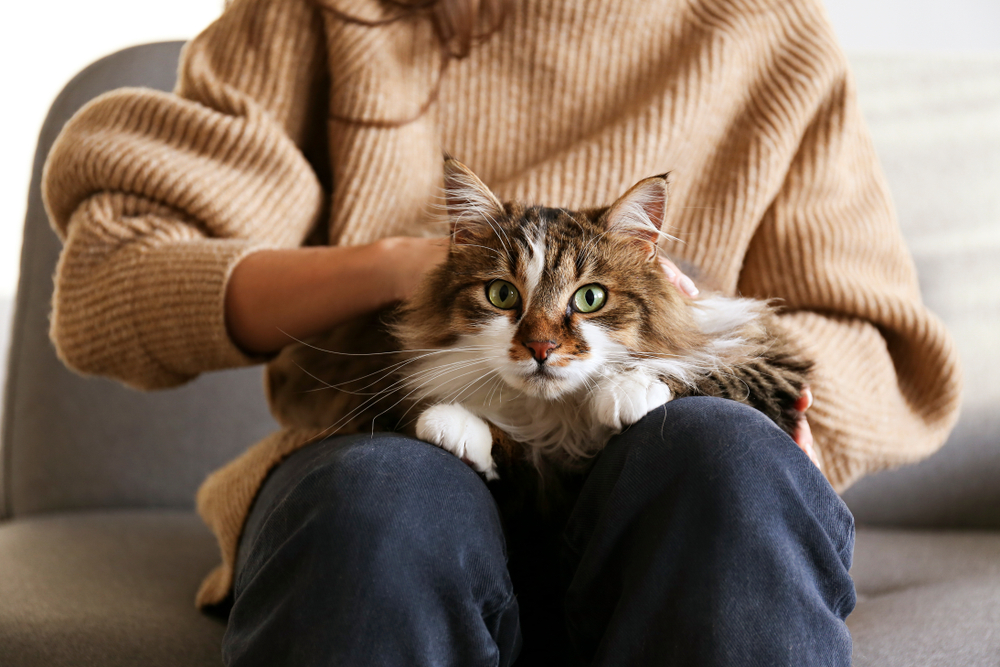
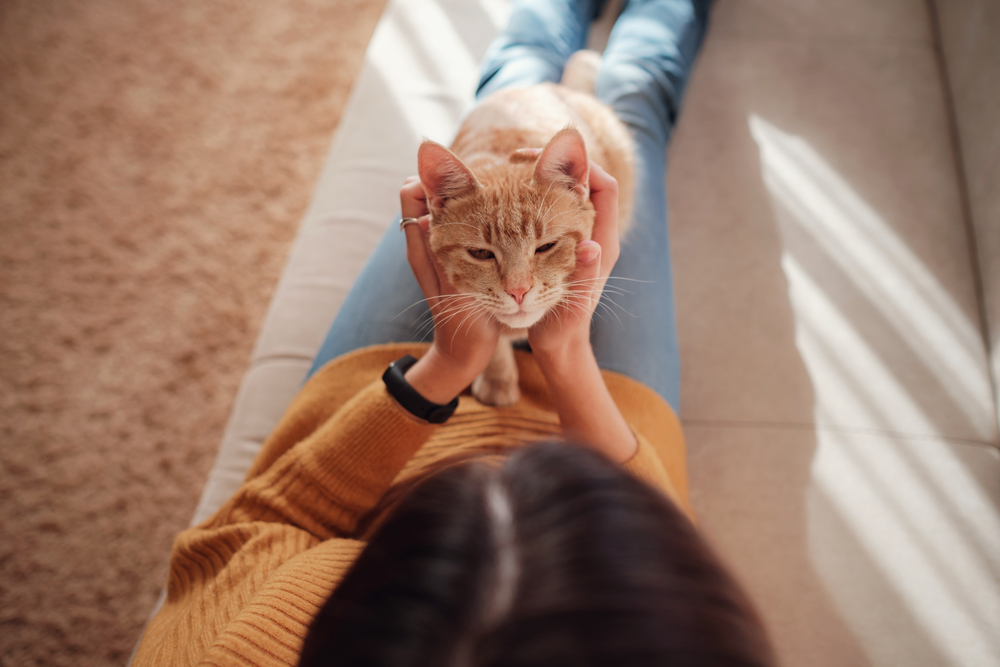
Whatever your cat's personality, they're sure to inject a lot of joy into your household. While some cats make you happy by sleeping at your side, sitting in your lap, or purring away contentedly, others make you laugh with their unique quirks. All of this contributes to a more fun and enjoyable home to live in.

Is My Family Ready for a Cat?
While adopting or fostering a cat can be incredibly beneficial for all involved, the responsibility of an animal companion may not be the best thing for every family. Cats are, after all, a long-term commitment. To help you decide if it's right for you, ask yourself these questions:
- Are you prepared to care for an animal that could live up to 15–20 years or more?
- Are you prepared to create a safe, loving, and enriching environment for the cat to live in?
- Will you ensure all the cat’s needs (food, litter, veterinary care, enrichment, and preventive healthcare) are catered for?
- Will buying cat food, litter, and other necessary items be an issue?
- Do you know someone who can care for the cat if you go on vacation? If not, are you willing to hire a pet sitter?
- Do you have time to play and interact with the cat daily so they get enough exercise and mental stimulation?
- Are you prepared to teach children how to respect the cat?
- Are you prepared to continue caring for the cat if children stop helping as much?
Conclusion
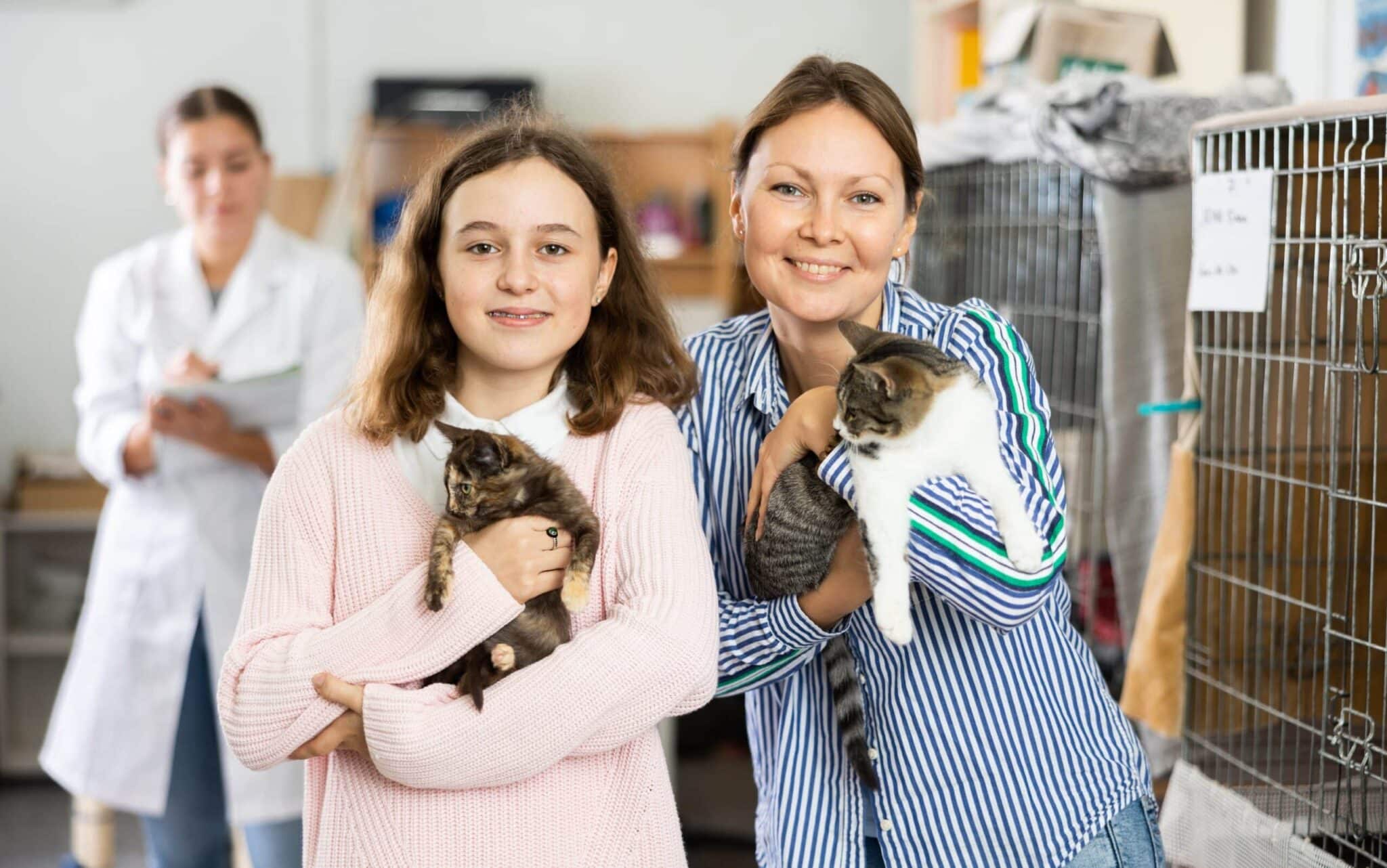
Cats make wonderful family members as long as they're afforded respect and all their needs are met. Don't feel pressured to make a quick decision as to whether or not your family and a cat would be a good match—it's best to be completely sure it's what you want before you take the plunge. If you're ready, there are plenty of rescue organizations and shelters out there who would love to hear from you.
Featured Image Credit: PeopleImages.com - Yuri A, Shutterstock

Expert cat care, straight to your inbox
Vet-reviewed advice, behavior tips, and the best of Catster. Free, and you can unsubscribe anytime.
By signing up, you agree to our Terms & Conditions and Privacy & Cookies Policy.
Kit Copson is a freelance writer and lifelong animal lover with a strong interest in animal welfare. She has parented various furry beings over the years and is currently a proud cat mom of two—one very chilled (unless hungry) Siamese and a skittish but adorable Domestic Shorthair—and dog mom of one—an adopted Bichon Poodle cross. When not writing about or spending time with animals, Kit can be found doodling in her sketchpad, reading, or more often than not, drinking tea.
Join the conversation
Ask a question, share your story, or send private feedback.