In this article
It’s hard not to instantly recognize the Sphynx cat, with their sleek bare bodies and their mesmerizing eyes. These kitties are cute, cuddly, and super friendly with their human companions. On the other hand, these cats are known for being needy. Their bare bodies make them more susceptible to sunburn and freezing than the average cat. So, there are both positives and negatives to sharing your life with a Sphynx cat.
While the Sphynx is well-known for their looks, not many people have spent personal time with one. So, it’s important to learn all about the Sphynx breed and what to expect before deciding whether this type of kitty is the right one for your household. This guide should provide you with the insight you need to make such an important decision.
Breed Overview
Height:
8 – 10 inches
Weight:
10 – 15 pounds
Lifespan:
8 –14 years
Colors:
White, black, red, brown, tabby, lavender, mink, bicolor, tortoiseshell, calico
Suitable for:
Families, singles, seniors
Temperament:
Friendly, loving, intelligent, outgoing, playful, noisy, curious
Some people think Sphynx cats are elegant and beautiful, while others think they aren’t the cutest things they’ve ever seen, to put it nicely. If you’re here, you likely enjoy the look of the Sphynx and wonder whether this cat breed is the right one for you. There are lots of great traits and characteristics that you’re sure to appreciate, but there are some cautions and concerns that you should be aware of before deciding whether this is the pet you want to acquire.
Sphynx Characteristics

Sphynx Kittens

Sphynx kittens tend to be just as spunky and curious as their adult counterparts. Their kitten-like behavior usually sticks around into adulthood, so your kitten’s behavior will give you an idea of how they will behave when they are fully grown, at least for the first several years of life. The typical Sphynx kitten is playful, curious, exploratory, interactive, friendly, sociable, and even a little mischievous at times.
What’s so endearing about the Sphynx kitten (and adult, for that matter) is their affectionate temperament. They love nothing more than spending time with their human companions, whether lying on their feet, snuggling in their lap, or cuddling on the couch. They’re happy lying right next to the computer while their human works or plays, and they aren’t shy about following people around the house to ensure they aren’t forgotten.

Temperament & Intelligence of the Sphynx
One thing that can’t be disputed is the friendliness of the Sphynx cat’s personality. They aren’t shy, and they are more than happy to inject themselves into any social situation that is going on around them. They’re always happy to spend time with their household members and can often be seen at the front door greeting any family member who walks through it.
These cats are known for following their family members around the house, seemingly getting comfort from being around their loved ones. They also welcome visitors to their homes quickly and enjoy interacting with them during their stay. They rarely run and hide unless they happen to be a rescue cat with a traumatic past.
The average Sphynx is anything but quiet. They like to communicate through various noises, especially meowing, so don’t expect a lot of peace when living with this breed. When it comes to smarts, the Sphynx is an intelligent breed that seems to understand social cues and takes well to training. They can learn various tricks, including sitting, shaking, high-fiving, lying down, speaking, stepping through a hoop, targeting, and more.
Are These Cats Good for Families? 👪
The Sphynx cat tends to get along well with children and adults alike. The Sphynx cat’s behavior is usually interactive and playful, so they expect attention from their family members throughout the day. So, as long as humans are home to keep them company often, these cats can be fantastic companions for families of all shapes and sizes. They aren’t timid, yet they aren’t aggressive either.

Does This Breed Get Along With Other Pets? 🐶 😽
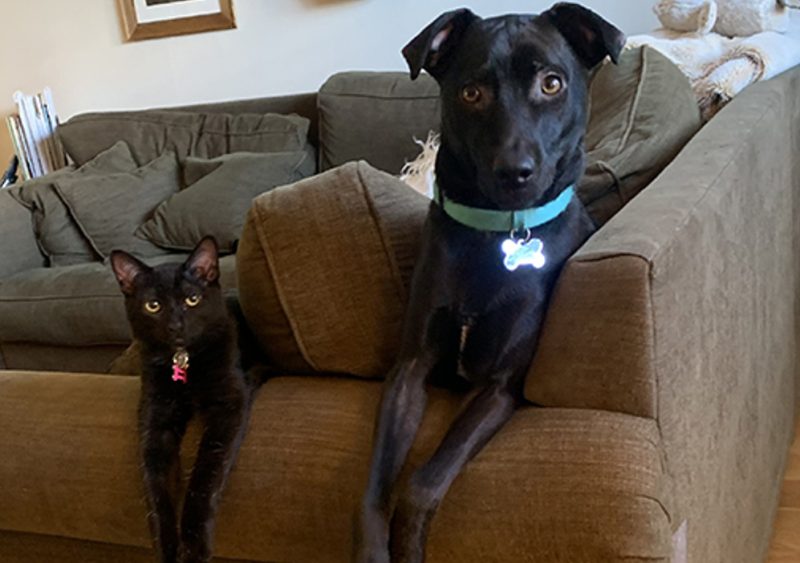
The Sphynx gets along well with other pets, especially other cats. Many are also outgoing enough to get along with dogs in the household. For the best results, they should start socializing with other animals when they are kittens. If they get too used to living alone and without other animals around, they may resist meeting new animals as time passes.
Things to Know When Owning a Sphynx
There are plenty more things to learn about when it comes to discovering whether the Sphynx cat is suitable for your household. What do they eat? How much exercise should they get? What kind of training is suitable? Are there any health conditions to worry about? Learn about these things and more below.
Food & Diet Requirements 🐡
Like all other cats, the Sphynx is a carnivore, so they require a high-protein diet that consists of real meat like chicken, beef, and fish as the first ingredients. There should be no artificial ingredients included in the formula. If you’re in doubt about what your cat should eat for optimal health, ask your veterinarian for recommendations and nutrition guidance.

Exercise 🐈
These are indoor cats, as their bare bodies shouldn’t be exposed to direct sunlight (at least not much of it) or chilly weather to minimize the risk of skin damage and discomfort. Therefore, they need lots of things to do inside so they can get their exercise in. Sphynx cats are active and tend to get all the exercise they need from their daily activity, given that they have toys, scratching posts, and “jungle gyms” to take advantage of. Consider installing hanging shelves on the wall for extra exploration and excitement.
Training 🧶
Sphynx cats can be trained to do a variety of things, kind of like dogs. They can even learn how to walk on a leash outdoors! However, they don’t need any training. They are happy to hang out in the house and interact with their human companions. What more could a cat owner want? Still, if you’re looking for a cat that can do dog-like tricks, this might be the breed for you.
Grooming ✂️
You may think that their lack of fur means that Sphynx cats don’t require as much grooming, but the opposite is actually true. Their skin produces natural oils that would normally be absorbed by the fur, so they need regular bathing with a gentle, fragrance-free pet shampoo to prevent oil buildup and skin irritation. Depending on how active your cat is, you should bathe them every 2-4 weeks. When bathing them, make sure to be very gentle, avoid their face, use lukewarm water, and ideally give them a treat afterward. Making the experience as comfortable and enjoyable as possible for them will make things much easier and keep your cat happy and healthy. Besides bathing, you should also trim your cat’s nails regularly and clean out their ears to prevent wax build-up. If you ever notice excessive wax build-up that doesn’t seem normal, or any skin irritation, be sure to contact a vet for advice.

Health and Conditions 🏥
While this cat breed is generally healthy, there are some health conditions that they may be genetically susceptible to. These include:
- Ear infections
- Skin problems
- Body temperature regulation
- Periodontal disease
- Hypertrophic cardiomyopathy
- Hereditary myopathy
Male vs. Female
There is not a big difference between male and female Sphynx cats. Both genders tend to be social, curious, loyal, and affectionate when it comes to their human companions. The only real difference that you might notice is that the male can be slightly bigger than the female, but this is not always the case.
3 Little-Known Facts About the Sphynx
1. They Originated in Canada
While it gets quite cold in Canada, these hairless cats originated from the country, specifically in Ontario. They were created due to a genetic mutation, not on purpose. Eventually, the breed popped up in the United States, and since then, these cats have been popular among cat lovers.
2. They Aren’t Really Bald
The Sphynx has a reputation for having a bald body (we even refer to them as having such!) However, the truth is that these cats have a fine layer of hair that may not be seen with the naked eye but is felt with the hand during a petting session. This hair is often referred to as a downy fuzz and tends to feel like suede.
3. They Are Not Hypoallergenic
While these cats have no hair or fur to speak of, the Sphynx breed is not hypoallergenic and would not be a good fit for those who are allergic to felines. They produce the same allergenic protein that other cats do (this is the protein that results in human allergies) through their saliva and skin. There is no need to have hair to spread this protein to those who are allergic.
Conclusion
Sphynx cats are intriguing and mesmerizing, especially since they look so different from most other cat breeds that we know of. They are not hypoallergenic, and they require as much care and attention as any other cat you might consider sharing your house with. So, make sure that you have the financial and mental capabilities to care for a kitty in all aspects before deciding whether to bring a Sphynx home as a household member.
You might also like:
- Bambino Cat Breed Info: Pictures, Temperament & Traits
- 18 Cat Breeds That Stay Small & Kitten-Like (With Pictures)
Featured Image Credit: sophiecat, Shutterstock