Can Cats Eat Pineapple Leaves? Vet Reviewed Dangers & Advice


In this article
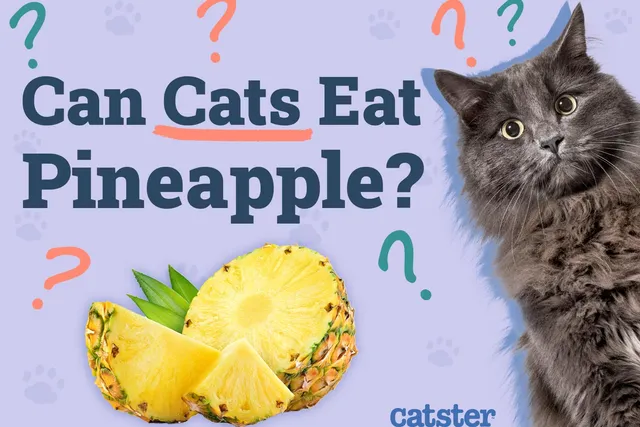
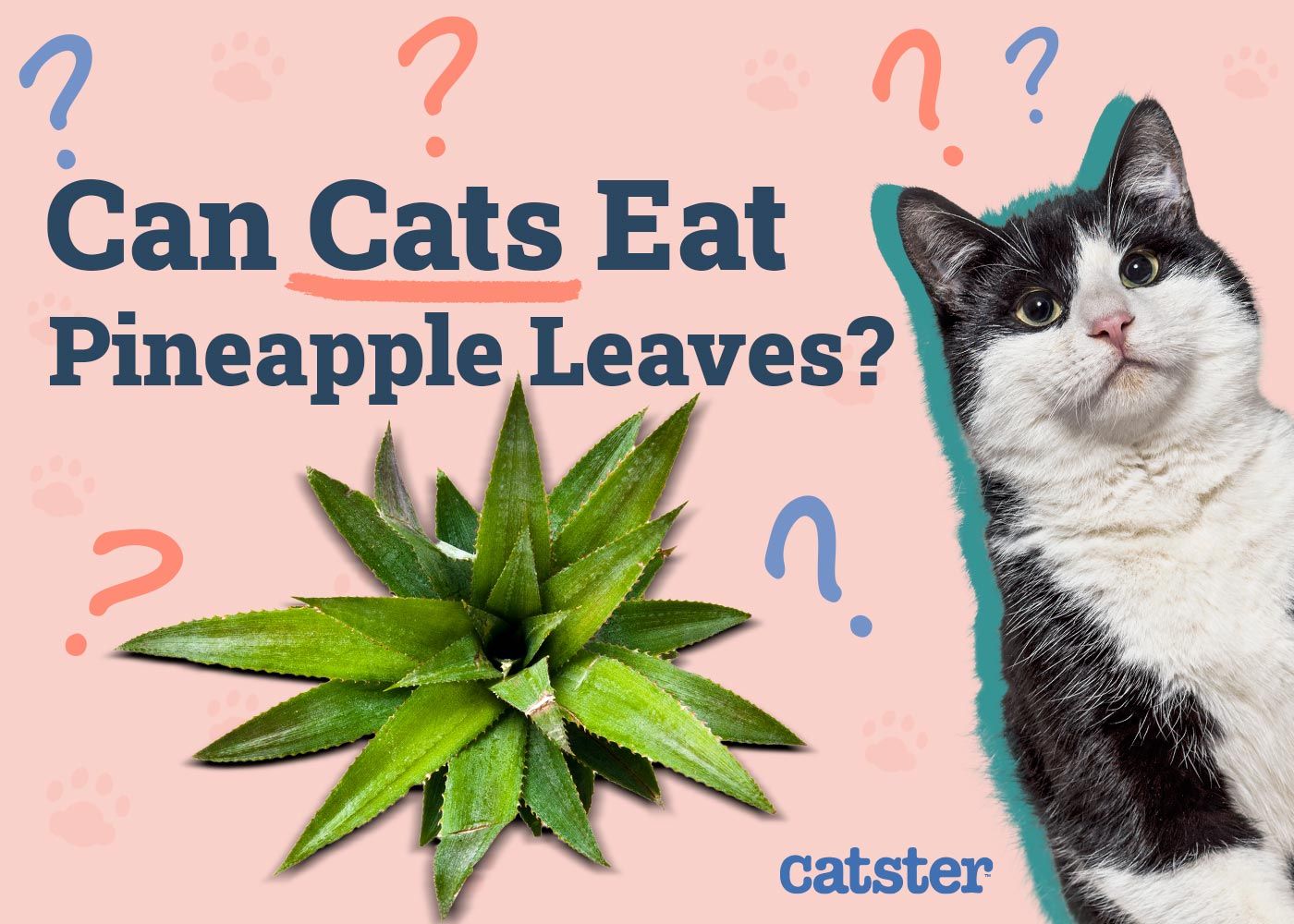
Pineapple lovers know the leaves and skin of their favorite fruit have no place in their diet, but cats are rarely as discerning. Many cats enjoy chewing greenery for one reason or another, often not taking the time to check what’s safe or dangerous. So can cats eat pineapple leaves? Fortunately, though they aren’t too tasty, pineapple leaves aren’t toxic or particularly hazardous if your cat takes a bite but it is not recommended as part of their diet.

Why Can’t Cats Eat Pineapple Leaves?
Cats can eat pineapple leaves without any issue in most cases. However, they aren’t a suitable snack for a few reasons. Although they aren’t poisonous to cats, the pineapple leaves’ waxy, thick, and rubbery composition isn’t digestible, providing minimal benefits and allowing for potential GI problems if eaten in excess.

Dangers of Feeding Pineapple Leaves to Cats
Unlike the juicy, flavorful fruit contained underneath, a pineapple’s leaves are neither delicious nor nutritious. Cats derive nearly all their energy and vital nutrients from meat, and the leaves provide zero caloric or nutritional value.
Pineapple Leaves Aren’t Digestible
Pineapple leaves are roughly 80% cellulose, 10% hemicellulose, and 5% lignin, all fibrous compounds that cats, dogs, and humans can’t digest.1 Leaves are a significant source of industry waste and a persistent challenge for fruit producers. Some are processed into livestock feed, though the industry has found value in the leaf fibers for textile materials and is exploring ways to extract unique components they contain, such as bromelain.
Cellulose is a frequent cat food additive, providing some digestive benefits while lowering calories. The insoluble fiber assists with the passage of food and waste through the system, providing better stool consistency and helping to reduce hairballs.
While limited fiber is appropriate, pineapple leaves are almost entirely indigestible. They won’t create many issues in tiny bites, but if your cat overindulges, they risk blockages in their GI tract. You should follow up with a vet if you notice any signs like vomiting, changes in defecation, or not wanting to eat.
Enzymes May Disagree with Your Cat
Pineapple, a member of the Bromeliaceae family, contains bromelain in its leaves. The protease enzyme is not poisonous to cats.
Bromelain is, however, generally healthy for cats. It has anti-inflammatory properties. Adverse effects in humans can include an upset stomach, allergic reaction, and skin irritation; this could potentially be the case in some cats as well.

Is Pineapple Skin Bad for Cats?
Like the leaves, pineapple skin consists mainly of indigestible materials that won’t benefit your cat’s health. But nutritionally, it’s also relatively harmless. The more significant concern is the sharp, rigid points around the fruit, though they can deter your cat from giving the skin too much attention.
Is Pineapple Bad for Cats?
So what about pineapple itself? Can cats eat pineapple? Thankfully you won’t have to worry if your cat steals a taste of your pineapple as long as they don’t load up on the fruit. Pineapple contains several minerals and vitamins that can help a cat’s immune and digestive systems, including vitamins A and B6.
It’s also high in fructose, a sugar that can cause GI upset or diarrhea, so you should ensure your cat only enjoys it in moderation. Fortunately, cats can’t taste sweetness, making it unlikely they’ll like the flavor.

Why Do Cats Chew on Pineapple Leaves?
Cats are likely to enjoy chewing on various plants, including pineapple leaves. Several theories exist around why cats nibble on greenery despite being obligate carnivores, including:
A 2021 study showed little support for the hairball or illness theories. Although, younger cats were shown to be more prone to the behavior. It suggests instead that plant chewing might be a behavior carried over from wild ancestors. The theory is that ingesting grass and other plants helped wild cats purge intestinal parasites. Domestic cats may continue the practice out of an inherent urge.
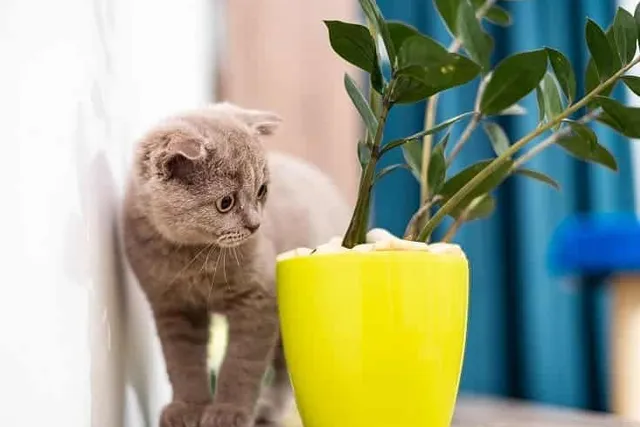
Curious cats chew on plants without considering their potential side effects. Pineapple leaves may entice them because although they aren't tasty, they might enjoy the rubber-like texture.

How To Stop Cats from Chewing on Pineapple Leaves
Since they don’t carry many risks, pineapple leaves may be on your allowable list of chewable plants. Some owners find the quirk entertaining and enjoyable. Besides, cats are decent self-regulators regarding their eating habits, leaving little chance of overeating. Still, leaf-chewing may come at the expense of your fruit, leaving you to find ways to nip the behavior in the bud.
The most straightforward measure if your cat’s pineapple leaf-chewing habit spirals out of control is to keep your fruit hidden where your pet can’t reach it. Failing that, you can also try deterrents and distractions.
Grass gardens like Pet Grass are a popular tool for cat owners trying to direct their pet’s chewing habits. The easy-to-maintain greenery offers the nutrients and GI relief cats crave in one of the safest formats.
You can also try a citrus spray by mixing lemon, lime, or orange juice with water and spritzing it on the leaves. Cats don’t like citrus, and one bite may be enough to dissuade them from eating more of your pineapple.
Conclusion
Pineapple leaves are a strange choice for cats trying to satisfy their chewing habit, but they’re far from the worst. There’s generally little concern if you catch your cat giving the leaves a taste. Monitor them afterward for any stomach irritation, but don’t fret over a few nibbles causing any lasting issues. However, if your cat’s yen for the leaves becomes an issue, take a few simple steps to keep your cat (and your favorite fruit) safe and separated.
Featured Image Credit: Dolgikh Dmitry, Shutterstock
Expert cat care, straight to your inbox
News, insights, and useful advice, delivered to you.

No spam — unsubscribe anytime.
By signing up, you agree to our Terms & Conditions and Privacy & Cookies Policy.
How useful was this post?
Click a star to rate. You can leave written feedback afterwards. (We read all feedback.)
Christian started writing for a local newspaper as a teenager, and he's been involved in the publishing industry for most of his adult life. Combining his love of writing with a passion for animals, he is currently the Director of Editorial at Pangolia and the Editor-in-Chief at Catster.
Christian lives in the Philippines with his wife, son, and four rescue cats: Trixie, Chloe, Sparky, and Chopper.