What Can Kill a Cat? 16 At-Home Items Vets Tell Us To Watch Out For


Being a cat parent is a responsibility that should be taken seriously. Your cat needs water, food, frequent litter changes, grooming, playtime, and plenty of attention.
Another considerable responsibility is ensuring that your cat is healthy and safe. This means keeping on top of any potential dangers for your cat in and around the home, which also means familiarizing yourself with the household dangers that can be fatal for your feline.
If your cat has ingested something toxic, take them immediately to the closest emergency clinic or call the # Pet Poison Helpline at (855) 764-7661 or the ASPCA Animal Poison Control Center at (888) 426-4435 .

The 16 At-Home Items That Can Kill A Cat
1. Lilies

Several plants are toxic to cats and include but are not limited to:
- Azaleas
- Daffodils
- Eucalyptus
- Hyacinths
- Jade
- Mandrake
- Milkweed
- Mistletoe
- Tomatoes (only the green plant parts, not the fruit)
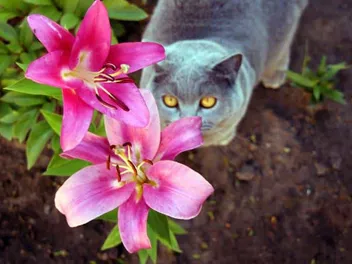
Arguably, lilies are one of the most toxic to cats. Specifically, you’ll need to look out for true lilies belonging to the Lilium genera, which include tiger, Asiatic, and Easter lilies. Even ingestion of a small amount of the pollen from these lilies can lead to kidney failure.
2. Onions and Garlic

Everything in the onion family—chives, shallots, leeks, etc.—is toxic to cats. Garlic is worse than onions, being five times more toxic. Ingesting onions or garlic can cause anemia and lead to:
- Digestive upset
- Lethargy
- Increased heart rate
- Weakness
- Increased breathing rate
- Pale gums
- Collapse
3. Chocolate

The darker and more bitter the chocolate , the more toxic it is to cats. Caffeine and theobromine are the ingredients in chocolate that can cause the following signs:
- Diarrhea
- Vomiting
- Elevated heart rate
- Abnormal heart rhythm
- Tremors
- Seizures
- Death
4. Human Medicines

Most human medicines are toxic to cats, for example acetaminophen, ibuprofen, antidepressants and cold medicines can all pose serious risks.
Cats do not have the enzyme to break down acetaminophen (paracetamol), it is extremely toxic leading to potentially fatal red blood cell and liver damage. Signs of acetaminophen toxicity include:
- Brown gums and tongue
- Weakness
- Lethargy
- Labored breathing
- Depression
- Vomiting
5. Alcohol

The ingestion of alcohol can cause gastrointestinal distress, dehydration, liver and kidney problems. If your cat drinks too much, it can result in seizures and respiratory failure.
6. Chemical Poisons

These include things like paint removers, glues, and rust and varnish removers. The fumes from these products are hazardous for cats too.
Bait for rats and mice, insecticides, and antifreeze are also dangerous for cats. Ethylene glycol is the sweet tasting chemical found in antifreeze that is highly poisonous to cats even if a small amount is licked up, causing kidney failure and death.
7. 7. Household Cleaners

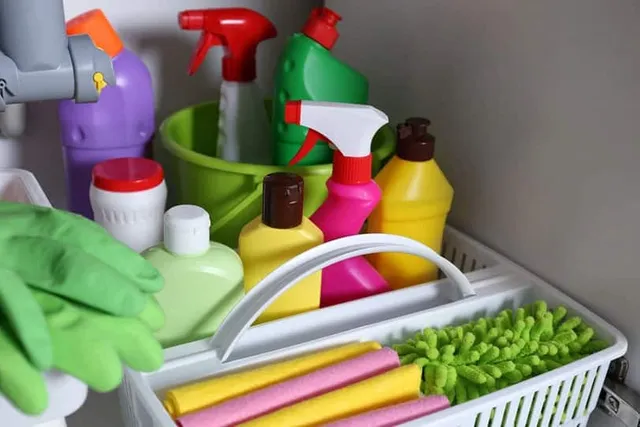
Many common household cleaners are hazardous for cats. These include some carpet cleaners, bathroom and kitchen cleaners, and toilet cleaners. Signs can include:
- Excessive drooling
- Difficulty breathing
- Vomiting
- Ulcerations in the mouth
8. Vitamin D3
Cholecalciferol , activated D3, is a highly potent rat and mouse poison found in some baits. Any rodents that have ingested the bait can also poison cats if they’re eaten. Ingesting toxic amounts of cholecalciferol causes elevations in blood calcium. This leads to acute kidney failure after 2-3 days. Signs may include:
- Increased drinking and urination
- Lethargy
- Weakness
- Inappetance
- Vomiting
9. Grapes and Raisins

Both grapes and raisins can be toxic to cats if ingested. They may cause gastrointestinal signs and kidney injury. It does not happen in every cat that eats them, but the toxic dose is unknown and they should be avoided. Signs of toxicity include:
- Vomiting
- Diarrhea
- Stomach pain
- Anorexia
- Acute kidney failure
10. Caffeine

Caffeine is found in many products, such as tea, coffee, chocolate, energy drinks, and certain supplements. If your cat ingests anything with caffeine, the following can occur:
- Hyperactivity
- Restlessness
- Vomiting
- Rapid heart rate
- High blood pressure
- Abnormal heart rhythm
- Tremors
- Elevated body temperature
- Seizures
- Collapse
- Death
11. Raw Bread Dough

If eaten, the yeast in raw bread dough will ferment inside the gastrointestinal tract. The dough expands and produces ethanol which is absorbed and can result in ethanol toxicosis. Cats will suffer from bloating, abdominal pain and retching or vomiting. The cardiovascular, respiratory and neurologic systems are also all affected. Respiratory arrest, coma and death may occur if not treated.
12. Essential Oils

Essential oils are toxic to cats through oral ingestion and the skin. Cats don’t have the enzyme in the liver needed to metabolize and eliminate toxins like essential oils. The most toxic essential oils to felines are:
- Cinnamon
- Citrus oil
- Clove
- Eucalyptus
- Pennyroyal
- Peppermint
- Pine
- Sweet birch
- Tea tree
- Wintergreen
- Ylang ylang
Signs of essential oil poisoning include:
13. String/Rope

Any kind of string, rope, yarn, etc., can be dangerous to keep around a cat unsupervised. Ingesting thread, tinsel, or anything like these can lead to a gastrointestinal obstruction , which can easily cut through organs like a garrote.
There’s also the strangling issue, which is more prevalent with things like hanging cords found on blinds.
14. Balconies

If you live in an apartment, balconies are a definite threat to a cat’s safety. Falling can lead to injuries that need veterinary treatment. But too often, there are falls that are fatal. You should keep your cat off the balcony entirely or thoroughly cat-proof it so your cat can safely enjoy the outdoors.
15. Dog Flea Products

Some dog flea products contain pyrethrins/pyrethroids , which are highly toxic to cats. Cats are unable to metabolize these products and the chemicals affect a cat’s nervous system. Signs of poisoning can include :
- Staggering
- Shaking
- Twitching
- Agitation
16. Washing Machines and Dryers

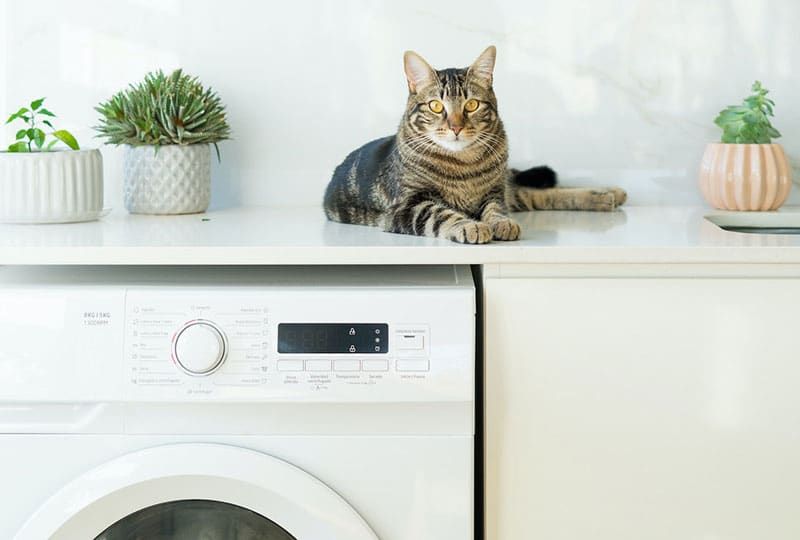
Cats are notorious for maneuvering their way into a pile of clothing, like your laundry, for a nap. Since cats are so good at sneaking into places they are not supposed to be, accidents can happen.
There are too many stories of cats that darted inside washing machines or dryers when their owners’ backs were turned, resulting in tragedy. Always double-check what you’re putting inside the machines and that your cat is not inside before turning them on.
What to Do If Your Cat Is Poisoned
If you know that your cat has eaten something toxic but they aren't showing signs, call your vet or the ASPCA Animal Poison Control Center at (888) 426-4435 or the Pet Poison Helpline at (855) 764-7661.
Have the following information available:
You should also have the container or packaging available for reference.
If your cat is already showing signs of poisoning, such as:
Take them immediately to your veterinarian or closest emergency clinic.
How to Protect Your Cat
It’s essential to remember how much cats groom themselves. If anything toxic is on their fur, they will ingest it. This might be when a bath is in order.
Only give your cat medication that was prescribed specifically for them. Never give your cat any food, supplement, or medication meant for another species—dog or human.
Always double-check before opening or closing any doors, such as those of the dishwasher, washing machine, balcony, etc. This not only keeps your cat from going somewhere they shouldn’t, but you can also close the door on your cat and accidentally cause an injury.
Conclusion
While this all sounds like your cat is in constant danger, most people have cats that live long lives without encountering any of these threats. That said, you’re more likely to be a safer owner just by knowing about these dangers.
If your cat has fallen or has eaten something toxic, immediately take them to your veterinarian.
Sources
Featured Image Credit: Nacho-Posse, Pexels
Expert cat care, straight to your inbox
News, insights, and useful advice, delivered to you.

No spam — unsubscribe anytime.
By signing up, you agree to our Terms & Conditions and Privacy & Cookies Policy.
How useful was this post?
Click a star to rate. You can leave written feedback afterwards. (We read all feedback.)
Kathryn was a librarian in a previous lifetime and is currently a pet writer. When she was a child, she hoped to work in ZOOs or with wildlife in some way, thanks to her all-consuming love for animals. Sadly, she's not strong in the sciences, so she fills her days with researching and writing about all kinds of animals and spends time playing with her adorable but very naughty tabby cat, Bella. Kathryn is hoping to add to her family in the near future – maybe another cat and a dog.