


Allergies are not only unpleasant to deal with, but they’re incredibly frustrating, too. If you want nothing more than a pet cat but are allergic to them, you know exactly what we’re talking about. Having a cat allergy means you may deal with mild sneezing and itching when around them, or if your allergies are severe, it can mean having a tight chest and difficulty breathing. In the worst cases, going into anaphylactic shock is a possibility.
Anyone can develop allergies at any time. So if you already have a cat in your life and you suddenly become allergic to them, there are some things you can do to live more harmoniously alongside your feline friend. If you have a very mild allergy to cats, you may be able to live harmoniously with one with the following rules in place.
Read on to learn more about living with cats when you or a loved one has allergies.

An Important Note if You Are Allergic to Cats
If you have a moderate to severe allergy to cats, it is recommended that you don’t bring a cat into your house.
Cats are long lived pets and it is known that pet allergies often worsen when a person is exposed to greater amounts of allergen. Bear in mind that cats love being stroked and their favourite thing to do is to curl up on your bed and have a lovely long snooze. If a pet’s quality of life is going to be reduced due to your allergies, it may not be fair on the cat to bring it into your home. People with allergies to pet dander may be better choosing an exotic pet, such as a reptile, amphibian or fish, as these lack hair and dander and are essentially allergen free.

Top 10 Tips to Live With a Cat If You’re Allergic to Them
1. Clean. Often!

If you’ve been living with an allergy for some time, you already know how important it is to keep your home clean. Airborne allergens, like dust and cat dander, cling to any soft material, exacerbating your allergy symptoms.
Commit to vacuuming at least once a week, preferably more, if your allergies are bad. Invest in a vacuum with a HEPA filter, as some allergens are so small they’ll pass through a non-HEPA filter and re-enter your air.
If your cat likes to be on your bed (which we do not recommend—more on that later), wash your sheets weekly in hot water.
Our Favorite Enzyme Cleaner The Hepper Advanced Bio-Enzyme Pet Stain & Odor Eliminator Spray is our favorite enzyme cleaner out there. It permanently removes even the very worst kitty stains and smells, leaving your home fresh and clean! Click here to learn more about this amazing product and get yourself a bottle.
At Catster, we’ve admired Hepper for many years, and decided to take a controlling ownership interest so that we could benefit from the outstanding products of this cool cat company!
2. Replace Your Furnishings
Certain home furnishings, such as fabric sofas, carpets and curtains, are magnets for allergens. Even with the strictest cleaning regimen, cat dander can cling to certain furnishings in your home, worsening your symptoms.
Consider replacing upholstered furniture with leather and substituting blinds for curtains. Carpet is also notorious for holding onto allergens, so consider switching out carpets and rugs for hardwood or laminate. According to the Ohio State University College of Veterinary Medicine, carpets can contain as much as 13 times more cat allergens than smooth flooring. If you must have rugs in the home, choose those that can be tossed in the washing machine weekly to rid them of the allergens that have embedded themselves into the fibers.
3. Designate “Cat-Free” Zones

The fewer places your cat can access, the less dispersed the allergens they carry will be. We highly recommend designating several spaces in your home as cat-free zones. Your bedroom should be one of the places your cat cannot access. You spend eight hours a day in your bedroom sleeping, so the fewer allergens in your room, the better. Of course, dander can travel throughout your cat-free spaces on your clothing, but airborne cat allergen levels are much higher in rooms where the cat is physically present.
4. Spay or Neuter Your Pet
Your cat should be spayed or neutered regardless of whether you have allergies or not, as there are plenty of documented benefits. Aside from preventing unwanted litters of kittens, spaying and neutering can also have the following benefits:
- less likely to spray and mark territory
- less likely to roam in search of a mate
- less roaming means reduced chance of road-traffic accidents and fighting with other cats
- Longer and healthier lifespan
- Reduced risk of developing mammary cancer
- Eliminated risk of uterine or ovarian cancers (females) and testicular cancers (males).
If you need more of a reason to spay/neuter your pet, doing so can also decrease allergen production and make it easier for you to live harmoniously alongside your cat.
5. Try Allergy Medication or Treatments

Over-the-counter or prescription medication can help control allergies and reduce signs. Consider allergy immunotherapy, a preventative treatment for some types of allergies. Current research is minimal, but what is currently available shows that immunotherapy for pet allergies has good prospects as a viable treatment choice in the future.
The type of treatment that is right for you will depend on the severity of your signs. We highly recommend speaking with your doctor, as not all medications or treatments are right for all allergies.
6. Consider Adopting a “Hypoallergenic” Breed
While there is no 100% “hypoallergenic” cat breed (hence the quotation marks), some breeds do produce lower levels of the proteins that can trigger allergies. These breeds may be a better fit for folks suffering from mild pet-related allergies.
- Siberians
- Siamese
- Bengals
- Russian Blues
- Sphynx
- Devon Rex
- Cornish Rex
- Burmese
Please do your research before adopting, however. These purebred cats can be expensive, and the last thing you want to do is spend thousands of dollars on a kitty you can’t even keep. Additionally, choosing to adopt from a reputable breeder is of utmost importance.
7. Try Allergen-Addressing Cat Food

An innovative cat food line from Purina Pro Plan has recently been developed to reduce the major allergens found in a cat’s fur, dandruff, and saliva. The developers of this food found that the primary cat allergen (Fel d 1) can be reduced when the cats are fed a diet containing a certain protein in eggs. The food does not interfere with a cat’s ability to produce Fel d 1 or change their physiology.
8. Adopt One Cat
The fewer cats you have, the lower the concentration of allergens in the household. As tough as it is to get just one cat, adopting only one will increase your chances of living harmoniously with the allergen-producing animal.
9. Invest In an Air Purifier

Air filtration can reduce airborne allergens and provide relief for allergy sufferers. You can buy filtration systems for a single room, or if your home has an HVAC system, you can invest in a whole-house air purifier. According to the American College of Allergy, Asthma, & Immunology, it is possible to remove the allergens caused by pets by using an air purifier with a HEPA filter. These filters can remove up to 99.97% of airborne particles within a certain size range, potentially eliminating pet dander floating around in your air.
10. Bathe Your Cat Weekly
As much as cats hate baths, bathing yours may be necessary to help reduce the concentrations of allergens they produce. According to the previously cited Ohio State University study, regular baths can reduce the allergen concentration by up to 84%. Only use shampoos formulated specifically for cats.
Although there is no such thing as a completely hypoallergenic pet, regular bathing can help reduce the amount of dander allergens in their fur and the air. We recommend Hepper's Oatmeal Pet Shampoo for this task. Click here to order yours today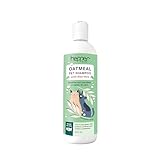
11. Wash Your Hands

Washing your hands every time you touch your cat may seem like overkill, but it will remove the allergens from your hands and prevent unnecessary exposure to them.

Final Thoughts
Though living with a cat while you have allergies does require a fair bit of work, living harmoniously together is possible for many people with mild allergies. However, it is essential and responsible to consider the severity of your signs and symptoms before considering adopting a pet. If you go into anaphylactic shock anytime you’re near a cat, the chances of the two of you successfully living in the same home together are slim to none. If you get a bit sniffly in the presence of a cat, however, you may be able to live together seamlessly with the right precautions and a meticulous cleaning schedule. If you suddenly find yourself allergic to your much-loved cat, speak to your doctor about trialing the changes above, as they may make enough of a difference that you and your kitty can continue living together in comfort.
- Related Read: Do Cats Make Good Pets for College Students? Facts & FAQ
Featured Image Credit: New Africa, Shutterstock
 An Important Note if You Are Allergic to Cats






